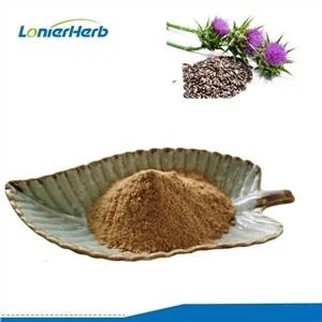
Kava Root Extract Powder, derived from the revered Piper methysticum plant indigenous to the Pacific Islands, has emerged as a compelling natural sedative solution in today's health-conscious marketplace. This botanical extract, traditionally used in ceremonial practices across Polynesian cultures, now commands significant attention from nutritional supplement manufacturers, pharmaceutical companies, and functional food producers seeking natural alternatives to synthetic sedatives. The growing demand for clean-label ingredients and plant-based formulations has positioned kava extract as a premium ingredient for anxiety management and sleep support applications. Understanding the comparative advantages of Kava Root Extract Powder against other sedative options becomes essential for procurement professionals navigating the complex landscape of natural health ingredients. This comprehensive analysis examines the unique properties, market positioning, and commercial viability of kava extract while providing actionable insights for informed sourcing decisions in the global B2B marketplace.
Understanding Kava Root Extract Powder and Its Applications
Botanical Origins and Chemical Profile
To make good kava extract, you need to know about its plant roots and active ingredients. Piper methysticum, which is widely known as kava or kava-kava, makes strong bioactive compounds called kavalactones. These are the main therapeutic agents in the plant that make it relax and calm you down. Some of these substances, like kawain, dihydrokawain, and methysticin, work together to change the activity of GABA neurotransmitters in the brain. This makes the brain feel calmer without affecting cognitive function as many synthetic alternatives do.
Modern methods of extraction make it possible for makers to standardize kavalactone concentrations in Kava Root Extract Powder between 30% and 70%. This gives them more options for meeting different formulation needs. For commercial extraction processes, the root of the plant is the best source material for Kava Root Extract Powder because it has the biggest concentration of active compounds.
Product Forms and Market Applications
Modern factories that make kava extract can make the product in a number of different ways to meet the needs of different industries. The most common form is a fine yellow powder that comes in different extract ratios (4:1, 10:1, 20:1, and 50:1) and has standard kavalactone content requirements. In the nutraceutical and medicine fields, each concentration is used for different things.
Kava extract is being used more and more in relaxation drinks, sleep aids, and stress-relieving goods by functional food and beverage companies. Additionally, the cosmetics industry has found uses for kava's ability to relax muscles in topical products meant to relieve stress and soothe the skin.
Mechanism of Action and Safety Considerations
Kava influences gamma-aminobutyric acid (GABA) receptors in the brain and spinal cord, which lead to its healing benefits. Unlike benzodiazepines, kavalactones increase GABA activity without directly connecting to benzodiazepine receptor sites. This may lower the risk of addiction while keeping the drug's effectiveness for anxiety and sleep problems.
For business uses, safety rules say that dosing guidelines and quality standards need to be carefully followed. According to research, the best daily amounts for dietary supplements are between 60 mg and 250 mg of standardized extract. But regulatory issues are different in each country, which is why checking for compliance is so important for foreign distribution plans.

Comparative Analysis: Kava Root Extract Powder vs Other Sedatives
Natural Botanical Sedatives Comparison
When comparing kava extract to other plant sedatives, there are a few key differences that affect how it is bought and where it stands in the market. Valerian root, which is probably the most widely used alternative, works in a different way and has different pros and cons for business use.
Valerian root extract usually needs higher doses (300–600 mg) to have the same calming effects, which could make supplement makers spend more on preparation and make capsules that are bigger. Valerian's strong smell also makes it hard to use in functional foods because it makes things taste bad, but kava extract has a neutral sensory profile that works well in a variety of product forms.
The calming effects of passionflower and chamomile extracts are not as strong or quick to start as those of standardized kava preparations. These alternatives might work for items that are meant to relieve mild stress, but they aren't good enough for uses that need strong calming effects or help getting to sleep.
Synthetic Sedative Alternatives
When producers are trying to reach different types of customers, they should think about the differences between natural kava extract and synthetic sedatives. Pharmaceutical-grade synthetic compounds have known strengths and are easy to regulate, but natural products are facing growing customer resistance.
Even though L-theanine is truly man-made in most commercial uses, it acts as a link between natural and man-made ingredients. The way it works, though, is mostly through alpha-wave brain activity, not the full GABAergic benefits that kava's many compounds provide. Because of this difference, kava extract is better for uses that need to relax the mind and ease physical stress.
Synthetic melatonin is used in most sleep aids, but it only helps with circadian rhythm control and not anxiety-related sleep problems. Because kava extract affects both anxiety and sleep quality, it could be used to make complete products that help people with stress-related insomnia, a growing market segment among health-conscious customers.
Cost-Efficiency and Market Positioning
When choosing sedative ingredients, procurement professionals have to weigh the prices of the ingredients against the product's positioning in the market and what customers want. The price of Kava Root Extract Powder reflects how difficult it is to grow and extract. This makes it a more expensive ingredient than common alternatives like valerian or chamomile.
However, the higher cost per unit is often justified by better effectiveness, which lets makers make products with smaller serving sizes and happier customers. Consumers are ready to pay more for kava-based products that work better than mainstream alternatives, according to market research.
Selecting the Right Kava Root Extract Product for Your Business Needs
Quality Parameters and Certification Standards
To buy kava extract successfully, you must first understand the important quality standards that affect both how well the product works and how well it meets legal requirements. The main way to tell how strong something is is by its kavalactone content, but other things like its moisture content, heavy metals testing, microbiological safety, and pesticide residue analysis also play a role in determining its total quality.
Organic approval can help you stand out in the market, but it requires that the growing and processing methods used throughout the supply chain be checked. Verification of non-GMO status is becoming more important for markets in North America and Europe, where people actively look for goods that have not been genetically modified.
Independent verification of quality claims through third-party testing by recognized laboratories like Eurofins, SGS, or Intertek builds customer trust. Providers who offer full certificates of analysis show that they are dedicated to openness and quality control.
Supplier Evaluation and Partnership Considerations
There are more things to think about than just price when looking for trusted kava extract suppliers. Long-term partnership success depends on many things, such as the ability to manufacture, the quality control systems in place, the records of following regulations, and the security of the supply chain.
Suppliers with GMP-certified facilities and well-established quality control systems make it easier to be sure that the quality of the products they sell will always be high and that they will follow all the rules. Also, suppliers that let manufacturers change the amount of kavalactone, the size of the particles, or the extract ratios allow them to make unique products that meet the needs of particular markets.
Location also plays a role in choosing a supplier, since being close to key markets affects shipping prices and delivery times. Suppliers with established distribution networks and legal knowledge in target markets can make it much easier for new products to get into those markets.
Procurement and Supply Chain Considerations for Kava Root Extract Powder
Market Dynamics and Pricing Structures
Knowing how the market for Kava Root Extract Powder changes over time helps you make better decisions about what to buy and how much to spend. Availability of raw materials can change with the seasons, which can affect prices and supply stability. For this reason, industrial operations need to diversify their suppliers and keep track of their inventory.
Opportunities to buy in bulk usually start at amounts between 25 and 50 kilograms, and as the number goes up, so do the prices. To get the best total cost of ownership, you need to weigh the benefits of big discounts against the needs for storage and shelf life.
Long-term supply deals keep prices stable and make sure that supplies are distributed evenly during times of high demand or limited supply. These deals are especially helpful for companies that already have a lot of products that need consistent kava extract specs.
International Trade and Regulatory Compliance
Getting kava extract across international borders is complicated by rules that are very different from one country to the next. Knowing the rules for importing, the paperwork that is needed, and any possible limits can help you avoid delays and problems with compliance.
When shipping plant extracts, it's important to keep an eye on temperature control, moisture protection, and the right way to package the products so they stay intact during transit. Suppliers who have experience with foreign shipping can usually give advice on the best ways to ship and package items for each destination.
Some of the documents that are needed are certificates of analysis, phytosanitary certificates, and compliance statements that are specific to the rules of the target market. Keeping up with the latest rules for foreign trade can help suppliers cut down on paperwork and speed up the customs clearance process.
LonierHerb: Your Trusted Partner for Premium Kava Root Extract Powder
With over 10 years of experience in the field and state-of-the-art production tools, LonierHerb Bio-Technology is at the top of the natural extract manufacturing business. They offer the best kava extract solutions. We've built strong relationships with top brands in more than 40 countries, including major markets in Europe, the US, and Australia, because we're dedicated to quality excellence and customer satisfaction.
Our brand-new, 1,500-square-meter building follows strict GMP guidelines to make sure that every batch meets the highest quality standards. The integrated production system handles the whole process, from identifying the raw materials to shipping the finished goods. It does this by using detailed traceability rules to keep quality high at all times. Independent labs with high-tech testing tools let you keep an eye on quality in real time and make sure all product standards are met.
Our method to integrating all of our services is what makes LonierHerb stand out in the kava extract market. In addition to high-quality manufacturing, we offer specialized services such as micro-encapsulation technology for better stability, natural color solutions for aesthetic uses, and full support for the development of health supplements. Our partners can streamline their supply chains and get access to cutting-edge formulation knowledge thanks to this full-service offering.
Our expert team is very good at customizing products to meet the needs of each customer. They can change things like color, taste, solubility, and active ingredients. Our production process is very flexible, so we can make the best products for your needs, whether you need standard 30–70% kavalactone extracts or custom ratios from 4:1 to 50:1. Quality control through agreements with well-known testing labs like Eurofins, SGS, and Intertek gives customers even more confidence in the consistency of their products and their ability to follow all regulations.
Conclusion
The comparative analysis of Kava Root Extract Powder against other sedative alternatives reveals compelling advantages for manufacturers seeking premium natural ingredients. Kava's unique combination of anxiolytic and sedative properties, coupled with favorable safety profiles and consumer acceptance, positions it as a superior choice for high-quality formulations targeting stress relief and sleep support markets. While cost considerations may favor simpler alternatives, the enhanced efficacy and market differentiation potential of standardized kava extract often justify premium pricing strategies. Successful procurement requires careful attention to quality parameters, supplier capabilities, and regulatory compliance to maximize the commercial potential of this traditional botanical ingredient in modern health product applications.
Kava Root Extract Powder supplier

Discover the competitive advantages of partnering with a leading Kava Root Extract Powder supplier committed to excellence in quality, service, and innovation. LonierHerb's comprehensive manufacturing capabilities, combined with our extensive experience serving global markets, provide the perfect foundation for your natural sedative product development initiatives. Our flexible minimum order quantities starting at just 1kg, along with free sample availability, enable thorough product evaluation without significant initial investment.
Experience the difference that professional-grade kava extract can make in your formulations by contacting our technical team at info@lonierherb.com. Our experts stand ready to provide detailed product specifications, competitive pricing structures, and customized solutions tailored to your specific application requirements, ensuring your success in the growing natural health marketplace.
FAQ
Q: What makes kava extract more effective than valerian root for sedative applications?
A: Kava extract demonstrates superior efficacy through its unique kavalactone compounds that directly modulate GABA neurotransmitter activity, providing both mental relaxation and physical muscle tension relief. Unlike valerian root, which requires higher dosages and has limited mechanism specificity, standardized kava extract delivers consistent results at lower serving sizes, making it more cost-effective for manufacturers and more convenient for end users.
Q: How do regulatory requirements differ for kava extract compared to synthetic sedatives?
A: Kava extract benefits from dietary supplement regulatory pathways in most jurisdictions, avoiding the extensive clinical trial requirements associated with pharmaceutical synthetic sedatives. However, some countries maintain restrictions on kava products due to historical safety concerns, making regulatory due diligence essential for international distribution strategies.
Q: What quality specifications should procurement managers prioritize when sourcing kava extract?
A: Critical quality parameters include standardized kavalactone content (typically 30-70%), heavy metals testing, microbiological safety verification, and pesticide residue analysis. Third-party laboratory certification from accredited facilities provides independent quality verification, while GMP manufacturing standards ensure consistent production quality and regulatory compliance.
References
1. Pittler, M.H., Ernst, E. "Kava extract for treating anxiety disorders: systematic review and meta-analysis." Journal of Clinical Psychopharmacology, 2003.
2. Singh, Y.N. "Kava: an overview of its chemistry, pharmacology, and toxicology." Pacific Health Dialog, 2004.
3. Sarris, J., Stough, C., Bousman, C.A. "Kava in the treatment of generalized anxiety disorder: a double-blind, randomized, placebo-controlled study." Journal of Clinical Psychopharmacology, 2013.
4. Wheatley, D. "Medicinal plants for insomnia: a review of their pharmacology, efficacy and tolerability." Journal of Psychopharmacology, 2005.
5. Brown, A.C. "Liver toxicity related to herbs and dietary supplements: Online table of case reports." Food and Chemical Toxicology, 2017.
6. Ulbricht, C., Basch, E., Hammerness, P. "An evidence-based systematic review of kava by the Natural Standard Research Collaboration." Journal of Herbal Pharmacotherapy, 2005.