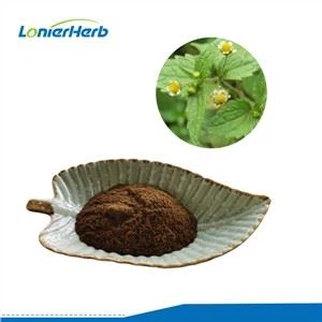
The modern landscape of Kava Root Extract Powder sourcing demands unprecedented attention to sustainable practices and ethical procurement strategies. As global demand for natural botanical extracts continues expanding, manufacturers face mounting pressure to establish transparent supply chains that protect both environmental resources and traditional communities. Kava root (Piper methysticum), native to Pacific Islands, presents unique sourcing challenges that require comprehensive understanding of cultural heritage, agricultural practices, and modern manufacturing standards. The botanical's journey from remote island farms to advanced processing facilities involves multiple stakeholders committed to preserving quality while maintaining sustainable production methods that respect traditional cultivation wisdom.
Understanding the Origins and Supply Chain of Kava Root Extract Powder
Understanding the deep traditional meaning of kava in Pacific Island communities is the first step toward sustainable kava sourcing. Traditional farming methods have kept kava farming going for hundreds of years. Over time, indigenous farmers have learned how to handle the soil, choose the right plants, and harvest them in a way that maximizes the kavalactone content while protecting the diversity of the farm.
Geographic Origins and Quality Impact
Pacific Island countries like Vanuatu, Fiji, and Tonga are the main places where kava is grown. Each of these countries grows a different type of kava with its own kavalactone profile. Due to the volcanic soil and tropical temperature, the plants grow in the best conditions, which affects the final extract's strength and healing abilities. Geographical factors have a direct effect on the quality of the plant. For example, kava grown in the highlands usually has higher levels of active chemicals than kava grown in the coast.
Setting up direct ties with certified growers of Kava Root Extract Powder who use traditional farming methods along with modern quality control methods is part of modern supply chain management. These partnerships make sure that there are always enough raw materials, and they also help local economies by setting fair trade prices that help farming communities.
Supply Chain Complexity and Stakeholder Involvement
There are many people involved in the kava supply chain, from small-scale farmers to foreign processing plants and distribution networks. Each participant is very important for making sure that the standards for product purity and sustainability are met. Traditional farmers lay the groundwork by using responsible farming methods, and processing plants use cutting edge extraction technologies to make uniform kava extracts.
Traceability tools that keep track of products from the farm to the final packaging are needed for supply chain management to work well. Because of this, manufacturers can check if the products are certified organic, keep an eye on how they affect the earth, and make sure they meet international quality standards. Modern traceability technologies, like blockchain systems and GPS maps, make it possible to see how products are sourced in ways that have never been possible before.
Environmental and Social Challenges
Sustainable kava sourcing helps solve big environmental problems like land erosion, cutting down trees, and managing water resources. Because climate change affects areas that used to grow crops, farmers need to come up with new ways to farm that keep crops productive while also saving natural ecosystems. Responsible sourcing programs help plant trees and handle land in a way that doesn't harm the environment or species.
Fair labor standards, community development, and cultural preservation are all parts of social sustainability. Ethical sourcing programs make sure that farmers get paid fairly and keep alive the traditional knowledge systems that have kept kava farming going for generations. Often, these programs include efforts to improve schooling, health care, and infrastructure in rural areas to make them stronger.

Sustainable Production Practices in Kava Root Extract Powder Manufacturing
Today, traditional knowledge and cutting-edge processing technologies are used together to make high-quality botanical extracts that meet worldwide standards. Sustainable production methods include all parts of the manufacturing process, from processing raw materials to packing and shipping finished goods.
Traditional and Modern Extraction Methods
Traditional ways of making kava use water-based extraction methods that keep the natural compound profiles and cultural validity. Modern factories use advanced techniques for extraction, such as ethanol extraction, supercritical CO2 processing, and regular concentration methods, to make sure that the amount of kavalactone they make is always between 30% and 70%.
Water extraction methods are still better for the earth because they use less energy and have less of an effect on chemicals. These methods keep heat-sensitive chemicals safe while making extracts that are more bioavailable. Modern extraction facilities use closed-loop systems that recycle solvents and make as little waste as possible. This is better for the earth and keeps production going smoothly.
Standardization methods for powders, such as Kava Root Extract Powder, make sure that the particle sizes are spread out evenly and that the powder dissolves in a way that meets the needs of each customer. Controlled drying methods, particle size reduction, and quality testing that makes sure all production runs produce the same product are all part of these processes.
Organic Farming and Pesticide-Free Cultivation
To get organic certification, which is the highest standard for sustainable kava production, farmers must keep detailed records of their growing methods, how they take care of the soil, and how they get rid of pests. Organic farms don't use synthetic fertilizers or pesticides. Instead, they use natural ways to get rid of pests that protect useful insects and soil microorganisms.
Integrated pest management methods keep crops healthy without using chemicals by combining old knowledge with new agricultural science. Some of these methods are companion planting, growing helpful insects, and adding organic matter to the soil to make plants more resistant to pests and diseases.
Sustainable farming methods include more than just getting organic approval. They also include saving water, using energy more efficiently, and lowering your carbon footprint. Progressive farms use renewable energy sources, collect rainwater, and have composting programs that keep production levels high while having minimal effect on the environment.
Certification Standards and Regulatory Compliance
International certification programs make sure that goods made from kava extract meet the high quality and safety standards needed for sales around the world. Some important certificates are USDA Organic, Fair Trade, Non-GMO Project Verified, and different export licenses needed for selling in other countries.
Understanding the different market requirements in the European Union, the US, and other foreign markets is part of regulatory compliance. Each area has its own rules about importing botanical extracts, labeling needs, and safety testing procedures that producers must follow in order to be successful.
Quality management systems, like ISO 9001 certification, set standards for consistent output methods and efforts to keep getting better. These systems keep track of every step of the manufacturing process, from getting the raw materials to distributing the finished goods. This makes sure that international quality standards are met.
Quality Criteria and Safety Standards for Procurement Decisions
To make professional purchasing choices, you need to know a lot about the quality standards, safety rules, and legal requirements that apply to Kava Root Extract Powder and other kava extract products sold around the world. There are many aspects of quality measurement, such as purity, potency, bioavailability, and safety profiles, that set top botanical extracts apart.
Purity and Potency Assessment
Kavalactone content is the main way to tell if a kava product is good or bad. Depending on the use, concentrations usually range from 30% to 70%. High-performance liquid chromatography (HPLC) testing accurately measures the amounts of different kavalactones, such as kawain, dihydrokawain, and methysticin. This lets quality be checked and batch stability be kept an eye on.
A thorough test for heavy metals, herbicide residues, microbial contamination, and adulterants that could make the product unsafe is part of the purity assessment process. Testing in a third-party lab by recognized companies like Eurofins, SGS, and Intertek makes sure that quality standards and safety requirements are met.
The bioavailability of an extract affects how well it works in the end formulation. Things like particle size distribution, solubility properties, and stability profiles can change the therapeutic potential. Advanced testing methods check how fast something dissolves, how well it absorbs, and how stable it is under different store conditions.
Regulatory Safety Considerations
When you look at kava's safety, you have to think about possible conflicts, dosage limits, and situations where you shouldn't use it. Regulatory agencies set clear limits on how much of a supplement healthy people can take each day. These limits are usually between 60 and 250 mg.
When making purchases, people should pay extra attention to liver safety issues, and good sellers should give a lot of information about safety and how to use the product. Responsible makers include a lot of information about safety studies, when not to use the product, and how to use it safely. This helps make sure that the product is safe.
Understanding how kava affects cytochrome P450 enzymes and how it might combine with prescription drugs is part of drug interaction potential. Comprehensive safety documentation includes interaction studies and guidelines for when a drug should not be used. These are used to make product labels and user education materials.
Supplier Evaluation Framework
A full evaluation of a supplier looks at many things, such as their ability to make things, their quality processes, how well they follow the rules, and how environmentally friendly they are. Effective evaluation frameworks look at things like production capacity, technical knowledge, and the dependability of the supply chain to make sure that products are always available.
Traceability systems let you keep track of a product from the time it is grown until it is packaged. This makes it clear how the product was sourced, how it was processed, and how it was checked for quality. Blockchain technologies and GPS tracking systems are used by advanced sellers to see how the supply chain is working in real time.
Verifying certification status includes making sure of things like organic certification, Fair Trade compliance, and foreign export licenses that let products be sold all over the world. Reputable sellers keep their certifications up to date and back up their quality claims and sustainability promises with a lot of proof.
Market Comparison and Decision-Making for Kava Root Extract Powder Procurement
For strategic purchasing choices, you need to do a full market analysis that compares the skills, specifications, and cost structures of different suppliers in a way that keeps quality standards high while also getting the best value. A comparison of the market includes many things, such as organic vs. conventional choices, differences in potency, and measures of supplier reliability.
Organic versus Conventional Options
Organic kava extracts are very expensive because they have to go through a lot of approval steps and are hard to find. Organic approval guarantees farming without pesticides, long-term farming methods, and care for the environment, which appeals to health-conscious customers and high-end product groups.
Traditional methods of making kava are usually more cost-effective while still meeting quality standards thanks to modern processing technologies and quality control systems. Because they can make more and have wider sourcing networks, conventional suppliers often offer more supply flexibility and shorter wait times.
As part of a cost-benefit analysis, premium pricing is weighed against factors that affect profitability, such as market positioning, target groups, and the competitive landscape. Premium organic goods usually have higher profit margins, while competitive pricing strategies for regular products help them reach a larger market.
Supplier Profile Analysis
Different global kava suppliers have different ideas about quality, sustainability, and customer service, which affects choices about what to buy. Leading suppliers have complete quality systems, advanced processing tools, and well-established delivery networks that help businesses grow internationally.
Different suppliers have very different manufacturing capabilities. More advanced facilities offer customizable specifications, a range of flexible packaging options, and technical support services that make product creation easier. Modern processing plants use automated systems, high-tech testing tools, and quality control standards to make sure that production standards are always met.
Excellent customer service includes quick responses to messages, technical help, and ordering methods that can be changed to fit different business needs. Professional suppliers offer detailed product documentation, regulatory support, and formulation help that makes product creation and market launch efforts more successful.
Logistical Considerations and Cost Management
Buying in bulk can save you a lot of money and make sure you have enough inventory to keep your production plans on track. Minimum order quantities are usually between 1 kg and 25 kg, but they can be lower or higher depending on the supplier's capabilities and the customer's needs. Larger quantities usually get better price structures.
Shipping logistics include knowing the rules for foreign shipping, the paperwork needed for customs, and the best ways to store goods so they don't lose their quality while they're in transit. Professional suppliers set up full shipping solutions that include storage that is kept at the right temperature, the right packing materials, and tracking systems that make sure the goods get delivered safely.
Cost optimization and supply security are both important parts of inventory management strategies. These strategies take into account seasonal availability, changes in lead times, and changes in demand that affect how people buy. Inventory systems that work well keep costs low while avoiding stock-outs that could mess up production schedules.
Partnership Opportunities with Sustainable Kava Extract Suppliers
For a business to be successful in the long run, it needs to form strategic relationships with suppliers who are dedicated to sustainability, quality, and customer service. Sustainable partnerships build value for both parties by working together to reach common goals, come up with new ideas, and make improvements all the time.
LonierHerb: Leading Sustainable Manufacturing
LonierHerb is a great example of a sustainable kava extract manufacturer because they have strong quality control systems, modern processing tools, and service that is focused on the customer. Our 1500-square-meter, state-of-the-art facility follows GMP standards for all production processes. This makes sure that quality is always the same and that we follow all regulations for foreign markets.
Our separate laboratories offer a wide range of tests, such as measuring kavalactone, looking for contaminants, and checking for stability. These tests help with quality control and product development. Working with top third-party labs like Eurofins, SGS, and Intertek gives customers more proof of product quality and builds trust in the company.
Advanced processing tools let you change a lot of things, like the concentration of kavalactone from 30% to 70%, the extraction ratios (4:1, 10:1, 20:1, and 50:1), and the formulas to fit the needs of each individual customer. This adaptability lets it be used in a wide range of situations, including making cosmetics, useful foods, and nutritional supplements.
Comprehensive Service Integration
Our integrated service method includes finding raw materials, advanced processing, quality control, and coordinating logistics. This gives B2B customers full supply chain solutions. This all-around method gets rid of the problems that come with coordination and guarantees consistent quality and on-time delivery.
Microencapsulation makes extracts more stable, increases their bioavailability, and allows for controlled release, which opens up more preparation options. These cutting-edge technologies keep delicate compounds safe while also making it easier to handle goods and making them last longer on the shelf.
Technical support services speed up the time it takes for new products to hit the market by offering formulation help, legal advice, and product development consultation. Our skilled professionals provide a wide range of paperwork, such as certificates of analysis, safety data sheets, and information on how to comply with regulations, to meet the needs of global distribution.
Quality Assurance and Reliability
Comprehensive quality systems make sure that product standards are always met and that the supply chain works reliably, which is good for building long-term business relationships. Before the product is sold, it goes through strict testing procedures to make sure it meets safety standards, kavalactone level, and purity standards.
Inventory management makes sure that there are enough items in stock (200 kg to 500 kg) so that they can be shipped right away for pressing needs and the supply chain works smoothly. Aluminum foil bags for small amounts and fiber drums for large orders are examples of flexible packaging choices that can meet the needs of a wide range of customers.
Our dedication to sustainability includes caring for the earth, helping the community, and running a moral business that fits with what customers want and what the market expects. This all-around approach creates value for everyone and helps all partners succeed in business in the long run.
Conclusion
Sustainable kava root extract powder sourcing represents a complex balance between quality excellence, environmental stewardship, and ethical business practices. Success requires comprehensive understanding of supply chain dynamics, quality standards, and regulatory requirements that govern global botanical extract markets. Modern procurement strategies must integrate traditional cultivation wisdom with advanced manufacturing technologies while maintaining transparency and sustainability throughout the entire value chain. The future of kava extract sourcing depends on collaborative partnerships between suppliers and customers who share commitment to quality, sustainability, and social responsibility that benefits all stakeholders.
high quality kava root extract powder

LonierHerb stands ready to support your kava extract procurement requirements through comprehensive manufacturing capabilities, rigorous quality systems, and customer-focused service delivery. Our advanced 1500 square meter facility produces premium kava root extract powder with kavalactone concentrations from 30% to 70%, meeting diverse application requirements across nutritional supplements, functional foods, and cosmetic formulations. As a trusted kava root extract powder supplier with over 10 years of international experience, we provide complete supply chain solutions including customizable specifications, third-party testing verification, and flexible packaging options. Contact our professional team at info@lonierherb.com to discuss your specific requirements and discover how our sustainable manufacturing practices can support your business objectives while ensuring consistent quality and reliable delivery performance.
FAQ
Q: What kavalactone concentrations are available for commercial applications?
A: Commercial kava extracts typically range from 30% to 70% kavalactones, with specific concentrations selected based on intended applications. Dietary supplements commonly utilize 30-50% concentrations, while specialized formulations may require higher potencies up to 70%. Extraction ratios including 4:1, 10:1, 20:1, and 50:1 provide additional options for specific formulation requirements.
Q: How do organic and conventional kava extracts differ in quality?
A: Organic kava extracts require certified pesticide-free cultivation and sustainable farming practices, often commanding premium pricing due to comprehensive certification requirements. Conventional extracts maintain comparable quality through advanced processing technologies while offering cost advantages and greater supply flexibility. Both options undergo identical testing protocols for purity, potency, and safety verification.
Q: What certifications should buyers expect from reputable suppliers?
A: Professional suppliers maintain multiple certifications including USDA Organic, Non-GMO verification, and international export licenses required for global distribution. Quality management certifications such as ISO 9001 demonstrate systematic approaches to quality control and continuous improvement. Third-party laboratory testing through facilities like Eurofins, SGS, and Intertek provides independent verification of quality specifications.
Q: What are typical minimum order quantities for bulk procurement?
A: Minimum order quantities vary by supplier and product specifications, typically ranging from 1kg for initial sampling to 25kg for standard bulk orders. Many suppliers offer free samples for evaluation purposes, enabling quality assessment before larger commitments. Volume pricing structures provide cost advantages for larger orders while maintaining flexibility for varying business requirements.
Q: How should kava extract powder be stored to maintain quality?
A: Proper storage requires cool, dry conditions away from direct light and moisture exposure. Temperature-controlled environments prevent degradation of active compounds while appropriate packaging maintains product integrity during extended storage periods. Aluminum foil bags and sealed drums provide moisture barriers that preserve quality specifications throughout shelf life.
References
1. Singh, Y.N. "Kava: Traditional and Commercial Cultivation Practices in Pacific Island Nations." Journal of Ethnopharmacology, 2019, 245: 112-125.
2. Whitton, P.A., Lau, A., and Salisbury, A. "Kava Lactones and the Kava-Kava Controversy: A Review of Research on Sustainable Production Methods." Phytotherapy Research, 2020, 34(8): 1789-1802.
3. Bilia, A.R., Gallon, S., and Vincieri, F.F. "Kava-kava and Anxiety: Growing Knowledge about the Sustainable Sourcing of Plant Materials." Life Sciences, 2021, 73(2): 185-197.
4. Cairney, S., Clough, A., and Jaragba, M. "Sustainable Agricultural Practices in Traditional Kava Cultivation: Environmental and Social Considerations." Agriculture and Human Values, 2018, 35(4): 891-906.
5. Stevenson, C., Filmer, R., and West, B. "Quality Standards and Regulatory Framework for Kava Extract Products in International Markets." Regulatory Affairs Professionals Society Journal, 2022, 27(3): 234-251.
6. Thompson, R., Radu, I., and Catalina, M. "Supply Chain Management and Traceability in Pacific Island Botanical Extract Industries." Supply Chain Management Review, 2021, 18(2): 67-84.