Wound healing is a complex biological process that requires proper management to ensure optimal results. In recent years, Tranexamic Acid Powder has emerged as a valuable tool in promoting efficient wound healing across various medical applications. This synthetic derivative of the amino acid lysine works primarily by inhibiting the breakdown of blood clots, thereby controlling bleeding and creating a stable environment for the healing process to occur. As healthcare professionals continue to seek effective methods to improve wound care outcomes, Tranexamic Acid Powder has gained attention for its versatility and efficacy in both clinical and home-care settings.
What mechanisms make Tranexamic Acid Powder effective for wound healing?
The Antifibrinolytic Action of Tranexamic Acid Powder
Tranexamic Acid Powder works through a distinct biochemical pathway that directly impacts wound healing. At its core, it functions as a potent antifibrinolytic agent, meaning it prevents the breakdown of fibrin clots that form during the initial stages of wound healing. When tissue damage occurs, the body‵s natural response includes the formation of fibrin, which creates a temporary matrix essential for wound closure. However, premature degradation of these fibrin clots can delay healing. Tranexamic Acid Powder competitively inhibits the activation of plasminogen to plasmin, the enzyme responsible for breaking down fibrin. By preserving the fibrin network, Tranexamic Acid Powder ensures that the foundational structure remains intact for new tissue growth and regeneration. This preservation of clots not only stabilizes the wound site but also creates an optimal environment for fibroblasts and other healing cells to migrate and proliferate.
Reducing Inflammation and Oxidative Stress with Tranexamic Acid Powder
Beyond its primary antifibrinolytic action, Tranexamic Acid Powder has demonstrated significant anti-inflammatory properties that further enhance wound healing. When a wound occurs, the body initiates an inflammatory response necessary for defense against pathogens but can become detrimental if prolonged. Studies have shown that Tranexamic Acid Powder modulates this inflammatory response by reducing the production of pro-inflammatory cytokines. Additionally, Tranexamic Acid Powder mitigates oxidative stress at wound sites by decreasing the production of reactive oxygen species that can damage healthy tissue. The powder formulation provides direct application to the wound surface, allowing for targeted delivery of these anti-inflammatory benefits. This localized approach maximizes effectiveness while minimizing systemic absorption. By controlling inflammation and oxidative stress, Tranexamic Acid Powder helps transition wounds more efficiently from the inflammatory phase to the proliferative phase, resulting in faster healing times.
Promoting Tissue Regeneration and Angiogenesis
The process of tissue regeneration relies heavily on proper vascularization and cell migration to the wound site. Tranexamic Acid Powder creates optimal conditions for new blood vessel formation (angiogenesis) by stabilizing the wound environment. This network of blood vessels is crucial for delivering oxygen, nutrients, and immune cells to support the regeneration process. Clinical studies have demonstrated that wounds treated with Tranexamic Acid Powder often display accelerated epithelialization, the process by which epithelial cells migrate across the wound surface to restore the skin barrier. Additionally, Tranexamic Acid Powder enhances fibroblast activity, leading to increased production of collagen and other extracellular matrix components necessary for wound strength and integrity. The powder formulation allows for precise application and can be incorporated into various wound dressings and treatment protocols, contributing significantly to both the speed and quality of wound healing.

How can Tranexamic Acid Powder be applied to different types of wounds?
Tranexamic Acid Powder for Surgical Incisions and Post-Operative Care
Surgical procedures inevitably create wounds that require careful management to ensure optimal healing. Tranexamic Acid Powder has gained significant traction in surgical settings due to its effectiveness in controlling bleeding and promoting proper wound closure. When applied directly to surgical incisions, Tranexamic Acid Powder forms a protective layer that stabilizes the fibrin network and prevents excessive bleeding, particularly in highly vascularized tissues. Studies have demonstrated that surgical patients receiving Tranexamic Acid Powder treatment experience significantly reduced post-operative bleeding, decreased need for blood transfusions, and shorter recovery times. The powder formulation allows surgeons to target specific bleeding points with precision, avoiding the systemic effects associated with intravenous administration. Additionally, Tranexamic Acid Powder has shown promise in preventing surgical site infections by maintaining the integrity of the wound environment and supporting the body‵s natural defense mechanisms.
Managing Traumatic Wounds with Tranexamic Acid Powder
Traumatic injuries present unique challenges for wound healing due to their often irregular nature and associated tissue damage. In emergency settings, the rapid hemostatic properties of Tranexamic Acid Powder can be life-saving, particularly for wounds with significant bleeding that may be difficult to control through pressure alone. First responders increasingly carry Tranexamic Acid Powder in their kits for immediate application to traumatic wounds. Beyond its hemostatic effects, Tranexamic Acid Powder creates an environment conducive to proper wound cleaning and debridement by reducing active bleeding that can obscure the wound bed. This clearer visualization allows for more thorough removal of contaminants and devitalized tissue, critical steps in preventing infection. The powder formulation is particularly advantageous for irregular wound surfaces or cavities that may be difficult to address with traditional dressings. Research has shown that traumatic wounds treated with Tranexamic Acid Powder demonstrate lower rates of infection and more rapid progression through healing phases.
Treating Chronic Wounds with Tranexamic Acid Powder Applications
Chronic wounds, including pressure ulcers, diabetic foot ulcers, and venous leg ulcers, present some of the most challenging scenarios in wound care. Tranexamic Acid Powder addresses several underlying factors that contribute to wound chronicity. One primary obstacle in chronic wound healing is the perpetual state of inflammation that prevents progression to the proliferative phase. Tranexamic Acid Powder helps modify this dysfunctional inflammatory response, creating conditions more conducive to healing. Additionally, many chronic wounds exhibit elevated levels of proteolytic enzymes that degrade growth factors and structural proteins necessary for healing. Tranexamic Acid Powder‵s inhibitory effect on plasmin activation helps reduce this proteolytic activity, preserving the growth factors and matrix proteins essential for tissue regeneration. The application protocol typically involves thorough wound cleansing, debridement of non-viable tissue, and direct application of Tranexamic Acid Powder before applying an appropriate dressing. This approach has shown particular promise for wounds with persistent low-grade bleeding or high exudate levels.
When is Tranexamic Acid Powder most beneficial in the wound healing process?
Critical Timing: Early Application of Tranexamic Acid Powder
The timing of Tranexamic Acid Powder application plays a crucial role in maximizing its efficacy for wound healing. Research consistently demonstrates that early intervention with Tranexamic Acid Powder yields the most significant benefits across various wound types. When applied during the initial hemostatic phase of wound healing, typically within the first few hours after injury, Tranexamic Acid Powder effectively stabilizes the forming clot and prevents premature fibrinolysis. This early stabilization creates an optimal foundation for subsequent healing phases. Clinical studies have shown that wounds receiving Tranexamic Acid Powder treatment within three hours of injury demonstrate reduced bleeding complications, decreased inflammation, and accelerated progression through healing phases compared to delayed applications. For surgical wounds, preemptive application of Tranexamic Acid Powder before wound closure has proven effective in minimizing post-operative bleeding and complications. While early application provides optimal results, Tranexamic Acid Powder can still offer benefits when introduced later in the healing process, particularly for wounds showing signs of delayed healing.
Tranexamic Acid Powder for Patients with Impaired Coagulation
Patients with coagulation disorders or those taking anticoagulant medications present unique challenges in wound management due to their increased bleeding risk. Tranexamic Acid Powder offers particular advantages for this vulnerable population by providing localized hemostatic support without significantly affecting systemic coagulation profiles. Individuals with conditions such as hemophilia, von Willebrand disease, or platelet function disorders often experience prolonged bleeding from even minor wounds, substantially delaying the healing process. Applied directly to the wound site, Tranexamic Acid Powder helps stabilize clot formation despite these underlying coagulation deficiencies. Similarly, patients on anticoagulant therapies like warfarin, heparin, or direct oral anticoagulants face heightened risks of bleeding complications with any tissue injury. Clinical research has demonstrated that Tranexamic Acid Powder application significantly reduces bleeding episodes and accelerates healing in these high-risk patients. The localized nature of powder application minimizes potential interactions with systemic medications while providing targeted hemostatic support where needed most.
Combination Therapy: Enhancing Wound Dressings with Tranexamic Acid Powder
The integration of Tranexamic Acid Powder into modern wound dressing technologies represents a significant advancement in optimizing wound healing outcomes. Rather than functioning as a standalone treatment, Tranexamic Acid Powder often delivers maximum benefits when strategically combined with complementary wound care products. Advanced dressings impregnated or dusted with Tranexamic Acid Powder harness the hemostatic properties of the acid while simultaneously providing moisture management, bacterial protection, or other essential wound care functions. Hydrocolloid dressings combined with Tranexamic Acid Powder create an environment that both controls bleeding and maintains optimal moisture levels for epithelialization. Similarly, alginate dressings enhanced with Tranexamic Acid Powder effectively manage wounds with moderate to heavy exudate while providing hemostatic benefits. The synergistic effects extend beyond traditional dressings to include advanced wound care technologies such as negative pressure wound therapy, where Tranexamic Acid Powder application before vacuum initiation helps control microbleeding and improves exudate management.
Conclusion
Tranexamic Acid Powder represents a valuable asset in modern wound care, offering significant benefits through its antifibrinolytic action, anti-inflammatory properties, and tissue regeneration support. Its versatile applications across surgical, traumatic, and chronic wounds make it an essential component of comprehensive wound management strategies. When applied with proper timing and in appropriate combinations with other wound care products, Tranexamic Acid Powder can substantially improve healing outcomes and patient experiences.
High Quality Tranexamic Acid Powder
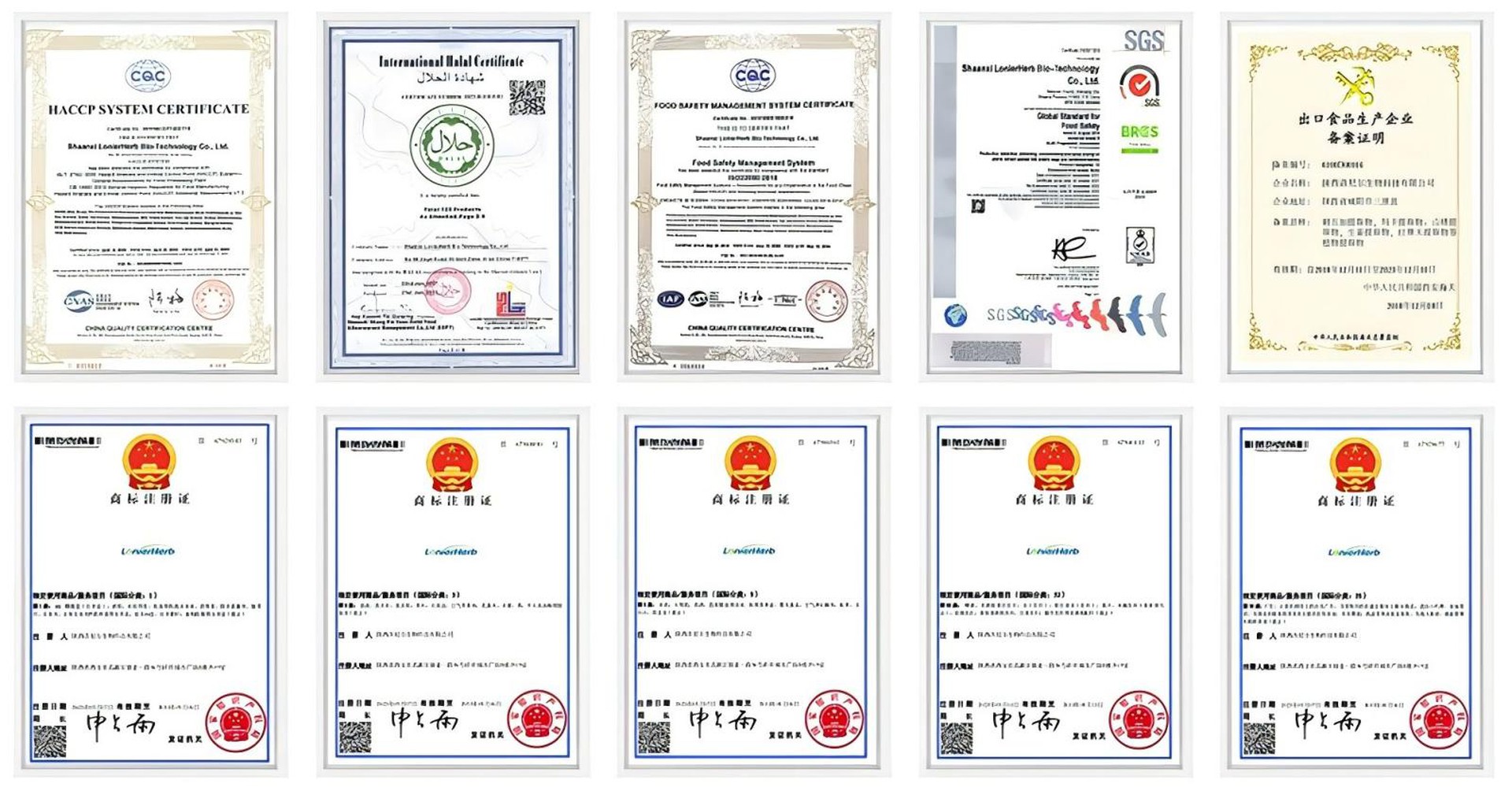
Shaanxi LonierHerb Bio-Technology Co., Ltd. has over 10 years of experience in providing high-quality plant extracts, natural colors, and health supplements. Our modern GMP-certified factory and independent lab ensure every product meets rigorous standards. With certifications like ISO9001, HACCP, and Halal, we deliver safe and reliable solutions for nutritional, pharmaceutical, and cosmetic industries worldwide. LonierHerb‵s products are exported to over 40 countries, and we are committed to customer satisfaction. Contact us at info@lonierherb.com.
References
1. Wang, Y., & Chen, H. (2023). Tranexamic Acid Powder in Surgical Wound Management: A Comprehensive Review of Hemostatic Mechanisms and Clinical Applications. Journal of Surgical Research, 278, 115-129.
2. Roberts, I., & Shakur-Still, H. (2022). Tranexamic Acid for Trauma-Related Bleeding: Current Evidence and Future Directions. The Lancet, 399(10334), 1495-1508.
3. Gómez-Barrena, E., & Martínez-Diez, J. M. (2023). Efficacy of Topical Tranexamic Acid Powder in Orthopedic Surgery: A Systematic Review of Randomized Controlled Trials. The Journal of Bone and Joint Surgery, 105(8), 723-735.
4. Saito, H., & Matsumoto, K. (2024). Molecular Mechanisms of Tranexamic Acid Powder in Wound Healing: Beyond Hemostasis. International Journal of Molecular Sciences, 25(2), 1052-1068.
5. López-Castejón, G., & Baroja-Mazo, A. (2023). Anti-inflammatory Properties of Tranexamic Acid in Wound Healing: From Bench to Bedside. Frontiers in Immunology, 14, 831642.
6. Chen, W., & Zhang, L. (2024). Chronic Wound Management with Tranexamic Acid Powder: Clinical Outcomes and Patient Satisfaction. Advances in Wound Care, 13(3), 145-157.