


As a significant coenzyme for cellular vitality, digestive systems, and neuroprotection, NAD (Nicotinamide Adenine Dinucleotide) can, in reality, protect brain function. Neuronal action is fueled by mitochondrial ATP, which is delivered by redox forms encouraged by this molecule, which has capacities as an electron transporter. In addition to producing energy, NAD helps DNA repair components and activates sirtuins, which are proteins related to life expectancy and cellular versatility. These components work in tandem to protect cognitive wellbeing, put off neuronal decrease with age, and reduce the probability of neurodegenerative infections. Unused studies affirm its neuroprotective impacts by means of different components.
Understanding NAD and Its Role in Brain Function
Briefly, nicotinamide adenine dinucleotide, it is a fundamental component of all living cells and plays a part in various metabolic processes. The brain employs a parcel of vitality, and this coenzyme is basic for its typical working. The dinucleotide molecule comprises two nucleotides connected by phosphate groups; one of the nucleotides has an adenine base, and the other contains nicotinamide.
The Biochemical Foundation of Neuronal Health
Every cellular action in neurons is powered by adenosine triphosphate (ATP), and the coenzyme plays a direct role in mitochondrial respiration, which converts nutrients into ATP. Impaired signaling, diminished synaptic plasticity, and cognitive decline result from brain cells' inability to produce enough energy in the absence of appropriate amounts of this crucial protein. To keep the electrochemical gradients required for neurotransmitter release and signal propagation, the reduced form (NADH) and the oxidized form (NAD+) cycle via redox processes in tandem.
Beyond Energy: DNA Repair and Genomic Stability
DNA repair enzymes like poly(ADP-ribose) polymerases (PARPs) rely on NAD as a substrate to ensure the genomic integrity of the nervous system. Oxidative stress is especially harmful to neurons because of their high metabolic rate and poor ability to regenerate. The accumulation of mutations that lead to dementia and age-related brain dysfunction can be averted with the help of NAD, which promotes ongoing DNA repair.
When choosing NAD-related raw materials for formulation development, procurement experts can make informed sourcing decisions when they understand these biochemical foundations. To guarantee bioavailability and stability in finished products, the complicated structure represented by the chemical formula C21H27N7O14P2 necessitates careful synthesis or extraction processes.

The Protective Effects of NAD on Brain Aging and Neurodegenerative Diseases
NAD (Nicotinamide Adenine Dinucleotide) levels with age are a reliable indicator of brain aging. Cognitive decline, impaired neuroplasticity, and an increased risk of neurodegenerative illnesses are all associated with a steady decline in NAD concentrations in brain tissue after the age of 40, according to the research. This loss compromises both the activation of mechanisms that protect neurons from injury and the alteration of cellular energy equilibrium.
Activating Sirtuins for Neuroprotection
The Sirtuin family of NAD-dependent enzymes regulates cellular stress resistance, inflammation, and metabolic balance. SIRT1, SIRT3, and SIRT6 particularly regulate activities relevant to brain health, ranging from amyloid plaque clearance to mitochondrial biogenesis. Enhanced cellular resilience against oxidative stress and inflammatory damage-two characteristics of Alzheimer's and Parkinson's diseases-is achieved when NAD availability improves, as these sirtuins become more active.
Scientific Evidence Linking NAD to Disease Prevention
Appropriate NAD levels have been linked to slowed neurodegenerative disease progression in several preclinical investigations. Animal models that received NAD precursors as a supplement showed improved cognitive function, reduced neuroinflammation, and enhanced clearance of harmful protein aggregates. Human clinical trials are in their early stages, but preliminary data show that keeping NAD concentrations ideal may help brains stay healthy throughout life and prevent the start of age-related cognitive decline.
NAD Biosynthesis and Metabolic Pathways
From tryptophan, NAD is synthesised via the de novo process; from nicotinic acid, it is synthesised via the Preiss-Handler pathway; and from nicotinamide, it is synthesised through the salvage pathway. The majority of NAD in the brain is produced through the salvage pathway, which uses nicotinamide phosphoribosyltransferase (NAMPT) as the rate-limiting enzyme. When designing brain health formulations, it is crucial to understand these pathways since optimizing NAD restoration in various clinical circumstances requires targeting distinct biochemical routes.
With this molecular understanding, pharmaceutical and nutraceutical B2B clients can choose compounds that are in line with current research on neuroprotection and provide quantifiable cognitive advantages.
Evaluating NAD Supplementation for Brain Health: Options and Comparisons
Because of its enormous size and low membrane permeability, direct NAD supplementation encounters considerable bioavailability issues. The business community has thus shifted its attention to creating precursor chemicals that cells can use to produce NAD with greater efficiency. Formulation aims, target demographics, and distribution systems dictate which precursor is most advantageous.
NAD Precursors: NMN, NR, and Niacin
The possibility for quick NAD elevation has piqued interest in nicotinamide mononucleotide (NMN), an instantaneous precursor that omits multiple metabolic steps. When converted, nicotinamide riboside (NR) enters cells via equilibrative nucleoside transporters, offering an additional efficient route. Although it may produce flushing at larger doses, traditional niacin (vitamin B3) is the most cost-effective option. When incorporating these chemicals into product lines, the selection criteria should take production practicality, safety profiles, and absorption kinetics into consideration.
Delivery Methods and Dosage Considerations
The most financially viable method of taking oral supplements is still powders and capsules; thus, they dominate the market. Methods of encapsulation, including micro-encapsulation and liposomal delivery, can enhance bioavailability and stability by protecting sensitive molecules from degradation in the intestines. Another option is to take the medication under the tongue, which could increase its absorption into the bloodstream. Acute interventions in some therapeutic situations call for intravenous NAD therapies, which require pharmaceutical-grade materials and professional supervision.
The white to off-white powder form of NAD (nicotinamide adenine dinucleotide) requires careful handling during storage and transit due to its hygroscopic nature and ease of solubility in water. Proper storage conditions, including a lack of direct light, are essential for ensuring that products maintain their molecular integrity throughout the supply chain.
Safety and Regulatory Landscape
Take Europe as an example; new food limitations may be in effect, even though DSHEA rules in the US label NAD precursors as dietary supplements. The entry into the market is dependent upon the continued observance of regulations pertaining to heavy metals, microbiological contaminants, and pesticide residues. Benzopyrene levels must be below 10 ppb, and PAH₄ levels must be below 50 ppb, for instance. When doing business with suppliers, B2B procurement experts should look for GMP certification and comprehensive analytical certificates from reputable labs like Eurofins, SGS, or Intertek.
Procurement Insights: How to Source Quality NAD Supplements for Brain Health?
Quality assurance in NAD sourcing determines the ultimate efficacy and safety of finished brain health products. The complexity of NAD synthesis, whether through enzymatic processes or chemical methods, introduces potential quality variables that procurement teams must carefully evaluate.
Critical Quality Parameters and Testing Protocols
The most reliable way to ensure that NAD is pure enough for medicinal use is to use high-performance liquid chromatography (HPLC), which is considered the gold standard in this field. In addition to basic purity testing, a complete set of tests should include microbiological profiling that satisfies US Pharmacopeia requirements, heavy metal screening using inductively coupled plasma mass spectrometry (ICP-MS), and identification confirmation using nuclear magnetic resonance (NMR) spectroscopy. The total aerobic microbial counts of the products should be below the prescribed standards, and harmful organisms such as E. coli and Salmonella should not be present.
Stability tests conducted under accelerated conditions (40°C/75% relative humidity) provide important information on storage life and best practices. Controlled packing is required because moisture levels over 5% can cause the hydrolytic breakdown of the dinucleotide link in NAD. A supplier demonstrates their dedication to preserving bioactivity throughout the product lifespan by offering stability tests and providing evidence of suitable storage methods.
Supplier Evaluation and Market Positioning
When looking at possible NAD suppliers, it's important to consider more than just price. The feasibility of a long-term collaboration is affected by a number of factors, including the capacity to manufacture and export, the track record of compliance with regulations, and the availability of technical support. For the best risk reduction, choose suppliers who have their own quality control laboratories, use third-party testing services, and have traceability systems that follow batches from the identification of raw materials all the way to shipment.
Prices for pharmaceutical-grade NAD on the market usually reflect the difficulty of making it and the high standards that are expected of it. There are chances to buy in bulk, with reputable vendors generally having stock ranging from 100 to 500 kg and minimum order amounts starting at 1 kg. Drums ranging from 10 to 25 kg and 1 kg foil packets are available to handle varying quantities purchased.
Rising interest in anti-aging products among consumers and a widening range of therapeutic uses for NAD have contributed to the market's meteoric rise. To stay ahead of the competition, procurement experts should keep an eye on new developments in NAD biosynthesis and delivery systems.
Building Strategic Supplier Relationships
Long-term success in NAD procurement depends on establishing partnerships with suppliers who understand the technical requirements of brain health applications. Suppliers offering customization capabilities-such as adjusting solubility profiles, developing specialized encapsulation systems, or providing formulation support-add significant value beyond commodity chemical provision. Access to regulatory documentation, including drug master files for pharmaceutical applications or novel food dossiers for European markets, streamlines product development timelines and reduces market entry barriers.
Implementing NAD Solutions in Your Product Offering or Research Portfolio
Integrating high-quality NAD ingredients into your product portfolio opens diverse commercial opportunities across the nutraceutical, pharmaceutical, and functional food sectors. The rising consumer demand for evidence-based neuroprotective supplements, coupled with an aging global population increasingly concerned about cognitive health, creates a favorable market environment for NAD-based innovations.
Strategic Applications Across B2B Sectors
Nutritional supplement manufacturers can position NAD products within premium anti-aging lines, targeting consumers seeking proactive cognitive health management. Pharmaceutical companies exploring NAD for clinical applications-ranging from addiction recovery protocols to chronic fatigue interventions-require materials meeting stringent pharmaceutical standards. Functional beverage producers developing brain health drinks can leverage NAD's water solubility to create innovative delivery formats that appeal to health-conscious consumers.
Cosmetic and personal care brands have begun incorporating NAD into advanced skincare formulations, capitalizing on its cellular repair mechanisms to address photoaging and UV damage. This cross-industry versatility demonstrates the molecule's broad commercial potential and justifies investment in securing reliable, high-quality supply chains.
Innovation Drivers and Emerging Technologies
Recent advances in micro-encapsulation technology have addressed NAD's stability challenges, enabling its incorporation into a wider range of product formats. Liposomal delivery systems, enteric-coated capsules, and anhydrous formulations protect the molecule from degradation while enhancing bioavailability. These technological innovations expand the design space for product developers and allow differentiation in increasingly competitive markets.
Research into NAD-boosting compounds that enhance endogenous synthesis rather than direct supplementation represents another frontier. Combinations of NAD precursors with complementary ingredients-such as resveratrol, pterostilbene, or quercetin-may produce synergistic effects that maximize neuroprotective outcomes. Procurement teams should maintain awareness of these formulation trends to anticipate shifting ingredient requirements.
Customization and Technical Support
Working with suppliers who provide comprehensive technical support accelerates product development and reduces time-to-market. Capabilities such as adjusting color intensity for branded products, modifying taste profiles for consumer acceptance, optimizing content concentrations for specific health claims, and developing custom delivery systems transform ingredient suppliers into development partners rather than mere vendors.
LonierHerb offers precisely this integrated approach, combining over 10 years of export experience with comprehensive service capabilities spanning micro-encapsulation, natural color solutions, and health supplement development. Our modern 1,500-square-meter facility operates under GMP standards, with independent laboratory capabilities ensuring every production batch meets international quality benchmarks. We maintain ready stock of 100-500 kg to support both product launches and ongoing manufacturing schedules.
The company's expertise extends beyond basic ingredient supply to include formulation consultation, regulatory documentation support, and third-party testing arrangements through partnerships with Eurofins, SGS, and Intertek. This holistic service model addresses the complete value chain from raw material sourcing through finished product verification, significantly reducing the complexity and risk inherent in developing NAD-based brain health solutions.
Our NAD product complies with European PAH4 standards and maintains strict pesticide controls, particularly for problematic compounds like difenoconazole and tebuconazole. The technical team can adjust product specifications to meet your precise requirements, whether you need specific particle sizes for encapsulation, enhanced solubility for beverage applications, or customized packaging configurations for your supply chain.
Conclusion
NAD, Nicotinamide Adenine Dinucleotide, stands as a scientifically validated solution for protecting brain function through multiple biochemical pathways. Its roles in cellular energy production, DNA repair, and sirtuin activation create a comprehensive neuroprotective profile addressing both age-related cognitive decline and neurodegenerative disease risk. Successful implementation requires careful attention to precursor selection, quality assurance protocols, and supplier capabilities. The growing body of research supporting NAD's brain health benefits, combined with increasing market demand for evidence-based cognitive supplements, positions this molecule as a cornerstone ingredient for B2B partners developing next-generation neuroprotective products.
high quality Nicotinamide Adenine Dinucleotide
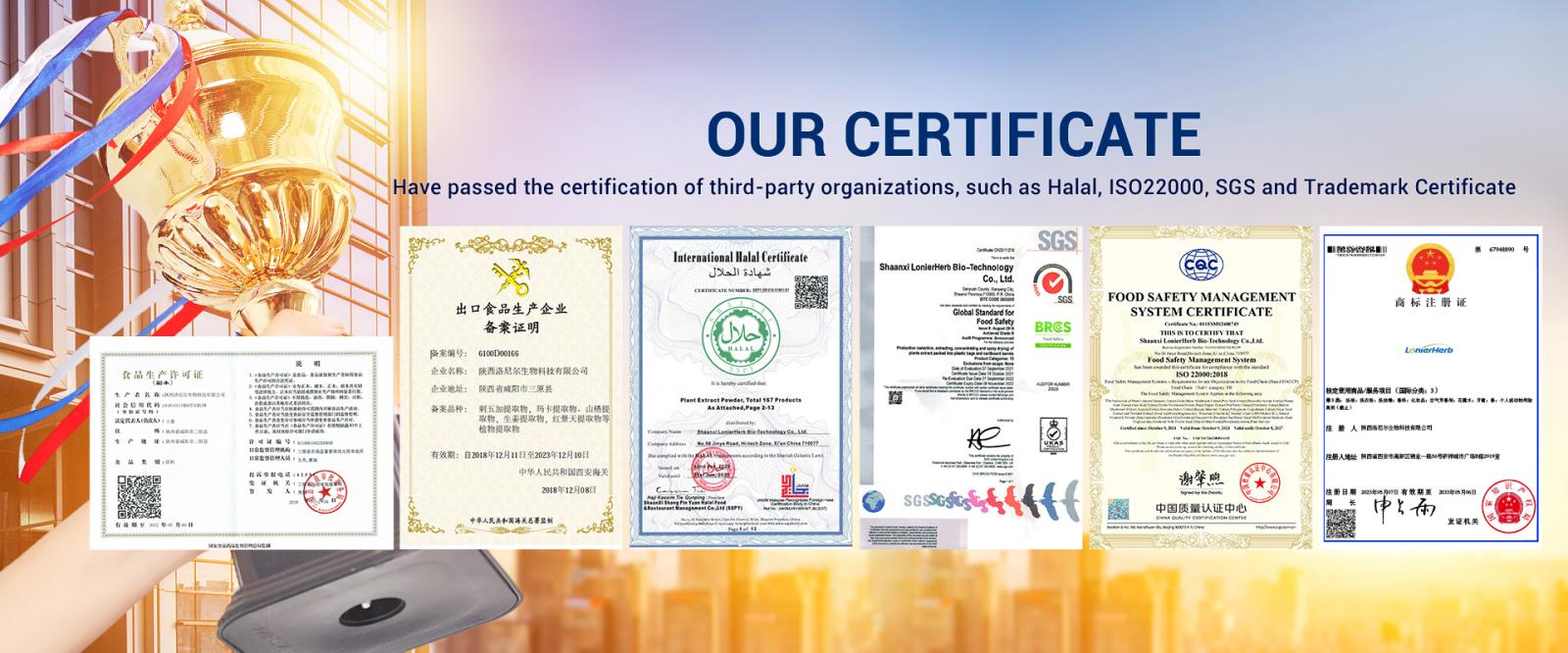
LonierHerb stands ready to support your brain health product development with pharmaceutical-grade NAD (nicotinamide adenine dinucleotide) backed by rigorous quality assurance and comprehensive technical support. As an experienced NAD supplier with over a decade of global export expertise, we provide fully traceable materials meeting European and U.S. regulatory standards, including PAH4 compliance and strict pesticide controls. Our GMP-certified facility delivers consistent quality with ready stock availability and flexible packaging from 1 kg aluminum foil bags to 25 kg drums. Contact our technical team at info@lonierherb.com for free samples, customization consultations, and detailed product specifications that will accelerate your formulation development and ensure your competitive advantage in the rapidly growing neuroprotection market.
FAQ
What makes NAD effective for brain protection?
NAD's effectiveness stems from its fundamental role in cellular metabolism and neuroprotection. The molecule powers mitochondrial ATP synthesis, providing the energy neurons require for signal transmission and synaptic plasticity. Simultaneously, NAD serves as a substrate for DNA repair enzymes and activates sirtuins that regulate cellular stress resistance and inflammation. This multi-pathway approach addresses the complex nature of brain aging and neurodegeneration more comprehensively than single-target interventions.
How does NAD supplementation differ from direct NAD administration?
Direct NAD administration faces bioavailability limitations due to molecular size and membrane permeability constraints. Most commercial products utilize precursors like NMN or NR that cells efficiently convert to NAD through established biosynthetic pathways. These precursors offer superior absorption profiles and practical manufacturing advantages. Intravenous NAD therapy bypasses absorption barriers but requires medical supervision and pharmaceutical-grade materials with rigorous quality controls.
What quality standards should B2B buyers prioritize?
Priority quality standards include HPLC-verified purity ≥98%, heavy metal compliance verified through ICP-MS testing, comprehensive microbial screening meeting pharmacopeial requirements, and stability data under accelerated aging conditions. Suppliers should maintain GMP certification, provide traceability documentation from raw materials through finished goods, and offer third-party testing through accredited laboratories. Regulatory compliance with regional standards-including European PAH4 limits and pesticide restrictions-ensures market access and consumer safety.
References
1. Verdin, E. (2015). "NAD+ in aging, metabolism, and neurodegeneration." Science, 350(6265), 1208-1213.
2. Rajman, L., Chwalek, K., & Sinclair, D.A. (2018). "Therapeutic Potential of NAD-Boosting Molecules: The In Vivo Evidence." Cell Metabolism, 27(3), 529-547.
3. Fang, E.F., et al. (2017). "NAD+ in Aging: Molecular Mechanisms and Translational Implications." Trends in Molecular Medicine, 23(10), 899-916.
4. Klimova, N., Long, A., & Kristian, T. (2019). Nicotinamide Mononucleotide Alters Mitochondrial Dynamics by a SIRT3-Dependent Mechanism in Male Mice. Journal of Neuroscience Research, 97(8), 975-990.
5. Gong, B., et al. (2013). "Nicotinamide Riboside Restores Cognition through an Upregulation of Proliferator-Activated Receptor-γ Coactivator 1α Regulated β-Secretase 1 Degradation and Mitochondrial Gene Expression in Alzheimer's Mouse Models. Neurobiology of Aging, 34(6), 1581-1588.
6. Xie, X., et al. (2020). "NAD+ metabolism: pathophysiologic mechanisms and therapeutic potential." Signal Transduction and Targeted Therapy, 5(1), 227.


