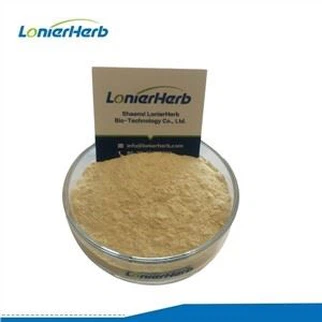
Vitamin K2 MK7 plays a significant role in osteoporosis prevention. This bioactive nutrient activates osteocalcin, a protein essential for binding calcium into the bone matrix, thereby enhancing bone mineral density and structural integrity. Clinical studies demonstrate that consistent supplementation with menaquinone-7 reduces vertebral fracture risk and slows age-related bone deterioration. Unlike vitamin K1, which primarily supports blood clotting, the MK7 variant exhibits superior bioavailability and a longer half-life, making it uniquely effective for sustained bone health support in both preventive and therapeutic contexts.
Understanding Vitamin K2 MK7 and Its Role in Bone Health
A variant of menaquinones known as vitamin K2 MK-7 stands out due to its superior absorption profile and prolonged biological activity. Vitamin K4 has its uses, but the MK7 version has a far longer half-life in the blood, enabling it to activate calcium-regulating proteins all over the body nonstop for around 72 hours. Those dealing with osteopenia or osteoporosis will benefit greatly from the more constant therapeutic effects that result from this prolonged presence.
The Biochemical Mechanism Behind Bone Strengthening
The cellular enzyme gamma-glutamyl carboxylase activates osteocalcin, and menaquinone-7 is an essential cofactor for this enzyme. A weaker bone structure and an increased susceptibility to fractures are the results of uncarboxylated osteocalcin's ineffective calcium binding. Osteocalcin is converted into its active form through carboxylation when there is a sufficient supply of vitamin K₂ MK₇. This process redirects dietary calcium from soft tissues to bone deposits.
The activation of matrix Gla-proteins (MGPs) is another important route. MGP promotes cardiovascular and skeletal health by preventing calcium deposits in artery walls and soft tissues. This dual-action mechanism offers attractive value propositions for end consumers seeking comprehensive wellness solutions and for procurement experts sourcing ingredients for bone health formulations.
Bioavailability Advantages Over Other Vitamin K Forms
When looking at the various menaquinone subtypes, research indicates that MK7 is superior to MK4 in terms of maintaining therapeutic blood concentrations at lower dosages. Vitamin K2 MK7 is 90–180 micrograms daily effective; however, MK4 needs repeated doses of 45 milligrams to produce clinical effects. This dose efficiency is the preferred choice for supplement makers in the bone health industry because it reduces formulation costs and improves customer compliance.
Using high-quality menaquinone-7 powder, which has an all-trans isomeric structure, maximises enzyme binding efficiency. Although they don't have any biological action, laboratory experiments use cis-isomers, which can also be found in lower-grade materials. To ensure that every microgram has a therapeutic impact instead of inflating inert ingredient levels, it is important to insist on HPLC-verified all-trans purity above 98% when evaluating suppliers.

Key Benefits of Vitamin K2 MK7 in Preventing Osteoporosis and Beyond
Beyond its primary application in skeletal health, menaquinone-7 delivers multidimensional wellness benefits that enhance product positioning across diverse health categories. Understanding these extended advantages allows procurement teams to identify cross-application opportunities and develop more competitive product portfolios.
Enhanced Bone Microarchitecture and Fracture Risk Reduction
Vitamin K2 MK7 supplementation at 180 micrograms daily considerably increases bone mineral density in the lumbar vertebrae and femoral neck areas, according to three-year clinical trials that included postmenopausal women. These areas are clinically significant because they are typical fracture sites in osteoporotic populations. Vertebral fracture rates were 60% lower in the menaquinone-7 group compared to the placebo group, lending credence to the idea that preventative measures should be implemented.
Menaquinone-7 enhances mineral density, trabecular connectivity, and cortical thickness, according to osteoarthritis microarchitecture evaluation using high-resolution peripheral quantitative computed tomography. Bones with these structural improvements are less likely to fracture than those with density measurements alone because they are better equipped to resist mechanical stress.
Cardiovascular Protection Through Arterial Decalcification
By activating MGP in artery walls, vitamin K2 MK7 supplements can prevent and even reverse vascular calcification. After three years of using menaquinone-7, there is a noticeable decrease in coronary artery calcium scores, which are a predictor of cardiovascular events. Thanks to its cardiovascular dimension, vitamin K2 MK7 becomes a foundational element that tackles numerous systems at once, making it ideal for formulators working on holistic, healthy ageing products.
Menaquinone-7 enhances vascular elasticity, which in turn reduces pulse wave velocity and supports appropriate blood pressure regulation, according to arterial flexibility measures. Populations dealing with various age-related health issues can benefit from the synergistic consequences created by these effects, which enhance bone health.
Additional Health Applications Across Demographics
Beyond simple concentration measurements, there are a number of technical factors to consider when choosing menaquinone-7 raw materials. Although dosing regimens necessitate meticulous clinical supervision, pregnant women who supplement with menaquinone-7 demonstrate an increase in the mineral content of their newborns' bones. Vegan options that are both effective and match ethical sourcing preferences are available in formulations that include fermentation-derived MK7 from Bacillus subtilis natto.
At nutritious quantities, vitamin K2 MK7 does not interact with anticoagulant drugs; however, people on warfarin should be careful to follow their doctors' orders and not skip doses.
Choosing the Right Vitamin K2 MK7 Supplement for B2B Procurement
Beyond simple concentration measurements, there are a number of technical factors to consider when choosing menaquinone-7 raw materials. Knowing how various manufacturing processes and formulation approaches affect the performance of the final product can help procurement professionals balance cost limitations with quality needs.
Natural Fermentation Versus Synthetic Production Methods
The fermentation of Bacillus subtilis, the same microbes that make traditional natto, is the source of natural menaquinone-7. This approach is attractive to those who prefer products with clean labels and look for "natural" labels on store displays. Achieving all-trans purity levels of 98 to 99.5% is usual for fermentation-derived vitamin K2 MK7, and controlled cultivation settings ensure batch-to-batch uniformity.
Advantages in scalability and isomeric control are offered by synthetic menaquinone-7, which typically achieves all-trans purity above 99.7 per cent. To differentiate themselves in the market, nutritional supplement manufacturers may highlight the fermentation origins of their products, while pharmaceutical applications that demand absolute uniformity typically mention synthetic sources. Both methods of manufacture produce chemically similar menaquinone-7 molecules after proper refining, so the decision is based on placement in the target market rather than differences in inherent efficacy.
Powder Grades and Stability Considerations
There are many concentration grades of vitamin K2 MK7 powder available, ranging from highly concentrated crystalline material with a potency of 98% to forms that have been diluted with carrier substances, such as microcrystalline cellulose or maltodextrin, ranging from 0.1 to 1.3%. Careful handling is essential when working with highly concentrated powders to avoid oxidative degradation, but this reduces the dosage quantities that are required. Menaquinone-7's light-sensitive quinone structures require opaque or amber packaging to prevent manufacturing-related UV exposure.
Even in harsh formulation conditions, the microencapsulation technique greatly increases stability. When mixed with alkaline minerals such as magnesium oxide or calcium carbonate, standard vitamin K2 MK7 powder quickly deteriorates, losing more than 40% of its efficacy in just six months. Microencapsulated versions use protective lipid or polysaccharide matrices to retain more than 90% under the same conditions, which allows for more formulation flexibility and longer shelf life, which justifies the extra price.
Strategic Supplier Evaluation Criteria
Procurement teams looking for menaquinone-7 should prefer companies that have quality standards in place that go beyond just supplying ingredients. Value is best provided by suppliers who go above and beyond by giving integrated services such as stability testing techniques, formulation compatibility assistance, and regulatory documentation help. Validation of stated requirements and credibility in regulated markets are achieved through third-party testing certificates issued by laboratories like Eurofins, SGS, or Intertek.
The accreditations of production facilities are crucial. ISO 22000 food safety management shows systematic hazard control, whereas Good Production Practice certification guarantees consistent production processes. To address quality problems quickly and meet the increasingly demanding standards of retailers, suppliers are implementing batch traceability systems that trace the origins of completed goods all the way back to the raw materials. Lonier helps procurement teams navigate complicated regulatory environments by maintaining thorough certifications and direct relationships with recognised testing facilities.
Strategic Procurement Tips: How to Secure Quality Vitamin K2 MK7 Products
To ensure regulatory compliance, optimise costs, and build a resilient supply chain, effective menaquinone-7 procurement involves more than just finding matching specs. To ensure supplier continuity and long-term partnership value, sophisticated procurement techniques balance short-term cost considerations.
Volume Purchasing and Contract Negotiation Approaches
In the event of a market scarcity, bulk purchasing agreements ensure allocation of supplies while unlocking substantial per-unit cost reductions. You can save 15 to 25% compared to buying on the spot when you sign an annual contract that specifies a minimum order quantity. Vitamin K2 MK7 powder, in particular, necessitates controlled temperature and humidity settings, so purchasers should weigh the benefits of savings against the costs of storage and capital tie-up.
When buyers show they know what they're talking about technically and have established quality standards, it gives them more influence in negotiations. By outlining appropriate stability testing techniques, all-trans isomeric purity limits, and necessary paperwork, you may build professional credibility, which suppliers will respect. To hedge against market fluctuations and foster long-term, mutually beneficial partnerships, many companies are opting for multi-year contracts with price modifications linked to raw material indexes.
Direct Manufacturer Engagement Versus Distribution Channels
Benefits of buying menaquinone-7 directly from the manufacturer include the flexibility to personalise the product, access to technical support, and clear pricing. Manufacturers have the option to alter particle sizes, change carrier materials, or create their own stabilisation methods to tackle certain formulation issues. Site audits and a better grasp of the quality system are both made possible through direct relationships, which boosts trust in the reliability of the supply chain.
One way distribution partners help is by reducing wait times through localised inventory, fewer minimum order quantities, and consolidated delivery. Despite streamlining procurement operations, distributors that handle several ingredient categories boost landing costs through the profit layers they add. Considerations such as purchase volume, need for technical support, and available internal resources for supplier management determine the best channel to use.
Regulatory Compliance Verification for International Markets
Vitamin K2 MK7 powder must be able to pass the identification test, strength verification, and contamination purity requirements set out in 21 CFR Part 111 to be sold in the US. Menaquinone-7 is allowed under specified conditions documented in authorisation dossiers, according to the Novel Foods Regulation (EU) 2015/2283, which imposes additional criteria on European markets. Timelines for product launches and internal compliance tasks are both improved by suppliers who provide pre-compiled regulatory documentation bundles.
Not only should results be stated on Certificates of Analysis, but testing techniques should be as well. You may confirm that isomeric purity measurements distinguish between active all-trans and inactive cis configurations by using HPLC procedures that specify column types, mobile phase compositions, and detection wavelengths. Extensive quality control goes beyond what is required by law, as shown by microbiological testing according to USP procedures and heavy metal analysis by ICP-MS.
Future Outlook: Trends and Innovations in Vitamin K2 MK7 Supplementation
The menaquinone-7 market continues evolving through scientific discovery, consumer preference shifts, and technological innovation. Procurement professionals tracking these developments position their organisations to capitalise on emerging opportunities while maintaining product relevance in competitive markets.
Emerging Research Expanding Application Horizons
Recent investigations explore the effects of vitamin K2 MK7 on cognitive health, with preliminary studies suggesting menaquinone-7 protects against neurological inflammation and supports myelin sheath integrity. While definitive conclusions require additional research, these findings indicate potential expansion into brain health product categories. Oncology research examining menaquinone-7 effects on cancer cell proliferation presents another frontier, though clinical applications remain years away from mainstream adoption.
Personalised nutrition approaches increasingly consider vitamin K status biomarkers when recommending supplementation protocols. Uncarboxylated osteocalcin testing allows identification of individuals most likely to benefit from menaquinone-7 supplementation, enabling targeted marketing strategies and improving outcome measurements in clinical settings.
Sustainability and Ethical Sourcing Priorities
Consumer demand for environmentally responsible ingredients drives innovation in menaquinone-7 production. Fermentation processes utilising agricultural waste streams as nutrient sources reduce environmental impact while maintaining product purity. Organic certification for fermentation substrates appeals to premium market segments willing to pay premiums for verified sustainable practices.
Transparent supply chain documentation, including carbon footprint calculations and water usage metrics, increasingly influences purchasing decisions among environmentally conscious brands. Suppliers investing in sustainability reporting infrastructure differentiate themselves in crowded ingredient markets and align with corporate social responsibility initiatives prevalent among leading supplement manufacturers.
Advanced Delivery Systems Enhancing Bioavailability
Liposomal encapsulation technology represents a significant advancement in menaquinone-7 bioavailability. Phospholipid vesicles protect vitamin K₂ MK7 during digestion while facilitating cellular uptake, potentially increasing absorption rates by 200 to 300% compared to standard powder forms. Though production costs currently limit liposomal formats to premium product tiers, scaling production may democratise access within five years.
Combination formulas integrating Vitamin K2 MK7 with synergistic nutrients like vitamin D3, calcium, and magnesium dominate bone health categories. Advanced formulations employ staged-release technologies that separate alkaline minerals from menaquinone-7 during initial dissolution phases, preventing degradation while maintaining single-dose convenience. These innovations command premium pricing while delivering measurable stability improvements that reduce formulation overage requirements.
Conclusion
Vitamin K2 MK7 delivers evidence-backed osteoporosis prevention through mechanisms that enhance bone mineral density, improve microarchitecture, and reduce fracture risk. Its extended biological half-life and superior bioavailability position menaquinone-7 as the preferred vitamin K₂ form for bone health applications. Beyond skeletal benefits, cardiovascular protection through arterial decalcification provides additional value that supports comprehensive healthy ageing formulations. Procurement professionals sourcing high-quality menaquinone-7 must check isomeric purity, stability characteristics, and supplier quality systems to ensure product efficacy and regulatory compliance. The evolving landscape of vitamin K2 research and sustainable production methods presents ongoing opportunities for innovation and market differentiation.
high quality Vitamin K2 MK7

Lonier stands as your trusted vitamin K2 MK7 supplier, delivering pharmaceutical-grade menaquinone-7 powder backed by comprehensive quality assurance and technical support. Our Xi'an-based manufacturing facility maintains GMP standards throughout production, from raw material verification through final product release. Each batch undergoes rigorous HPLC testing confirming all-trans isomeric purity exceeding 98%, with certificates of analysis from Eurofins, SGS, and Intertek available upon request. We offer multiple vitamin K2 MK7 concentrations, including microencapsulated variants designed for stability in multi-mineral formulations.
Our integrated service capabilities extend beyond ingredient supply to include formulation development support, stability testing protocols, and regulatory documentation assistance for markets spanning Europe, the United States, and Australia. With over ten years of export experience serving nutritional supplement manufacturers, pharmaceutical companies, and functional food producers, we understand the technical requirements and compliance expectations defining successful product launches. Whether you require standard fermentation-derived menaquinone-7 or customised specifications addressing unique formulation challenges, our technical team provides responsive collaboration throughout your development process.
Contact Lonier at info@lonierherb.com to discuss your vitamin K2 MK7 procurement requirements. We welcome enquiries regarding bulk pricing, sample requests, and technical consultations addressing your specific bone health product objectives. Partner with a manufacturer committed to quality, transparency, and customer success.
FAQ
What daily dosage of vitamin K2 MK-7 effectively prevents osteoporosis?
Clinical evidence supports 90 to 180 micrograms daily as the effective range for bone health maintenance. Individuals with diagnosed osteoporosis or elevated fracture risk may benefit from dosages toward the higher end of this spectrum. Consistency matters more than precise dosage, as menaquinone-7 requires weeks to months of regular intake to saturate tissue stores and optimise osteocalcin carboxylation rates.
Does vitamin K2 MK7 interact with blood-thinning medications?
Nutritional dosages of menaquinone-7 do not significantly interfere with warfarin or other anticoagulants when intake remains consistent. However, abrupt changes in vitamin K2 consumption can affect INR measurements. Patients on anticoagulation therapy should consult healthcare providers before starting supplementation and maintain steady daily intake patterns.
Can vitamin K2 MK7 be safely combined with calcium and vitamin D3?
Combination formulations represent the gold standard for bone health supplementation. Vitamin D3 enhances calcium absorption, while vitamin K2 MK7 directs absorbed calcium into skeletal tissue rather than soft tissues. These nutrients function synergistically, with studies demonstrating superior outcomes from combined supplementation compared to individual nutrients. Microencapsulated menaquinone-7 prevents degradation when formulated with alkaline calcium salts.
References
1. Knapen MHJ, Drummen NE, Smit E, Vermeer C, Theuwissen E. "Three-year low-dose menaquinone-7 supplementation helps decrease bone loss in healthy postmenopausal women." Osteoporosis International 24.9 (2013): 2499-2507.
2. Gast GC, de Roos NM, Sluijs I, Bots ML, Beulens JW, Geleijnse JM, Witteman JC, Grobbee DE, Peeters PH, van der Schouw YT. "A high menaquinone intake reduces the incidence of coronary heart disease." Nutrition, Metabolism and Cardiovascular Diseases 19.7 (2009): 504-510.
3. Beulens JW, Booth SL, van den Heuvel EG, Stoecklin E, Baka A, Vermeer C. "The role of menaquinones (vitamin K2) in human health." British Journal of Nutrition 110.8 (2013): 1357-1368.
4. Schurgers LJ, Teunissen KJ, Hamulyák K, Knapen MH, Vik H, Vermeer C. "Vitamin K-containing dietary supplements: comparison of synthetic vitamin K1 and natto-derived menaquinone-7." Blood 109.8 (2007): 3279-3283.
5. Iwamoto J, Takeda T, Sato Y. "Role of vitamin K2 in the treatment of postmenopausal osteoporosis." Current Drug Safety 1.1 (2006): 87-97.
6. Westenfeld R, Krueger T, Schlieper G, Cranenburg EC, Magdeleyns EJ, Heidenreich S, Holzmann S, Vermeer C, Jahnen-Dechent W, Ketteler M, Floege J, Schurgers LJ. "Effect of vitamin K₂ supplementation on functional vitamin K deficiency in haemodialysis patients: a randomised trial. "American Journal of Kidney Diseases 59.2 (2012): 186-195.