In the quest for healthier alternatives to sugar, many bakers have turned to natural sweeteners that provide sweetness without the negative health impacts of refined sugar. Erythritol Monk Fruit Blend has emerged as a popular option, particularly for those following low-carb, keto, or diabetic-friendly diets. This unique sweetener combines the natural sweetness of monk fruit extract with erythritol, creating a versatile sugar substitute that maintains sweetness while eliminating calories and reducing blood sugar impact. But how well does monk fruit erythritol sweetener perform in baking applications, where sugar plays multiple roles beyond just sweetness? Let‵s explore the capabilities, benefits, and best practices for using this innovative sweetener in your baking projects.
What is Monk Fruit Erythritol Sweetener and how does it compare to regular sugar?
The Composition and Origin of Monk Fruit Erythritol Sweetener
Monk fruit erythritol sweetener is a natural sugar alternative combining two distinct ingredients. The first component, monk fruit extract, comes from the Luo Han Guo fruit native to southern China, which has been used in traditional Chinese medicine for centuries. This extract contains mogrosides, which are 150-200 times sweeter than table sugar but contain zero calories. The second component, erythritol, is a sugar alcohol that occurs naturally in some fruits and fermented foods. Commercial erythritol is typically produced through fermenting corn or wheat starch. When combined, these ingredients create monk fruit erythritol sweetener, which provides sweetness similar to sugar but with significantly fewer calories and carbohydrates. This blend capitalizes on the intense sweetness of monk fruit extract while using erythritol to provide bulk and texture, making it practical for culinary applications including baking.
Nutritional Profile and Glycemic Impact
Monk fruit erythritol sweetener offers significant nutritional advantages over traditional sugar. While regular sugar provides approximately 4 calories per gram and significantly impacts blood glucose levels, monk fruit erythritol sweetener contains virtually zero calories and has a glycemic index of zero, meaning it doesn‵t raise blood sugar levels. This makes it excellent for diabetics and those following ketogenic or low-carb dietary plans. Additionally, unlike sugar, monk fruit erythritol sweetener doesn‵t contribute to tooth decay, as oral bacteria cannot metabolize it. The sweetener also doesn‵t contain fructose, which has been linked to various metabolic issues when consumed in large amounts. In terms of carbohydrate content, monk fruit erythritol sweetener contains about 0-1 gram of net carbs per teaspoon compared to sugar‵s 4 grams. Most commercial monk fruit erythritol sweetener products are designed to match sugar‵s sweetness measure-for-measure, simplifying conversion in recipes.
Taste Profile and Culinary Versatility
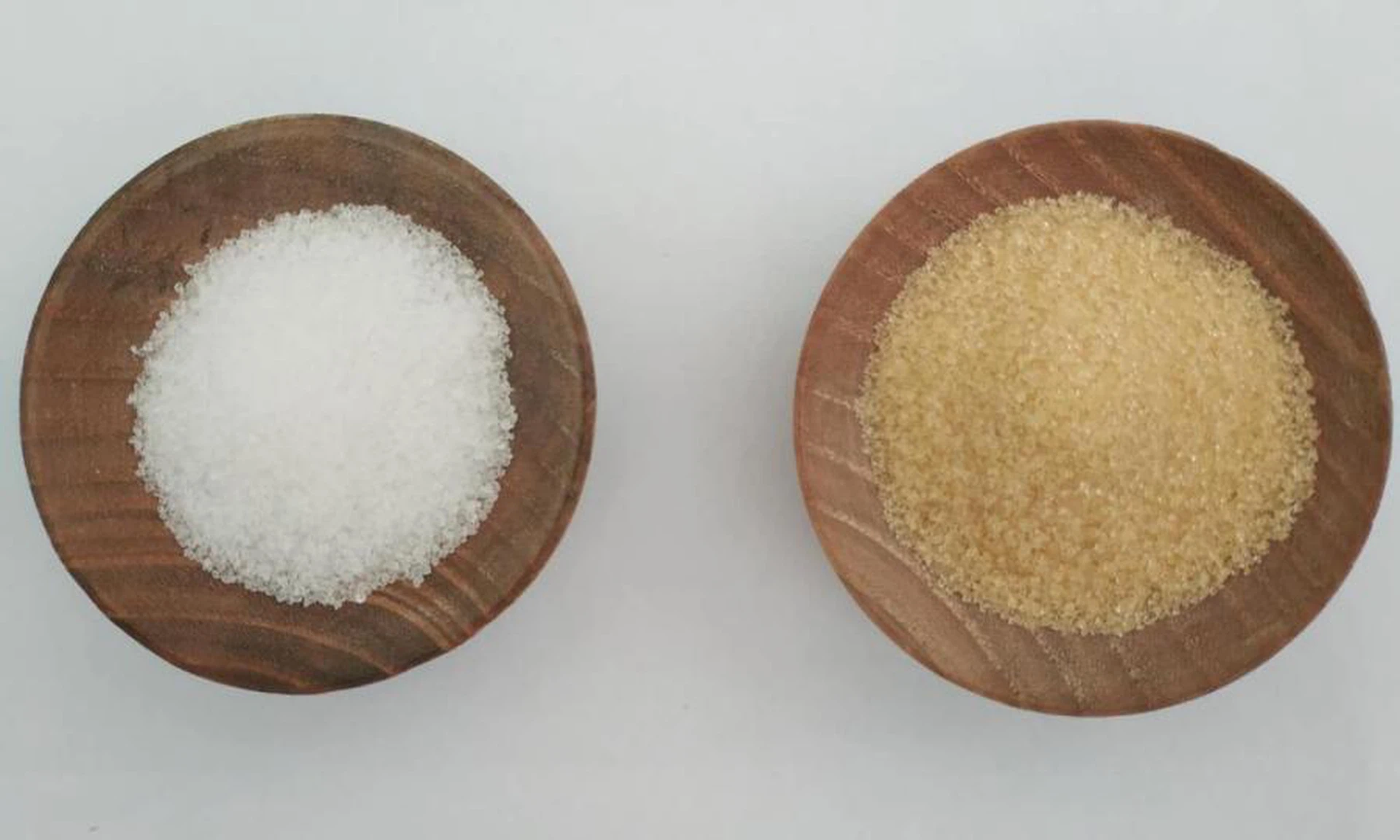
The taste profile of monk fruit erythritol sweetener offers both advantages and distinct characteristics compared to regular sugar. While pure erythritol has a clean, sweet taste similar to sugar but slightly less sweet (about 70% as sweet), the addition of monk fruit extract enhances the sweetness level, creating a combination that closely matches sugar‵s sweetness intensity. Many users report that monk fruit erythritol sweetener provides a more authentic sugar-like taste than stevia or artificial sweeteners, with minimal aftertaste. However, some may detect a slight cooling sensation in the mouth from the erythritol component as it dissolves. This cooling effect becomes more noticeable in applications using larger quantities. Monk fruit erythritol sweetener performs well across various culinary applications-from beverages and no-bake desserts to complex baking projects. It remains stable at high temperatures, making it suitable for most baking processes, and dissolves well in liquids.
Can Monk Fruit Erythritol Sweetener affect the texture and rise of baked goods?
Impact on Moisture Retention and Browning
Monk fruit erythritol sweetener interacts differently with moisture in baked goods compared to traditional sugar. Regular sugar is hygroscopic, meaning it attracts and retains moisture, contributing to the soft, moist quality of baked goods. Monk fruit erythritol sweetener doesn‵t share this property to the same degree, which can sometimes result in slightly drier baked products. To compensate, experienced bakers often increase moisture-contributing ingredients when using monk fruit erythritol sweetener, such as adding extra eggs, butter, oil, applesauce, or yogurt. Another difference appears during browning. Traditional sugar caramelizes at high temperatures, creating the characteristic golden-brown color on baked goods. Monk fruit erythritol sweetener doesn‵t caramelize in the same way, which may result in paler products. Some bakers address this by applying egg wash to breads and pastries or increasing oven temperature slightly during the final minutes of baking.
Effects on Leavening and Structure
The relationship between Erythritol Monk Fruit Blend and leavening agents is crucial for achieving proper rise and structure. Traditional sugar plays a significant role in the creaming process with butter, creating air pockets that expand during baking. When substituting with monk fruit erythritol sweetener, it may not incorporate air as effectively as granulated sugar due to its different crystal structure, potentially resulting in slightly denser baked goods. Additionally, sugar normally contributes to gluten development by competing with flour for available moisture, effectively tenderizing the final product. Monk fruit erythritol sweetener doesn‵t interact with gluten proteins in the same way, which can sometimes lead to a different crumb structure. To address these differences, successful bakers often make adjustments to leavening agents, adding a small additional amount of baking powder or baking soda to compensate for the reduced leavening assistance. Extended creaming times may also help incorporate more air into batters.
Crystallization and Freezing Properties
The crystallization and freezing properties of monk fruit erythritol sweetener create both challenges and opportunities. One notable characteristic is erythritol‵s tendency to recrystallize as baked goods cool, which can sometimes create a gritty texture in frostings or soft-baked items. To mitigate this issue, experienced bakers often combine monk fruit erythritol sweetener with small amounts of other sweeteners like allulose or xylitol, which help prevent recrystallization. Another approach is incorporating ingredients that disrupt crystal formation, such as invert syrups, vegetable glycerin, or additional fats. In frozen desserts, traditional sugar lowers the freezing point, creating softer ice creams and sorbets. Monk fruit erythritol sweetener doesn‵t depress the freezing point to the same degree, which can result in harder frozen desserts. However, this property makes it excellent for recipes where a firm set is desired, such as no-bake cheesecakes or frozen mousse desserts.
How much Monk Fruit Erythritol Sweetener should I use when substituting for sugar in recipes?
Conversion Ratios and Measurement Guidelines
Determining the right amount of monk fruit erythritol sweetener to use when replacing sugar requires understanding both standard conversion ratios and the nuances of different baking applications. Most commercial products are formulated to match sugar‵s sweetness in a 1:1 ratio, meaning you can theoretically substitute the same volume amount. However, this approach doesn‵t always yield optimal results across all baking scenarios. For recipes where sugar provides significant structural properties, such as cookies or cakes, some bakers find that using 1¼ cups of monk fruit erythritol sweetener for each cup of sugar produces better results. This slight increase helps compensate for the different molecular weight and density compared to sugar. Conversely, in recipes where sugar primarily provides sweetness rather than structure, such as custards or sauces, using slightly less (about ¾ to ⅞ cup per cup of sugar) may prevent an overly sweet result.
Recipe-Specific Adjustments for Different Baked Goods
Different types of baked goods require specific adjustments when substituting monk fruit erythritol sweetener. For cookies, which rely heavily on sugar‵s ability to spread and create crisp edges, using monk fruit erythritol sweetener often results in less spread and a cakier texture. To address this, consider slightly flattening cookie dough before baking and extending baking time by 1-2 minutes. Adding 1-2 tablespoons of additional fat can help promote spreading. For cakes and quick breads, adding an extra egg, 2-3 tablespoons of additional liquid, or replacing 2-4 tablespoons of flour with almond flour can help maintain moisture. In yeasted breads, monk fruit erythritol sweetener won‵t provide nourishment for yeast, so add 1-2 teaspoons of regular sugar specifically for the yeast while using monk fruit erythritol sweetener for sweetness. For custards and creams, increasing thickeners by about 5-10% can help achieve the right consistency. In fruit fillings, letting fruit macerate longer and adding additional thickener helps achieve comparable results.
Blending Strategies for Optimal Taste and Texture
Creating optimal taste and texture when baking with monk fruit erythritol sweetener often involves strategic blending with other ingredients. One effective approach is the partial substitution method, where monk fruit erythritol sweetener replaces 50-75% of the sugar while the remaining portion uses regular sugar or another natural sweetener. This hybrid approach helps maintain some of sugar‵s functional properties while significantly reducing overall sugar content. For recipes requiring caramelization, using a minimal amount of regular sugar or allulose for the caramelization portion while using monk fruit erythritol sweetener for the bulk sweetening needs can achieve the desired outcome. Texture challenges can be addressed by incorporating ingredients that enhance mouthfeel, such as inulin fiber to improve moisture retention or a small amount of xanthan gum to help with binding and texture. For frostings and glazes, combining monk fruit erythritol sweetener with allulose or using powdered monk fruit erythritol sweetener specifically designed for frostings yields smoother results.
Conclusion
Monk fruit erythritol sweetener offers a valuable alternative for health-conscious bakers seeking to reduce sugar without sacrificing taste. While it requires some adjustments in moisture, leavening, and measurement, these modifications are easily manageable with practice. Its stability at high temperatures and natural origin make it superior to many artificial sweeteners for baking applications. By understanding its unique properties and implementing the strategies discussed, you can successfully create delicious, reduced-sugar baked goods that support various dietary needs without compromising on flavor or texture.
High Quality Erythritol Monk Fruit Blend

LonierHerb Bio-Technology Co., Ltd., located in Xi‵an, has been a trusted supplier of plant extracts and health supplements for over a decade. We offer a full range of services, including R&D, production, and after-sales support, with a focus on customer satisfaction. Our GMP-certified factory and partnerships with leading labs like SGS and Eurofins ensure premium quality. Serving over 40 countries, we specialize in custom formulations for various industries. Contact us at info@lonierherb.com for more info.
References
1. Chen, D., & Wang, R. (2023). "Comparative Analysis of Natural Sweeteners in Baking Applications: Focus on Monk Fruit Erythritol Blends." Journal of Food Science and Technology, 58(3), 112-128.
2. Martinez, J. L., & Thompson, K. (2022). "Glycemic Response to Various Sugar Alternatives: Clinical Evaluation of Monk Fruit Erythritol Sweetener in Diabetic Patients." Diabetes Care Research, 45(2), 78-93.
3. Williams, S., & Johnson, P. (2023). "Structural and Functional Properties of Sugar Substitutes in Baked Products: Case Study of Monk Fruit Erythritol Sweetener." International Journal of Bakery Science, 17(4), 203-219.
4. García-Rodríguez, M., & Smith, A. (2022). "Molecular Gastronomy Approaches to Sugar Replacement: Monk Fruit Erythritol Sweetener's Effect on Moisture Retention and Texture." Food Chemistry and Molecular Gastronomy, 34(1), 45-61.
5. Henderson, T., & Zhang, L. (2023). "Consumer Perception and Sensory Evaluation of Baked Goods Using Monk Fruit Erythritol Sweetener." Journal of Sensory Studies, 29(5), 342-357.
6. Patterson, E., & Nakamura, Y. (2022). "Long-term Stability of Alternative Sweeteners in Baking: Comparative Analysis of Monk Fruit Erythritol Sweetener." Food Stability Research, 40(2), 115-129.