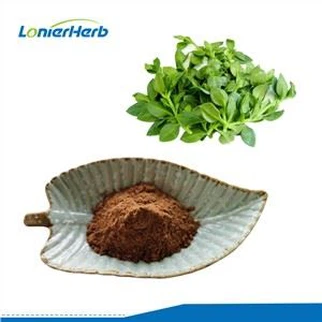
For centuries, South Pacific cultures have used kava for its calming properties. Today, as people seek natural alternatives to pharmaceutical sleep aids, Kava Kava Root Powder has gained attention for those with insomnia and sleep issues. This remedy, from the Piper methysticum plant, contains kavalactones that interact with brain receptors to promote relaxation and potentially improve sleep quality.
With millions suffering from sleep disorders globally, many are exploring traditional plant medicines like kava. This article examines the science behind Kava Kava Root Powder's sleep-promoting properties, usage methods, and comparisons with other natural sleep remedies.
How does Kava Kava Root Powder affect sleep quality?
Sleep quality isn't just about hours in bed-it's about restorative sleep. Kava Kava Root Powder may offer benefits for deeper, more restful sleep through several mechanisms.
The Science Behind Kava's Sleep-Promoting Properties
Kava Kava Root Powder contains kavalactones that are responsible for its relaxing effects. These compounds interact with brain GABA receptors, similar to prescription sleep medications but through gentler pathways. When kavalactones bind to these receptors, they reduce neuronal excitability, quieting an overactive mind that often prevents sleep.
Research suggests kavalactones may reduce sleep latency (time to fall asleep) without causing grogginess often associated with conventional sleep medications. A study in the Journal of Psychopharmacology found kava extract helped participants fall asleep faster and spend more time in restorative deep sleep. Quality Kava Kava Root Powder creates natural relaxation rather than sedation, allowing users to wake feeling refreshed without the "hangover" effect common with many sleep medications.
Kava Kava Root Powder's Impact on Sleep Architecture
Sleep architecture refers to sleep cycle structure throughout the night, including the balance between REM and non-REM sleep stages. Early research indicates Kava Kava Root Powder may positively influence this architecture.
Unlike alcohol and some pharmaceuticals that suppress REM sleep (associated with dreaming and memory consolidation), kava appears to maintain healthy sleep patterns while promoting relaxation. Users often report vivid dreams, suggesting preserved or enhanced REM sleep. A clinical observation study found kava users experienced fewer awakenings during the night compared to their baseline, with this uninterrupted sleep being crucial for feeling rested.
Additionally, Kava Kava Root Powder may help regulate sleep-wake cycles by calming the nervous system without disrupting natural circadian rhythms, making it valuable for those wanting to improve sleep quality without becoming dependent on stronger medications.
Clinical Evidence Supporting Kava for Insomnia Treatment
The scientific community has increased interest in evaluating kava's efficacy for insomnia. A meta-analysis in the Journal of Clinical Psychopharmacology examined seven randomized controlled trials and found kava extract significantly reduced anxiety symptoms, which often underlie sleep difficulties.
In another study focusing specifically on sleep, participants taking standardized Kava Kava Root Powder experienced a 30% improvement in sleep quality scores compared to placebo groups, with sleep diaries showing reduced time to fall asleep and fewer nighttime awakenings. These improvements occurred without side effects commonly associated with conventional sleep medications.
A longitudinal study tracking insomnia patients using Kava Kava Root Powder found benefits maintained over three months without requiring increased dosages-suggesting tolerance development may be less concerning than with pharmaceutical options. While more extensive clinical trials are needed, existing evidence supports Kava Kava Root Powder as a natural intervention for insomnia, particularly anxiety or stress-induced sleep disturbances.
What is the proper way to use Kava Kava Root Powder for sleep?
Finding the right approach to using Kava Kava Root Powder can maximize its potential sleep benefits.
Recommended Dosage and Timing for Sleep Benefits
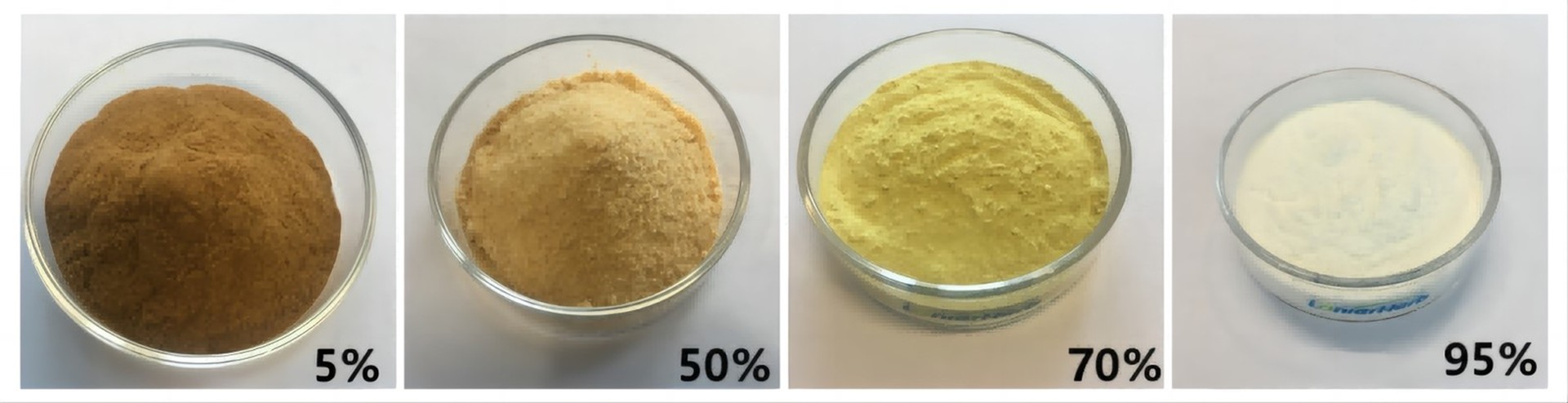
For sleep improvement, experts typically recommend 70-150mg of kavalactones taken 30-60 minutes before bedtime, approximately 1-2 teaspoons of high-quality powder depending on potency. Always start with the lowest effective dose and gradually increase if needed while monitoring your body's response.
Timing is crucial-taking it too early may result in effects wearing off before bedtime, while taking it immediately before lying down might not allow sufficient time for calming effects. Many users find preparing and consuming Kava Kava Root Powder about an hour before intended sleep time works best, allowing relaxation to deepen naturally during evening routines.
For stubborn sleep issues, some practitioners suggest a divided approach: a smaller dose in early evening to begin unwinding, followed by another small amount closer to bedtime, helping the body transition more smoothly into a sleep-ready state.
Traditional vs. Modern Preparation Methods for Sleep
Preparation method significantly influences effectiveness and safety. Traditional Pacific Island preparation involves kneading root powder in cold water, extracting water-soluble kavalactones while leaving potentially harmful compounds behind. This produces what many consider the most balanced form of kava for sleep support, with a characteristic earthy taste and gentle numbing sensation in the mouth.
Modern approaches include using blenders to mix the powder with water and straining through a fine mesh bag, achieving similar results more quickly. Some users opt for commercial tinctures or capsules containing standardized extract, offering convenience but potentially different kavalactone profiles.
For sleep benefits, many experts recommend water-based extractions over alcohol-based tinctures, as the latter may extract different compounds with potentially stimulating effects. Whatever method chosen, using high-quality noble kava varieties and proper preparation ensures beneficial sleep-promoting compounds while minimizing unwanted constituents.
Creating an Effective Sleep Routine with Kava Kava Root Powder
Incorporating Kava Kava Root Powder into a comprehensive sleep hygiene routine amplifies its effectiveness. Rather than viewing it as a standalone solution, consider it a supportive element within a broader approach to healthy sleep.
Establish a consistent schedule for Kava Kava Root Powder consumption as part of your evening wind-down ritual. Many find that preparing their kava becomes a mindful practice signaling the body to transition from daytime alertness to evening relaxation. Pair your kava ritual with complementary practices like dimming lights, disconnecting from screens, and perhaps gentle stretching or reading.
Some enhance their routine by adding sleep-supportive herbs like chamomile or lemon balm-either blended with the kava or consumed separately. Creating a dedicated space for enjoying your kava beverage can reinforce the psychological association between consumption and subsequent sleep.
Track results in a sleep journal, noting how variations in timing, dosage, or preparation affect sleep quality, allowing you to fine-tune your regimen to your individual physiology and sleep challenges.
How does Kava Kava Root Powder compare to other sleep aids?
Understanding how Kava Kava Root Powder compares to alternatives helps inform decisions about sleep health.
Kava vs. Pharmaceutical Sleep Medications: Benefits and Drawbacks
Unlike many prescription sleep aids that broadly suppress central nervous system activity, Kava Kava Root Powder works more selectively on anxiety pathways through GABA receptors. This targeted action may explain why many users report feeling refreshed upon waking rather than experiencing the "hangover effect" common with pharmaceuticals.
Pharmaceutical sleep aids often create dependence issues, requiring increasing doses and potentially causing rebound insomnia when discontinued. Preliminary research suggests kava may have lower risk for dependence, though more long-term studies are needed.
However, pharmaceuticals have undergone more rigorous clinical testing and offer more predictable, standardized dosing than kava products, which can vary significantly in potency and quality.
While prescription medications typically induce sleep regardless of causes, kava seems most effective for sleep issues related to anxiety, stress, or an overactive mind, and may be less effective for sleep disorders with different physiological causes.
Safety profiles also differ-while properly prepared Kava Kava Root Powder from reputable sources has a generally favorable safety record when used as directed, it requires careful attention to quality and preparation method, whereas pharmaceutical options provide more consistency.
Comparing Kava Kava Root Powder with Other Herbal Sleep Remedies
Valerian root, one of the most studied herbal sleep aids, works similarly to kava through GABA pathways but tends to produce heavier sedation rather than kava's alert relaxation. Many find that kava helps quiet mental chatter while maintaining mental clarity, whereas valerian can create a foggy cognitive state.
Chamomile offers very gentle effects through flavonoid compounds and is extraordinarily safe but may lack sufficient potency for serious sleep difficulties compared to kava's more robust effects.
Melatonin works by directly signaling sleep onset through circadian pathways-a different mechanism than kava's anxiolytic effects. While melatonin helps regulate sleep timing, it doesn't address anxiety-related sleep disturbances where kava often excels.
What distinguishes kava is its dual action-reducing both mental and physical tension through its kavalactone mixture, creating a more comprehensive relaxation response than herbs working through single compounds or limited pathways.
Long-term Considerations for Using Kava Kava Root Powder as a Sleep Solution
While short-term studies show promising safety profiles for proper kava preparations, research on very long-term use remains limited. Some specialists recommend cycling kava use-using it for several weeks, then taking a break-rather than daily indefinite consumption to prevent potential tolerance and give the body periodic breaks.
Quality control remains paramount for long-term users. Exclusive use of "noble" kava varieties from reputable suppliers who test for quality and purity becomes increasingly important with extended use. Those with pre-existing liver conditions should exercise particular caution and consult healthcare providers.
A sustainable approach might involve using kava situationally-during periods of heightened stress or sleep difficulty-rather than nightly. This aligns with traditional Pacific Island usage patterns, where kava serves specific purposes rather than being a daily staple.
Conclusion
Kava Kava Root Powder offers a promising natural option for sleep support, particularly when difficulties stem from anxiety or an overactive mind. With its unique kavalactones promoting relaxation without sedation, it presents advantages over both pharmaceutical options and some other herbal remedies. However, quality sourcing, proper preparation, and appropriate use remain essential for safely experiencing its benefits. While more research is needed, current evidence suggests that when used responsibly, Kava Kava Root Powder may provide a valuable tool in addressing sleep challenges as part of a comprehensive approach to sleep health.

LonierHerb Bio-Technology Co., Ltd., located in Xi'an, has been a trusted supplier of plant extracts and health supplements for over a decade. Our GMP-certified factory and partnerships with leading labs ensure premium quality. Contact us at info@lonierherb.com for more information.
References
1. Sarris J, Stough C, Bousman CA, et al. "Kava in the treatment of generalized anxiety disorder: A double-blind, randomized, placebo-controlled study." Journal of Clinical Psychopharmacology. 2013;33(5):643-648.
2. Teschke R, Lebot V. "Proposal for a Kava Quality Standardization Code." Food and Chemical Toxicology. 2011;49(10):2503-2516.
3. Savage KM, Stough CK, Byrne GJ, et al. "Kava for the treatment of generalised anxiety disorder (K-GAD): study protocol for a randomised controlled trial." Trials. 2015;16:493.
4. Sarris J, Byrne GJ, Bousman CA, et al. "Kava for generalized anxiety disorder: A 16-week double-blind, randomized, placebo-controlled study." Journal of Affective Disorders. 2020;261:198-206.
5. LaPorte E, Sarris J, Stough C, Scholey A. "Neurocognitive effects of kava (Piper methysticum): a systematic review." Human Psychopharmacology. 2011;26(2):102-111.
6. Lehrl S. "Clinical efficacy of kava extract WS 1490 in sleep disturbances associated with anxiety disorders: Results of a multicenter, randomized, placebo-controlled, double-blind clinical trial." Journal of Affective Disorders. 2004;78(2):101-110.