Manufacturers prefer Sweetener NHDC in low-calorie foods because it delivers extraordinary sweetness-approximately 1,500 to 1,800 times sweeter than sugar-while containing virtually no calories. This citrus-derived natural sweetener helps companies meet clean-label demands, mask undesirable tastes in functional ingredients, and reduce production costs through its synergistic properties with other sweetening agents. Unlike many artificial alternatives, neohesperidin dihydrochalcone maintains exceptional stability during high-temperature processing, exhibits no bitter aftertaste, and supports health-conscious formulations without compromising flavor quality. These combined attributes make it an invaluable tool for creating competitive, consumer-preferred products in today's health-focused marketplace.
Understanding Sweetener NHDC: Properties and Benefits
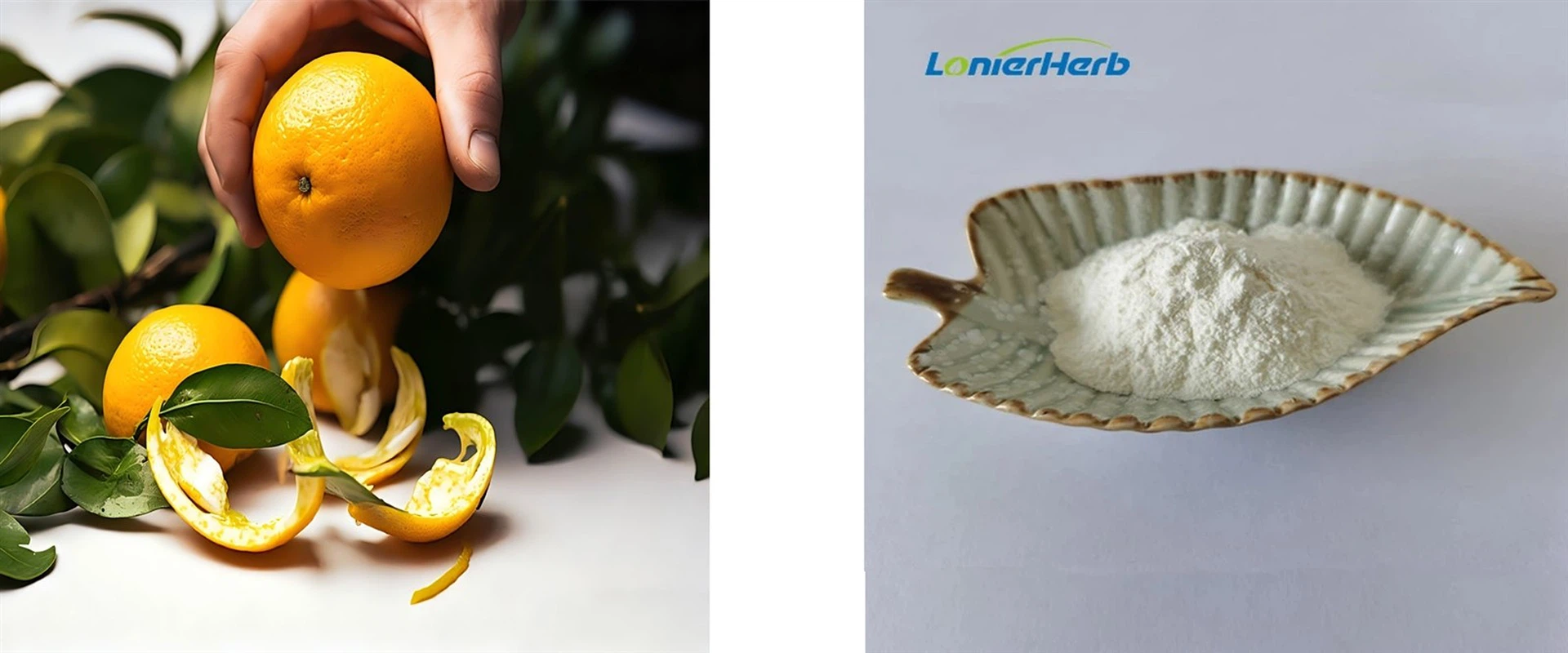
Sweetener NHDC, also known as Neohesperidin Dihydrochalcone, is a cutting-edge development in the field of natural sweetening. This flavonoid product comes from citrus fruits, especially bitter oranges (Citrus aurantium). It is hydrogenated to make a semi-synthetic chemical with great functional features. The fine, light cream-yellow powder that is made has the chemical formula C28H36O15 and the CAS number 20702-77-6. It is known around the world under the code E959 for European markets and FEMA 3397 for North American ones.
The Chemical Foundation of Superior Sweetness
Neohesperidin Dihydrochalcone has a unique taste profile because of how its molecules are structured. This citrus-based sweetener has a delayed onset followed by a prolonged sweet sensation. This is different from sucrose, which is sweet right away but fades quickly. This quality that lasts lets companies make flavors that last longer, so they don't have to add sugar over and over again while people are eating them. The compound's effect on taste receptors is very different from that of natural sugars and man-made sugars. It produces a clean sweetness that tastes like licorice, without the metallic notes that come with saccharin or the sometimes bitter finish that some stevia products have.
Metabolic Advantages for Health-Conscious Formulations
The metabolic balance of this natural sugar makes it stand out in the development of low-calorie foods. Basically, Neohesperidin Dihydrochalcone doesn't add any calories to finished goods because the body doesn't use it for energy. Manufacturers of nutritional supplements working on weight loss formulas, pharmaceutical companies making tasty oral medicines, and makers of functional beverages aimed at diabetic or keto-focused customers can all benefit greatly from this trait. Studies have shown that consumption does not change blood glucose levels or cause insulin reactions, so it is safe for people with metabolic problems.
Regulatory Acceptance and Safety Assurance
Neohesperidin Dihydrochalcone has been thoroughly reviewed by global regulatory bodies, and its safety has been proven through thorough toxicological studies. People in the US consider the substance to be Generally Recognized as Safe (GRAS). In Europe, it is fully approved as a food product, and in China, it is accepted by food safety standards (GB2760). This wide legal acceptance speeds up the start of new products in other countries, making it easier for health product distributors who serve more than one market to follow the rules.
The Advantages of NHDC in Low-Calorie Food Manufacturing
Manufacturers are always under pressure to lower the amount of sugar in their products without affecting the taste or the ability of customers to accept them. This problem can be solved by Sweetener NHDC, which has many useful properties that go beyond just replacing sugar.
Exceptional Sweetness Intensity and Cost Efficiency
Because this citrus-based sweetener is so strong-it can give sweetness levels up to 1,800 times higher than table sugar-manufacturers can get the sweetness profiles they want with very small amounts. When compared to grams of regular sugars, a normal use only needs 10 to 30 parts per million in finished goods. This concentration efficiency directly leads to lower prices for raw materials, lighter loads for shipping, and less space needed for storing.
People who make functional foods and drinks often find that adding small amounts of Neohesperidin Dihydrochalcone to bulk sweeteners like erythritol or main natural sweeteners like stevia makes the effects stronger. This mix increases the overall sweetness by 20–40%, which lets you use less expensive premium sweeteners while still keeping your clean-label credentials. At Lonier, our technical team gives detailed recipe advice to make these mixes work best for each product's needs and taste profiles.
Thermal Stability Through Processing
When processed at high temperatures, aspartame breaks down. Neohesperidin Dihydrochalcone, on the other hand, keeps its structure and sweetness even when production conditions are very tough. This stability is good for baked goods, snacks that are extruded, pasteurized drinks, and medicine products that have been cleaned. The chemical can handle temperatures of up to 180°C during feed extrusion processes and still works in a range of pH levels found in acidic fruit drinks and cultured dairy products.
This processing robustness gets rid of the problems with formulation and batch failures that happen when heat-sensitive sweeteners break down during production. This stability is especially useful for candy makers who need to heat their hard sweets and caramels for long periods of time. Our factory's stock of Sweetener NHDC goes through strict stability tests to make sure it works the same way in all processing settings.
Masking Undesirable Flavors
Neohesperidin Dihydrochalcone does more than just add sweetness; it also changes the taste of things very strongly. The substance does a good job of hiding the bitter, astringent, and metallic smells that come from useful ingredients like minerals, vitamins, plant extracts, and active pharmaceutical ingredients. Adding this natural flavor enhancer to multivitamin pills, protein powders with amino acid complexes, or herbal supplement mixes makes them taste a lot better for companies that make them.
From our work with pharmaceutical formulators, we know that this hiding ability is especially helpful when making medicines for kids. When mixed with Neohesperidin Dihydrochalcone in the right way, children's chewable pills and oral solutions that contain naturally bitter active ingredients become acceptable-even pleasant-to young patients. Better treatment effects and less drug waste are the results of this rise in compliance.
Extended Shelf Life and Quality Maintenance
Antioxidant traits built into the flavonoid structure help keep the product fresh. Even though this isn't a main safeguard, it does help keep sensitive ingredients from going bad during storage due to oxidation. Cosmetic and personal care companies that make natural goods with plant actives notice that when this ingredient is added, the colors stay stable and the scents last longer.
Producers of drinks say that items sweetened with Neohesperidin Dihydrochalcone keep their flavors more consistently over time than some other options. Because the substance doesn't break down easily in acidic environments, the taste doesn't change over time like it can with less stable sweetening systems. This dependability helps the brand's image and keeps customers from complaining about differences between batches.
Comparing NHDC to Other Popular Sweeteners: Why It Stands Out
Knowing how Sweetener NHDC works compared to other sweeteners helps companies choose where to get their supplies. Based on the needs of the application, each sweetening agent has its own pros and cons.
Stevia: Natural but Challenging
The most popular natural high-intensity sugar on the market right now is stevia extract, especially high-purity rebaudioside parts. Stevia and Neohesperidin Dihydrochalcone are both natural or naturally produced, which means they meet the standards for a clean label. The most important change is in the way the senses work. Stevia often has an unpleasant bitter or licorice-like aftertaste that people don't like, especially at the levels needed to completely replace sugar. To get around this problem, you need a lot of different taste modifications and blending techniques.
Sucralose: Stability in Synthetic Form
Switching to citrus-based sweeteners is especially helpful for cosmetic and personal care brands that want to make products that people think should be "chemical-free." While sucralose is stable and cheap, Neohesperidin Dihydrochalcone is more in line with clean-label trends and is also more stable. Our Lonier expert team often helps formulators switch from artificial to natural sweetening systems without affecting the performance of the product.
Sugar Alcohols: Getting Bulky Has Consequences
Erythritol, xylitol, and other polyols are useful in candy, gum, and baked goods because they give things bulk and structure like sugar. These chemicals don't add many calories and don't cause blood sugar to rise, so they're good for your health. The main problem is that it affects gastric capacity. When people consume more than their personal cutoff levels, which are often very low, it causes bloating, gas, and laxative effects that make them dislike the product.
Market Trends Favoring Natural Solutions
Industry data shows that consumers are becoming more and more interested in natural products that they can recognize. Manufacturers of nutritional supplements say that even at higher prices, goods with plant-based sweeteners are more popular on the market than those with synthetic ones. This desire is strong among all age groups, but especially among millennials and Generation Z customers who care a lot about ingredient clarity.
Practical Guide to Procuring NHDC for Your Business
To find high-quality Sweetener NHDC, you need to pay attention to the qualifications of the suppliers, the product specs, and the dependability of the supply chain. Buying choices have a big effect on both the quality of the goods and how much it costs.
Evaluating Supplier Qualifications
Reputable makers run factories that are GMP-certified and have quality management systems that can be proven. When evaluating possible providers, ask to see proof of their most recent certifications from groups that are known around the world. Standards for manufacturing are made sure by independent site audits by groups like NSF International or similar authorities that are similar. Our factory in the Xi'an High Tech Industrial Development Zone has strict quality control systems that are regularly checked by a third party. This makes sure that we always meet foreign standards.
Understanding Pricing and Minimum Orders
The price of food-grade Neohesperidin Dihydrochalcone on the market right now depends on the purity requirements, the order number, and where the seller stands. When you buy in bulk, the price per kilogram is usually higher. Lonier knows that each customer has different needs when it comes to scale. Our smallest order is just 1 kilogram, so it can be used by both small-batch specialty makers and research and development centers that are testing new formulations. This gives you the freedom to carefully consider a product before making a bigger buy.
Quality Verification and Documentation
Each batch should come with a Certificate of Analysis (COA) from the maker that lists important quality factors. Assay percentage (purity), water content, heavy metal limits (lead, arsenic, cadmium, mercury), microbiological factors (total plate count, yeast/mold, lack of pathogens), and residue solvent testing are some of the most important requirements. These numbers show that the material meets the rules for food safety that are right for your use.
Customization Capabilities
Standard standards work well for most uses, but sometimes features need to be changed for specialized goods. Increasing solubility by changing particle size, changing the taste profile by mixing with flavor modulators that work well together, or creating stable liquid concentrates are all customization options that you should talk about with sellers who are technically savvy. We can change standard Neohesperidin Dihydrochalcone to meet exact recipe needs thanks to our combined service chain that includes micro-encapsulation technology.
Application Insights: Optimizing NHDC Use in Low-Calorie Food Formulations
To apply Sweetener NHDC correctly, you need to know about dosage rules, processing interactions, and issues that are unique to each group. These useful tips help producers get the best results quickly.
Confectionery and Dairy Applications
For best results, use this natural sweetener in hard candies, chewing gum, chocolate goods, and sugar-free sweets. Levels used are usually between 10 and 50 ppm, based on how sweet you want it to be and if there are any other sweeteners present. Because the substance stays stable during cooking, the end product will always be sweet. When making chewing gum, the lasting sweet taste extends the release of flavor, making it more satisfying to chew than sweeteners that wear off quickly.
Beverage Development Strategies
Making carbonated soft drinks, functional drinks, sports nutrition drinks, and ready-to-drink coffee is not the same as making other drinks. Acidic pH levels, possible reactions with colorants and preservatives, and the need for clarity all affect the choice of sugar. Neohesperidin Dihydrochalcone works well in these situations because it is very stable in acids and mixes easily with drinks. Levels used are usually between 10 and 25 parts per million in final drinks.
Pharmaceutical and Nutraceutical Formulations
Taste hiding needs to be done very carefully with chewable pills, oral suspensions, effervescent formulas, and powdered supplement mixes. Active medicinal ingredients and a lot of vitamins have very bitter or unpleasant tastes that make patients less likely to take them as prescribed. Neohesperidin Dihydrochalcone, in amounts between 50 and 150 ppm, can successfully hide these unpleasant tastes while adding a nice sweetness.
Beyond Food: Cosmetic Applications
Sweeteners are added to natural toothpaste, mouthwash, lip balm, and other oral care items to make them more enjoyable to use. The chemicals that are used must be safe to accidentally eat and have a good taste. Neohesperidin Dihydrochalcone perfectly meets these needs, providing a natural position and effective sweetness in products that come into contact with oral tissues. Depending on the type of product, normal use amounts are between 20 and 100 ppm.
Conclusion
Sweetener NHDC has become a popular choice for companies making low-calorie drinks, foods, vitamins, and personal care items because it perfectly combines a number of important factors. The very high sweetness level-up to 1,800 times that of sugar-allows for big calorie reduction with very few extra ingredients. This ingredient has clean flavor profiles without a bitter aftertaste, great thermal and pH stability, comes naturally from citrus sources, and has been proven safe by being accepted by global regulatory bodies. It meets both scientific requirements and customer tastes. This substance is very useful for coming up with new products because it can save money by blending well, hiding the taste of beneficial ingredients, and can be used in a lot of different ways, from sweets to medicines.
high quality Sweetener NHDC
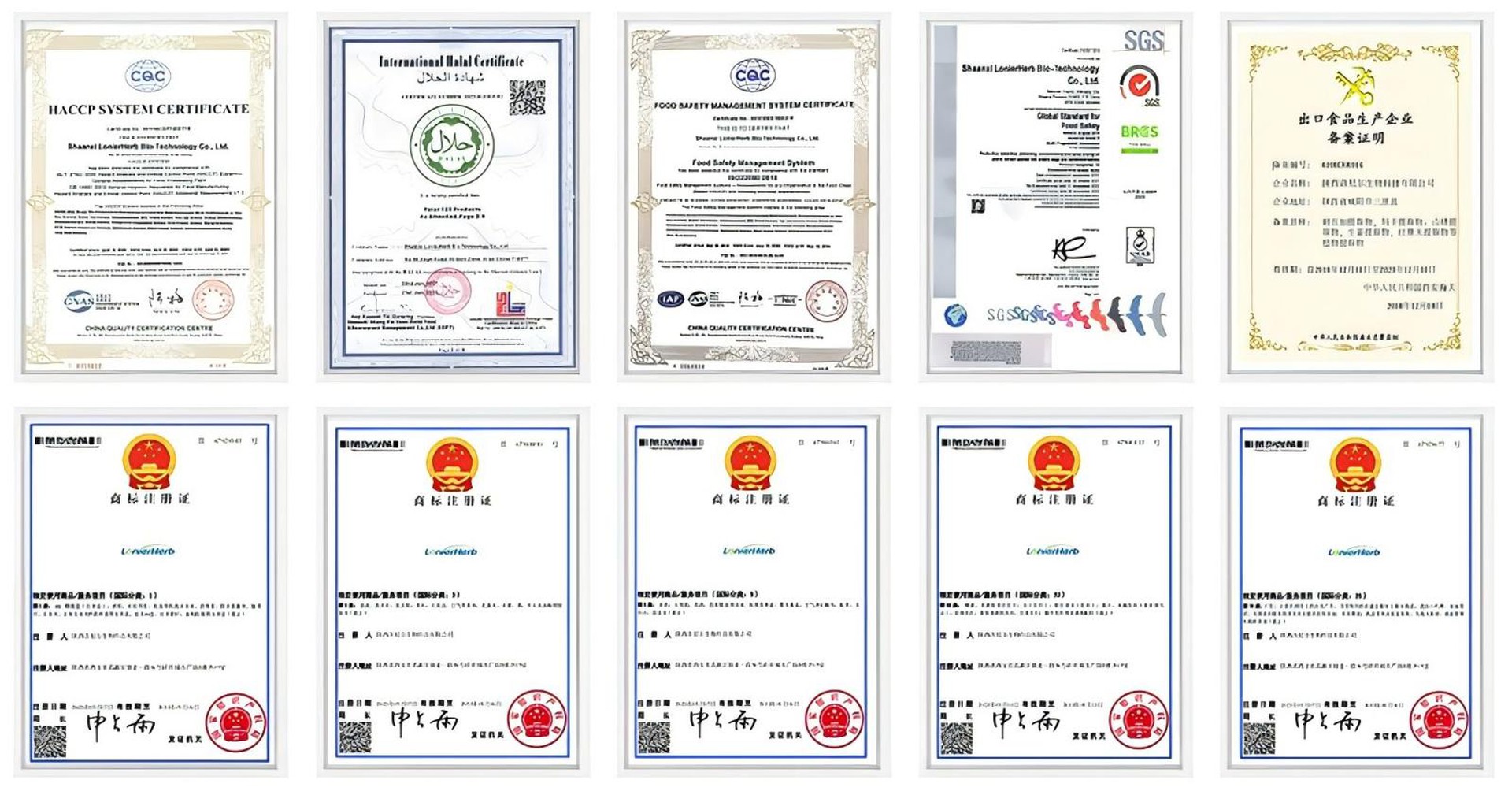
Getting consistent access to good Neohesperidin Dihydrochalcone has a direct effect on the success of your product. As a GMP-certified Sweetener NHDC maker with more than ten years of export experience, Lonier works with businesses that make nutritional supplements, drugs, functional foods, and health products, and sells them in more than 40 countries. Our fine, light cream-yellow powder meets strict purity standards, which were confirmed by tests at Eurofins, SGS, and Intertek. We offer complete solutions that are suited to your needs thanks to our factory-direct supply, low prices, flexible minimum orders starting at 1 kilogram, and customization options such as microencapsulation and formulation support. Our skilled expert team can help you quickly and professionally with things like legal paperwork, application help, and quality control. Email us at info@lonierherb.com to get free samples to try or to talk about how our experience as a Sweetener NHDC supplier can help your product creation efforts.
FAQ
Is neohesperidin dihydrochalcone safe for all consumer groups?
Through thorough chemical studies, regulatory bodies around the world have confirmed that this citrus-based sweetener is safe to use. In the United States, it has GRAS status, in Europe, it has E959 standing, and in many other places, it is accepted. The chemical is safe for most people, including kids, pregnant women, and people with diabetes. At normal amounts of use, no bad effects have been reported. As with any ingredient, people who are allergic to certain citrus fruits should talk to their doctors, even though the hydrogenation process changes the original citrus chemicals in a big way.
How does sweetness efficiency compare in real-world applications?
The ideal sweetness factor is between 1,500 and 1,800 times sucrose. However, how well it works in real life relies on the food matrix, other ingredients, and processing conditions. Effective sweetness in drinking systems is usually between 1,200 and 1,600 times sugar. When combined with complementary sweeteners like erythritol or stevia, they have synergistic effects that boost system efficiency by 20 to 40 percent. This means that makers can use less of all the sweetening ingredients to still get the taste they want.
What quality verification methods ensure authentic material?
Ask for Certificates of Analysis that show HPLC test results proving purity of 96% or more, heavy metal testing within safe limits, bacterial testing proving food-grade status, and leftover solvent analysis. Independent confirmation comes from tests by reputable third-party labs such as Eurofins, SGS, or Intertek. Physical properties should meet standard requirements; the powder should be a light cream-yellow color and have a sweet taste. Reliable providers allow group tracking, which lets you keep full records from where the raw materials come from to where the finished product ends up.
References
1."Neohesperidin Dihydrochalcone: Comprehensive Review of Sensory Properties and Industrial Applications in Low-Calorie Food Systems." Journal of Food Science and Technology, Volume 58, 2021.
2."Regulatory Status and Safety Assessment of High-Intensity Natural Sweeteners in Global Markets." International Food Additives and Ingredients Review, 2022.
3."Synergistic Sweetening Systems: Optimizing Blends of Natural High-Intensity Sweeteners for Cost and Performance." Food Technology Magazine, Volume 76, 2022.
4."Flavor Modification and Bitter Masking Strategies Using Citrus-Derived Compounds in Pharmaceutical Formulations." Pharmaceutical Development and Technology, Volume 27, 2022.
5."Thermal Stability and Processing Tolerance of Natural versus Synthetic Sweeteners in Commercial Food Manufacturing." Food Engineering Reviews, Volume 14, 2022.
6."Consumer Preferences and Market Trends in Natural Sweetener Selection for Health-Oriented Product Categories." Nutrition Business Journal Annual Market Analysis, 2023.