Glutathione Powder Reduced is a powerful antioxidant because it has a special chemical structure with an active sulfhydryl (-SH) group that gets rid of dangerous free radicals and reactive oxygen species. This naturally occurring tripeptide substance is made up of glutamic acid, cysteine, and glycine. It works at the cellular level to restore oxidative balance, support detoxification pathways, and protect the health of cells. Many dietary antioxidants work passively, but reduced glutathione actively gives electrons to minimize oxidative damage. This is why it is known as the body's "master antioxidant" and why it is such an important ingredient for companies that want to make high-quality products.
Introduction
The world market for antioxidants is still growing rapidly, and reduced glutathione is becoming an important part of many industries, including nutraceuticals, cosmetics, and drugs. Those in charge of finding ingredients are under more and more pressure to find compounds that meet strict quality standards and show measurable effectiveness. It is no longer a luxury to know about the biochemical processes that make Glutathione Powder Reduced such a powerful antioxidant. You need to know about them to make smart buying decisions that affect product performance and customer happiness.
This detailed book looks at the scientific reasons behind glutathione's protective properties, its many uses in industry, and helpful buying tips for business-to-business buyers. We'll discuss important issues like quality standards, stability issues, how to compete with other ingredients, and how to evaluate suppliers. This piece provides you with useful information on how to make the best use of glutathione ingredients, whether you're making functional drinks, skincare actives, or pharmaceutical excipients.

Understanding Reduced Glutathione Powder: What Sets It Apart?
The Biochemical Foundation of GSH
The biologically active form of this tripeptide is reduced glutathione (GSH), which can be distinguished from its oxidized form (GSSG) by the presence of a free sulfhydryl group. These chemical structures make it possible for GSH to donate electrons to reactive oxygen species, peroxides, and free radicals that damage cells. The molecule goes back and forth between reduced and oxidized states. Enzymes, such as glutathione reductase, use NADPH as a cofactor to change the molecule back to its active form.
The clarity and reliability of reduced glutathione powder make it important for the industry. HPLC methods show that manufacturing-grade powder is usually between 98 and 101% pure when it is dry. This level of refinement ensures the recipe is consistent across production batches. The powder form is difficult to store because it absorbs water and easily oxidizes in wet, hot, or acidic environments.
Natural Synthesis Versus Supplementation Rationale
Gamma-glutamylcysteine synthetase and glutathione synthetase work together in a two-step process for human cells to make glutathione. However, a number of things limit this natural ability to produce. Cellular glutathione stores are used up faster than the body can replace them because of getting older, being exposed to toxins in the environment, being sick for a long time, and reactive stress. Foods like cruciferous veggies, wheat germ, and organ meats only provide small amounts, and problems with solubility make it even harder to absorb.
Because of these physiological facts, there is a big market for supplementing glutathione from the outside in the form of nutraceuticals, useful foods, and topical treatments. When it comes to cleanliness, high-quality reduced glutathione powder made through yeast fermentation is better than chemical production methods. It is also non-GMO certified and can be tracked, which meets the needs of consumers who want to buy products with clean labels. The material from fermentation has a stable stereochemical structure that ensures the L-isomer form needed for cellular action.
Key Benefits and Applications of Reduced Glutathione Powder in B2B Industries
Antioxidant Mechanisms and Health Benefits
A clinical study shows that reduced glutathione powder works in more than one way as an antioxidant. The substance gets rid of hydroxyl radicals and singlet oxygen species directly, and it also makes other antioxidants, like vitamins C and E, work again. It helps glutathione peroxidase enzymes do their job of neutralizing hydrogen peroxide and lipid peroxides. This keeps oxidative stress from damaging DNA and cell walls.
Controlled tests have indicated that glutathione improves the function of the liver, where it helps with Phase II cleansing processes. The liver links toxins, heavy metals, and xenobiotics to GSH, making it easier to get rid of them through bile and urine. Because it can clean the body, reduced glutathione is very useful in formulas that aim to support liver health and metabolism.
Another important way to achieve benefits is through immune control. GSH keeps lymphocytes and natural killer cells working at their best while controlling the production of inflammatory cytokines. Researchers have found that healthy amounts of glutathione help both the innate and adaptive immune systems. This makes it a useful ingredient for goods that focus on immunity.
Industrial Applications Across Sectors
Glutathione powder can be used in a lot of different industrial types, and each one has its own formulation needs and performance standards.
Reduced glutathione is added by nutraceutical companies to pills, tablets, and sublingual products that help with cleansing, healthy aging, and antioxidant support. The powder form makes it easy to measure out the right amount, which for oral vitamins is usually between 250 mg and 500 mg per dose. To improve absorption and biological action, formulators often mix GSH with precursors such as N-acetyl cysteine or other antioxidants like alpha-lipoic acid.
Cosmetics use glutathione's ability to stop melanogenesis, which means it stops tyrosinase from working to stop the production of melanin. Glutathione Powder Reduced is one of the main ingredients in skin whitening serums, anti-aging creams, and items that improve the look of your skin. Problems with stabilization in aqueous bases need careful manufacturing strategies, such as pH buffering systems, chelating agents, and antioxidant mixtures to keep the product in its reduced state for as long as possible.
Pharmaceutical excipients are used in injectable products for treating liver disease, adding to chemotherapy methods, and treating poisonings right away. For these uses, you need pharmaceutical-grade materials that meet USP or EP standards, have endotoxin levels below 0.5 EU/mg, and are guaranteed to be completely sterile. The powder is lyophilized so that it can be reconstituted before it is used. This keeps its strength and safety while it is stored.
Stabilized glutathione is added by functional food and drink companies to ready-to-drink health shots, enriched waters, and meal replacements. Some of the technical challenges are keeping the active ingredient safe from heat processing, making sure it stays soluble in a range of pH conditions, and stopping oxidative breakdown during distribution. Many of these stable issues can be fixed with microencapsulation technologies, which also make drugs more bioavailable.
Comparing Reduced Glutathione Powder with Other Forms and Alternatives
Delivery Format Considerations
When comparing glutathione powder to other delivery methods, procurement choices need to take into account the pros and cons of each format.
Liposomal glutathione formulas put the active ingredient inside phospholipid spheres, which should make absorption better by making it easier for cells to take it in. While liposomal products say they have better solubility, they have problems with staying stable on the shelf, being hard to make, and having high costs. The powder form gives you more options for how to make the medicine and lower unit costs, especially for making a lot of it.
Acetylated glutathione versions add acetyl groups to make the compound more stable and bioavailable when taken by mouth by stopping it from breaking down in the stomach. Deacetylation by enzymes, on the other hand, has to happen before cellular action can happen, which adds more metabolic steps. Standard Glutathione Powder Reduced is still the best option when enteric coating, sublingual release, or microencapsulation is used as a formulation method that addresses stability issues appropriately.
For injectable preparations, you need lyophilized pharmaceutical-grade powder that meets strict purity standards and doesn't contain any bacterial endotoxins. This use group gets higher prices but has a smaller market share than the nutritional and cosmetic use groups.
Glutathione Versus Alternative Antioxidants
Procurement experts can choose the best ingredients for specific formulation goals and market positioning strategies when they understand how competitors are positioning themselves.
N-Acetyl Cysteine (NAC) is an amino acid that helps make glutathione by giving it cysteine, which is the most important amino acid for making glutathione quickly. NAC is more stable than glutathione powder, reduced and costs less, which makes it a good choice for mass-market uses. However, NAC needs to be changed metabolically before it can work like glutathione, which might reduce its immediate antioxidant action. Directly adding glutathione to products that focus on quick action or external use is better.
Although alpha-lipoic acid works in different ways, it has stronger effects when mixed with reduced glutathione. It turns damaged GSH back into its original form and also acts as an antioxidant on its own. A lot of high-end formulas use both substances together to protect against oxidative stress even more.
Vitamins C and E are cheaper antioxidants that work well with glutathione, but glutathione does not play a direct part in Phase II detoxification and intracellular redox control. When making decisions about which ingredients to use in a competing product, market positioning, healing claims, and price sensitivity all play a role.
Guidelines for Procuring High-Quality Reduced Glutathione Powder
Essential Quality Specifications
To successfully buy Glutathione Powder Reduced, you must first set strict quality standards that keep out low-quality materials and guarantee consistent production. The main requirement is the purity test, which can give results between 98.0 and 101.0% on an anhydrous base using approved HPLC methods. Higher levels of purity mean that the product wasn't made correctly or that it got worse over time. The Certificate of Analysis should show that any remaining liquid levels, especially ammonium molecules from fermentation processes, are below the limits set by the pharmaceutical industry.
Heavy metal pollution is a big problem for safety and regulations. The lead level must be less than 1 ppm, arsenic must be less than 1 ppm, and mercury must be less than 0.1 ppm. The level of cadmium should stay below 1 ppm. Third-party testing by reputable labs like Eurofins, SGS, or Intertek lets you be sure that what a seller says is true.
Microbiological factors make sure that the product is safe and that it follows the rules. The total aerobic microbe count shouldn't be more than 1,000 CFU/g, and yeast and mold should be less than 100 CFU/g. Pathogenic species, such as E. coli, Salmonella, and Staphylococcus aureus, must not be present in the samples that are being checked. Endotoxin testing must show levels below 0.5 EU/mg for pharmaceutical-grade uses, which are even tighter.
Supplier Evaluation and Selection Criteria
To build trusting supply partnerships, you need to carefully look at the companies' manufacturing skills, quality control systems, and service infrastructure. Good Manufacturing Practices (GMPs) must be followed in order to get GMP certification. This is done by having independent audits of the building design, equipment upkeep, staff training, and paperwork systems. ISO 9001 approval shows a stronger approach to quality management, while ISO 22000 covers food safety management for nutraceutical uses. When suppliers work within these frameworks, they always send materials that meet standards and can be fully tracked back to the batch where they came from.
Supply consistency is affected by how much can be made and how well the material is managed. Suppliers who keep 200–500 kg of stock can meet urgent requests while keeping wait times as short as possible. Schedules for production should make sure that materials are always fresh, with production times no more than two months after an order is fulfilled. Because glutathione is so sensitive to changes in temperature, this time control makes sure that the product has the longest possible shelf life when it arrives.
Superior sellers are different from commodity vendors because they can offer technical help. Experienced teams offer formulation advice, suggestions for stable testing, and tailored services that meet the needs of specific applications. Being able to change the distribution of particle sizes, make solubility better, or create unique mixes adds a lot of value above and beyond just providing materials.
Procurement Logistics and Compliance
When you buy reduced glutathione powder from outside of the United States, you have to deal with different rules and logistics that need to be carefully managed. Tariff rates and the paperwork needed to bring goods into a country are based on how they are classified by HS codes. Glutathione is usually put into peptide groups, but the exact grouping depends on the rules of the target market. Suppliers should send complete export paperwork, like commercial invoices, packing lists, Bills of lading, certificates of origin, and health certificates that meet the needs of the country that is buying the goods.
Temperature-controlled operations keep things in good shape while they're being shipped. For short trips, shipping at room temperature is fine, but for longer foreign trips, temperature tracking systems that make sure the cargo stays below 25°C are helpful. Controlling humidity with desiccants in packing stops moisture uptake, which speeds up the breakdown process through oxidation.
Regulatory paperwork packages make the process of making new products and registering them easier. Specifications, testing methods, stability studies, toxicity data, allergen declarations, GMO status certificates, and BSE/TSE compliance statements should all be included in full dossiers. Suppliers of these materials cut down on the time it takes for new products to hit the market.
Conclusion
Because of its unique chemical structure and direct free radical neutralization processes, Glutathione Powder Reduced is an extremely powerful antioxidant that is used in a wide range of nutraceutical, cosmetic, and medicinal products. This guide explains the molecular basics, quality standards, and formulation strategies that are needed for procurement professionals to make smart buying decisions that improve product performance and competitive positioning. The chemical can be used in a lot of different ways, and more and more people are learning about the health benefits of antioxidants, which means the market will continue to grow. To be successful in this ever-changing market, you need to work with makers who can show they have technical know-how, a commitment to quality, and the ability to provide full service throughout the supply chain.
high quality Glutathione Powder Reduced
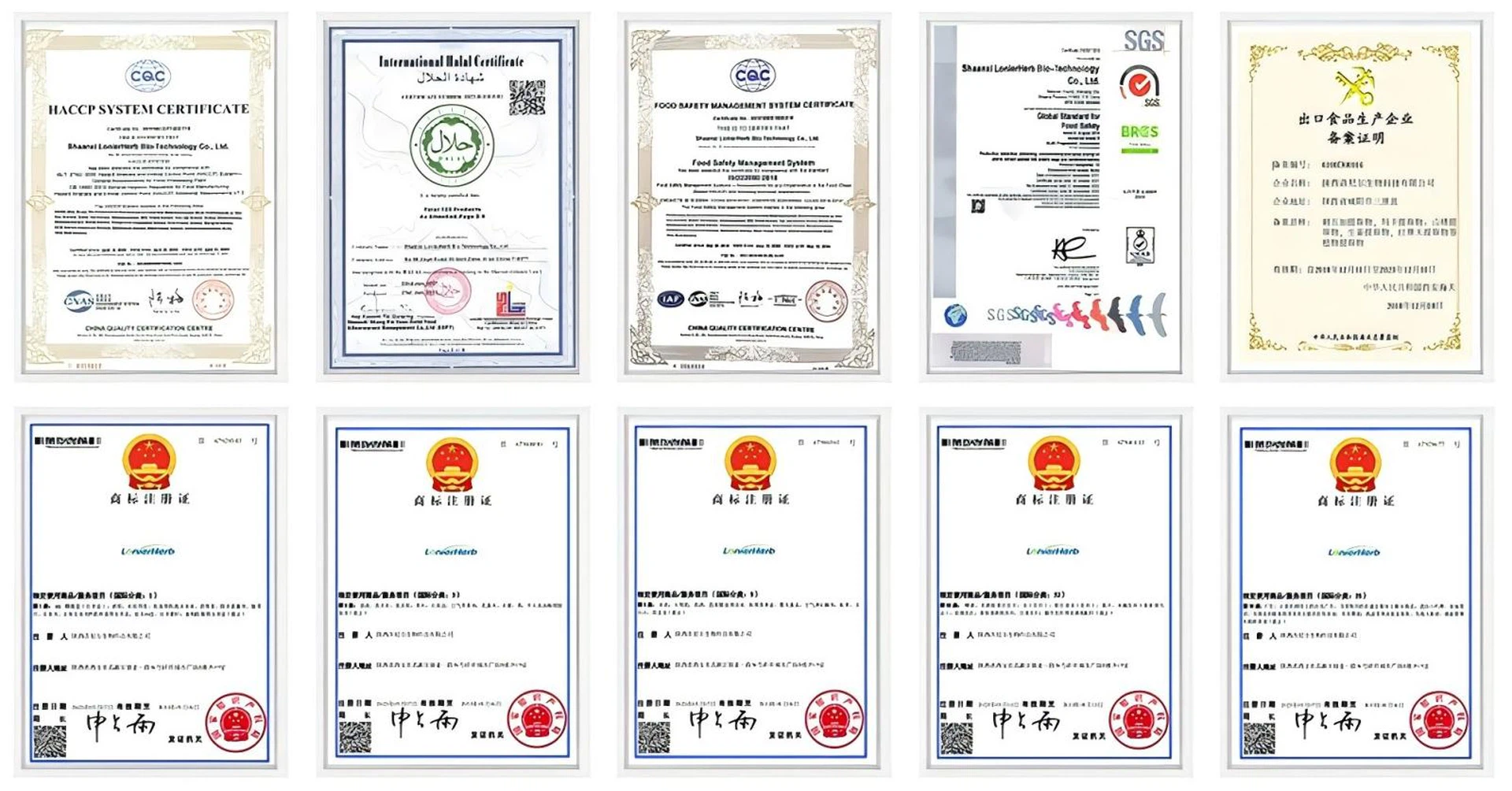
Shaanxi Lonier Herb Bio-Technology Co., Ltd. is a reliable company that makes and sells high-quality reduced glutathione powder. They work with companies in more than 40 countries that make supplements, medicines, and cosmetics. Our Xi'an High-Tech Industrial Development Zone plant is GMP-certified and combines modern production tools with an independent laboratory. Through validated HPLC analysis, we make sure that every batch meets the strict purity standards of 98–101%. We keep a large store of 200–500 kg of goods that will be manufactured within two months of the order being filled. This lets us respond quickly to your purchasing needs. Your regulatory compliance needs are met by full paperwork packages that include COA, MSDS, and full traceability. Additionally, our partnerships with Eurofins, SGS, and Intertek provide independent quality verification. Our experienced technical team is here to help you every step of the way as you build your product, whether you need standard reduced glutathione powder for sale or custom formulation services like microencapsulation and private labeling. Email us at info@lonierherb.com to get free samples and talk about how our low prices, solid quality, and top-notch customer service can help your supply chain.
FAQ
Is reduced glutathione safe for long-term use in formulations?
Long-term use of glutathione in vitamins and on the skin is safe, according to a lot of research. Studies that looked at long-term treatment at amounts of up to 1,000 mg per day found that it was well-tolerated and had few side effects. Toxicological tests show that there are large safety gaps, with no signs of cancer, mutation, or harm to reproduction. Formulations meant to be used by people for a long time should come with the right dosing instructions and any legal disclaimers that are needed based on the needs of the target market.
How does storage affect glutathione powder? Reduced stability?
How a product is stored has a big effect on how long it lasts and how well the active ingredients stay in it. The powder should stay in tight cases, don't let light in, and have desiccants to keep wetness out. Stability is best at cool storage temperatures between 2°C and 8°C, but managed room temperature (below 25°C) works for shorter periods of time. Manufacturers should follow ICH standards for rapid stability testing to come up with scientifically sound expiration dates. Most foods have a shelf life of 24 to 36 months if they are stored properly.
What certifications should I require when vetting suppliers?
GMP compliance shows that quality standards for manufacturing are met. Other important certifications are ISO 9001 for quality management systems and ISO 22000 for food safety management. Independent quality assurance comes from having finished products tested by third-party labs that have been approved by the company, such as Eurofins, SGS, or Intertek. Certain market and legal needs are met by non-GMO certification, allergen labels, and BSE/TSE compliance statements. For pharmaceutical uses, you need extra licenses and qualifications, like pharmacopeial compliance (USP, EP, or JP) and the right licenses to make drugs.
References
1. Pizzorno, J. (2014). "Glutathione!" Integrative Medicine: A Clinician's Journal, 13(1), 8-12.
2. Richman, P. G., & Meister, A. (1975). "Regulation of gamma-glutamyl-cysteine synthetase by nonallosteric feedback inhibition by glutathione." Journal of Biological Chemistry, 250(4), 1422-1426.
3. Dröge, W., & Breitkreutz, R. (2000). "Glutathione and immune function." Proceedings of the Nutrition Society, 59(4), 595-600.
4. Witschi, A., Reddy, S., Stofer, B., & Lauterburg, B. H. (1992). "The systemic availability of oral glutathione." European Journal of Clinical Pharmacology, 43(6), 667-669.
5. Watanabe, F., Hashizume, E., Chan, G. P., & Kamimura, A. (2014). "Skin-whitening and skin-condition-improving effects of topical oxidized glutathione: a double-blind and placebo-controlled clinical trial in healthy women." Clinical, Cosmetic and Investigational Dermatology, 7, 267-274.
6. Wu, G., Fang, Y. Z., Yang, S., Lupton, J. R., & Turner, N. D. (2004). "Glutathione metabolism and its health implications." Journal of Nutrition, 134(3), 489-492.