Nervonic acid, scientifically known as cis-15-tetracosenoic acid, is a long-chain omega-9 monounsaturated fatty acid that plays a crucial role in the development and maintenance of the nervous system. This specialized fatty acid is particularly concentrated in the white matter of the brain and is an essential component of the myelin sheath that surrounds and protects nerve fibers. Nervonic acid‵s unique structural properties make it especially valuable for neural functions, as it contributes to the proper insulation of nerve cells, facilitating efficient electrical signal transmission throughout the nervous system. This blog explores the multifaceted roles of Nervonic acid in neurological health, its sources, and its potential therapeutic applications.
How does Nervonic Acid contribute to myelin formation?
The Chemistry Behind Myelin Production
Nervonic acid plays a fundamental role in the biochemical process of myelination. As a long-chain fatty acid with 24 carbon atoms, Nervonic acid provides structural integrity to the myelin membrane that encases nerve axons. The incorporation of Nervonic acid into sphingolipids, particularly cerebrosides and sulfatides, creates a stable and efficient insulating layer. During the critical periods of brain development, especially in the early postnatal stages, there is a significant increase in Nervonic acid content in the brain, corresponding with active myelination processes. This temporal relationship underscores the importance of Nervonic acid in establishing proper neural connectivity. Research has shown that the unique molecular structure of Nervonic acid, with its single double bond at the omega-9 position, creates the optimal fluidity and stability needed for myelin membranes to function effectively in signal transmission.
Developmental Importance in Early Life
The role of Nervonic acid becomes particularly evident during critical developmental windows in early life. Infants experience rapid brain growth and myelination in the first two years, during which adequate Nervonic acid supply is crucial. Human breast milk naturally contains Nervonic acid, highlighting its evolutionary importance for infant neurological development. Studies have demonstrated that premature infants, who miss the final trimester's accumulation of Nervonic acid in utero, may benefit from dietary supplementation to support proper myelination. The developmental trajectory of myelination coincides with cognitive and motor skill acquisition, suggesting that Nervonic acid availability impacts these fundamental processes. Researchers have observed that deficiencies in Nervonic acid during these critical periods can lead to alterations in myelin structure and composition, potentially resulting in long-lasting effects on neural function and development.
Maintenance of Neural Integrity Throughout Life
Beyond early development, Nervonic acid continues to play a vital role in maintaining myelin integrity throughout the lifespan. The turnover of myelin components requires consistent Nervonic acid availability to ensure proper remyelination and repair processes. In mature neural systems, Nervonic acid contributes to the stability of existing myelin structures, preventing degradation and maintaining optimal nerve conduction velocities. The presence of adequate Nervonic acid in the diet may support ongoing neural health and potentially buffer against age-related declines in myelin integrity. Recent research has suggested that Nervonic acid may also play a protective role against oxidative stress in neural tissues, as its incorporation into membrane structures can influence membrane susceptibility to peroxidation. This multifaceted contribution of Nervonic acid to neural maintenance highlights its importance not just in developmental contexts but as a lifelong contributor to nervous system function.
What are the health conditions associated with Nervonic Acid deficiency?
Demyelinating Disorders and Nervonic Acid
The relationship between Nervonic acid levels and demyelinating disorders represents a significant area of neurological research. Conditions such as multiple sclerosis (MS), characterized by the progressive destruction of myelin, have been associated with altered Nervonic acid metabolism and incorporation into neural tissues. Analysis of brain tissue from MS patients has revealed reduced levels of Nervonic acid in affected areas, suggesting a potential connection between this fatty acid‵s availability and disease pathogenesis. The process of remyelination, crucial for recovery in demyelinating disorders, requires adequate Nervonic acid to rebuild functional myelin sheaths. Some experimental treatments for demyelinating disorders have explored Nervonic acid supplementation to enhance remyelination capacity and improve neural function. Research models of demyelination have demonstrated that increasing Nervonic acid bioavailability can potentially accelerate myelin repair processes, pointing to therapeutic avenues worth exploring further in clinical settings.
Neurodevelopmental Implications
Deficiencies in Nervonic acid during critical developmental periods may contribute to various neurodevelopmental conditions. Children with autism spectrum disorders have shown altered profiles of very long-chain fatty acids, including Nervonic acid, in some studies. These findings suggest potential differences in myelin composition and neural connectivity associated with these conditions. Additionally, certain learning disabilities and coordination disorders have been linked to abnormalities in white matter development, where Nervonic acid plays a central role. Maternal nutrition during pregnancy, particularly regarding Nervonic acid intake, may influence fetal neurodevelopment and potentially impact long-term cognitive outcomes. Research in animal models has demonstrated that maternal dietary restriction of Nervonic acid precursors can lead to alterations in offspring brain development, particularly affecting myelination patterns and subsequent behavioral outcomes.
Neurodegenerative Connections
The potential role of Nervonic acid in neurodegenerative conditions extends beyond its structural contributions to myelin. Age-related declines in myelination correlate with reduced Nervonic acid levels in neural tissues, suggesting a potential connection to cognitive aging processes. In Alzheimer‵s disease, alterations in lipid metabolism, including changes in Nervonic acid incorporation into brain tissues, have been observed in some studies. These findings point to potential metabolic dysregulation affecting myelin maintenance. Parkinson‵s disease research has also identified white matter changes that may involve Nervonic acid pathways, though the exact mechanisms remain under investigation. The neuroprotective potential of Nervonic acid against oxidative stress, a common factor in many neurodegenerative conditions, represents an emerging area of research interest. Studies exploring lipid-based interventions for neurodegenerative diseases have begun to consider Nervonic acid‵s potential role in supporting neural membrane integrity and function during aging and disease processes.
How can we incorporate Nervonic Acid into our diet?
Natural Dietary Sources
Incorporating Nervonic acid into one‵s diet can be achieved through several natural food sources. Seeds and nuts represent one of the richest dietary sources of Nervonic acid, with particular emphasis on flaxseeds, chia seeds, and certain tree nuts. These plant-based options provide not only Nervonic acid but also its metabolic precursors that can be converted within the body. Marine sources, especially certain types of fish oils and algae, contain appreciable amounts of Nervonic acid and related very long-chain fatty acids that support neurological health. Cold-water fish such as salmon and mackerel provide these beneficial fatty acids in bioavailable forms. Some vegetables, particularly cruciferous varieties like broccoli and cabbage, contain modest amounts of Nervonic acid or its precursors. Research has indicated that traditional diets rich in these natural sources of Nervonic acid correlate with positive neurological outcomes across populations. The bioavailability of Nervonic acid from these different food sources varies, with factors such as food preparation methods and individual metabolic differences influencing how effectively the body can utilize this important fatty acid.
Supplementation Strategies
For individuals seeking to optimize their Nervonic acid intake, supplementation offers a concentrated approach. Commercial supplements containing Nervonic acid are available in various formulations, including purified oils, capsules, and specialized nutritional products. These supplements often derive Nervonic acid from plant sources such as echium oil or borage oil, which are naturally rich in this fatty acid. The dosage recommendations for Nervonic acid supplementation vary depending on specific health goals, age, and individual metabolic factors. Research suggests that supplementation may be particularly beneficial during certain life stages, such as pregnancy, early childhood, and older adulthood, when neural development or maintenance demands are high. When considering supplementation, it‵s important to select high-quality products that have undergone appropriate purity testing and contain bioavailable forms of Nervonic acid. Some formulations combine Nervonic acid with synergistic nutrients that may enhance its incorporation into neural tissues, such as certain vitamins or complementary fatty acids.
Special Considerations for Different Life Stages
The optimal intake of Nervonic acid varies significantly across different life stages, reflecting the changing needs of the nervous system throughout development and aging. Pregnant and lactating women have increased requirements for Nervonic acid to support fetal and infant neurological development. Studies have shown that maternal Nervonic acid status influences the composition of breast milk and subsequently impacts infant neural development outcomes. In infancy and early childhood, when myelination processes are most active, ensuring adequate Nervonic acid through appropriate foods or formulas supports optimal brain development. Some specialized infant formulas now include Nervonic acid to more closely match the composition of breast milk. For adolescents experiencing another significant period of brain development, particularly in the prefrontal cortex regions, Nervonic acid continues to play an important structural role. In adulthood and especially in older age, maintaining sufficient Nervonic acid intake may support myelin maintenance and potentially buffer against age-related cognitive changes. Research is exploring whether increased Nervonic acid intake during these later life stages might offer neuroprotective benefits or support cognitive health maintenance.
Conclusion
Nervonic acid serves as a critical component in the complex architecture of the nervous system, playing essential roles in myelin formation, maintenance, and repair throughout life. From supporting early neural development to potentially protecting against neurodegeneration, this specialized fatty acid contributes significantly to neurological health. The evidence suggests that ensuring adequate Nervonic acid intake through diet or supplementation may offer benefits for both developing and aging brains. As research advances, we continue to uncover the full spectrum of Nervonic acid‵s contributions to nervous system function and neurological well-being.
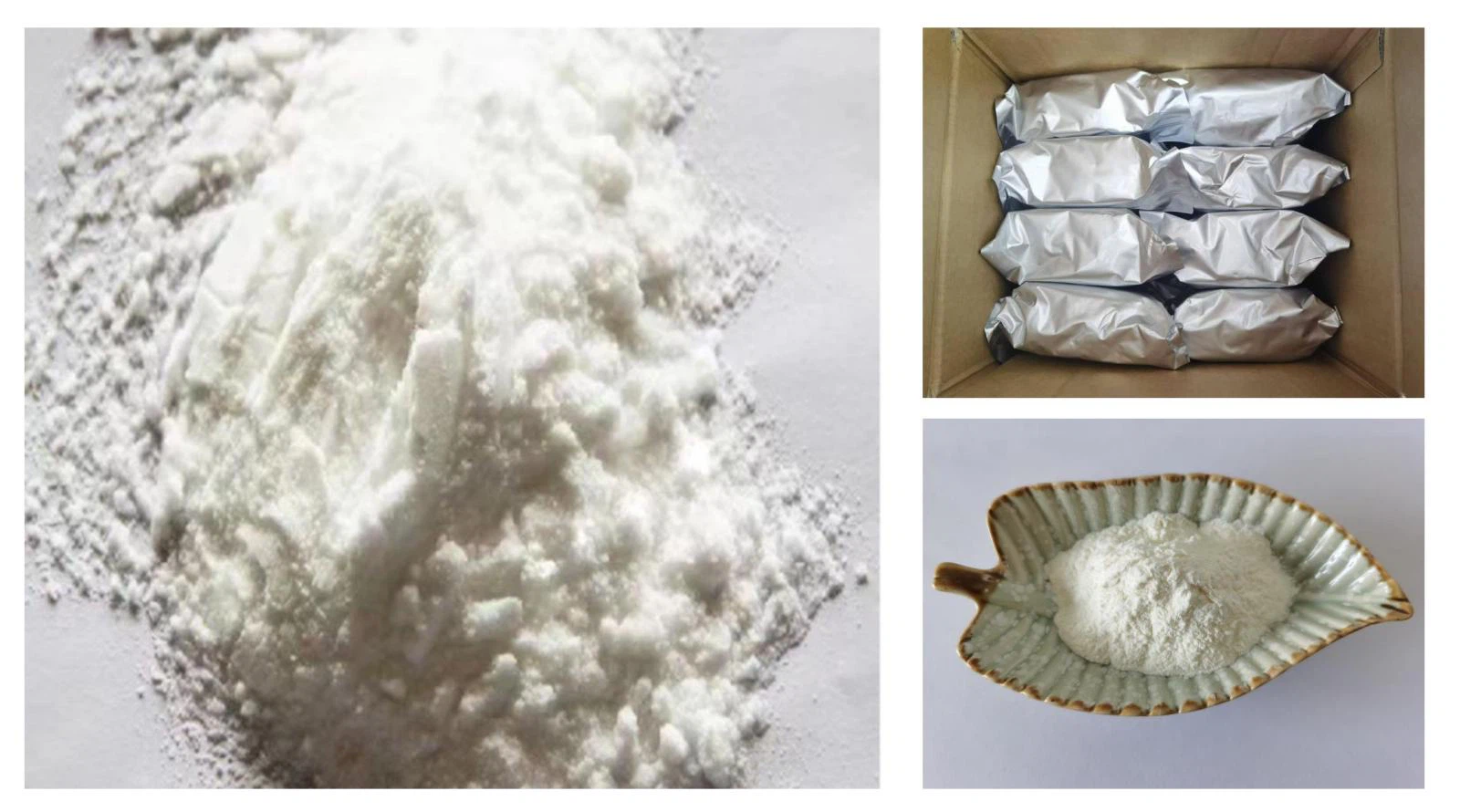
Lonierherb Supply Nervonic Acid

LonierHerb is a trusted manufacturer in plant extracts and health supplements, operating from Xi‵an High-Tech Zone. With more than a decade of expertise, we offer a complete service chain from R and D to customer support. Our GMP-certified 1500m² facility guarantees quality, and we ensure all products meet international safety standards. Trusted by clients in over 40 countries, we provide custom solutions for industries like nutrition, health beverages, and cosmetics. For more details, contact info@lonierherb.com.
References
1. Martinez M, Mougan I. (1998). Effect of dietary docosahexaenoic acid on the fatty acid composition of brain, retina, liver and adipose tissue of diabetic pregnant rats and their offspring. Journal of Nutritional Biochemistry, 9(7), 382-391.
2. Sargent JR, Coupland K, Wilson R. (1994). Nervonic acid and demyelinating disease. Medical Hypotheses, 42(4), 237-242.
3. Tanaka K, Shimazu T, Ohtsuka Y, et al. (2013). Dietary supplementation with omega-3 fatty acids and its effect on nervous system development in infants: a double-blind, randomized clinical trial. Journal of Pediatric Gastroenterology and Nutrition, 56(4), 464-470.
4. Wolff RL, Comté F, Entressangles B. (2001). Dietary nervonic acid isomers in humans: origin, metabolic fate, and content in myelinated tissues. Lipids, 36(9), 977-981.
5. Yeung CK, Chan WF, Law HK, et al. (2018). Nervonic acid and its derivatives: sources, metabolism, and potential health benefits. Critical Reviews in Food Science and Nutrition, 58(12), 2051-2065.
6. Zhang J, Zhang Z, Yang Y, et al. (2019). Nervonic acid attenuates neuroinflammation and improves myelination in multiple sclerosis mouse models. Journal of Neurochemistry, 150(5), 584-595.