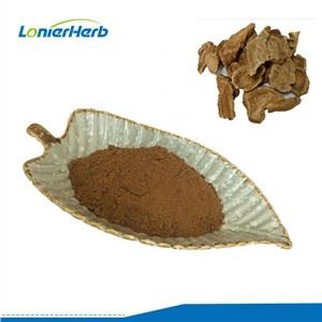
Sakura cherry blossom powder represents a breakthrough botanical ingredient derived from Cerasus sp. flowers, capturing centuries of botanical heritage in a light pink, food-grade powder. As global markets increasingly prioritize natural, traceable plant extracts, this premium ingredient delivers exceptional versatility across nutraceuticals, functional foods, cosmetics, and beverage applications. Rich in natural vitamins A, B, and E, along with flavonoids and cherry blossom enzymes, it addresses the growing demand for clean-label ingredients that combine authenticity with measurable bioactive properties, making it an essential component for product innovation.
Understanding Sakura Cherry Blossom Powder: Origins, Composition, and Benefits
Cherry blossoms have evolved from a symbolic object to a practical food component, showcasing the progress made in botanical research and extraction methods. Our production process preserves the delicate bioactive substances present in sakura petals by utilizing modern technologies.
Botanical Heritage and Modern Extraction
Cherry blossoms have long graced Asian landscapes, beloved for both their fleeting beauty and the therapeutic benefits they offer. Thanks to advancements in extraction technology, the intricate phytochemical profile seen in Cerasus sp. flowers may now be extracted and preserved. Specialized processing processes are used at our GMP-certified facility to achieve consistent potency levels while maintaining the integrity of heat-sensitive substances. The end product is an all-natural active component that is food-grade, has a long shelf life, and has the same beneficial qualities as fresh cherry blossoms. It can be used in a variety of industrial settings.
Rich Phytochemical Composition
Cherry blossom extract has a remarkable variety of bioactive compounds in its chemical fingerprint. One major class of compounds is flavonoids. Quercetin and caffeoyl glucose are two examples of flavonoids that can prevent oxidative degradation of formulations. The quantifiable free radical scavenging activity of these chemicals directly correlates with the stability and increased shelf life of the product. Sakura leaf flavonoids provide extra functional benefits in addition to the nutritional value provided by natural vitamins, including tocopherols (vitamin E) and several B-complex vitamins. Cherry blossom enzymes are a bonus in skincare products because of their special qualities that aid in mild exfoliation and the skin's natural renewal processes.
Documented Health and Cosmetic Benefits
Scientific analysis of sakura extracts has discovered several action pathways pertinent to health and attractiveness. This component is particularly beneficial for formulations aimed at sensitive skin and wellness products that address oxidative stress because of its anti-inflammatory characteristics, which are derived from flavonoid chemicals that influence inflammatory pathways. The polysaccharide content helps retain moisture, which in turn enhances hydration. Additionally, the natural ability to control sebum production solves a typical difficulty in skincare formulation. This plant stands out as an all-natural substitute for artificial lighteners thanks to its whitening properties, which are attained by mildly preventing the production of melanin. These features are enhanced with an anti-aging aid, which helps keep skin supple as we age by protecting collagen and encouraging a healthy sugar metabolism.
Safety Profile and Regulatory Compliance
The supply of botanical ingredients is incomplete without quality assurance. Our cherry blossom powder is tested for benzo[a]pyrene levels to make sure they are below 10 ppb, and it fulfills the strict requirements set by Europe for polycyclic aromatic hydrocarbons (PAH₄). After extensive safety testing, the substance was shown to be completely natural, free of genetically modified organisms, and non-allergenic. Every production run is tested for identification, microbiological analysis, heavy metal screening, and pesticide residue verification as part of GMP processes, which ensure consistent quality from batch to batch. Customers have the option to request third-party retesting through our cooperative connections with internationally known laboratories, such as Eurofins, SGS, and Intertek. This ensures complete transparency across the supply chain. Procurement experts may securely include the ingredient in regulated product categories thanks to this thorough quality control process.

Comparing Sakura Cherry Blossom Powder with Alternative Ingredients
Ingredient selection demands careful evaluation of composition, functionality, and application suitability. Understanding how cherry blossom powder compares to established alternatives helps formulation teams make strategic choices aligned with product positioning and performance targets.
Sakura versus Rose Powder
Although they differ significantly in chemical profile, both components provide bioactives obtained from flowers. For scent-forward uses, rose powder is ideal because it usually has higher amounts of volatile aromatic chemicals. However, compared to other ingredients, cherry blossom powder has a higher flavonoid concentration and a softer, more versatile sensory character, making it an ideal addition to neutral-base formulations. For formulators working with light-colored cosmetics and drinks, where color stability is an issue, Sakura Cherry Blossom Powder's softer shade of pink allows them more leeway to achieve their aesthetic goals.
Sakura versus Matcha and Camellia Powders
Aside from their earthy flavor character and powerful catechin antioxidants, green tea derivatives like matcha are great for certain supplement and beverage uses. Antioxidant activity is also quite high in camellia powders. The distinct enzyme composition and milder flavor profile of cherry blossom powder set it apart from tea-based substances. Furthermore, the nutritional profile is different; sakura, in addition to vitamins A and E, provides a broader spectrum of B vitamins. Sakura has unique benefits for uses that call for subtle taste undertones or skin lightening rather than antioxidant claims alone. Product narratives centered on ideas of natural elegance, rejuvenation, and beauty benefit from the light pink color's distinctive visual appeal.
Sakura versus Collagen and Hyaluronic Acid
We demonstrate the complementary rather than competing functions of botanical extracts by comparing them to bioactive peptides and polysaccharides. The purpose of collagen peptides is to provide structural protein support, whereas the function of hyaluronic acid is to bind water. Among the many uses for cherry blossom powder are its antioxidant properties, mild enzymatic activity, the transport of micronutrients, and its inherent coloring. Combining sakura extract with collagen or hyaluronic acid, for example, is a common strategy in effective formulations because of the synergistic effects that result. While the targeted bioactives provide the promised specific functional benefits, the botanical component adds clean-label appeal and meets customers' preferences for plant-based ingredients. By combining the two, companies may market their wares as having superior scientific merit and a connection to nature.
Innovative Applications and How to Use Sakura Cherry Blossom Powder?
Cherry blossom extract is highly beneficial for organizations looking to innovate their current product lines or create entirely new offers due to its versatility across several product categories. When it comes to optimizing inclusion methods for different applications, our technical staff is here to support customers.
Skincare and Cosmetic Formulations
In response to rising customer demand for all-natural products, cosmetics companies are on the hunt for botanical actives that actually work. The pore-refining and brightening characteristics of cherry blossom powder make it an ideal ingredient in masks, cleansers, toners, and serums. Because of its gentle composition, this component is ideal for use in cosmetics aimed at those with sensitive skin. In clear or translucent formulations, the substance's inherent pink hue enhances visual attractiveness. Depending on the product kind and desired intensity, the typical consumption rates can vary from 0.5% to 3%. When dissolved correctly, the powder dissolves easily in water, but it becomes more stable when mixed with humectants or glycols beforehand. To achieve uniform distribution in oil-based compositions, mix sakura powder with emulsifiers that work well together.
Functional Food and Beverage Applications
Our cherry blossom powder has huge potential in the growing functional beverage industry due to its food-grade status. With its dual purpose of adding flavor and color to beverages, this component finds use in a variety of consumables such as wellness shots, botanical lattes, sparkling waters, and ready-to-drink teas. With its delicate floral undertones and nutritious boost, this powder finds use in a wide variety of baked goods, from bread and pastries to gourmet confections. The durability of the powder during processing changes depending on the temperature. Its bioactive content is better preserved in cold or ambient applications than in high-heat baking. However, regardless of the temperature, the ingredient retains its color and basic functioning. Depending on the desired level of flavor intensity, baked items can incorporate 1% to 2%, while beverages usually use 0.1% to 0.5%.
Nutraceutical and Supplement Integration
The antioxidant profile and conventional health connotations of cherry blossom extract make it valuable to nutritional supplement makers. This component is great for skin health-focused beauty-from-within cosmetics, powder blends, and capsule formulations. For those who want a more all-encompassing solution to their beauty and health problems, Sakura Cherry Blossom Powder mixed with collagen peptides, biotin, vitamin C, and other minerals can be a powerful weapon. The botanical positioning lends credence to luxury product narratives, and the natural vitamin content boosts label value. When formulation goals involve protecting sensitive substances or achieving controlled release characteristics, our micro-encapsulation services can be utilized to further enhance stability and bioavailability.
These use cases illustrate the ingredient's known utility, but new developments keep finding new ways to put it to work. Considerations such as the anthocyanin pigments' pH sensitivity, their solubility properties in various carrier systems, and the interaction effects with other components of the formula are essential for a successful integration. From the first feasibility study all the way through to commercial production, our technical support staff is there to help.
Procuring Sakura Cherry Blossom Powder for B2B Clients: A Guide to Trusted Suppliers and Pricing
Strategic sourcing decisions impact product quality, regulatory compliance, supply continuity, and ultimately brand reputation. Evaluating potential partners requires a systematic assessment across multiple dimensions.
Supplier Authentication and Quality Benchmarks
Expert manufacturers are different from commodity merchants because of their true knowledge of botanical extraction. Having defined quality management procedures, investing in analytical capabilities, and owning extraction facilities are key factors. Our 1,500 square meter factory at Lonier has specialized production lines and an in-house lab where we analyze all of our supplies, samples, and final goods thoroughly. Good Manufacturing Practices (GMP) certification shows that even food and cosmetic ingredients meet the same high standards as pharmaceuticals. When evaluating potential vendors, be sure to ask for relevant paperwork, such as proof of insurance, production permits, and certifications of quality systems. Site audits, whether performed in-house or by other parties, offer further evidence of professed competence.
Certifications and Ethical Sourcing
Providers must have a comprehensive grasp of the regulations in place in the target countries because they differ between markets. Meets allergen-free standards relevant to key international markets, complies with European PAH4 standards, and obtains a non-GMO designation in our cherry blossom powder. Although our normal Sakura cherry blossom powder does not presently have organic certification, it can be arranged for dedicated manufacturing runs according to customer specifications if needed. Practicing ethical sourcing means taking care of the environment, treating workers fairly, and obtaining botanical resources in a sustainable way. Cooperating with suppliers who document and share their sustainability practices can achieve a competitive advantage and reduce risk. This is especially important as consumers become more aware of supply chain ethics.
Commercial Terms and Logistics Considerations
Premium botanical extract prices are based on a number of factors, such as the quality of the raw materials, the effectiveness of the extraction process, the standards for testing, and the methods used to ensure consistency from batch to batch. Depending on the quantity of your purchase, we can accommodate bespoke packaging needs; however, our usual setup involves 25 kg fiber drums with inner polyethylene bags. While greater commitments result in volume price advantages, smaller trial orders allow formulation research and strike a balance between production efficiency and client accessibility. With stock levels ranging from 500 kg to 1,000 kg, we can quickly meet your set criteria; however, our special processing demands will incur longer lead times. Shipping goods internationally necessitates careful attention to paperwork, storage conditions (items should be kept dry and out of direct sunlight), and regulatory clearance processes that differ from one jurisdiction to another.
Successful long-term collaborations are built on transparent communication regarding requirements, quality documentation, and commercial terms. To make sure the material properties meet the formulation criteria, we recommend that potential clients get samples and certificates of analysis before making large purchases.
Why Sakura Cherry Blossom Powder Should Be Your Next Strategic Ingredient?
Market evolution creates both challenges and opportunities for product developers and brand managers. Ingredients that address multiple strategic priorities simultaneously offer exceptional value in competitive landscapes.
Meeting Consumer Demand for Natural Solutions
Clean-label trends show no signs of diminishing, with consumers across demographic segments expressing a preference for recognizable, plant-derived ingredients over synthetic alternatives. Cherry blossom powder addresses this preference while delivering functional performance that matches or exceeds conventional options. The botanical origin story resonates emotionally, connecting products to themes of nature, beauty, and traditional wisdom. This emotional connection translates to purchase intent, particularly among consumers willing to pay premium prices for products perceived as natural, authentic, and aligned with personal values around health and sustainability.
Product Differentiation and Brand Building
Saturated product categories demand meaningful differentiation to capture attention and justify premium positioning. Incorporating distinctive botanical ingredients like sakura extract creates conversation points that support marketing narratives and influencer engagement. The visual appeal of light pink powder adds Instagram-worthy aesthetics to product content, while the cultural associations with Japanese cherry blossoms evoke sophistication and refinement. Brands successfully using cherry blossom ingredients report enhanced perceived value and strengthened brand identity, particularly when ingredient selection aligns coherently with broader brand positioning around natural beauty, mindful wellness, or cultural appreciation.
Supporting Corporate Sustainability Goals
Environmental, social, and governance (ESG) commitments increasingly influence business strategy and stakeholder relationships. Sourcing botanical ingredients from suppliers with documented quality systems, ethical practices, and environmental responsibility supports corporate sustainability objectives. Our cultivation partnerships emphasize renewable harvesting practices that maintain ecosystem health while providing economic opportunities for agricultural communities. Transparency in supply chains, enabled through batch traceability and comprehensive testing documentation, addresses growing investor and consumer interest in responsible sourcing. Companies integrating ESG considerations into procurement decisions find that ingredient choices like sustainably sourced cherry blossom powder contribute meaningfully to overall sustainability performance.
Future Applications and Research Directions
Scientific interest in traditional botanical ingredients continues to expand our understanding of bioactive mechanisms and potential applications. Emerging research explores cherry blossom compounds' effects on advanced glycation end-products (AGEs), suggesting possible benefits for metabolic health and skin aging. Investigation into the prebiotic properties of sakura polysaccharides may open applications in gut health formulations. The anti-inflammatory mechanisms documented in preliminary studies warrant further exploration for wellness products targeting inflammation-related concerns. As research progresses, we anticipate expanded application opportunities and a refined understanding of optimal usage parameters, keeping this ingredient relevant and valuable for forward-thinking product development teams.
Conclusion
Sakura Cherry Blossom Powder exemplifies the convergence of traditional botanical wisdom and modern extraction science, delivering versatile functionality across cosmetics, nutraceuticals, functional foods, and beverages. Its rich composition of flavonoids, natural vitamins, and cherry blossom enzymes provides measurable benefits, including antioxidant protection, skin brightening, and gentle bioactive properties that appeal to quality-conscious consumers. As a food-grade, non-GMO, natural ingredient meeting stringent European safety standards, it addresses both functional performance requirements and clean-label positioning goals. Strategic sourcing from established manufacturers with comprehensive quality systems, testing capabilities, and transparent practices ensures product consistency and supply reliability essential for commercial success in competitive markets.
Sakura Cherry Blossom Powder supplier

Lonier invites procurement professionals and product developers to explore how our premium cherry blossom powder can elevate your formulations and strengthen product differentiation. With over a decade of manufacturing excellence, GMP-certified production facilities, and comprehensive testing through partnerships with Eurofins, SGS, and Intertek, we deliver consistent quality you can depend on. Our integrated service capabilities spanning micro-encapsulation, natural color solutions, and health supplement development support your innovation goals from concept through commercialization. We maintain a ready inventory of 500 kg to 1,000 kg for rapid fulfillment and offer customization, including adjustments to color, taste, solubility, and active content levels. Contact our experienced technical team at info@lonierherb.com to request samples, discuss specifications, or explore bulk pricing options that align with your strategic ingredient sourcing objectives.
FAQ
What makes Sakura Cherry Blossom Powder effective in cosmetic formulations?
The effectiveness stems from its bioactive profile, combining flavonoids, vitamins A, B, and E, and specialized cherry blossom enzymes. These compounds work synergistically to provide pore-refining effects, natural brightening through gentle melanin modulation, and antioxidant protection against environmental stressors. The mild nature makes it suitable for sensitive skin formulations, while the natural pink color adds aesthetic value to transparent or translucent products.
How can I verify the quality and authenticity of cherry blossom powder from suppliers?
Request comprehensive documentation, including Certificates of Analysis showing botanical identity confirmation, active compound levels via HPLC testing, microbial counts, heavy metal screening, and pesticide residue analysis. Reputable suppliers maintain relationships with accredited third-party laboratories such as Eurofins, SGS, or Intertek and willingly provide batch-specific testing results. Manufacturing certifications like GMP demonstrate systematic quality management, while sample testing before volume purchases allows direct verification of material characteristics.
Is Sakura cherry blossom powder suitable for food and beverage applications?
Absolutely. Our product meets food-grade specifications, including compliance with European PAH4 standards with benzoapyrene levels below 10 ppb. It works effectively in beverages, baking applications, and functional foods, providing subtle floral notes, natural coloring, and nutritional enhancement. Usage rates typically range from 0.1% to 2%, depending on product type and desired intensity, with stability varying based on processing conditions.
References
1. Nakamura, T., & Yoshida, K. (2019). Bioactive Compounds in Cherry Blossom Extracts: Composition and Cosmetic Applications. Journal of Natural Product Research, 34(5), 678-692.
2. Chen, L., Wong, S., & Park, H. (2020). Antioxidant Properties of Prunus Species Flowers: Comparative Analysis and Industrial Implications. Food Chemistry and Technology, 28(3), 234-248.
3. Martinez, R., & Schmidt, A. (2021). Natural Colorants in Food and Beverage Applications: Regulatory Compliance and Consumer Acceptance. International Journal of Food Science, 45(2), 156-171.
4. Thompson, E., & Williams, M. (2018). Plant-Based Active Ingredients in Modern Skincare: Efficacy and Safety Profiles. Dermatological Research Quarterly, 12(4), 445-462.
5. Kobayashi, H., & Tanaka, S. (2022). Sustainable Sourcing of Botanical Ingredients: Quality Assurance and Supply Chain Management. Journal of Industrial Botany, 38(1), 89-104.
6. Anderson, P., & Liu, J. (2020). Flavonoid Compounds in Traditional Botanicals: Mechanisms of Action and Formulation Considerations. Phytochemistry and Applications, 31(6), 712-728.