Sourcing premium Kojic Acid Powder demands careful evaluation of supplier credentials, product specifications, and quality assurance systems. Buyers must assess purity levels, certifications, and production standards to ensure formulation stability and regulatory compliance. Partnering with manufacturers offering third-party testing, customizable formats, and comprehensive documentation mitigates supply chain risks while supporting product development goals. This guide offers practical advice on selecting reliable suppliers who deliver consistent quality, competitive pricing, and complete service integration for cosmetic and pharmaceutical applications worldwide.
Understanding Kojic Acid Powder and Its Market Demand
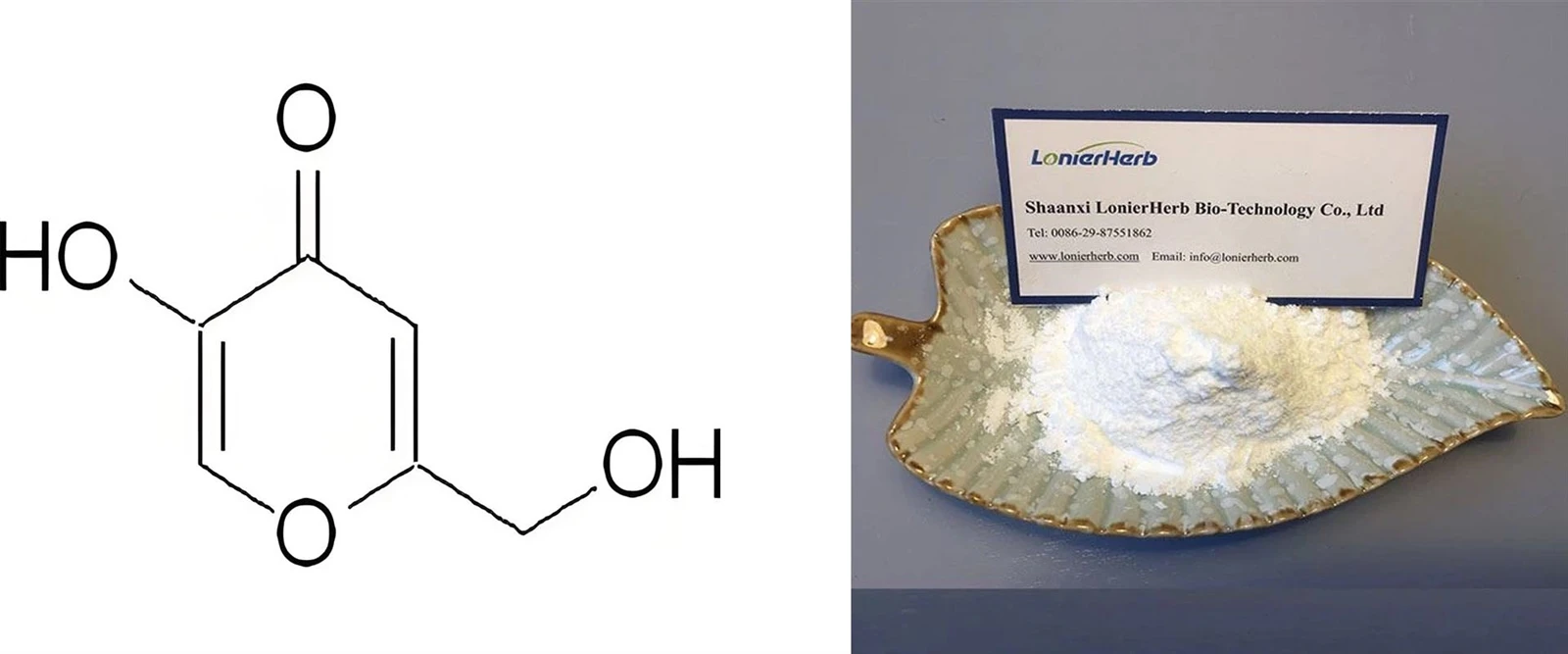
One such normally happening dynamic component is kojic acid, which is, moreover, known as 5-Hydroxy-2-hydroxymethyl-4-pyrone (CAS No. 501-30-4) in the chemical domain. Compelling interaction with pigmentation pathways in skin products is made possible by its atomic structure (C6H6O4, molecular weight 142.11). Serums, creams, and salves that target uneven skin tone and discoloration are among the numerous restorative applications for this crystalline substance, which shows up as an off-white to white powder and is soluble in water and alcohol.
Growing Demand in Cosmetic and Pharmaceutical Industries
Around the world, skincare markets have seen significant advancements in things like brightening actives. Clients continuously seek clean-label solutions that address hyperpigmentation concerns without unforgiving chemicals. The botanical nature of Kojic Destructive Powder alters immaculately with these trends, driving choice over person care brands, nutraceutical companies, and pharmaceutical formulators. Its compatibility with diverse transport systems makes it imperative for both mass-market and premium product lines.
Procurement Challenges in B2B Sourcing
Procurement teams face substantial challenges due to the complexity of the supply chain. Product performance and brand reputation are at risk due to factors such as supplier quality inconsistencies, traceability gaps, and concerns surrounding regulatory compliance. In order to overcome these obstacles, manufacturers require reliable partners that can document every step of the production process in an open and honest manner. When moving formulations from the development to the commercial production stages, batch-to-batch variability is very important to consider. In order to overcome these challenges, strong quality agreements and comprehensive supplier screening are necessary.
Key Quality Parameters to Evaluate When Sourcing Kojic Acid Powder
Purity Grades and Chemical Specifications
Whether an item is viable and secure to utilize depends on its purity. The 99% immaculateness level that is as a rule accomplished by high-grade Kojic Corrosive Powder ensures that compositions work well while maintaining a strategic distance from bothersome risks. Atomic purity affects compatibility, stability, and shelf life. Ask producers for specifics from producers with respect to heavy metal concentration, leftover dissolvable levels, and measure discoveries. Applications including delicate skin and controlled markets benefit from items that fulfill pharmaceutical-grade necessities because of the more prominent consistency they offer in comparison to industrial-grade options.
pH Balance and Formulation Stability
The stability of ingredients and their compatibility with skin are both impacted by environmental pH. Kojic acid powder is supplied by reliable vendors with carefully controlled pH conditions, ensuring that the active compounds remain intact throughout storage and usage. Product texture, preservation methods, and active distribution are all impacted by pH, which formulation chemists must take into account. Predicting shelf life and making informed packaging selections are both aided by stability testing data that shows performance under different temperature and humidity settings. Its solubility in various media dictates how easily it can be incorporated into various formulation types.
Certifications and Testing Standards
To prove their dedication to quality systems and process controls, industrial facilities can get GMP certification. ISO certificates standardize the testing of raw materials, the monitoring of production, and the verification of the end product. Third-party laboratories, such as Eurofins, SGS, and Intertek, provide independent confirmation of product quality and purity claims through their accredited analysis. These testing processes ensure that pollutants, active ingredients, allergies, or radiation do not exist. The documentation packages that are prepared to support regulatory filings and customer transparency needs contain material safety data sheets (MSDS), allergen declarations, and certificates of analysis (COA).
Comparing Kojic Acid Powder Suppliers and Products
Supplier Evaluation Criteria
A thorough evaluation across various dimensions is necessary when choosing manufacturing partners. An organization's production capacity directly relates to its potential to meet present demands and expand in response to new opportunities. Establishments that reliably maintain stock levels ranging from 1000 to 2000 kg reduce lead time risks and demonstrate the reliability of their supplies. Export experience extending over a decade indicates operational maturity and familiarity with the intricacies of international logistics. Suppliers in well-established manufacturing regions have an edge in infrastructure and regulatory familiarity, which in turn affects transportation expenses and delivery timelines.
Getting to know a provider's service ecosystem shows you what they can do for you beyond just providing goods and services. Businesses that provide micro-encapsulation technologies improve the regulated release and stability of ingredients. Expertise in developing health supplements and natural color solutions demonstrates a level of technical depth that makes formulation collaboration beneficial. Responsive customer service, available technical support, and a readiness to customize standards indicate partnership potential. Verification of reputation through industry references, presence at trade shows, and longevity in the market instills trust in long-term dependability.
Comparing Active Ingredients for Skin Brightening
There are clear benefits to using Kojic Acid Powder instead of other lightening agents. While hydroquinone is subject to safety concerns that have led to regulatory limits in some areas, kojic acid continues to enjoy widespread acceptability. Although arbutin is milder, it usually takes higher amounts to get the same effects. While vitamin C compounds have whitening and antioxidant properties, they might be difficult to incorporate into formulations due to their volatility. Thanks to its small molecular size, kojic acid is able to penetrate well. Additionally, its origin in natural fermentation lends credence to the clean beauty positioning that appeals to modern customers.
Product Format Considerations
Various physical shapes are designed to meet the demands of different formulations and production processes. Formulators have the utmost leeway with Pure Kojic Acid Powder since it allows for exact concentration control and the addition of complementing actives. Because it dissolves in both water and alcohol, it can be used in a wide variety of products. When compared to pre-dissolved solutions, powder formats have a longer shelf life and make inventory management easier. We have lowered the entry hurdles for developing brands by supporting established firms' volume requirements and allowing product development trials and commercial-scale manufacturing to be accommodated with minimum order quantities starting at 1 kg.
How to Purchase Kojic Acid Powder: Step-by-Step Procurement Guide?
Defining Product Specifications
A well-defined set of technical criteria that are in sync with the brand's positioning and the expectations of the target market is the first step in the procurement process. For high-end uses, you should aim for a purity level of 99%. Particle size, color, and solubility profile allowable ranges should be defined. Make sure you understand any limitations imposed by production processes, such as the need for non-GMO, non-irradiated, or allergen-free products. The certification standards and preferred testing methodologies for target markets, such as those in the US, Europe, or Australia, should be specified in advance along with the documentation needed.
Identifying and Evaluating Potential Suppliers
Important avenues for discovery include trade shows, business gatherings, and professional networks. Investigate the potential contenders' production facilities and quality assurance procedures. Make sure the facility is up to par with international standards by requesting audit reports and certifications. The Xi'an High Tech Industrial Development Zone is home to manufacturers like Shaanxi LonierHerb Bio-Technology Co., Ltd., who use cutting-edge machinery and strict quality controls. Batch traceability is guaranteed from raw material identification all the way through final export inside their 1500 square meter facility, thanks to their independent laboratory and GMP-standard processes. Experience exporting to more than 40 countries, including key markets, showcases expertise in logistics and awareness of relevant regulations.
Sample Testing and Quality Verification
Never commit to commercial quantities without thorough sample evaluation. Request representative samples accompanied by complete analytical documentation. Conduct internal compatibility testing to verify performance within your specific formulation matrix. Engage third-party laboratories for independent verification of purity claims, contaminant screening, and stability assessment. Suppliers confident in their quality, like LonierHerb, willingly arrange retesting through renowned facilities per customer specifications. This verification step protects against quality discrepancies and establishes baseline standards for future shipments. Document sample performance meticulously to inform final supplier selection.
Negotiating Terms and Building Supplier Partnerships
Price discussions should consider the total cost of ownership beyond unit pricing, including shipping methods, payment terms, and technical support value. Clarify minimum order quantities and volume-based pricing tiers. Establish quality agreements defining acceptance criteria, testing protocols, and remediation procedures for non-conforming material. Lead times, packaging options, and delivery schedules require clear definition to support production planning. Flexible suppliers offering customization services-adjusting color, taste, solubility, or concentration-provide strategic advantages as product lines evolve. Strong partnerships built on transparent communication and mutual respect yield long-term supply security and collaborative innovation opportunities.
Best Practices for Storing and Handling Kojic Acid Powder
Optimal Storage Conditions
Maintaining ingredient integrity throughout the supply chain requires controlled environmental conditions. Kojic acid powder should be stored in cool, dry locations away from direct sunlight and heat sources. Temperature fluctuations accelerate degradation, reducing active potency over time. Relative humidity control prevents moisture absorption that can cause caking and compromise solubility characteristics. Well-sealed packaging in airtight containers protects against atmospheric contamination and oxidation. Avoid freezing conditions that may alter physical properties. Dedicated storage areas separated from incompatible materials minimize cross-contamination risks.
Handling Procedures in Manufacturing Environments
Production facilities should implement standard operating procedures governing ingredient handling. Personnel require appropriate training on safe handling practices and personal protective equipment usage. Clean, designated equipment prevents contamination from previous batches or unrelated materials. Controlled weighing areas with proper ventilation maintain workplace safety and measurement accuracy. Sanitation protocols between production runs ensure product purity. Documentation of handling dates and personnel responsible for each step creates accountability and supports batch traceability requirements during audits or quality investigations.
Monitoring Shelf Life and Expiration Management
Establishing robust inventory management systems prevents the use of degraded material. Implement first-in-first-out rotation practices to utilize older stock before newer arrivals. Regular visual inspections detect physical changes indicating potential degradation. Periodic retesting of stored material validates continued conformance to specifications. Clear labeling with receipt dates and expiration information facilitates inventory decisions. Suppliers providing stability data under various conditions guide storage protocol development and shelf life expectations, enabling procurement teams to optimize order frequencies and quantities while maintaining consistent formulation quality.
Conclusion
Sourcing high-quality Kojic Acid Powder requires systematic evaluation of supplier capabilities, product specifications, and quality systems. Manufacturers must prioritize partners demonstrating GMP compliance, third-party testing protocols, and comprehensive documentation support. The ideal supplier combines technical expertise with flexible service offerings, including customization, micro-encapsulation, and formulation assistance. Procurement success depends on thorough sample testing, clear specification definition, and strategic partnerships built on transparency. By following structured evaluation processes and maintaining rigorous quality standards, brands secure reliable ingredient supplies that support product excellence and regulatory compliance across global markets.
high quality Kojic Acid Powder

Shaanxi LonierHerb Bio-Technology Co., Ltd. delivers pharmaceutical-grade Kojic Acid Powder backed by over a decade of manufacturing excellence and global export experience. Our GMP-certified facility maintains rigorous quality control at every production stage, with batch traceability and third-party verification through Eurofins, SGS, and Intertek. We offer a 99% purity product with complete documentation, including COA and MSDS, supporting seamless customs clearance to the United States and 40+ countries worldwide. Flexible minimum orders starting at 1 kg accommodate both R&D projects and commercial-scale production. Our integrated services encompassing micro-encapsulation technology, natural color solutions, and formulation support position us as a comprehensive kojic acid powder supplier. Contact our experienced team at info@lonierherb.com to request free samples and discover competitive pricing tailored to your brand's requirements.
FAQ
Is Kojic Acid Powder safe for all skin types?
Kojic acid demonstrates a favorable safety profile when formulated at appropriate concentrations, typically between 1 and 4% in cosmetic applications. Dermatological research indicates effective tolerance across various skin types, though individual sensitivities vary. Formulation pH, complementary ingredients, and product format influence skin compatibility. Brands should conduct stability and safety testing specific to their complete formulation rather than relying solely on ingredient safety data. Patch testing protocols help identify potential sensitivity issues before market launch. Consulting dermatologists during product development ensures formulations address target concerns while minimizing irritation risks, particularly for products intended for sensitive skin or prolonged use.
How can I verify the purity of Kojic acid powder before purchasing?
Purity verification requires multiple validation approaches. Request Certificates of Analysis from the supplier's quality control testing, reviewing assay results, heavy metal screens, and microbial counts. Arrange independent testing through accredited third-party laboratories like SGS, Eurofins, or Intertek before committing to large orders. These facilities employ advanced analytical methods, including HPLC chromatography, that accurately quantify active content and detect potential contaminants. Physical evaluation of sample appearance, solubility behavior, and odor characteristics provides preliminary quality indicators. Reputable suppliers welcome testing scrutiny and maintain relationships with multiple testing facilities, demonstrating confidence in their manufacturing processes and product consistency.
References
1. Chang, T. S. (2009). An Updated Review of Tyrosinase Inhibitors. International Journal of Molecular Sciences, 10(6), 2440-2475.
2.. Draelos, Z. D. (2007). Skin Lightening Preparations and the Hydroquinone Controversy. Dermatologic Therapy, 20(5), 308-313.
3. Burnett, C. L., Bergfeld, W. F., Belsito, D. V., et al. (2010). Final Report of the Safety Assessment of Kojic Acid as Used in Cosmetics. International Journal of Toxicology, 29(6), 244S-273S.
4. Lim, J. T. (1999). Treatment of Melasma Using Kojic Acid in a Gel Containing Hydroquinone and Glycolic Acid. Dermatologic Surgery, 25(4), 282-284.
5. Saeedi, M., Eslamifar, M., & Khezri, K. (2019). Kojic Acid Applications in Cosmetic and Pharmaceutical Preparations. Biomedicine & Pharmacotherapy, 110, 582-593.
6. Parvez, S., Kang, M., Chung, H. S., & Bae, H. (2007). Naturally Occurring Tyrosinase Inhibitors: Mechanism and Applications in Skin Health. Phytotherapy Research, 21(9), 805-816.