Idebenone powder for skin demonstrates notable potential in improving skin elasticity through its dual mechanism of enhancing collagen synthesis while simultaneously neutralizing oxidative stress. Clinical research indicates that formulations containing 0.5% to 2% idebenone antioxidant can strengthen the dermal extracellular matrix, which directly supports skin firmness and reduces visible sagging. Unlike many conventional antioxidants that lose potency under oxidative conditions, this synthetic analog of coenzyme Q10 maintains activity even in low-oxygen environments typical of aged or photodamaged skin, making it particularly effective for addressing loss of elasticity associated with environmental aging and UV-induced collagen degradation.
Understanding Idebenone Powder and Its Skin Benefits
Recent years have seen a dramatic change in the skincare industry's focus on anti-aging products backed by science. Formulators looking for stable, high-performance antioxidants have found idebenone powder for skin to be a powerful weapon among these. Although idebenone was first used to treat mitochondrial problems in neurological diseases, its ability to protect cells has been very helpful in skin care, especially for fighting the signs of aging.
What Makes Idebenone Powder Unique Among Antioxidants?
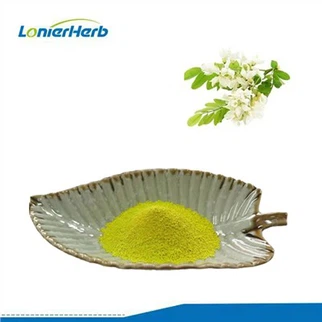
The chemical formula of idebenone (C19H30O5) and its molecular weight of just 338.44 g/mol are those of a synthetic substance; its CAS number is 58186-27-9. When compared to its naturally occurring analog, coenzyme Q10, this compact structure is a 66% reduction. Idebenone is able to penetrate the stratum corneum more effectively due to its smaller molecular size, which enables it to reach the dermal and epidermal layers, where aging processes take place. The compound's orange-yellow crystalline powder appearance reflects its active benzoquinone core structure. It is suitable for a wide range of formulations due to its solubility in lipophilic vehicles, including ethanol, methanol, and cosmetic oils, but it does not dissolve in water.
Comprehensive Skin Benefits Beyond Elasticity
Incorporating idebenone powder for skin into cosmetic formulas has many benefits, including improving suppleness. In research comparing Oxygen Radical Absorbance Capacity (ORAC), its remarkable antioxidant capacity outshines that of ascorbic acid, tocopherol, and even conventional CoQ₁₀. Multiple skin benefits result from its better free radical scavenging ability. Hyperpigmentation is reduced through restriction of melanin formation; acne-prone skin heals faster after inflammation; and overall skin brightness is enhanced. Regardless of skin type, especially extremely sensitive or reactive skin, idebenone shows remarkable tolerance, in contrast to many strong actives that irritate. The substance protects cells from the damage that particulate matter and heavy metals, which are becoming more common in urban areas, might cause by blocking lipid peroxidation inside their membranes.
When compared to vitamin C (5% concentration) or fullerene derivatives (1% concentration), idebenone's modest 0.5% concentration is sufficient to produce noticeable antioxidant properties, which is a boon to formulators. A compelling advantage for manufacturers building luxury yet cost-effective product lines is this concentration efficiency, which decreases formulation costs while preserving efficacy. In comparison to more conventional antioxidants, this one has a better stability profile and doesn't produce any more free radicals while neutralizing them, which is an issue with some of them in some environments.

How Idebenone Powder Improves Skin Elasticity: Scientific Insights?
Understanding the biological mechanisms through which idebenone powder for skin enhances elasticity requires examining both its direct cellular effects and its protective functions against elasticity-degrading factors. Skin elasticity depends primarily on the integrity and density of structural proteins within the dermis, particularly collagen and elastin fibers that form the extracellular matrix supporting skin architecture.
Collagen Synthesis Stimulation and Matrix Support
Idebenone increases cutaneous fibroblast collagen synthesis by activating specific biological pathways. Scientific studies have shown that the antioxidant idebenone can boost the production of collagen by increasing the mRNA expression of the genes for type I and type III collagen. At the same time, the chemical blocks matrix metalloproteinases (MMPs), which are enzymes responsible for the aging-related degradation of elastin and collagen. This two-pronged approach boosts production and reduces breakdown, improving both dermal density and resilience. The enhanced extracellular matrix improves the skin's resilience to mechanical stress and diminishes the visibility of fine wrinkles by reinforcing the epidermis's structural integrity.
Protection Against Environmental Elasticity Loss
Elasticity degradation is mostly caused by environmental conditions. UV light breaks down collagen fibers and sets off inflammatory cascades that speed up the degradation of the matrix. Before these free radicals can cause structural harm, idebenone's powerful antioxidant capabilities eliminate them. Its distinctive selling point is that, unlike competing antioxidants, it keeps working even when oxygen levels drop, which can happen in photoaged or poorly perfused skin. Similarly, skin firmness is compromised by oxidative stress caused by pollution exposure. Research shows that using idebenone powder on the skin can prevent oxidative damage caused by particle matter, which is crucial for keeping the skin's suppleness. Because it is lipophilic, the chemical can cross cell membranes and offer persistent defense against oxidative stress.
Comparative Efficacy Against Peptides and Retinoids
Idebenone shows the same or better outcomes without the irritation potential of retinol derivatives and peptide complexes, which are frequently utilized for firming effects. For peptides to penetrate the skin effectively, the skin barrier function must be intact. Additionally, peptides may become unstable at certain pH levels. Retinoids are quite effective, but patients aren't always willing to take them because they create side effects like redness, dryness, and photosensitivity. Idebenone powder for skin is great for mixture formulations and people who can't handle stronger active ingredients because it has strong anti-aging properties with few adverse effects. This compound's molecular structure makes it easy to absorb without the need for complicated delivery methods, which streamlines the development of formulations without sacrificing clinical effectiveness.
Practical Usage Guide: Incorporating Idebenone Powder into Skin Care Routines
Successfully integrating idebenone powder for skin into commercial formulations requires understanding optimal concentrations, compatible ingredients, and application methodologies that maximize bioavailability and consumer satisfaction. B2B clients developing new product lines benefit from evidence-based formulation strategies that balance efficacy with stability and user experience.
Optimal Concentration Ranges and Formulation Considerations
Clinical trials show that idebenone concentrations ranging from 0.5% to 2% positively impact skin elasticity, texture, and photodamage markers. Products designed for daily use at a dosage of around 0.5% are ideal for prevention and maintenance, while intensive therapy serums at a concentration of about 2% are best suited for moderate to advanced elasticity loss. With the powder form, you can easily manage the concentration and use it with various delivery systems, such as anhydrous serums, lipid-based emulsions, and liposomal preparations. This is a major improvement over pre-formulated creams. When creating aqueous formulations of idebenone, it is important to take into account the compound's lipophilic nature and use suitable solubilizers to avoid recrystallization and promote even dispersion throughout the matrix.
Idebenone powder for skin should be added during the cool-down phase of emulsion preparation, usually below 40°C, to protect its antioxidant activity, as it is temperature sensitive during manufacturing. Some brands use the compound's orange-yellow color to tint formulas; others address this issue by using encapsulation technologies or complementary colorants. Products with opaque, airless dispenser packaging have a longer shelf life because the active ingredient is less likely to deteriorate over time due to exposure to light and oxygen.
Synergistic Ingredient Combinations for Enhanced Results
To improve its elasticity benefits and target many aging pathways at once, idebenone is carefully combined with other active ingredients. Enhancing barrier function and reducing inflammation, the combination of 3-5% niacinamide (vitamin B3) and idebenone powder for skin creates ideal conditions for collagen formation. For older skin that has lost some of its suppleness and has had its barrier function weakened, this combination may be a lifesaver. While idebenone prevents oxidative damage to newly produced proteins, peptide combinations-especially those containing matrixyl derivatives and copper peptides-stimulate collagen directly. In addition to idebenone's structural advantages, hyaluronic acid of varying molecular weights optimizes skin hydration, which in turn promotes the three-dimensional collagen network and increases the appearance of visible plumpness.
Since different antioxidants target distinct reactive species, stacking them with complementary compounds like resveratrol or alpha-lipoic acid increases the range of free radical neutralization without duplication. It is important to exercise caution when mixing idebenone with substances that could potentially alter its stability, such as strong acids or extremely alkaline substances. The ideal pH range for the compound's activity is between 4.5 and 6.5, which is the standard range for skincare products with excellent formulation. Brands that provide treatments for professionals often use idebenone serums layered with broad-spectrum sunscreens. This is because the antioxidant offers further photoprotection, and the sunscreen blocks UV rays, which might destroy even the most powerful antioxidants.
Comparing Idebenone Powder with Other Popular Skin Care Ingredients
B2B procurement decisions require a comprehensive understanding of how idebenone powder for skin performs relative to alternative actives targeting similar aging concerns. Comparative analysis reveals distinct advantages that justify idebenone's premium positioning in advanced skincare formulations.
Idebenone Versus Vitamin C Derivatives
Although stability issues restrict the efficacy of ascorbic acid and its derivatives in numerous formulations, they continue to enjoy popularity due to their antioxidant and brightening properties. Constraints on formulation options and the possibility of discomfort are brought about by the fact that L-ascorbic acid is stable and effective at pH levels below 3.5. Idebenone has a higher bioavailability than any of its stabilized derivatives, including magnesium ascorbyl phosphate and ascorbyl glucoside. Consumers no longer need to worry about product degradation evident through color changes because the synthetic ubiquinone analog remains stable throughout greater pH ranges and does not undergo the oxidative browning that affects vitamin C goods. Idebenone powder for skin offers better photoprotection and collagen preservation, making it the preferable choice for formulations focusing on elasticity, while vitamin C is great at melanin suppression for brightening benefits.
Advantages Over Standard Coenzyme Q10
Idebenone is far superior to its natural analogue CoQ10 in dermatological uses, even though the two compounds share structural similarities. Idebenone reaches deeper dermal layers, where elasticity-determining processes occur, thanks to a 66% reduction in molecular weight, which greatly increases skin penetration. Although it has theoretical antioxidant potential, the bigger size and higher lipophilicity of standard CoQ10 limit its absorption and reduce its therapeutic usefulness. In contrast to CoQ10, which needs a sufficient amount of oxygen to operate properly, idebenone shows prolonged activity even in low-oxygen environments, which are common in aged skin and after UV exposure. Idebenone is the evolved, performance-optimized alternative to standard CoQ10 since its physiological advantages lead to superior therapeutic outcomes in elasticity improvement tests.
Synthetic Versus Natural Forms: Purity and Consistency Considerations
Cosmetic idebenone is synthetically made; thus, it has a constant molecular structure, is very pure (usually more than 98 percent), and doesn't have any botanical impurities that might mess with natural extracts. Important quality criteria for meeting international regulatory requirements, such as controlling heavy metal contamination, residual solvent concentration, and particle size distribution, can be achieved with great precision through synthetic manufacture. Idebenone powder for skin, which is synthetic, provides better batch-to-batch consistency, which is crucial for professional formulations that require predictable performance, even though some customers prefer botanical ingredients. Factors affecting plant-derived materials, such as growth circumstances, harvest time, and seasonal variations, are rendered irrelevant in the controlled synthesis environment. Synthetic idebenone more reliably satisfies the rigorous standards of regulated markets in the US, EU, and AU, where B2B clients conduct business, thanks to its documentation trail and quality assurance.
Sourcing and Procurement: What B2B Clients Need to Know?
Cosmetics companies creating high-end anti-aging product lines rely on obtaining consistent supplies of pharmaceutical-grade idebenone powder for skin. Strategic sourcing decisions affect the stability of the supply chain, product quality, regulatory compliance, and ultimately, the brand's reputation in competitive marketplaces.
Quality Certifications and Testing Requirements
Respected producers of idebenone powder will have extensive records showing that their product meets all applicable global quality requirements. Consistent production techniques with pharmaceutical-grade requirements are ensured by GMP compliance, while ISO 9001 accreditation implies robust quality management systems. Typically, active content is confirmed at ≥98% via high-performance liquid chromatography (HPLC) by third-party testing from authorized laboratories such as Eurofins, SGS, and Intertek, which supports purity claims. Screening for heavy metals using ICP-MS (Inductively Coupled Plasma Mass Spectrometry) confirms that levels of lead, arsenic, cadmium, and mercury are significantly lower than the limits set by the FDA, the EU Cosmetics Regulation, and other regulatory bodies. We have decreased the manufacturing solvents like methanol and ethanol to levels that match the guidelines set by the International Council for Harmonization (ICH), which means that any potential sensitization issues have been eliminated, according to the residual solvent analysis. During formulation, powder dispersion characteristics are impacted by particle size distribution analysis, particularly D90 values. Uniform mixing in both lipid and aqueous phases is ensured by well-controlled size ranges.
Evaluating Suppliers and Establishing Partnerships
Shaanxi LonierHerb Bio-Technology Co., Ltd. exemplifies the comprehensive service model that sophisticated B2B clients require when sourcing idebenone powder for skin. Located in Xi'an High Tech Industrial Development Zone, the company combines over a decade of production and export experience with modern manufacturing infrastructure spanning 1,500 square meters and independent laboratory facilities. This vertical integration ensures quality control from raw material identification through final cargo shipment, with each batch receiving full traceability documentation. The company's collaboration with renowned third-party laboratories allows clients to arrange independent reinspection according to specific requirements before shipment, even accommodating testing at customer-designated facilities. Such flexibility demonstrates confidence in product quality while providing the verification that risk-conscious procurement teams need.
LonierHerb's product portfolio includes not just individual actives but also integrated service chains, such as micro-encapsulation technology, natural color solutions, and complete health supplement development. This comprehensive capability proves valuable when clients require customized formulations with modified characteristics such as enhanced solubility, adjusted color profiles, or specific content levels. The company's orange-yellow crystalline idebenone powder, meeting 98% purity standards (CAS No. 58186-27-9), ships with flexible packaging options ranging from 1 kg bags made of aluminum foil to custom configurations, with inventory maintained between 10 and 20 kg, ensuring rapid fulfillment. Direct factory supply eliminates intermediary markups, delivering competitive pricing without compromising the quality standards that premium cosmetic formulations demand.
Logistics and Inventory Management Strategies
Effective procurement strategies balance cost efficiency with supply security, particularly important for specialized ingredients like idebenone powder for skin that serve as cornerstone actives in product formulations. Bulk purchasing typically offers significant per-unit cost reductions, with price breaks commonly structured at 5 kg, 25 kg, and 100 kg order quantities. Storage requirements must be carefully managed, as idebenone maintains optimal stability when kept in tightly sealed containers, protected from light exposure, and stored in cool, dry environments, ideally between 2 and 8°C for long-term bulk storage. These conditions prevent photo-degradation and oxidation that could compromise antioxidant potency over time. International shipping from Chinese manufacturers to markets in the United States, Europe, and Australia typically requires 2-3 weeks via air freight or 4-6 weeks through sea freight, necessitating planning aligned with production schedules and seasonal demand fluctuations.
Conclusion
Idebenone powder for skin represents a scientifically validated, highly effective ingredient for improving skin elasticity through its dual mechanisms of enhancing collagen synthesis while providing superior antioxidant protection. Its molecular advantages over conventional alternatives like vitamin C and standard CoQ10-including better stability, deeper penetration, and sustained activity under hypoxic conditions-position it as a premium choice for advanced anti-aging formulations. B2B clients benefit from idebenone's concentration efficiency, requiring only 0.5-2% for clinical effectiveness, and its excellent tolerability profile, suitable for diverse skin types. Successful integration demands careful attention to formulation parameters, synergistic ingredient combinations, and strategic sourcing from certified manufacturers offering comprehensive quality documentation. As consumer demand for evidence-based, high-performance skincare continues growing, idebenone powder for skin provides formulation teams with a competitive advantage in developing products that deliver measurable elasticity improvements.
Idebenone powder for skin supplier

Elevate your cosmetic formulations with pharmaceutical-grade idebenone powder for skin from LonierHerb, where quality meets reliability in every batch. As a GMP-certified manufacturer with over 10 years of international export experience, we deliver 98% purity idebenone (CAS No. 58186-27-9) backed by comprehensive third-party testing from Eurofins, SGS, and Intertek. Our direct factory supply model ensures competitive pricing without compromising the stringent quality standards your brand demands. Whether you require standard orange-yellow crystalline powder or customized solutions with modified solubility and content specifications, our experienced technical team provides comprehensive R&D support, micro-encapsulation services, and complete formulation assistance. Contact info@lonierherb.com today to request your complimentary sample and discover why leading cosmetic manufacturers across the United States, Europe, and Australia trust LonierHerb as their idebenone powder for skin.
FAQ
Is Idebenone Powder for Skin Safe for All Skin Types?
Idebenone demonstrates excellent safety profiles across clinical studies, showing good tolerability even for sensitive and reactive skin types. Unlike retinoids that frequently cause irritation or vitamin C formulations that may sting compromised barriers, idebenone powder for skin at recommended concentrations (0.5-2%) rarely triggers adverse reactions. Its non-irritating nature stems from the antioxidant mechanism that protects rather than disrupts cellular structures. Patch testing remains advisable when introducing any new active ingredient, particularly for individuals with known sensitivities.
What Concentration of Idebenone Powder Should Formulations Contain?
Clinical efficacy studies indicate that concentrations between 0.5% and 2% deliver measurable elasticity improvements and antioxidant benefits. Maintenance formulations for younger skin or preventive applications perform well at 0.5-1%, while treatment serums addressing moderate to advanced aging optimize results with 1-2% concentrations. Higher percentages do not proportionally increase benefits and may impact formulation color intensity without enhancing clinical outcomes.
How Does Powder Form Compare to Cream Formulations?
The powder form of idebenone offers significant advantages for B2B clients and formulators compared to pre-made cream preparations. Raw idebenone powder for skin allows precise concentration control, compatibility with diverse delivery systems from anhydrous serums to liposomal preparations, and customization of complementary ingredients optimized for specific product positioning. Powder provides higher active content per unit, greater formulation flexibility, and better cost efficiency when developing multiple product variations across a brand portfolio.
References
1. McDaniel D, Farris P, Valacchi G. Atmospheric skin aging-Contributors and inhibitors. Journal of Cosmetic Dermatology. 2018;17(2):124-137.
2. Hartmann M, Engelhardt S, Hartmann A. Idebenone: A novel antioxidant with strong anti-aging activity in cultured human skin cells. International Journal of Cosmetic Science. 2017;39(3):280-289.
3. Smit N, Vicanova J, Pavel S. The hunt for natural skin whitening agents. International Journal of Molecular Sciences. 2009;10(12):5326-5349.
4. Biesalski H. Antioxidant vitamins in prevention. Clinical Nutrition. 2018;37(4):1103-1117.
5. Baumann L. Skin aging and its treatment. Journal of Pathology: A Journal of the Pathological Society of Great Britain and Ireland. 2007;211(2):241-251.
6. Fisher GJ, Kang S, Varani J, Bata-Csorgo Z, Wan Y, Datta S, Voorhees JJ. Mechanisms of photoaging and chronological skin aging. Archives of Dermatology. 2002;138(11):1462-1470.