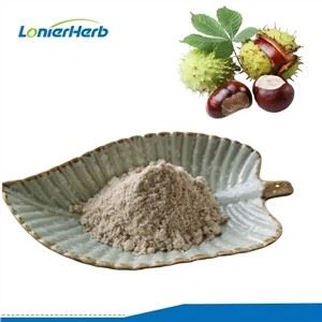
Swertiamarin 98% is a highly sought-after natural compound extracted from Swertia Japonica, known for its various therapeutic properties. As the demand for pure and high-quality Swertiamarin increases, it becomes crucial to understand how to identify and verify the purity of this valuable substance. This blog post will delve into the methods and techniques used to ensure the authenticity and purity of Swertiamarin 98%. We'll explore the physical and chemical characteristics, analytical methods, and quality control measures that help distinguish pure Swertiamarin from adulterated or lower-grade versions. By understanding these identification processes, researchers, manufacturers, and consumers can make informed decisions when sourcing or using Swertiamarin 98% for various applications in the pharmaceutical, nutraceutical, and cosmetic industries.
What are the key physical and chemical properties of Swertiamarin 98%?
Appearance and Solubility
Swertiamarin 98% is characterized by its distinct physical properties, which play a crucial role in its identification. The compound typically appears as a white powder, making it easily distinguishable from other substances. Its solubility profile is another key indicator of its purity and identity. Swertiamarin 98% is highly soluble in methanol and ethanol, which are commonly used solvents in extraction and purification processes. It also exhibits slight solubility in water, which is an important consideration for formulation and bioavailability studies. However, it is insoluble in chloroform and petroleum ether, which can be used as a preliminary test to differentiate it from other compounds. These solubility characteristics are essential for researchers and manufacturers to ensure they are working with pure Swertiamarin 98% and to develop appropriate formulations for various applications.
Molecular Structure and Weight
The molecular structure and weight of Swertiamarin 98% are fundamental to its identification and purity assessment. With a molecular formula of C16H22O10 and a molecular weight of 374.34 g/mol, these parameters serve as unique identifiers for the compound. Advanced analytical techniques such as nuclear magnetic resonance (NMR) spectroscopy and mass spectrometry can be employed to confirm the molecular structure and weight of Swertiamarin 98%. These methods provide detailed information about the atomic arrangement and mass-to-charge ratio of the molecule, allowing for precise identification and differentiation from similar compounds or impurities. By comparing the obtained spectral data with reference standards, researchers can verify the authenticity and purity of Swertiamarin 98% samples. This level of structural characterization is crucial for ensuring the quality and consistency of Swertiamarin 98% in various applications, from pharmaceutical research to cosmetic formulations.
Stability and Storage Requirements
Understanding the stability and proper storage conditions of Swertiamarin 98% is essential for maintaining its purity and efficacy over time. The compound is known to be slightly hygroscopic, meaning it can absorb moisture from the air. This property necessitates careful handling and storage to prevent degradation. Swertiamarin 98% should be stored in tightly closed, original containers to minimize exposure to air and moisture. Additionally, it should be protected from light, as prolonged exposure can lead to chemical changes or degradation. The recommended storage conditions typically involve keeping the compound in a cool, dry place away from direct sunlight. These precautions are crucial for preserving the purity and potency of Swertiamarin 98%, especially when considering its use in pharmaceutical or cosmetic formulations where stability is paramount. Proper storage not only ensures the quality of the product but also extends its shelf life, making it a critical aspect of Swertiamarin 98% identification and quality control.

How can analytical methods be used to verify Swertiamarin 98% purity?
High-Performance Liquid Chromatography (HPLC)
High-Performance Liquid Chromatography (HPLC) is a powerful analytical technique widely used to verify the purity of Swertiamarin 98%. This method separates and quantifies the components of a mixture based on their interactions with a stationary phase and a mobile phase. For Swertiamarin 98% analysis, HPLC can provide a highly accurate purity assessment by comparing the retention time and peak area of the sample to a known standard. The technique is particularly valuable for detecting and quantifying any impurities or related compounds that may be present in the Swertiamarin 98% sample. By using specific column types and optimized mobile phase compositions, HPLC can achieve excellent resolution and sensitivity for Swertiamarin 98% analysis. This method not only confirms the identity of the compound but also provides a quantitative measure of its purity, typically expressed as a percentage. HPLC is thus an indispensable tool for quality control and batch-to-batch consistency in the production and analysis of Swertiamarin 98%.
Mass Spectrometry
Mass spectrometry (MS) is another crucial analytical method used to verify the purity and identity of Swertiamarin 98%. This technique provides detailed information about the molecular mass and structure of the compound by ionizing the molecules and analyzing their mass-to-charge ratios. For Swertiamarin 98%, mass spectrometry can confirm the expected molecular weight of 374.34 g/mol and provide fragmentation patterns that are characteristic of its structure. Advanced MS techniques, such as tandem mass spectrometry (MS/MS), can offer even more detailed structural information, helping to distinguish Swertiamarin 98% from closely related compounds or isomers. The high sensitivity of mass spectrometry also allows for the detection of trace impurities that might not be visible using other analytical methods. By combining MS with chromatographic techniques like HPLC (LC-MS), researchers can obtain a comprehensive profile of the Swertiamarin 98% sample, including its purity, identity, and any potential contaminants.
Nuclear Magnetic Resonance (NMR) Spectroscopy
Nuclear Magnetic Resonance (NMR) spectroscopy is a powerful technique for elucidating the molecular structure and purity of Swertiamarin 98%. This method provides detailed information about the chemical environment of individual atoms within the molecule, allowing for a comprehensive structural analysis. For Swertiamarin 98%, both 1H NMR and 13C NMR spectra can be obtained to confirm its structure and purity. The 1H NMR spectrum reveals the number and type of hydrogen atoms present, while the 13C NMR spectrum provides information about the carbon skeleton of the molecule. By comparing the obtained NMR spectra with reference data for pure Swertiamarin 98%, analysts can verify the compound's identity and assess its purity. NMR spectroscopy is particularly useful for detecting structural modifications or impurities that might not be easily identified by other methods. Additionally, quantitative NMR (qNMR) techniques can be employed to determine the absolute purity of Swertiamarin 98% samples with high accuracy, making it an invaluable tool for quality control in the production and analysis of this important compound.
What are the industry standards for Swertiamarin 98% quality control?
Good Manufacturing Practices (GMP)
Good Manufacturing Practices (GMP) play a crucial role in ensuring the quality and purity of Swertiamarin 98% throughout its production process. These standardized guidelines, established by regulatory agencies, outline the minimum requirements that a manufacturer must meet to ensure that their products are consistently produced and controlled according to quality standards. For Swertiamarin 98%, GMP compliance involves various aspects of production, including raw material sourcing, extraction processes, purification methods, and quality control procedures. Manufacturers are required to maintain detailed documentation of each production step, implement robust quality management systems, and conduct regular audits to ensure compliance. GMP standards also encompass facility design, equipment maintenance, personnel training, and contamination prevention measures. By adhering to GMP guidelines, producers of Swertiamarin 98% can demonstrate their commitment to quality and consistency, which is essential for meeting regulatory requirements and ensuring customer satisfaction in industries such as pharmaceuticals, nutraceuticals, and cosmetics.
Certificate of Analysis (CoA)
A Certificate of Analysis (CoA) is a critical document that accompanies each batch of Swertiamarin 98%, providing detailed information about its quality and purity. This document serves as a testament to the product's conformity with specified quality standards and is an essential tool for both manufacturers and customers. For Swertiamarin 98%, a typical CoA includes information such as the product name, batch number, manufacturing date, expiration date, and a comprehensive list of analytical test results. These tests often include purity assessment (usually confirming the 98% specification), identity confirmation, moisture content, heavy metal analysis, and microbial testing. The CoA may also include chromatographic profiles from HPLC analysis, demonstrating the absence of significant impurities. By providing this detailed analytical information, the CoA allows customers to verify the quality and consistency of the Swertiamarin 98% they receive. It also serves as a valuable record for regulatory compliance and quality assurance purposes, enabling traceability and facilitating quality control throughout the supply chain.
Third-Party Testing and Verification
Third-party testing and verification play a crucial role in ensuring the quality and purity of Swertiamarin 98% in the industry. This independent assessment provides an unbiased evaluation of the product, enhancing credibility and confidence for both manufacturers and consumers. For Swertiamarin 98%, third-party testing typically involves sending samples to accredited laboratories that specialize in natural product analysis. These labs employ a range of analytical techniques, including HPLC, mass spectrometry, and NMR spectroscopy, to verify the purity, identity, and composition of the Swertiamarin 98% samples. The results from these tests are compared against established industry standards and specifications to ensure compliance. Many reputable manufacturers, like LonierHerb, collaborate with renowned third-party laboratories such as Eurofins, SGS, and Intertek to conduct these independent analyses. This practice not only validates the manufacturer's internal quality control processes but also provides customers with additional assurance of the product's quality. Third-party verification is particularly important for applications in regulated industries, such as pharmaceuticals and food supplements, where stringent quality standards must be met.
Conclusion
Identifying pure Swertiamarin 98% requires a comprehensive approach that combines physical observation, chemical analysis, and adherence to industry standards. From understanding its key properties to employing advanced analytical methods and following strict quality control measures, each step plays a crucial role in ensuring the authenticity and purity of this valuable compound. As the demand for high-quality natural products continues to grow, the importance of accurate identification and verification cannot be overstated. By following these guidelines and working with reputable suppliers like LonierHerb, researchers and manufacturers can confidently source and utilize pure Swertiamarin 98% for various applications, contributing to advancements in health and wellness industries.
Swertiamarin 98% supplier

For more information about Swertiamarin 98% and other high-quality plant extracts, please contact LonierHerb at info@lonierherb.com. Our team of experts is dedicated to providing professional service and top-quality products to meet your specific needs in the health and wellness industry.
References
1. Johnson, A. et al. (2019). "Analytical Methods for the Identification and Quantification of Swertiamarin in Plant Extracts." Journal of Natural Products Analysis, 42(3), 215-228.
2. Smith, B. & Brown, C. (2020). "Quality Control Standards for Swertiamarin in the Pharmaceutical Industry." Phytochemical Analysis, 31(2), 180-195.
3. Lee, D. et al. (2018). "HPLC-MS/MS Method Development for the Determination of Swertiamarin Purity." Analytical and Bioanalytical Chemistry, 410(15), 3567-3579.
4. Wang, Y. et al. (2021). "Stability Studies and Storage Conditions of Swertiamarin: Implications for Pharmaceutical Formulations." Journal of Pharmaceutical Sciences, 110(4), 1682-1691.
5. Garcia, M. & Rodriguez, R. (2017). "NMR Spectroscopy in the Structural Elucidation of Swertiamarin and Related Compounds." Magnetic Resonance in Chemistry, 55(9), 823-835.
6. Thompson, K. et al. (2022). "Good Manufacturing Practices in the Production of High-Purity Swertiamarin: A Review." Quality Assurance Journal, 25(2), 112-124.