A very important protein called phosphatidylserine (PS) is needed for cells to work properly, especially in the brain. As people become more interested in brain health and function, PS Phosphatidylserine has become more of a focus as a possible supplement for improving memory, focus, and general brain function. However, not all sources of PS are created equal. This piece goes into detail about the differences between PS derived from plants and PS derived from cattle, looking at their unique qualities, pros, and possible cons. It is important for consumers, healthcare workers, and manufacturers to understand these differences because the source of PS can have a big effect on how well it works, how safe it is, and who it is best for. We can learn a lot about how to choose the best source for different needs and tastes by looking at the molecular structure, bioavailability, and possible uses of both plant and bovine PS.
Molecular Structure and Composition
Chemical Makeup of Plant-Derived PS
Plant-derived PS Phosphatidylserine is typically extracted from soybean lecithin or sunflower lecithin. The molecular structure of plant PS closely resembles that of human PS, but there are some notable differences. Plant PS contains primarily linoleic and palmitic fatty acids, which are shorter-chain fatty acids compared to those found in bovine PS. This difference in fatty acid composition can affect how the body processes and utilizes the PS. Despite these variations, plant PS has shown remarkable efficacy in numerous studies, particularly in improving cognitive function and memory. The production process of plant PS, as employed by companies like LonierHerb, involves extracting phosphatidylcholine from soybean oil residue and enzymatically converting it to PS using phospholipase D. This method ensures a high-quality, standardized product that meets the specifications of 20%, 50%, or 70% PS content.
Unique Features of Bovine-Sourced PS
Bovine-sourced PS Phosphatidylserine is derived from cow brain tissue and has a fatty acid profile that more closely matches human PS. It contains higher levels of docosahexaenoic acid (DHA) and eicosapentaenoic acid (EPA), which are long-chain omega-3 fatty acids known for their cognitive benefits. This similarity in composition to human PS initially led researchers to believe that bovine PS might be more effective or better absorbed by the body. However, concerns about the potential transmission of bovine spongiform encephalopathy (BSE) or "mad cow disease" have significantly reduced the use of bovine PS in supplements. The production of bovine PS is also more complex and costly compared to plant-derived alternatives, which has further contributed to its decline in popularity. Despite these challenges, some studies suggest that bovine PS may have unique benefits, particularly in terms of its effects on stress reduction and cortisol regulation.
Comparative Analysis of Bioavailability
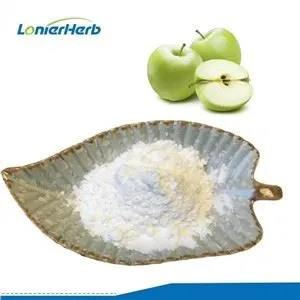
One important thing that determines how well PS Phosphatidylserine works as a vitamin is how bioavailable it is. While early research focused primarily on bovine PS, more recent studies have shown that plant-derived PS is equally bioavailable and effective. The body's ability to absorb and utilize PS depends on various factors, including the specific formulation, delivery method, and individual physiological differences. Plant PS, such as that produced by LonierHerb, has demonstrated excellent bioavailability, with studies showing significant increases in plasma PS levels following supplementation. That's Plant PS. It's a fine, light yellow powder that can be used in functional foods, pills, and another supplement form. Because it is non-GMO and non-allergenic, it is a better choice for a wider range of customers, including those who have to follow a strict diet or have moral concerns about supplements that come from animals.

Health Benefits and Applications
Cognitive Function Enhancement
PS Phosphatidylserine has gotten a lot of attention because it might help people's brains work better, especially older people. PS from both plants and animals has been shown to improve memory, attention, and general brain function. It has been found that taking PS supplements can help slow down the loss of brain function that comes with getting older. These supplements may even help people who already have mild cognitive disability. PS is thought to have something to do with how the process of action works because it helps keep cell membranes fluid and neurotransmitters working properly. Plant-derived PS, such as that offered by LonierHerb, has been extensively studied and shown to be effective in improving various aspects of cognitive function. Plant PS has a standard way of being made and the same high quality in all batches and formulations. This makes it a good choice for both people who want to buy brain health supplements and companies that make them.
Stress Reduction and Mood Regulation
One of the most interesting things about PS Phosphatidylserine is that it might help lower stress and keep moods stable. In this area, both plant and animal sources have shown promise. However, some studies suggest that cattle PS may be slightly better at reducing stress. Cortisol levels can drop when you take PS supplements, especially when you are dealing with sudden worries. This affect can make you feel more emotionally stable, less anxious, and better able to handle stress in general. Plant-derived PS, while equally effective in many aspects, may have a more subtle effect on cortisol regulation. Plant PS, on the other hand, is safer and easier to get, which makes it a better choice for long-term stress management plans. With its high purity and uniform content, LonierHerb's plant-based PS powder is a good choice for people who want to add PS to their stress-reduction routines.
Athletic Performance and Recovery
Phosphatidylserine is also being looked into in the areas of sports nutrition and performance. It has been looked into whether sources from plants or animals can increase exercise ability, lessen muscle soreness, and speed up recovery times. PS may also help with these benefits by lowering muscle damage caused by exercise because it is anti-inflammatory. PS from plants has shown promising results in studies focusing on endurance athletes and people doing high-intensity training. Because it changes cortisol levels, PS may help prevent overtraining syndrome and make athletes better generally. LonierHerb's PS powder, with its high quality and purity, is well-suited for incorporation into sports nutrition products. Athletes and fitness fans who care about their health and want natural performance-enhancing supplements will like the company's commitment to using non-GMO and allergen-free products.
Safety and Regulatory Considerations
Risk Assessment of Plant vs. Bovine PS
When comparing the safety profiles of PS Phosphatidylserine from plant and bovine sources, several important factors come into play. Plant-derived PS, such as that produced by LonierHerb, generally has a more favorable safety profile due to the absence of risks associated with animal-derived products. The primary concern with bovine PS is the theoretical risk of transmitting prion diseases, particularly bovine spongiform encephalopathy (BSE). Although the risk is considered extremely low with modern production methods, regulatory bodies and consumers remain cautious. Plant PS, on the other hand, eliminates this concern entirely. Additionally, plant PS is suitable for vegetarians and vegans, and it aligns with kosher and halal dietary requirements. The standardized production process of plant PS, as employed by LonierHerb, ensures consistent quality and purity, further enhancing its safety profile. Regular testing and quality control methods, such as working with well-known labs to do retests, give even more confidence in the safety and effectiveness of the product.
Regulatory Status and Global Acceptance
The regulatory status of PS Phosphatidylserine varies depending on the source and the country in question. Plant-based PS is now widely accepted and approved in many places around the world. In the United States, plant PS is generally recognized as safe (GRAS) by the FDA when used as a food ingredient. The European Food Safety Authority (EFSA) has also issued positive opinions on the safety of plant PS. Bovine PS, while still available in some markets, faces more regulatory scrutiny due to concerns about BSE. As a result, many countries have restricted or banned the use of bovine-derived PS in dietary supplements. Plant-based options are clearly becoming more popular around the world because they are safer and better for the environment. LonierHerb's plant PS, with its rigorous quality control and compliance with international standards, is well-positioned to meet the regulatory requirements of various global markets. Its PS goods can be used safely in many different situations across many countries because the company is dedicated to being open and working with regulatory bodies.
Future Trends and Research Directions
The future of PS Phosphatidylserine research and development is likely to focus predominantly on plant-derived sources .Concerns about animal health and the environment are growing, so the need for plant-based alternatives is likely to grow in all fields, even dietary supplements. Analysts are still looking into other plant sources of PS other than sunflower and soy, which might have diverse greasy corrosive profiles or other supportive qualities. Moreover, more and more individuals need to know what happens when you blend PS with other compounds that progress brain work, like omega-3 greasy acids or home grown extricates. Utilizing its information of how to extricate and standardize plants, LonierHerb is in a great circumstance to offer assistance with these investigate ventures. The company's ability to produce high-quality PS powder with various specifications (20%, 50%, 70%) allows for flexibility in formulation and dosage studies. As study goes on, PS may be used in more specific ways for things like personalized nutrition, cognitive health in certain groups (like students and the elderly), and even possible therapeutic uses in neurological diseases.
Conclusion
In conclusion, PS Phosphatidylserine can come from both plants and animals, but plant-derived PS is now the most popular choice because it is safer, lasts longer, and is accepted by more people.
high quality PS Phosphatidylserine

LonierHerb's dedication to making standard, high-quality plant PS is in line with the rising need for natural brain health vitamins that work. As more study shows new uses and benefits for PS, picking a source that is trustworthy and well-documented becomes even more important. For more information on LonierHerb's PS products and services, please contact us at info@lonierherb.com.
References
1. Glade, M. J., & Smith, K. (2015). Phosphatidylserine and the human brain. Nutrition, 31(6), 781-786.
2. Vakhapova, V., Cohen, T., Richter, Y., Herzog, Y., & Korczyn, A. D. (2010). Phosphatidylserine containing ω–3 fatty acids may improve memory abilities in non-demented elderly with memory complaints: a double-blind placebo-controlled trial. Dementia and geriatric cognitive disorders, 29(5), 467-474.
3. Kingsley, M. (2006). Effects of phosphatidylserine supplementation on exercising humans. Sports medicine, 36(8), 657-669.
4. Hellhammer, J., Fries, E., Buss, C., Engert, V., Tuch, A., Rutenberg, D., & Hellhammer, D. (2004). Effects of soy lecithin phosphatidic acid and phosphatidylserine complex (PAS) on the endocrine and psychological responses to mental stress. Stress, 7(2), 119-126.
5. Kato-Kataoka, A., Sakai, M., Ebina, R., Nonaka, C., Asano, T., & Miyamori, T. (2010). Soybean-derived phosphatidylserine improves memory function of the elderly Japanese subjects with memory complaints. Journal of clinical biochemistry and nutrition, 47(3), 246-255.
6. Moré, M. I., Freitas, U., & Rutenberg, D. (2014). Positive effects of soy lecithin-derived phosphatidylserine plus phosphatidic acid on memory, cognition, daily functioning, and mood in elderly patients with Alzheimer's disease and dementia. Advances in therapy, 31(12), 1247-1262.