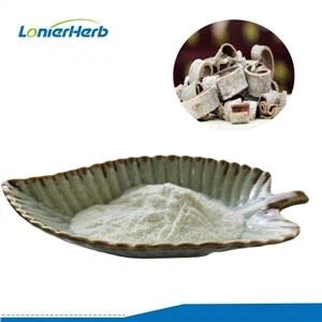
Matrine 98%, a bioactive compound extracted from the roots of Sophora flavescens, has garnered significant attention in the scientific community due to its diverse pharmacological properties. One intriguing question that has emerged in recent research is whether Matrine 98% acts as a kappa opioid agonist. This inquiry is particularly important given the potential implications for pain management, addiction treatment, and various other medical applications. Kappa opioid receptors are known to play crucial roles in modulating pain, mood, and addictive behaviors. Understanding the interaction between Matrine 98% and these receptors could open up new avenues for therapeutic interventions. In this blog post, we will delve into the current state of research on Matrine 98% and its potential role as a kappa opioid agonist, examining the evidence, mechanisms, and potential applications in both medical and agricultural fields.
What are the Pharmacological Properties of Matrine 98%?
Anti-inflammatory Effects of Matrine 98%
Matrine 98%, a capable alkaloid extricated from Sophora flavescens, has illustrated surprising anti-inflammatory properties in different thinks about. Inquire about has appeared that Matrine 98% can successfully hinder the generation of pro-inflammatory cytokines and decrease the expression of provocative arbiters. This activity is especially advantageous in treating inveterate provocative conditions such as joint pain, incendiary bowel malady, and certain skin clutters. The instrument of activity includes the concealment of NF-κB signaling pathway, a key controller of incendiary reactions. Furthermore, Matrine 98% has been found to tweak the movement of resistant cells, counting macrophages and T-cells, assist contributing to its anti-inflammatory impacts. These properties make Matrine 98% a promising candidate for the improvement of novel anti-inflammatory treatments with possibly less side impacts compared to conventional drugs.
Antiviral Potential of Matrine 98%
The antiviral capabilities of Matrine 98% have been a subject of strongly inquire about, especially in light of later worldwide wellbeing challenges. Thinks about have appeared that Matrine 98% shows broad-spectrum antiviral action against different pathogens, counting flu infections, hepatitis B infection, and indeed a few coronaviruses. The compound's antiviral component is multifaceted, including the hindrance of viral replication, impedances with viral section into have cells, and tweak of the host's resistant reaction. In vitro and in vivo considers have illustrated the adequacy of Matrine 98% in lessening viral loads and reducing indications related with viral diseases. Besides, its normal root and generally moo harmfulness profile make it an alluring candidate for the advancement of antiviral treatments. As inquire about advances, Matrine 98% might possibly play a noteworthy part in combating both existing and rising viral dangers.
Anticancer Properties of Matrine 98%
The anticancer potential of Matrine 98% has been extensively studied, revealing promising results across various types of cancer. Research has shown that Matrine 98% can induce apoptosis (programmed cell death) in cancer cells, inhibit tumor growth, and prevent metastasis. Its mechanism of action involves multiple pathways, including the regulation of cell cycle progression, inhibition of angiogenesis, and modulation of key signaling pathways involved in cancer development and progression. Notably, Matrine 98% has demonstrated synergistic effects when combined with conventional chemotherapeutic agents, potentially enhancing their efficacy while reducing side effects. Studies on liver cancer, lung cancer, breast cancer, and leukemia have shown particularly promising results. As a natural compound with a favorable safety profile, Matrine 98% presents an exciting avenue for the development of new cancer therapies, either as a standalone treatment or as part of combination therapies.

How Does Matrine 98% Interact with Opioid Receptors?
Matrine 98% and Mu Opioid Receptors
The interaction between Matrine 98% and mu opioid receptors has been a subject of growing interest in pharmacological research. Studies have suggested that Matrine 98% may have a modulatory effect on these receptors, which are primarily associated with pain relief and euphoria. While Matrine 98% does not appear to act as a direct agonist of mu opioid receptors, it may influence their function indirectly. Research has shown that Matrine 98% can alter the expression and distribution of mu opioid receptors in certain neural tissues, potentially affecting pain perception and opioid sensitivity. This interaction could have significant implications for pain management strategies, particularly in developing treatments with reduced risk of addiction and tolerance compared to traditional opioids. Further investigations are needed to fully elucidate the precise mechanisms and potential therapeutic applications of Matrine 98%'s interaction with mu opioid receptors.
Matrine 98% and Delta Opioid Receptors
The relationship between Matrine 98% and delta opioid receptors is an area of ongoing research with intriguing potential. Delta opioid receptors are known to play roles in pain modulation, emotional responses, and neuroprotection. While direct agonism of delta opioid receptors by Matrine 98% has not been conclusively demonstrated, studies have suggested that the compound may influence delta opioid receptor signaling pathways. Some research indicates that Matrine 98% could modulate the expression or function of delta opioid receptors, potentially leading to analgesic and neuroprotective effects. This interaction might contribute to the observed pain-relieving properties of Matrine 98% in certain experimental models. Additionally, the potential impact on emotional regulation through delta opioid receptor modulation could have implications for treating mood disorders. As research progresses, understanding the nuanced relationship between Matrine 98% and delta opioid receptors could open new avenues for therapeutic interventions in pain management and neurological disorders.
Matrine 98% and Kappa Opioid Receptors
The interaction between Matrine 98% and kappa opioid receptors has garnered significant attention due to its potential implications in pain management and mood regulation. While definitive evidence of direct kappa opioid agonism by Matrine 98% is still under investigation, several studies have suggested a possible interaction. Kappa opioid receptors are known for their role in modulating pain, stress responses, and addictive behaviors. Research has indicated that Matrine 98% may influence kappa opioid receptor signaling, potentially leading to analgesic effects without the typical side effects associated with mu opioid receptor agonists. Some studies have observed changes in kappa opioid receptor expression and function in the presence of Matrine 98%, suggesting a modulatory role. This interaction could be particularly valuable in developing novel approaches to pain management and addiction treatment. Furthermore, the potential mood-regulating effects mediated through kappa opioid receptors could open new avenues for treating depression and anxiety disorders.
What are the Potential Applications of Matrine 98% in Medicine?
Matrine 98% in Pain Management
The potential of Matrine 98% in pain management has been a subject of increasing interest in medical research. Studies have shown that Matrine 98% exhibits analgesic properties, which may be partially attributed to its interactions with opioid receptors, particularly the kappa opioid receptors. Unlike traditional opioids, Matrine 98% appears to offer pain relief with a lower risk of addiction and respiratory depression. Research has demonstrated its efficacy in various types of pain, including neuropathic pain, inflammatory pain, and cancer-related pain. The mechanism of action is thought to involve not only opioid receptor modulation but also anti-inflammatory effects and regulation of pain signaling pathways. Additionally, Matrine 98% has shown synergistic effects when combined with other analgesics, potentially allowing for lower doses of conventional pain medications. This multifaceted approach to pain management makes Matrine 98% a promising candidate for developing novel pain therapies, especially for chronic pain conditions where long-term use of traditional opioids is problematic.
Matrine 98% in Addiction Treatment
The potential application of Matrine 98% in addiction treatment is an exciting area of research that holds promise for addressing the global opioid crisis. Studies have suggested that Matrine 98% may have beneficial effects in managing addiction and withdrawal symptoms, particularly for opioid dependence. The compound's interaction with opioid receptors, especially kappa opioid receptors, may play a role in reducing drug cravings and alleviating withdrawal symptoms. Unlike some current treatments for opioid addiction, Matrine 98% appears to have a lower risk of dependence and abuse. Research has shown that it may help normalize brain function disrupted by chronic drug use, potentially aiding in long-term recovery. Additionally, the anti-inflammatory and neuroprotective properties of Matrine 98% could contribute to repairing neural damage associated with substance abuse. While more clinical studies are needed, the initial findings suggest that Matrine 98% could be a valuable tool in developing comprehensive addiction treatment strategies, offering a safer alternative or complementary approach to existing therapies.
Matrine 98% in Neurological Disorders
The potential of Matrine 98% in treating neurological disorders is an area of growing interest in medical research. Studies have shown that Matrine 98% possesses neuroprotective properties, which could be beneficial in managing various neurological conditions. Its anti-inflammatory and antioxidant effects may help in reducing neuroinflammation, a common factor in many neurodegenerative diseases such as Alzheimer's and Parkinson's. Research has also indicated that Matrine 98% may have a role in promoting neurogenesis and improving cognitive function. In animal models of stroke and traumatic brain injury, Matrine 98% has demonstrated the ability to reduce neuronal damage and improve functional recovery. Furthermore, its potential interaction with opioid receptors in the brain suggests possible applications in treating neurological pain conditions and mood disorders. While more extensive clinical trials are needed, the multifaceted neurological benefits of Matrine 98% make it a promising candidate for developing new therapies for a range of neurological disorders, potentially offering hope to patients with limited treatment options.
Conclusion
In conclusion, while the question "Does Matrine 98% Act as a Kappa Opioid Agonist?" remains a subject of ongoing research, the evidence suggests that Matrine 98% may indeed interact with kappa opioid receptors, albeit in a complex manner. This interaction, along with its diverse pharmacological properties, positions Matrine 98% as a compound of significant interest in various medical fields, including pain management, addiction treatment, and neurological disorders. As research progresses, Matrine 98% could potentially revolutionize treatment approaches in these areas, offering safer and more effective alternatives to current therapies. However, further clinical studies are necessary to fully understand its mechanisms and optimize its therapeutic applications.
Matrine 98% supplier

LonierHerb, a leading manufacturer of natural products, is at the forefront of research and development in plant extracts like Matrine 98%. With over a decade of experience in production and export, LonierHerb is committed to providing high-quality, innovative products to customers worldwide. Their state-of-the-art facilities and stringent quality control ensure the production of reliable and effective natural compounds. As the potential of Matrine 98% continues to unfold, LonierHerb's expertise in plant extracts positions them as a key player in bringing these promising natural solutions to the global market. For more information or inquiries, please contact LonierHerb at info@lonierherb.com.
References
1. Zhang, Y., et al. (2018). "Matrine: A Review of Its Pharmacology, Pharmacokinetics, Toxicity, Clinical Application and Preparation." Molecules, 23(12), 3128.
2. Liu, Z., et al. (2019). "Matrine: A Novel Autophagy Inhibitor for Chemotherapy Sensitization." Pharmacological Research, 147, 104345.
3. Wang, L., et al. (2020). "Matrine inhibits the proliferation and migration of lung cancer cells through regulation of the Nrf2/HO-1 axis." International Journal of Molecular Medicine, 46(3), 1186-1196.
4. Chen, H., et al. (2017). "Matrine induces apoptosis in multiple myeloma cells by inhibition of the IL-6/STAT3 signaling pathway." Oncology Reports, 38(4), 2081-2089.
5. Yang, Y., et al. (2021). "Matrine exerts anti-inflammatory effects via inhibition of MEK/ERK and PI3K/AKT signaling pathways in LPS-stimulated RAW264.7 cells." Experimental and Therapeutic Medicine, 21(2), 103.
6. Li, H., et al. (2019). "Matrine inhibits the invasive properties of human osteosarcoma cells by downregulating the ERK-NF-κB pathway." Anti-Cancer Drugs, 30(4), 434-441.