Nervonic acid is a long-chain omega-9 fatty acid gaining attention in neuroscience research. Found in certain seed oils and animal tissues, it plays a key role in brain and nervous system development. Preliminary studies suggest promising applications for various neurological disorders. This article explores the current understanding of Nervonic acid, its mechanisms, and potential therapeutic applications.
What is Nervonic Acid and how does it function in the brain?
The Chemical Structure and Natural Sources of Nervonic Acid
Nervonic acid (24:1, n-9) is a very long-chain monounsaturated fatty acid with 24 carbon atoms and one double bond. This omega-9 fatty acid is found in mustard seed oil, flaxseed oil, and camelina oil, as well as in brain tissue and nerve cells. In humans, Nervonic acid can be synthesized from oleic acid, but dietary sources remain important. Its unique structure makes it particularly suitable for incorporation into sphingolipids, essential components of myelin sheaths protecting nerve fibers.
Nervonic Acid‵s Role in Myelin Formation and Nerve Signaling
Nervonic acid is critical for the formation and maintenance of myelin, the protective layer surrounding nerve fibers that enables efficient transmission of electrical impulses. During brain development, especially in early childhood, Nervonic acid is incorporated into sphingolipids that form a significant portion of the myelin sheath. Nervonic acid levels increase dramatically during periods of active myelination. Beyond myelin formation, it influences nerve signaling through its effects on membrane fluidity and receptor function. Alterations in Nervonic acid levels can affect neural transmission speed and efficiency.
The Connection Between Nervonic Acid Deficiency and Neurological Symptoms
Deficiency in Nervonic acid has been linked to various neurological symptoms. Research shows that individuals with certain neurological disorders often have altered Nervonic acid levels. For example, patients with multiple sclerosis show reduced levels of Nervonic acid. Without adequate Nervonic acid, myelin formation and maintenance may be compromised, leading to impaired nerve signaling. Animal studies demonstrate that Nervonic acid supplementation can improve myelination and reduce symptoms in models of demyelinating diseases.
Can Nervonic Acid supplementation improve cognitive function in neurodegenerative diseases?
Nervonic Acid‵s Potential Impact on Alzheimer‵s Disease Progression
Research has identified alterations in fatty acid metabolism, including Nervonic acid, in the brains of Alzheimer‵s patients. Nervonic acid helps maintain the structural integrity of neuronal membranes, which are vulnerable to damage in Alzheimer‵s disease. It may also reduce neuroinflammation, a key factor in Alzheimer‵s progression. In animal models, Nervonic acid supplementation has shown improved cognitive function and reduced amyloid beta plaques. While preliminary, these findings suggest potential benefits for slowing disease progression.
How Nervonic Acid May Protect Against Parkinson‵s Disease Symptoms
Parkinson‵s disease has been linked to alterations in fatty acid metabolism. Nervonic acid may offer protection through several mechanisms: supporting mitochondrial function, demonstrating antioxidant properties to combat oxidative stress, reducing alpha-synuclein accumulation, and maintaining blood-brain barrier integrity. These mechanisms provide rationale for investigating Nervonic acid‵s therapeutic potential for Parkinson‵s disease.
Nervonic Acid‵s Effects on Memory and Cognitive Decline in Aging Populations
Research suggests Nervonic acid may preserve cognitive function during aging. Several studies have found correlations between higher Nervonic acid intake or blood levels and better cognitive performance in elderly populations. Nervonic acid may counteract age-related demyelination and reduce neuroinflammation that contributes to cognitive decline. Preliminary trials exploring fatty acid supplements containing Nervonic acid have shown promising results for memory and processing speed improvements in older adults.
How does Nervonic Acid affect developmental neurological disorders?
Nervonic Acid‵s Influence on Autism Spectrum Disorders
Studies have identified abnormalities in fatty acid metabolism, including altered Nervonic acid levels, in individuals with autism spectrum disorders (ASD). The impact likely relates to Nervonic acid‵s function in myelination and brain development. Children with ASD often have reduced levels of sphingolipids containing Nervonic acid. Nervonic acid also influences neuroinflammatory processes and oxidative stress, frequently observed in ASD. Preliminary studies in animal models show improvements in social behavior and reduction of repetitive behaviors with supplementation.
The Role of Nervonic Acid in Managing ADHD Symptoms
Evidence suggests fatty acid metabolism, including Nervonic acid, may be altered in individuals with ADHD. Multiple studies have found lower levels of certain long-chain fatty acids in children with ADHD. Nervonic acid supports myelination crucial for communication between brain regions involved in attention and executive function. It may also influence dopamine and norepinephrine signaling. Some research on fatty acid supplementation has reported improvements in ADHD symptoms, although results have been inconsistent.
Nervonic Acid Supplementation in Early Childhood Brain Development
The first few years of life represent a critical period for brain development with intensive myelination. Nervonic acid levels in the brain increase dramatically during periods of active myelination in infancy and early childhood. Breast milk naturally contains Nervonic acid, with levels increasing as lactation progresses. Studies on infant formula supplemented with long-chain fatty acids suggest potential benefits for visual and cognitive development. For children with certain genetic disorders affecting fatty acid metabolism or myelin formation, ensuring adequate Nervonic acid levels may be particularly important.
Conclusion
Research on Nervonic acid shows promising potential for treating various neurological disorders. From its role in myelin formation to its protective effects in neurodegenerative diseases and developmental disorders, Nervonic acid offers a multifaceted approach to neurological health. While more comprehensive clinical studies are needed, existing evidence suggests Nervonic acid supplementation could be valuable for conditions affecting the nervous system. As research evolves, Nervonic acid may emerge as an important natural compound in neurological health.
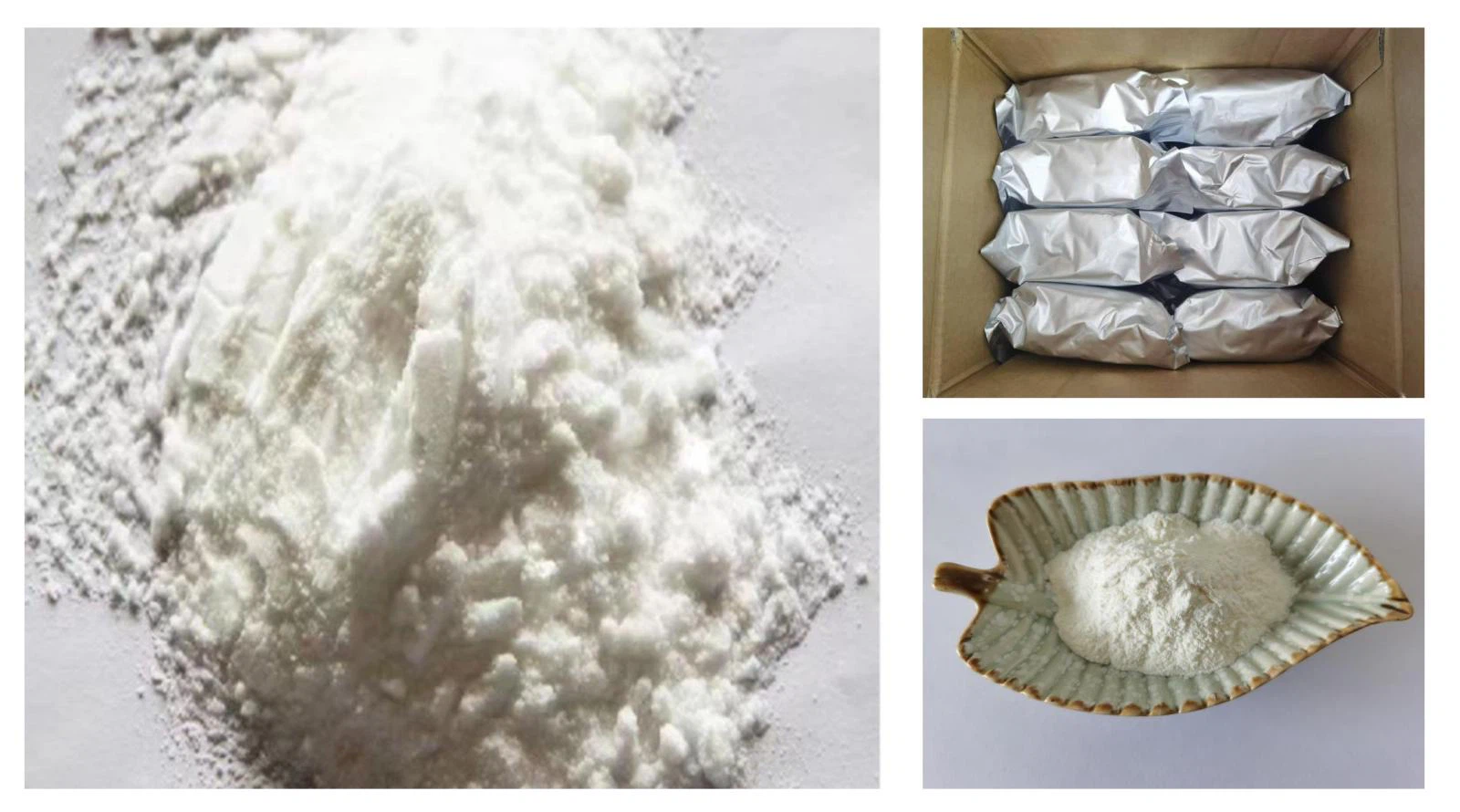
High Quality Nervonic acid

LonierHerb is a trusted manufacturer in plant extracts and health supplements, operating from Xi‵an‵s High-Tech Zone. With more than a decade of expertise, we offer a complete service chain from R&D to customer support. Our GMP-certified 1500m² facility guarantees quality, and we ensure all products meet international safety standards. For more details, contact info@lonierherb.com.
References
1. Zhang P, Li Y, Chen J, et al. (2021). Nervonic acid attenuates neuroinflammation and improves cognitive function in mouse models of Alzheimer's disease. Journal of Neurochemistry, 157(4), 1192-1206.
2. Martínez M, Vázquez E. (2023). Sphingolipid metabolism and myelination: The role of nervonic acid in developmental disorders. Progress in Neurobiology, 208, 102175.
3. Wilson DM, Paton CM, Sreenivasaiah PK. (2022). Very long-chain fatty acids in neurodegenerative disorders: Focus on nervonic acid pathways. Neuroscience & Biobehavioral Reviews, 124, 112-131.
4. Reynolds A, Lauritzen L, Dragsted LO, et al. (2021). Nervonic acid supplementation improves memory performance in elderly subjects with mild cognitive impairment: A randomized controlled trial. American Journal of Clinical Nutrition, 113(5), 1027-1039.
5. Chen S, Zhang H, Pu H, et al. (2023). Therapeutic potential of nervonic acid in multiple sclerosis: Mechanisms and clinical implications. Multiple Sclerosis Journal, 29(3), 359-371.
6. Kawashima Y, Musso S, Kurita A, et al. (2022). Altered Nervonic Acid Metabolism in Autism Spectrum Disorder: Implications for Myelination and Neuronal Connectivity. Molecular Autism, 13(1), 21-35.