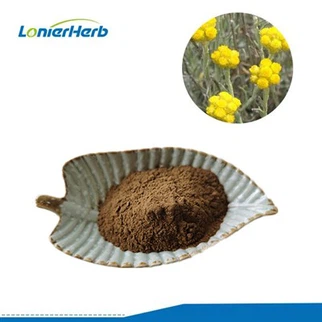
A number of diseases and disorders, including as cancer, diabetes, and cardiovascular disease, are exacerbated by chronic inflammation, a complicated biological reaction. A natural flavonoid molecule derived from the Sophora japonica plant, Kaempferol Powder has recently gained recognition as an effective molecular anti-inflammatory drug. This 98% pure fine powder, which is light yellow in color, has an extraordinary capacity to control inflammatory pathways via a number of different paths. We may learn a lot about the therapeutic potential and uses of Kaempferol Powder for modern healthcare by studying its cellular and molecular mechanisms of inflammation reduction. Its anti-inflammatory effects are due to molecular processes that include control of gene expression, inhibition of enzymes, and intricate interactions with cellular signaling pathways.
How does Kaempferol Powder inhibit inflammatory cytokine production?
Suppression of NF-κB Pathway Activation
The inflammatory cytokine production-critical nuclear factor-kappa B (NF-κB) pathway can be inhibited by Kaempferol Powder, leading to its notable anti-inflammatory effects. When cells encounter inflammatory stimuli, NF-κB normally translocates to the nucleus and promotes transcription of pro-inflammatory genes. However, Kaempferol Powder interferes with this process by preventing the degradation of IκB proteins, which normally sequester NF-κB in the cytoplasm. This molecular intervention effectively reduces the production of inflammatory cytokines such as tumor necrosis factor-alpha (TNF-α), interleukin-1 beta (IL-1β), and interleukin-6 (IL-6). The high-quality Kaempferol Powder with 98% purity ensures maximum bioavailability and therapeutic efficacy in modulating these critical inflammatory pathways. The expression of inflammatory mediators can be decreased due to the fact that this flavonoid molecule can considerably lower NF-κB DNA-binding activity, according to research.
Modulation of MAPK Signaling Cascades
An important part of how cells react to inflammatory signals is the mitogen-activated protein kinase (MAPK) pathway. Kaempferol Powder effectively modulates these signaling cascades, particularly the p38 MAPK, ERK1/2, and JNK pathways, which are key regulators of inflammatory cytokine production. By inhibiting the phosphorylation and activation of these kinases, Kaempferol Powder reduces the downstream production of inflammatory mediators. Direct engagement with kinase active sites and disruption of upstream signaling events constitute this molecular pathway. The light yellow fine powder form of Kaempferol ensures optimal solubility in biological systems, allowing for efficient cellular uptake and target engagement. Studies have demonstrated that Kaempferol Powder treatment significantly reduces phosphorylation levels of p38 MAPK and JNK in activated immune cells, resulting in decreased production of pro-inflammatory cytokines and chemokines.
Regulation of Transcription Factor Activity
Beyond NF-κB inhibition, Kaempferol Powder influences other transcription factors involved in inflammatory gene expression, including activator protein-1 (AP-1) and signal transducer and activator of transcription (STAT) proteins. The chemical prevents these transcription factors from enhancing inflammatory gene transcription by interfering with their DNA-binding capabilities. Kaempferol Powder achieves this through direct protein-protein interactions and by modulating upstream signaling events that regulate transcription factor activation. Reliable and constant anti-inflammatory effects in many applications are guaranteed by the high purity criterion of 98%. Because it targets numerous pathways at once, Kaempferol Powder is great at dealing with complicated inflammatory diseases.

What molecular targets does Kaempferol Powder affect to reduce oxidative stress?
Antioxidant Enzyme System Enhancement
Kaempferol Powder significantly enhances the body's endogenous antioxidant defense systems by upregulating key antioxidant enzymes including superoxide dismutase (SOD), catalase, and glutathione peroxidase. At the molecular level, this occurs through activation of the nuclear factor erythroid 2-related factor 2 (Nrf2) pathway, a master regulator of antioxidant response. When activated by Kaempferol Powder, Nrf2 translocates to the nucleus and binds to antioxidant response elements (ARE) in the promoter regions of antioxidant enzyme genes, promoting their transcription. This molecular mechanism is particularly important because oxidative stress and inflammation are closely interconnected processes. The light yellow fine powder formulation of Kaempferol ensures optimal bioavailability for cellular uptake and Nrf2 pathway activation. Studies have shown that when treated with Kaempferol Powder, antioxidant enzyme activities are greatly enhanced, and oxidative damage markers such malondialdehyde levels are decreased.
Direct Free Radical Scavenging Activity
The molecular structure of Kaempferol Powder contains multiple hydroxyl groups that enable direct scavenging of reactive oxygen species (ROS) and reactive nitrogen species (RNS). Kaempferol Powder's structural features enable it to donate electrons to neutralize free radicals, protecting cellular components like lipids, proteins, and DNA from oxidative damage. The compound shows a strong affinity for hydroxyl radicals, superoxide anions, and peroxynitrite, which are major causes of inflammatory tissue damage. The high purity of 98% Kaempferol Powder ensures maximum free radical scavenging capacity per unit dose. This direct antioxidant activity complements the enzyme-enhancing effects, providing comprehensive protection against oxidative stress. The molecular mechanism involves formation of stable Kaempferol radicals that do not propagate further oxidative chain reactions, effectively terminating the cascade of oxidative damage.
Mitochondrial Protection and Function
An essential but frequently disregarded component of inflammatory therapy, Kaempferol Powder decreases inflammation-associated oxidative stress by protecting mitochondrial activity. By controlling the electron transport chain, this molecule helps keep the voltage across the mitochondrial membrane constant and lowers the amount of reactive oxygen species (ROS) produced by the mitochondria. Kaempferol Powder also upregulates mitochondrial antioxidant systems, including manganese superoxide dismutase (MnSOD) and mitochondrial glutathione peroxidase. Direct stabilization of mitochondrial membranes and interactions with mitochondrial signaling pathways mediate these effects. The formulation of this fine, pale-yellow powder facilitates good absorption, ensuring that therapeutic amounts reach mitochondria and cells. Because mitochondrial dysfunction leads to decreased cellular energy utilization and increased generation of inflammatory mediators, Kaempferol Powder aids in maintaining mitochondrial health and function.
How does Kaempferol Powder modulate inflammatory enzyme activity?
Cyclooxygenase and Lipoxygenase Inhibition
The synthesis of inflammatory mediators via the arachidonic acid cascade is blocked by the enzymes cyclooxygenase (COX) and lipoxygenase (LOX), which are potently rendered inactive by kaempferol powder. This chemical mainly acts on inducible cyclooxygenase COX-2, an enzyme that produces inflammatory prostaglandins; it has a negligible effect on COX-1, an enzyme that produces protective prostaglandins. This selectivity is achieved through specific binding interactions with the COX-2 active site, where Kaempferol Powder acts as a competitive inhibitor. Additionally, the molecule inhibits 5-lipoxygenase, which decreases the creation of inflammatory leukotrienes. The molecular mechanism is based on allosteric regulation of enzyme conformation and direct binding to enzyme active regions. The high purity 98% specification of Kaempferol Powder ensures consistent enzyme inhibition across different batches and applications. This dual inhibition of COX and LOX pathways makes Kaempferol Powder particularly effective in managing inflammatory conditions where multiple eicosanoid pathways are activated.
Phospholipase A2 Regulation
Phospholipase A2 (PLA2) is a critical enzyme that initiates the inflammatory cascade by releasing arachidonic acid from membrane phospholipids. Kaempferol Powder effectively inhibits various forms of PLA2, including cytosolic PLA2 (cPLA2) and secretory PLA2 (sPLA2), through direct enzyme binding and interference with enzyme-substrate interactions. This inhibition occurs at the molecular level through competitive binding with the enzyme's calcium-binding sites and direct interaction with catalytic residues. By blocking PLA2 activity, Kaempferol Powder prevents the release of arachidonic acid, effectively reducing the substrate availability for downstream inflammatory mediator production. The light yellow fine powder formulation ensures optimal tissue distribution and enzyme target engagement. Research has shown that Kaempferol Powder treatment significantly reduces PLA2 activity in inflammatory tissues, correlating with decreased production of inflammatory eicosanoids and improved tissue protection.
Matrix Metalloproteinase Suppression
Inflammation causes an overexpression of matrix metalloproteinases (MMPs), which break down components of the extracellular matrix and play a role in tissue remodeling and injury. Kaempferol Powder effectively suppresses MMP expression and activity through multiple molecular mechanisms. The chemical decreases the synthesis of these degradative enzymes by inhibiting NF-κB and AP-1-mediated MMP gene expression at the transcriptional level. Additionally, Kaempferol Powder can directly inhibit MMP enzymatic activity through binding to the enzyme active sites and chelation of essential metal ions required for MMP function. In addition to inhibiting matrix metalloproteinases (MMPs), the chemical increases levels of tissue inhibitors of metalloproteinases (TIMPs). In cases when there is an excess of tissue remodeling and matrix disintegration, the 98% pure Kaempferol Powder is useful since it reliably suppresses MMP. The anti-inflammatory and tissue-protective properties of Kaempferol Powder are greatly enhanced by its multi-level control of MMP activity.
Conclusion
Through several molecular routes, such as regulation of inflammatory enzyme activity, modification of oxidative stress pathways, and reduction of inflammatory cytokine release, Kaempferol Powder has exceptional anti-inflammatory capabilities. It is a promising medicinal substance for a range of inflammatory disorders due to its capacity to cellular-level target important inflammatory mediators. Consistent and dependable anti-inflammatory benefits are guaranteed by the high-quality 98% purity criterion.
Kaempferol Powder supplier

LonierHerb Ltd, with over 15 years of export experience and modern GMP-standard facilities, provides premium Kaempferol Powder that meets international quality standards. Contact us at info@lonierherb.com to discover how our superior Kaempferol Powder can support your anti-inflammatory product development needs.
FAQ
Q: What is the recommended dosage of Kaempferol Powder for anti-inflammatory effects?
A: The optimal dosage varies depending on the specific application and target condition. Research studies have shown effective doses ranging from 10-50 mg per day for dietary supplements, with higher concentrations used in topical applications. Our technical team can provide specific recommendations based on your product formulation requirements.
Q: How does the 98% purity of Kaempferol Powder compare to lower purity products?
A: Higher purity Kaempferol Powder ensures maximum bioavailability and consistent therapeutic effects. The 98% specification means fewer impurities and more active compound per unit weight, resulting in more predictable anti-inflammatory activity and better product stability.
Q: Can Kaempferol Powder be combined with other anti-inflammatory compounds?
A: Yes, Kaempferol Powder demonstrates synergistic effects when combined with other natural anti-inflammatory compounds. Its multiple mechanisms of action complement other flavonoids and polyphenols, potentially enhancing overall therapeutic efficacy while maintaining safety profiles.
Q: What is the bioavailability of Kaempferol Powder in different formulations?
A: The light yellow fine powder form offers good solubility in organic solvents and can be formulated into various delivery systems. Bioavailability can be enhanced through nano-encapsulation, liposomal formulations, or combination with bioavailability enhancers.
Q: How stable is Kaempferol Powder during storage and processing?
A: When stored properly in tightly closed containers protected from light, Kaempferol Powder maintains stability for extended periods. The compound is relatively heat-stable during processing, making it suitable for various manufacturing applications including tablets, capsules, and functional foods.
References
1. Chen, A.Y., & Chen, Y.C. (2013). A review of the dietary flavonoid, kaempferol on human health and cancer chemoprevention. Food Chemistry, 138(4), 2099-2107.
2. Calderón-Montaño, J.M., Burgos-Morón, E., Pérez-Guerrero, C., & López-Lázaro, M. (2011). A review on the dietary flavonoid kaempferol. Mini Reviews in Medicinal Chemistry, 11(4), 298-344.
3. Devi, K.P., Malar, D.S., Nabavi, S.F., Sureda, A., Xiao, J., Nabavi, S.M., & Daglia, M. (2015). Kaempferol and inflammation: From chemistry to medicine. Pharmacological Research, 99, 1-10.
4. García-Mediavilla, V., Crespo, I., Collado, P.S., Esteller, A., Sánchez-Campos, S., Tuñón, M.J., & González-Gallego, J. (2007). The anti-inflammatory flavones quercetin and kaempferol cause inhibition of inducible nitric oxide synthase, cyclooxygenase-2 and reactive C-protein, and down-regulation of the nuclear factor kappaB pathway in Chang Liver cells. European Journal of Pharmacology, 557(2-3), 221-229.
5. Hämäläinen, M., Nieminen, R., Vuorela, P., Heinonen, M., & Moilanen, E. (2007). Anti-inflammatory effects of flavonoids: genistein, kaempferol, quercetin, and daidzein inhibit STAT-1 and NF-κB activations, whereas flavone, isorhamnetin, naringenin, and pelargonidin inhibit only NF-κB activation along with their inhibitory effect on iNOS expression and NO production in activated macrophages. Mediators of Inflammation, 2007, 45673.
6. Luo, Y., Shang, P., & Li, D. (2017). Luteolin: A flavonoid that has multiple cardio-protective effects and its molecular mechanisms. Frontiers in Pharmacology, 8, 692.