NAD Nicotinamide Adenine Dinucleotide, is one of the most important coenzymes that can be found in all live cells. It is known as the "key molecule of cellular metabolism" because of its crucial role in the production of energy and the health of cells. This dinucleotide molecule, which is also called Coenzyme I (CAS 53-84-9), helps carry electrons in more than 300 redox processes that keep life going. The chemical formula for it is C₂₁H₂₇N₇O₁₄P₂.. It has a complicated structure made up of adenine and nicotinamide bases linked by phosphate bridges. It can exist in two different forms that can be changed into each other: oxidized NAD⁺ and reduced NADH. Without enough of this coenzyme, cells would not be able to make energy, so nicotinamide adenine dinucleotide is very important for life and optimal health.
Understanding NAD: The Molecular Foundation of Cellular Metabolism
The Chemical Architecture of NAD
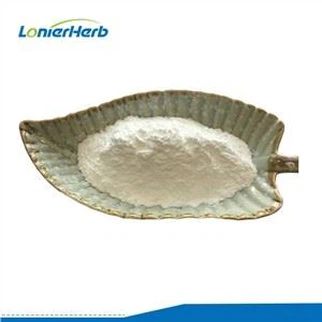
The structure of nicotinamide adenine dinucleotide shows how nature cleverly organizes electron movement. This coenzyme is made up of two nucleotides that are joined together by phosphate groups. One nucleotide has an adenine base, and the other has nicotinamide. When the substance is cleaned up, it turns into a white to off-white powder that dissolves easily in water but not in organic solvents like acetone. This ability to dissolve in water is important for its biological role because it lets it move around easily inside cells, where metabolic reactions happen.
Dual Forms and Their Biological Significance
During catabolic processes, the oxidized form of NAD⁺ takes electrons from foods and turns back into NADH. These changes can happen both ways, and they are the main way that cells get energy from food molecules. The NAD⁺/NADH ratio is a very important indicator of cellular health and metabolic state when studying cell metabolism. This balance is carefully kept by a healthy cell, with NAD⁺ being more important during busy metabolism and NADH building up when energy is being made.
Biosynthesis Pathways: Building the Coenzyme
There are two different ways for cells to make this important chemical. Starting with tryptophan or aspartic acid, the de novo synthesis process builds the molecule from simple building blocks. On the other hand, the salvaging pathway reuses nicotinamide and other building blocks like niacin that come from food. Most tissues use this more efficient pathway. Because the salvage pathway works so well, you can successfully raise cellular NAD⁺ levels by adding precursors to your diet. The salvage pathway is a concept that is being used more and more in nutraceutical products that aim to improve metabolic health and life.

Why Is NAD Called the Key Molecule of Cellular Metabolism?
Central Role in Energy Generation
This coenzyme is called metabolism's key chemical because it plays a direct role in glycolysis, the tricarboxylic acid cycle, and oxidative phosphorylation. During glycolysis, NAD⁺ takes on electrons from breaking down glucose to make NADH. The reduced form then sends electrons to the electron transport chain in the mitochondria, which is where ATP is made. A single molecule of glucose makes many NADH molecules, each of which helps make ATP. If there isn't enough NAD⁺ to take electrons, glycolysis would stop within minutes, leaving cells without energy regardless of what nutrients are available.
This coenzyme is even more important for the TCA cycle, which is also known as the citric acid cycle. NAD⁺ is needed as an electron donor in several steps within this core metabolic hub. The cycle creates NADH, which is directly used by oxidative phosphorylation, which is the main process that aerobic organisms use to make ATP. Because of this close link between the coenzyme and energy production, NAD⁺ depletion causes metabolic failure right away.
Influence on Aging and Cellular Repair
NAD, Nicotinamide Adenine Dinucleotide, is important for more than just energy metabolism; it is also a substrate for sirtuins, a group of proteins that control processes that lead to life. Sirtuins use up NAD⁺ while doing deacetylation processes that manage gene translation, DNA repair, and the body's ability to handle stress. The amount of this chemical in tissues affects sirtuin activity, which is a direct link between cellular NAD⁺ stores and the aging process. Researchers have found that NAD⁺ levels gradually drop with age, dropping by about half by middle age. Lower mitochondrial function, less DNA repair ability, and faster cellular aging are all linked to this decline.
Consequences of NAD Deficiency
Another group of enzymes that depend on this coenzyme is called poly(ADP-ribose) polymerases. They plan how to fix DNA after oxidative damage. During the healing process, these enzymes use up a lot of NAD⁺, which could drain cellular pools when damage is severe. Energy consumption, sirtuin activity, and DNA repair are all competing for limited NAD⁺ resources, which is one of the most difficult things about keeping cells in balance.
When there aren't enough of these important coenzymes, metabolic problems start to pile up. Cells lose the ability to get energy from food efficiently, which makes them tired and lowers their physical performance. The breakdown of mitochondria speeds up, which lowers the energy level of cells and raises reactive stress. As DNA repair systems get worse, more damage is done to the DNA, which could make the genome less stable. Chronic shortage has been linked to metabolic syndrome, neurological diseases, and heart problems. The amount of nicotinamide adenine dinucleotide in the body controls how quickly cells age, so keeping it in good shape is an important part of health improvement techniques.
Comparing NAD Supplementation Options for B2B Buyers
Available Formulation Types
There are a number of commercially available ways to increase the amount of this chemical in cells. Direct NAD⁺ intake gives you the oxidized form, but it's not very bioavailable when taken by mouth because it can be hard to absorb. The powder form is still popular because it gives makers more options for how to make the product, so they can put exact amounts into pills, tablets, or functional drinks. Injectable and intravenous versions get around the problems caused by digestion, sending the coenzyme straight to the bloodstream for medical uses that need to help the body's metabolism right away.
Natural Versus Synthetic Sources
An alternative approach is precursor supplements. Nicotinamide riboside and nicotinamide mononucleotide are steps in the salvage pathway. After being taken up by cells, they change into NAD⁺. These predecessors are better at being absorbed by the body through the mouth than NAD⁺ itself, which makes them the best choice for many nutritional uses. Niacin, the easiest precursor, raises levels successfully, but it may make some people flush because it widens blood vessels.
The way a product is made has a big effect on its quality and where it stands in the market. Enzymatic synthesis creates molecules that are bio-identical to the structure found in cells. This makes sure that enzymes can recognize and work with other molecules in the cell's metabolism. This method produces nicotinamide adenine dinucleotide powder that is over 98% pure, as shown by HPLC, and meets the standards for pharmaceutical-grade materials. Chemical synthesis can save you money, but it needs to be cleaned up very carefully to get rid of any possible contaminants. For business-to-business buyers of high-end health goods, source proof and purity paperwork are very important things to think about when buying.
Quality Certifications and Standards
Reliable sellers give full testing records that include checking for contaminants, potency, and purity. Polycyclic aromatic hydrocarbon (PAH₄) levels must stay below 50 parts per billion (ppb), and benzopyrene levels must stay below 10 parts per billion (ppb). Pesticide residue testing, especially for difenoconazole and tebuconazole, makes sure that clean-label customer standards are met. Third-party lab verification through recognized organizations like Eurofins, SGS, or Intertek gives buying teams independent proof of quality claims, which lowers supply chain risk.
Procurement Considerations: How to Source High-Quality NAD Compounds?
Identifying Authorized Suppliers
When looking for an industrial partner, you need to look at more than just price. Stock availability (between 100 kg and 500 kg for known sellers) is a sign of production capacity. It shows that operations are stable and that the company can keep up with demand. Over ten years of experience exporting shows that you know the rules and have the logistics skills needed to follow them when doing business internationally. GMP approval proves that standards for making medicines are being followed, which ensures that the quality of each production batch is the same.
The Xi'an High Tech Industrial Development Zone is home to LonierHerb Bio-Technology, which is a current NAD (Nicotinamide Adenine Dinucleotide) producer ready to serve markets around the world. A 1500-square-meter building that the company runs has its own lab and production lines that meet GMP standards. Each step of the manufacturing process is closely inspected for quality. From identifying the raw materials to testing the finished product, everything is recorded so that each batch can be traced back to its source.
Logistics and Minimum Order Quantities
Learning about the different types of wrapping helps you get the best deal on shipping prices and storage needs. For large sales, standard options include 10–25 kg drums, and for smaller amounts or samples, 1 kg aluminum foil bags. The minimum order number of 1 kg allows for both research-scale tests and the creation of a new product. Additionally, competitive price structures encourage customers to commit to large orders. To keep molecules stable, storage conditions must be cool, dry, and away from strong light. Freezing is also strictly forbidden.
Cost Factors and ROI Analysis
The unit price and the total value provided must be balanced in procurement funds. The obvious thing to think about is the cost of the raw materials, but look at how well the source can help you find secret value. Technical teams that can change things about a product, like how well it dissolves, the size of its particles, or how well it works with other ingredients, can cut down on the time and money needed for later development. Micro-encapsulation services from suppliers improve solubility and stability, which could lead to better end-product performance and more competition in the market.
The molecular formula C21H27N7O14P2 and the CAS number 53-84-9 are standard identifiers that make sure that the requirements for purchase are the same as those for planned uses. Clear paperwork keeps you from making mistakes that cost a lot of money when choosing ingredients, especially when making goods that have to pass strict regulatory tests in places like the US, Europe, and Australia.
Practical Applications and Future Prospects of NAD in Industry
Pharmaceutical and Nutraceutical Applications
The pharmaceutical industry is becoming more and more aware of this coenzyme's promise as a medicine. Formulations that target metabolic diseases, neurological conditions, and declines that come with getting older are growing markets. Nicotinamide adenine dinucleotide is used by vitamin companies to make high-quality products that help with energy, brain function, and living longer. Researchers have found that the compound helps keep mitochondria working and repairs DNA, which is a good scientific reason for these uses.
Cosmetic and Personal Care Integration
Functional food and drink companies are looking into adding stable forms to their goods that promise to help the metabolism and promote healthy aging. The hard part is making sure that the coenzyme stays stable during processing and storage while also getting it to work properly in the body. Micro-encapsulation and other advanced transportation technologies help solve these problems by keeping the molecule from breaking down and increasing uptake.
The market for anti-aging makeup has adopted this coenzyme as a top-notch active ingredient. Topical versions say they boost the energy of skin cells, which helps the healing process and fights obvious signs of aging. Because the molecules are so big and charged, they are hard to get into the skin. However, new delivery methods show hope in getting around these problems. When making cosmetics, formulators get pharmaceutical-grade ingredients that meet strict quality standards. This is because skin needs to be completely safe and free of irritating contaminants.
Innovations in Production and Delivery
Biotechnology keeps getting better at making output more efficient and less expensive. Enzymatic synthesis optimization raises yields while keeping the quality of the molecules the same. Using modified microbes in fermentation-based production is a new method that might offer sustainable and scalable manufacturing. These new ideas help buying teams by making sure there is a steady flow of goods and maybe even cutting costs over time.
The main goal of developing delivery technologies is to improve mouth bioavailability, which is one of the main problems with direct supplements. Liposomal coating guards the coenzyme while it moves through the digestive tract and makes it easier for cells to take it in. Sublingual versions skip the first pass of digestion, which makes them more available throughout the body. These improvements to technology make it easier to use this important coenzyme in more ways and give formulators more market options.
Partnering with Reputable Suppliers
Strategic buying choices are helped by ties with suppliers that go beyond just doing business. During all stages of product creation, companies that offer expert support, formulation advice, and help with regulatory paperwork are valuable. Customizing product specs, like changing the color, taste, solubility, or content, lets companies make the best formulations for specific markets and transport forms. LonierHerb's combined service chain includes micro-encapsulation, natural color solutions, and the creation of health supplements. This gives a wide range of useful support. The company sells its goods in more than 40 countries, including big markets in the US, Europe, and Australia. This shows that it meets the quality standards and has the logistical skills needed for foreign shipping. Products must be made in a way that meets European PAH standards and go through strict pesticide screening to make sure they meet the strict requirements of controlled markets.
Conclusion
The key molecule in cellular metabolism, NAD (Nicotinamide Adenine Dinucleotide), controls processes that make energy, fix cells, and extend life, all of which are necessary for survival. Its two forms help the electron transfer processes that make ATP, and its job as a substrate for sirtuins and PARPs links metabolic function to age and genomic stability. The fact that cellular levels drop over time shows how important it is to keep amounts high by getting precursors in food or taking supplements directly. It is very important for people who work in buying in the pharmaceutical, nutraceutical, and functional food businesses to understand this coenzyme's biochemistry and get high-quality materials from reliable producers. NAD-based goods are a great chance for businesses that want to offer high-quality, evidence-based health solutions because they combine scientific proof, new technology, and customer interest in metabolic health and life.
NAD (Nicotinamide Adenine Dinucleotide) supplier

Shaanxi Lonier Herb Bio-Technology Co., Ltd. is ready to be your reliable NAD (Nicotinamide Adenine Dinucleotide) producer. They offer pharmaceutical-grade Coenzyme I (CAS 53-84-9) and have been exporting goods to other countries for more than ten years. Our GMP-certified facility keeps stocks of 100–500 kg, so you can be sure that you'll always have what you need for your formulations. Our MOQs are variable, starting at just 1kg. Each batch goes through many tests to make sure it is pure (more than 98%), meets European PAH4 guidelines (Benzoapyrene ≤ 10 ppb, PAH4 ≤ 50 ppb), and doesn't contain any harmful chemicals like difenoconazole or tebuconazole. We change the solubility, particle size, and packing options (10–25 kg drums or 1 kg metal foil bags) of our products to make sure they meet your exact needs. Our full range of services includes micro-encapsulation technology, recipe support, and full paperwork help to make sure you're following all the rules in all global markets. Get free samples from our technical team by emailing info@lonierherb.com. Find out how our quality guarantee, low prices, and quick support can help your product creation process.
FAQ
What distinguishes NAD⁺ from NADH in practical applications?
NAD⁺ is the oxidized form that takes electrons during metabolic processes. NADH, on the other hand, is the reduced form that sends electrons to routes that make energy. Most supplements are made up of NAD⁺ or its predecessors, since cells automatically change extra NAD⁺ to NADH when they need it. The balance of these two forms shows the state of the metabolism. Higher amounts of NAD⁺ are usually linked to better cell health and metabolic flexibility.
How can manufacturers verify supplement authenticity and quality?
Real goods come with full testing records that include HPLC purity analysis, molecular weight proof, and screening for contaminants. Third-party lab certificates, such as those from Eurofins, SGS, or Intertek, can be used for independent proof. For target markets, suppliers should give batch tracking, storage state paperwork, and compliance certificates. Asking for samples to be tested by a third party before placing a large order saves you from getting low-quality goods.
Are there safety considerations for formulating NAD products?
NAD, Nicotinamide Adenine Dinucleotide, is very safe when used as recommended and in the right amounts. It is a normal part of cells that can be found in all living things. Formulation rules say to use pharmaceutical-grade materials that meet pure standards of more than 98%. Products should have labels that make it clear that the material needs to be processed further and shouldn't be eaten directly as a powder. Different places have different rules about regulations, so it's best to talk to experts in those regulations for certain areas.
References
1. Cantó, C., Menzies, K. J., & Auwerx, J. (2015). NAD+ Metabolism and the Control of Energy Homeostasis: A Balancing Act between Mitochondria and the Nucleus. Cell Metabolism, 22(1), 31-53.
2. Verdin, E. (2015). NAD+ in Aging, Metabolism, and Neurodegeneration. Science, 350(6265), 1208-1213.
3. Yoshino, J., Baur, J. A., & Imai, S. I. (2018). NAD+ Intermediates: The Biology and Therapeutic Potential of NMN and NR. Cell Metabolism, 27(3), 513-528.
4. Rajman, L., Chwalek, K., & Sinclair, D. A. (2018). Therapeutic Potential of NAD-Boosting Molecules: The In Vivo Evidence. Cell Metabolism, 27(3), 529-547.
5. Covarrubias, A. J., Perrone, R., Grozio, A., & Verdin, E. (2021). NAD+ Metabolism and Its Roles in Cellular Processes During Aging. Nature Reviews Molecular Cell Biology, 22(2), 119-141.
6. Katsyuba, E., Romani, M., Hofer, D., & Auwerx, J. (2020). NAD+ Homeostasis in Health and Disease. Nature Metabolism, 2(1), 9-31.