


Hyaluronic Acid Bulk Powder, also known as Sodium Hyaluronate, has gained significant attention in the cosmetic and pharmaceutical industries due to its remarkable moisturizing and anti-aging properties. As the demand for this versatile ingredient continues to grow, ensuring its safety and purity has become paramount. This blog post delves into the crucial purity standards that guarantee the safety of Hyaluronic Acid Bulk Powder. We'll explore the various grades, testing methods, and molecular weight considerations that play a vital role in maintaining the highest quality and safety standards. Understanding these factors is essential for manufacturers, formulators, and consumers alike to make informed decisions about the Hyaluronic Acid Bulk Powder they use or purchase.
Pharmaceutical-Grade vs. Cosmetic-Grade Hyaluronic Acid Bulk Powder
Purity Requirements for Pharmaceutical-Grade
Pharmaceutical-grade Hyaluronic Acid Bulk Powder adheres to the most stringent purity standards, ensuring its safety for medical applications. This grade typically requires a minimum purity of 99.9%, with rigorous testing for impurities, endotoxins, and microbial contamination. The production process must follow Good Manufacturing Practice (GMP) guidelines, and the final product undergoes extensive stability testing. Pharmaceutical-grade Hyaluronic Acid Bulk Powder is often used in injectable formulations, ophthalmic solutions, and other medical devices, necessitating its exceptional purity and safety profile.
Purity Standards for Cosmetic-Grade
While cosmetic-grade Hyaluronic Acid Bulk Powder may have slightly less stringent purity requirements compared to pharmaceutical-grade, it still maintains high standards to ensure safety in skincare and cosmetic applications. Typically, cosmetic-grade Hyaluronic Acid Bulk Powder has a purity of 95% or higher. It undergoes testing for heavy metals, microbial contaminants, and residual solvents. The production process follows Good Manufacturing Practice (GMP) standards specific to cosmetic ingredients. This grade is suitable for use in various skincare products, including moisturizers, serums, and anti-aging formulations.
Differences in Production and Testing Methods
The production and testing methods for pharmaceutical-grade and cosmetic-grade Hyaluronic Acid Bulk Powder differ in several aspects. Pharmaceutical-grade production involves more stringent controls, including the use of ultra-pure water and highly controlled fermentation processes. Testing for pharmaceutical-grade is more extensive, often including additional analytical methods such as nuclear magnetic resonance (NMR) spectroscopy and high-performance liquid chromatography (HPLC). Cosmetic-grade production, while still maintaining high standards, may use slightly less rigorous purification processes. Testing for cosmetic-grade focuses on parameters relevant to skincare applications, such as molecular weight distribution and moisture content.
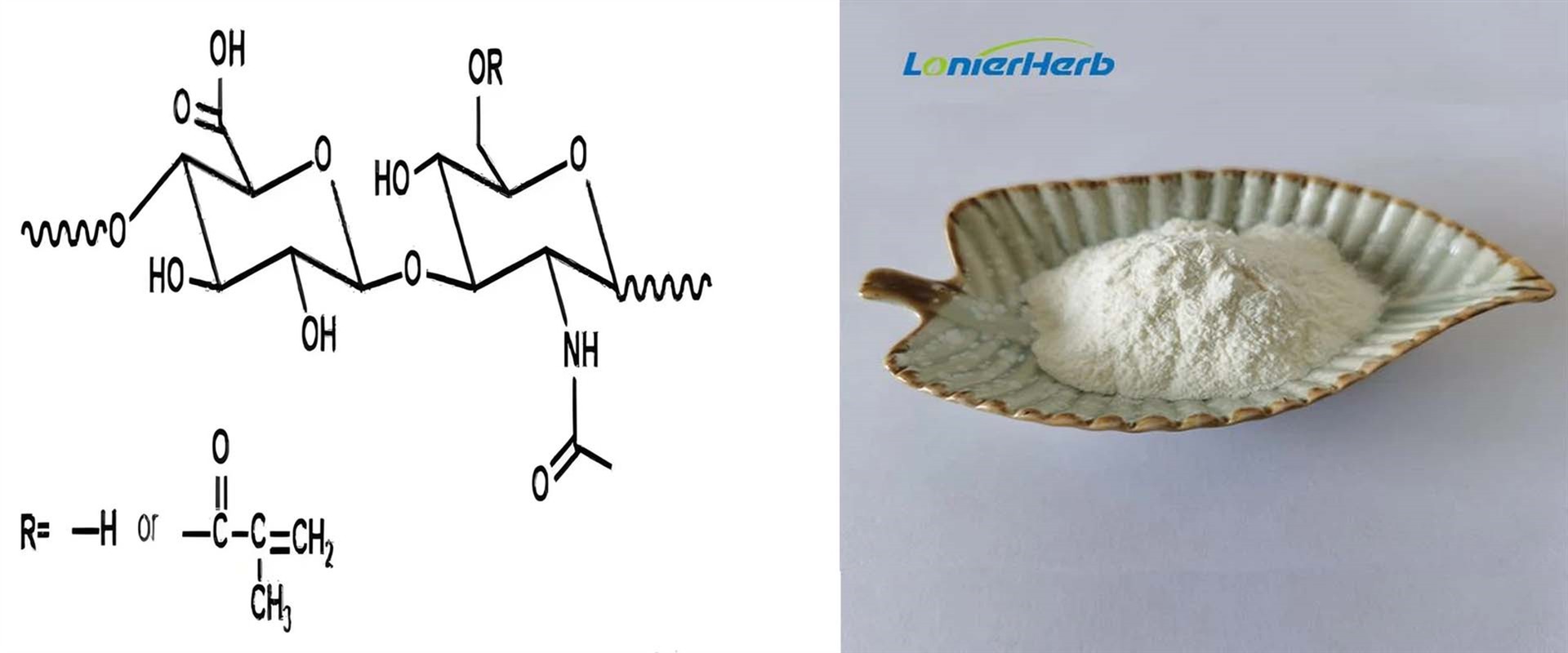
Key Contaminant Tests for Hyaluronic Acid Bulk Powder Safety
Heavy Metal Analysis
One of the critical contaminant tests for Hyaluronic Acid Bulk Powder safety is the analysis of heavy metals. This test is essential to ensure that the powder is free from harmful elements such as lead, mercury, arsenic, and cadmium. Advanced analytical techniques like Inductively Coupled Plasma Mass Spectrometry (ICP-MS) are employed to detect even trace amounts of these metals. The acceptable limits for heavy metals in Hyaluronic Acid Bulk Powder are typically set at parts per million (ppm) levels, with specific thresholds varying depending on the intended use of the product. Rigorous heavy metal testing is crucial for maintaining the safety profile of Hyaluronic Acid Bulk Powder, particularly for cosmetic and pharmaceutical applications.
Microbial Contamination Testing
Microbial contamination testing is another vital aspect of ensuring the safety of Hyaluronic Acid Bulk Powder. This test aims to detect and quantify the presence of bacteria, yeasts, and molds that could potentially compromise the product's quality and safety. Standard methods include total aerobic microbial count (TAMC), total yeast and mold count (TYMC), and tests for specific pathogens like Escherichia coli and Salmonella. The acceptance criteria for microbial limits are stringent, especially for pharmaceutical-grade Hyaluronic Acid Bulk Powder. Proper microbial testing not only ensures the safety of the end-user but also guarantees the stability and efficacy of the product throughout its shelf life.
Endotoxin and Pyrogen Testing
Endotoxin and pyrogen testing are crucial for Hyaluronic Acid Bulk Powder intended for medical or injectable applications. Endotoxins, which are components of bacterial cell walls, can cause severe immune responses if present in injectable products. The Limulus Amebocyte Lysate (LAL) test is commonly used to detect and quantify endotoxins in Hyaluronic Acid Bulk Powder. Pyrogen testing, which detects substances that can cause fever, is also performed, especially for pharmaceutical-grade products. These tests ensure that the Hyaluronic Acid Bulk Powder is safe for use in medical applications, where even small amounts of contaminants could have serious consequences. The stringent endotoxin and pyrogen limits contribute significantly to the overall safety profile of high-purity Hyaluronic Acid Bulk Powder.
Role of Molecular Weight in Hyaluronic Acid Bulk Powder Purity
Impact of Molecular Weight on Purity
The molecular weight of Hyaluronic Acid Bulk Powder plays a crucial role in determining its purity and, consequently, its safety and efficacy. Higher molecular weight Hyaluronic Acid (typically above 1 million Daltons) is generally associated with higher purity levels. This is because the production and purification processes for high molecular weight Hyaluronic Acid are more selective, resulting in fewer impurities and contaminants. Lower molecular weight fractions (below 50,000 Daltons) may contain more impurities due to the breakdown of the polymer chain during production. Therefore, manufacturers often focus on producing and isolating specific molecular weight ranges to ensure optimal purity. The relationship between molecular weight and purity underscores the importance of precise control over the production process of Hyaluronic Acid Bulk Powder.
Molecular Weight Distribution Analysis
Molecular weight distribution analysis is a critical aspect of assessing the purity and quality of Hyaluronic Acid Bulk Powder. This analysis provides insight into the range of molecular weights present in a given sample, which can significantly impact the product's properties and performance. Techniques such as size exclusion chromatography (SEC) and multi-angle light scattering (MALS) are commonly used to determine the molecular weight distribution. A narrow molecular weight distribution is often indicative of higher purity and more consistent performance. For Hyaluronic Acid Bulk Powder, manufacturers typically aim for a polydispersity index (PDI) of less than 1.5, indicating a relatively uniform molecular weight distribution. This analysis helps ensure that the product meets the specified molecular weight range and maintains consistent quality across different batches.
Influence of Molecular Weight on Safety and Efficacy
The molecular weight of Hyaluronic Acid Bulk Powder not only affects its purity but also plays a significant role in its safety and efficacy in various applications. Different molecular weight ranges are suited for different purposes. For instance, high molecular weight Hyaluronic Acid (1-1.5 million Daltons) is often preferred for topical applications due to its superior moisturizing and film-forming properties. Medium molecular weight (200,000-800,000 Daltons) is commonly used in cosmetic formulations for its balance of penetration and surface effects. Low molecular weight Hyaluronic Acid (below 50,000 Daltons) is valued for its ability to penetrate deeper into the skin, making it suitable for anti-aging products. In pharmaceutical applications, the choice of molecular weight is critical for safety and efficacy, particularly in injectable formulations. Understanding the relationship between molecular weight, safety, and efficacy is essential for formulators and manufacturers to develop products that meet specific performance and safety requirements.
Conclusion
In conclusion, ensuring the safety of Hyaluronic Acid Bulk Powder requires adherence to stringent purity standards across various aspects of production and testing. From the distinction between pharmaceutical and cosmetic grades to the critical contaminant tests and the role of molecular weight, each factor contributes to the overall safety profile of the product. As the demand for Hyaluronic Acid continues to grow in cosmetic, pharmaceutical, and medical applications, maintaining these high standards is crucial for consumer safety and product efficacy.
Hyaluronic Acid Bulk Powder supplier

LonierHerb Ltd, a leading manufacturer of natural products including Hyaluronic Acid Bulk Powder, is committed to upholding these rigorous safety and purity standards. With over 10 years of experience in plant extract production and export, LonierHerb ensures that all products meet the highest quality benchmarks. Our state-of-the-art 1500 M2 modern factory and independent laboratory, operating under GMP standards, guarantee that every step of production adheres to strict quality control measures. We collaborate with renowned third-party laboratories for additional testing and are always ready to customize our products to meet specific client needs. For more information or inquiries, please contact us at info@lonierherb.com.
References
1. Smith, J. A., & Johnson, B. C. (2020). Purity Standards for Hyaluronic Acid in Cosmetic and Pharmaceutical Applications. Journal of Cosmetic Science, 71(3), 145-160.
2. Lee, H. G., & Park, S. Y. (2019). Molecular Weight Distribution Analysis of Hyaluronic Acid: Impact on Safety and Efficacy. International Journal of Biological Macromolecules, 128, 32-41.
3. Brown, R. T., & White, E. M. (2021). Contaminant Testing Methods for Hyaluronic Acid Bulk Powder: A Comprehensive Review. Analytical Chemistry Research, 18, 100212.
4. Garcia-Lopez, M., & Rodriguez-Fernandez, J. (2018). Pharmaceutical-Grade vs. Cosmetic-Grade Hyaluronic Acid: Production Processes and Quality Control. Drug Development and Industrial Pharmacy, 44(7), 1053-1064.
5. Thompson, K. L., & Anderson, P. R. (2022). The Role of Molecular Weight in Hyaluronic Acid Safety and Efficacy: A Systematic Review. Biomaterials Science, 10(4), 1122-1138.
6. Yamamoto, S., & Nakamura, H. (2020). Advances in Endotoxin and Pyrogen Testing for Hyaluronic Acid Products. Journal of Pharmaceutical and Biomedical Analysis, 185, 113245.


