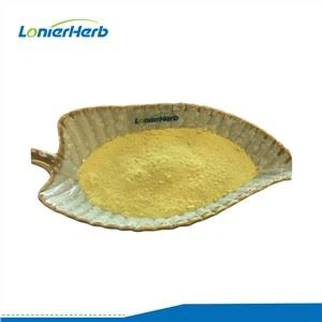
Glutathione Powder Reduced is a top antioxidant because it is made up of three special building blocks: L-glutamic acid, L-cysteine, and glycine. It also has an active thiol (-SH) group that directly neutralises reactive oxygen species. This biologically active form keeps the redox balance of cells in check, helps Phase II detoxification pathways work, and shields molecules against oxidative damage. Because Glutathione Powder Reduced can be used in a wide range of nutraceutical, pharmaceutical, and cosmetic products and has been shown to work in clinical settings, it is an essential ingredient for companies that want to make high-performance, natural antioxidant solutions that meet strict quality standards and meet consumer demands for clean labels.
Understanding Reduced Glutathione Powder: Composition and Benefits
The Chemical Architecture Behind Cellular Protection
The biologically active form of this master antioxidant is Glutathione Powder Reduced, which can be distinguished by its preserved sulfhydryl functional group. This white to off-white crystalline powder has a molecular formula of C10H17N3O6S and a molecular weight of 307.32 g/mol. It dissolves very well in water (about 100 mg/mL), but not in ethanol or ether. The molecule is unique when it is in its Glutathione Powder Reduced form, because the cysteine residue still has its free thiol group. This lets it donate electrons directly to cells to neutralise free radicals and reactive oxygen species. Peptide links connect glutamic acid, cysteine, and glycine in a specific order to form the tripeptide structure. The molecule can get through cell membranes and take part in important biochemical reactions because of its shape. Material suitable for manufacturing usually has a purity level between 98.0% and 101.0% on an anhydrous base, as tested by HPLC, and a melting point between 192°C and 195°C. These technical specifications make sure that the performance is the same in all formulation environments.
Core Functional Benefits for B2B Applications
Manufacturers can improve their product creation plans by learning about the many benefits of this antioxidant ingredient. At the molecular level, Glutathione Powder Reduced recycles other antioxidants like vitamins C and E and protects against lipid peroxidation at the same time. As a detoxifier, it can get rid of heavy metals, environmental pollutants, and metabolic waste, which makes it useful in both health supplements and medicines. The compound slows down ageing because it keeps mitochondria working and shields DNA from damage caused by free radicals. Because the antioxidant stops tyrosinase from working and lowers melanin production, cosmetic companies use these properties to make skin-brightening products. Immune support is another important benefit. Clinical studies have shown that people who take supplements regularly have better lymphocyte function and natural killer cell activity. Bioavailability problems have generally limited the effectiveness of oral Glutathione Powder Reduced. However, improvements in micro-encapsulation and liposomal delivery methods have made it possible for manufacturers to get around these problems. When protective matrices and pH buffering systems are added to recipes of B2B clients who add Glutathione Powder Reduced to functional foods, drinks, and dietary supplements, the stability profiles of those products are better.

Comparing Reduced Glutathione Powder with Other Glutathione Forms
Reduced vs. Oxidised: Understanding the Critical Distinction
The oxidised form (GSSG) doesn't have the useful thiol group needed for antioxidant action, so it's just two molecules connected by disulphide bonds. While enzymes in cells automatically change GSSG back to Glutathione Powder Reduced, supplementing with the Glutathione Powder Reduced gives the body instant biological action. When making decisions about what to buy, Glutathione Powder Reduced specs should come first, because oxidised forms need more metabolic conversion steps that may make formulated goods less effective.
Powder vs. Liposomal Delivery Systems
Traditional powder forms are cheaper and give you more options for how to make the product, especially when making a lot of tablets, capsules, or food additives. Although they are more expensive, liposome encapsulation methods improve oral bioavailability by keeping the active chemical safe during stomach transit. For companies that want to sell high-end nutraceuticals, the investment may be worth it. But for companies that make cosmetic-grade ingredients or useful food additives, the cheaper powder types are usually a better choice. The choice of physical form affects how the product is made and what it looks like when it's finished. Dry blending processes can use powders without any problems; they can be dosed precisely, and if kept properly, they will last longer on the shelf. It is still very important to understand how sensitive a molecule is to moisture because its hygroscopic nature speeds up oxidative breakdown when it is exposed to humidity levels above 60% relative humidity.
Natural vs. Synthetic Sourcing Considerations
Biosynthetic production methods are most common in industrial manufacturing. To make pharmaceutical-grade materials, fermentation processes with certain types of yeast are used. This method guarantees consistent purity profiles, gets rid of batch-to-batch differences, and meets the Non-GMO certification needs that markets in North America and Europe are asking for more and more. Natural extraction from animal liver or wheat germ is hard to scale up and could introduce contaminants, so artificial sources are the best choice for B2B buyers who care about quality. When you compare Glutathione Powder Reduced and N-Acetyl Cysteine, you can see how their functions work together. NAC is a precursor that gives the body the cysteine it needs to make Glutathione Powder Reduced on its own, and direct addition gives the body the full tripeptide structure. Combination formulations that use both compounds offer benefits that work better together, which makes them appealing to R&D teams that are making new antioxidant complexes.
Procurement Insights: Buying and Sourcing Reduced Glutathione Powder
Supplier Qualification and Certification Standards
Securing trusted sources demands strict rules for checking them out. GMP certification is the minimum requirement and confirms that all steps in the production chain are in line with standards for making medicines. Our 1500 m² modern building at LonierHerb has full quality control systems in place. We have our own independent lab and testing tools that make sure every batch meets international standards before it is shipped. Third-party confirmation by accredited labs gives you even more peace of mind. We work with Eurofins, SGS, and Intertek to set up retesting based on what the customer wants. This way, the whole supply chain is completely clear. This method solves the main problems that buyers have with batch tracking, heavy metal content checking (Pb <0.5 ppm, As <0.5 ppm), and residue solvent analysis. Professional sellers can be told apart from commodity traders by how complete their documentation is. Certificates of Analysis (COA), Manufacturing Authorisation (MOA), Material Safety Data Sheets (MSDS), and process flow documentation should all be part of complete packages. Our manufacturing dates are always up-to-date, never going beyond two months when an order is filled. This gives our products the most stability and shelf life for processing further down the line.
Pricing Structures and Bulk Purchasing Advantages
Pharmaceutical-grade Glutathione Powder Reduced usually costs between $80 and $180 per kilogram on the market. The exact price depends on the quality requirements, the amount ordered, and the terms of the deal. When buyers sign quarterly or yearly supply agreements, they get access to better pricing and make sure they get supplies when demand is high. Our 1 kg minimum order amount works for both one-time purchases and large-scale purchasing plans. The ability to manage inventory has a direct effect on the reliability of the supply chain. We keep stock levels between 200 kg and 500 kg so that we can fill urgent orders more quickly. Usually, it takes 3–7 days for deliveries within China and 15–25 days for shipments to other countries by air or sea freight. This flexibility is very important for companies that use just-in-time production plans or have to deal with sudden increases in demand.
International Trade Protocols and Logistics Optimisation
Cross-border deals need careful attention to following the rules, making sure the paperwork is correct, and choosing the right shipping method. We've been exporting for over 10 years to more than 40 countries, so we know how to handle customs clearance, services that keep things at the right temperature, and consolidated shipping choices that save you money on goods without affecting the quality of the goods. Knowing how to store things keeps them from breaking down during transport. The substance needs to be kept cool, dry, and out of direct sunlight. This is usually done by putting it in double PE bags inside fibre drums. Buyers should check the supplier's packaging standards and ask for protective measures that are right for the climate at the destination and the length of time the goods will be stored.
Safe Usage and Dosage Guidelines for Reduced Glutathione Powder
Industrial Formulation Parameters
Different types of applications have different recommended incorporation rates. Nutraceutical pills usually have between 250 mg and 1000 mg per serving, and clinical studies have shown that daily doses of up to 2000 mg can be helpful for health reasons. When making cosmetics, the concentrations are usually between 0.5 and 2.0%, and the pH level (the best range is between 3.5 and 6.0) and the presence of stabilising agents that stop premature oxidation are carefully considered. The way something is processed is affected by how it dissolves. The compound dissolves easily in clean water at room temperature, but manufacturers should keep their products from being exposed to dissolved states for long periods of time without antioxidants like ascorbic acid or alpha-tocopherol. Because the material is sensitive to transition metals, mixing methods need to take that into account. This means using stainless steel tools and chelating agents in the preparation mixtures.
Regulatory Compliance and Safety Certifications
Products going to be sold in North America need to be FDA GRAS (Generally Recognised as Safe) and follow the rules for food supplements in 21 CFR Part 111. European formulations must follow EU Regulation 1924/2006 on health and nutrition claims, and European Pharmacopoeia monographs spell out specific purity requirements. Our Non-Irradiation, Non-GMO, and Non-Allergen certifications meet the clean-label needs of stores and customers who want them more and more. Quality control goes beyond the initial requirements and includes testing for stability under accelerated circumstances. When kept at controlled temperatures (2-8°C is best, but 15-25°C in sealed cases is also fine), high-performance amounts don't change much over 24 months. Buyers should ask for stable data and set up good repeat dates based on how the finished goods will be stored and how long they are supposed to last.
Manufacturing Best Practices for Product Safety
Our Glutathione Powder Reduced meets the requirements for food and cosmetics (CAS No. 70-18-8), but it is still a semi-finished raw material that needs to be processed and mixed with other ingredients. We don't recommend that raw materials be consumed directly. Instead, we suggest that buyers follow established formulation protocols and dosage guidelines that are right for the job. This method makes sure that professional manufacturing practices and standards for product responsibility are followed.
Market Trends and Future Outlook for Reduced Glutathione Powder in B2B
Growth Drivers in Key Industrial Sectors
The global market for antioxidants is still growing at rates higher than 7% per year. This is because the population is getting older, people are learning more about oxidative stress, and new health claims are being approved by regulators. Glutathione Powder Reduced formulas are especially popular in the beauty industry. Skin-brightening goods are becoming more popular in Asian, Middle Eastern, and Latin American markets, where people are always looking for natural ways to whiten their skin. Nutraceuticals can be used for more than just supplements. They can also be added to functional drinks, protein powders, and beauty-from-within products. Pharmaceutical companies are interested in injectable Glutathione Powder Reduced treatments for certain medical conditions. This has created a demand for ultra-pure parenteral-grade material. These applications that expand offer B2B buyers a number of ways to enter new markets and make their products stand out.
Technological Innovation and Enhanced Delivery Systems
Micro-encapsulation technologies are big steps forward because they help makers get around problems with absorption while also making stability profiles better. Liposomal versions raise plasma levels by 200–300% compared to oral dosing without protection, which is why they are more expensive for certain uses. Value-added product platforms are made possible by mechanisms for sustained release and combinations that work well with selenium, alpha-lipoic acid, and B vitamins. Adding micro-encapsulation services to supply chains speeds up the process of making new products. At LonierHerb, we offer a full range of services, including encapsulation technology, natural colour solutions, and help with developing health supplements. This way, our customers can consolidate their supplier relationships while still getting access to our specialised technical expertise. This vertical integration solves a common problem that comes up when you have to work with several companies and make sure that the quality of all the parts of a recipe is the same.
Strategic Procurement Planning for Competitive Advantage
Proactive buyers keep an eye on changes in regulations, especially while they wait for EU and FDA decisions on health claim approvals and quality standards. Companies can quickly take advantage of new possibilities if they build relationships with suppliers that offer batch tracking, flexible customisation options (like changing the colour, taste, solubility, and content standards), and expert help for R&D projects. According to market research, supply will continue to get tighter because demand is higher than capacity additions, especially for Non-GMO and certified organic materials. Locking in long-term supply agreements with qualified manufacturers at current prices protects against future cost increases and makes sure that supplies are distributed during times when resources are limited. Because we keep enough goods on hand and use modern production methods, we can support our customers through market swings while keeping our prices low.
Conclusion
Glutathione Powder Reduced stays at the top of the list as an antioxidant ingredient thanks to its proven effectiveness, wide range of uses, and growing scientific support. Business-to-business buyers who care about quality, traceability, and source trust can gain a competitive edge by working with well-known makers who offer GMP-certified output, thorough testing methods, and a range of integrated service capabilities. As market demand rises in the nutraceutical, pharmaceutical, and cosmetics industries, it becomes more important to find reliable supply lines with highly skilled partners in order to meet formulation goals and keep product quality high.
high quality Glutathione Powder Reduced

Pharmaceutical-grade Glutathione Powder Reduced made under strict GMP standards is available from LonierHerb Bio-Technology to meet your formulation needs. Our modern facility in the Xi'an High Tech Industrial Development Zone combines more than 10 years of experience exporting with full quality control backed by approvals from Eurofins, SGS, and Intertek. We have low prices for bulk orders, with a minimum of just 1 kg, full documentation packages, and manufacturing dates that never go past two months to make sure the freshness is at its best. In addition to providing raw materials, our integrated service platform offers natural colour solutions, micro-encapsulation technology, and help with the development of health supplements. We change the colour, taste, solubility, and content of our products to make them fit the needs of your particular purpose. We make sure that the supply chain works consistently by keeping stock at levels between 200 and 500 kg and sending goods reliably to over 40 countries. Email our professional business team at info@lonierherb.com to get samples, talk about technical details, or get quotes that are specifically made for your needs. You will notice a difference when you work with a Glutathione Powder Reduced manufacturer who is dedicated to your success.
FAQ
Is long-term use of reduced glutathione safe for commercial formulations?
A lot of clinical evidence backs up safety ratings for long-term supplementation at normal dose levels. Products made according to GMP guidelines and meeting the right purity requirements have a great track record for tolerability. Regulatory bodies like the FDA and EFSA understand that Glutathione Powder Reduced is naturally occurring and plays important roles in the body. They support adding it to long-term use products that are made according to set standards and good production practices.
How can buyers verify supplier credibility and product quality?
To do a full check, you need to look at GMP certifications, get third-party test reports from reputable labs like Eurofins or SGS, and look at full paperwork packages with COA, MSDS, and production records. Buyers should look at what the plant can do, how it controls quality, and how much experience it has with exporting. LonierHerb works with international testing sites and makes it easy to track each batch, which gives buyers who care about quality the peace of mind they need.
What are optimal storage conditions for preserving potency?
Bulk materials should be kept in cool, dry places out of direct sunlight. For the best stability, they should be kept at 2–8°C, but 15–25°C is fine with the right packing. Controlling moisture is still very important; the relative humidity should stay below 50% to stop hygroscopic degradation. Double PE bag storage inside sealed fibre drums is enough to keep things safe. If you follow these steps, the product will stay effective for the full 24-month shelf life.
References
1. Wu, G., Fang, Y.Z., Yang, S., Lupton, J.R., & Turner, N.D. (2004). "Glutathione metabolism and its health implications." Journal of Nutrition, 134(3), 489-492.
2. Witschi, A., Reddy, S., Stofer, B., & Lauterburg, B.H. (1992). "The systemic availability of oral glutathione." European Journal of Clinical Pharmacology, 43(6), 667-669.
3. Richie, J.P., Nichenametla, S., Neidig, W., Calcagnotto, A., Haley, J.S., Schell, T.D., & Muscat, J.E. (2015). "Randomised controlled trial of oral glutathione supplementation on body stores of glutathione." European Journal of Nutrition, 54(2), 251-263.
4. Parcell, S. (2002). "Sulphur in human nutrition and applications in medicine." Alternative Medicine Review, 7(1), 22-44.
5. Lizzo, G., Migliario, M., Suppa, P., Cook, R.J., & Renò, F. (2019). "Oral administration of glutathione: effects on skin aging and photoaging." Clinical, Cosmetic and Investigational Dermatology, 12, 297-305.
6. Forman, H.J., Zhang, H., & Rinna, A. (2009). "Glutathione: overview of its protective roles, measurement, and biosynthesis." Molecular Aspects of Medicine, 30(1-2), 1-12.