Zeaxanthin powder is a natural carotenoid supplement extracted primarily from marigold flowers. This powerful antioxidant is known for its vibrant yellow color and significant health benefits, particularly for eye health. Zeaxanthin, along with lutein, forms the macular pigment in the human eye, which protects the retina from harmful blue light and oxidative damage. As a dietary supplement, zeaxanthin powder has gained popularity for its potential to support vision, reduce age-related macular degeneration risk, and provide other health benefits including skin protection and anti-inflammatory properties.
What Are the Health Benefits of Zeaxanthin Powder?
Vision Protection and Enhancement
Zeaxanthin powder offers exceptional protection for your eyes by acting as a natural sunscreen for the retina. When consumed regularly, zeaxanthin accumulates in the macula, the central part of the retina responsible for sharp, central vision. This concentration helps filter harmful blue light and prevents oxidative damage to the photoreceptor cells. Studies have shown that higher levels of zeaxanthin in the macula correlate with better visual performance, including improved contrast sensitivity and reduced glare sensitivity. Additionally, zeaxanthin powder supplementation has demonstrated benefits for visual processing speed and adaptation to changing light conditions. Regular intake of zeaxanthin powder can be particularly beneficial for individuals spending extended periods in front of digital screens, as it helps combat digital eye strain and the potential long-term effects of blue light exposure.
Age-Related Macular Degeneration Prevention
Age-related macular degeneration (AMD) remains one of the leading causes of vision loss in older adults worldwide, making preventative measures increasingly important. Zeaxanthin powder has emerged as a promising preventative supplement based on extensive research. The Age-Related Eye Disease Study 2 (AREDS2), a landmark clinical trial sponsored by the National Eye Institute, found that supplementation with zeaxanthin, along with lutein and other nutrients, reduced the risk of progression to advanced AMD by 25% in high-risk individuals. The protective mechanism of zeaxanthin powder works through multiple pathways, including antioxidant activity, anti-inflammatory effects, and structural support for the macula. Furthermore, zeaxanthin powder supplementation appears most effective when started before significant macular damage occurs, highlighting its role in preventative care. The recommended dosage typically ranges from 2-4 mg daily, though individual needs may vary based on diet, age, and existing eye conditions.
Skin Health and Anti-Aging Properties
Beyond eye health, zeaxanthin powder delivers impressive benefits for skin health and anti-aging efforts. As a powerful antioxidant, zeaxanthin neutralizes free radicals that contribute to premature skin aging, including fine lines, wrinkles, and loss of elasticity. Research indicates that zeaxanthin powder accumulates in the skin when consumed regularly, providing protection against UV radiation damage much like it does in the eye. This "internal sunscreen" effect complements external sun protection measures by reducing oxidative stress and inflammation following sun exposure. Clinical studies have shown that subjects supplementing with zeaxanthin powder experienced measurable improvements in skin hydration, elasticity, and resistance to UV-induced redness compared to placebo groups. Additionally, zeaxanthin powder appears to support the skin‵s natural repair mechanisms, helping to maintain cellular integrity and function. For optimal skin benefits, experts suggest combining zeaxanthin powder supplementation with a diet rich in other antioxidants and proper external skin care.
How Is Zeaxanthin Powder Extracted and Processed?
Botanical Sources and Cultivation
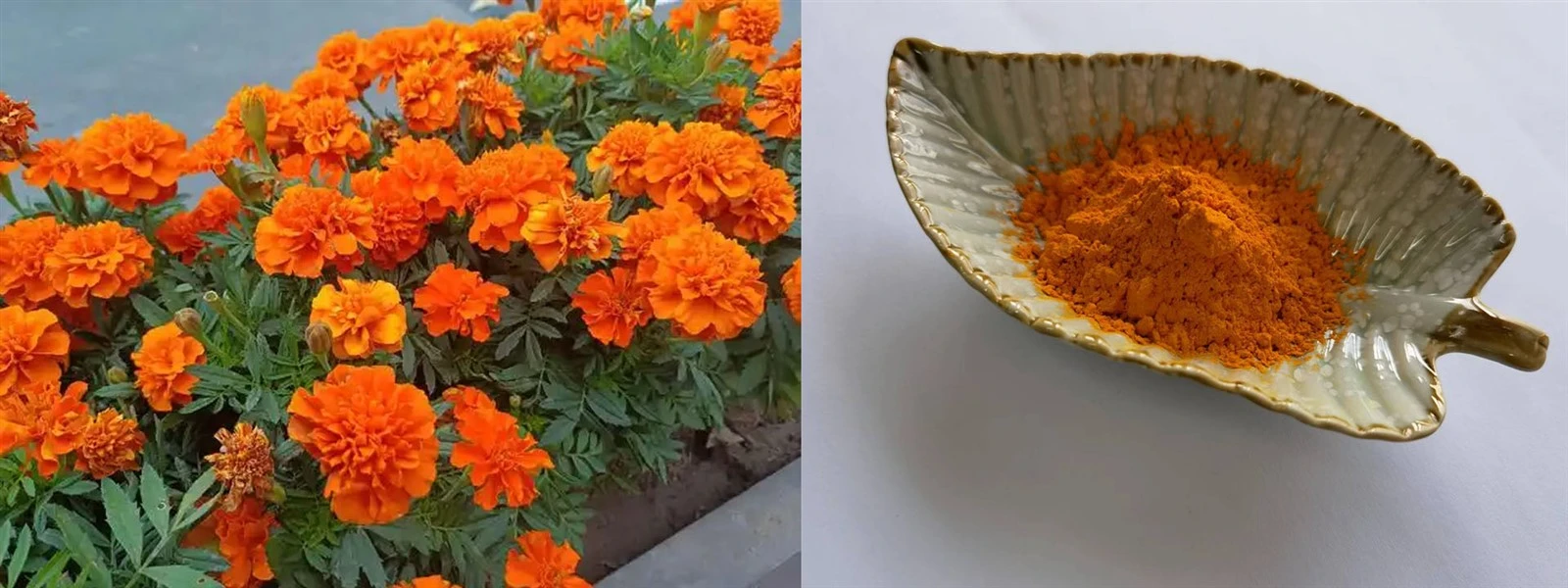
The primary source of commercial zeaxanthin powder is the marigold flower (Tagetes erecta), which naturally produces high concentrations of this valuable carotenoid. Premium zeaxanthin powder begins with carefully selected marigold varieties cultivated specifically for their elevated zeaxanthin content. These specialized cultivars undergo meticulous growing conditions, with factors such as soil composition, sunlight exposure, and watering schedules closely monitored to maximize zeaxanthin production. The cultivation process typically spans 3-4 months, with flowers harvested at peak maturity when zeaxanthin levels reach their highest concentration. Beyond marigolds, zeaxanthin powder can also be extracted from other plant sources including paprika, corn, saffron, and certain algae species, though with varying yields and purity levels. Sustainable agricultural practices have become increasingly important in zeaxanthin powder production, with many manufacturers implementing eco-friendly cultivation methods to ensure both product quality and environmental responsibility. The geographical location of cultivation significantly impacts zeaxanthin content, with tropical and subtropical regions often yielding plants with higher carotenoid levels.
Extraction Technologies
The extraction of zeaxanthin powder employs sophisticated technologies designed to isolate this delicate compound while preserving its molecular integrity and bioactivity. The process typically begins with the drying and grinding of marigold petals to increase surface area for efficient extraction. Conventional solvent extraction using food-grade hexane or acetone has been the traditional method, though supercritical fluid extraction using CO₂ has gained popularity for producing premium zeaxanthin powder without solvent residues. Following initial extraction, the crude extract undergoes saponification, a process that breaks ester bonds and separates zeaxanthin from fatty acids and other compounds. Advanced filtration techniques including ultrafiltration and molecular distillation further refine the extract, removing impurities while concentrating the zeaxanthin content. Throughout these processes, temperature control remains critical, as excessive heat can degrade zeaxanthin powder‵s molecular structure and diminish its biological activity. Modern extraction facilities employ closed-loop systems that minimize environmental impact while maximizing yield, representing significant advancements over earlier extraction methods that required greater solvent volumes and energy inputs.
Quality Standards and Testing
The highest quality zeaxanthin powder adheres to rigorous testing protocols and manufacturing standards to ensure purity, potency, and safety. Premium manufacturers implement comprehensive quality assurance programs that begin with raw material testing and continue through each production stage to final product verification. High-performance liquid chromatography (HPLC) serves as the gold standard analytical method for quantifying zeaxanthin content and confirming the absence of unwanted isomers or degradation products. Additionally, zeaxanthin powder undergoes testing for microbial contamination, heavy metals, pesticide residues, and solvent residues to ensure safety for human consumption. Third-party laboratory verification provides additional confidence in product quality claims, with certificates of analysis documenting zeaxanthin concentration and purity. Standardization of zeaxanthin powder typically aims for concentrations ranging from 5% to 20%, with higher concentrations commanding premium pricing in the marketplace. Stability testing confirms the shelf life under various storage conditions, with properly processed zeaxanthin powder maintaining potency for 24-36 months when stored in cool, dark conditions. Manufacturers seeking to produce pharmaceutical or clinical-grade zeaxanthin powder must meet additional requirements, including Good Manufacturing Practice (GMP) certification and more extensive validation studies.
How Should Zeaxanthin Powder Be Used for Maximum Benefits?
Dosage Recommendations and Timing
Determining the optimal dosage of zeaxanthin powder requires consideration of several factors, including your current diet, age, and specific health goals. Clinical research supports a daily intake of 2-4 mg of zeaxanthin for general eye health maintenance, while therapeutic dosages for existing eye conditions may range from 5-10 mg daily under healthcare provider supervision. When using zeaxanthin powder as a supplement, consistency proves more important than timing, though many experts recommend morning consumption to align with the body‵s natural circadian rhythms. Zeaxanthin powder works synergistically with lutein in a ratio of approximately 1:5 (zeaxanthin to lutein), mirroring their natural occurrence in the macula. For individuals with limited dietary intake of carotenoid-rich foods, higher supplemental doses of zeaxanthin powder may be warranted to achieve protective macular concentrations. Age-related factors also influence dosage needs, with adults over 50 typically requiring higher zeaxanthin intake due to decreased absorption efficiency and increased oxidative stress. Importantly, zeaxanthin powder accumulates gradually in target tissues, with studies showing that consistent supplementation for 3-6 months may be necessary before measurable increases in macular pigment density occur.
Dietary Combinations for Enhanced Absorption
Zeaxanthin powder exhibits fat-soluble properties, making proper dietary combinations essential for maximizing its bioavailability and effectiveness. Consuming zeaxanthin powder with a meal containing at least 3-5 grams of healthy fats significantly enhances absorption rates, with studies demonstrating up to 300% greater bioavailability compared to consumption without fats. Excellent fat sources for zeaxanthin powder include avocados, olive oil, nuts, and fatty fish, which provide complementary nutrients that support overall eye and cellular health. Beyond fat pairing, certain food combinations can further enhance zeaxanthin powder utilization through complementary antioxidant networks. For example, combining zeaxanthin powder with vitamin C-rich foods creates a protective antioxidant cascade, with each compound helping regenerate the other after neutralizing free radicals. Conversely, extremely high-fiber meals may slightly reduce zeaxanthin powder absorption by binding to the carotenoid in the digestive tract. For individuals taking zeaxanthin powder supplements, spreading intake throughout the day with different meals may provide more consistent blood levels compared to a single large dose. Additionally, evidence suggests that light cooking of carotenoid-containing foods may enhance zeaxanthin bioavailability by breaking down cellular structures, a principle worth considering when developing a comprehensive eye health nutrition plan.
Potential Interactions and Precautions
While zeaxanthin powder demonstrates an excellent safety profile for most individuals, certain interactions and precautions warrant consideration. Those taking medications affecting fat absorption, including some cholesterol-lowering drugs, may experience reduced zeaxanthin powder bioavailability and should consult healthcare providers about optimal timing. Individuals with carotenodermia, a condition causing yellowish skin discoloration from carotenoid accumulation, should approach high-dose zeaxanthin powder supplementation cautiously, though this condition remains harmless and reversible. Smokers represent a special population regarding zeaxanthin powder supplementation, as some research suggests altered carotenoid metabolism in smokers, potentially requiring dosage adjustments or specialized formulations. From a quality perspective, consumers should select zeaxanthin powder supplements verified by third-party testing to avoid products with contaminants or inaccurate labeling, particularly important since supplement regulation varies internationally. While zeaxanthin powder rarely causes adverse reactions, some individuals may experience digestive discomfort with high doses, suggesting a gradual dosage increase when beginning supplementation. Pregnant or nursing women should consult healthcare providers before initiating zeaxanthin powder supplementation, though no specific contraindications exist for these populations when using moderate dosages. For individuals with existing eye conditions, zeaxanthin powder should be viewed as complementary to, rather than replacement for, conventional medical treatments and regular ophthalmological care.
Conclusion
Zeaxanthin powder offers remarkable benefits for eye health, particularly in preventing age-related macular degeneration and supporting visual performance. This powerful carotenoid extract, primarily sourced from marigold flowers, provides antioxidant protection for both eyes and skin when properly dosed and absorbed. Understanding the extraction processes and quality standards ensures you receive maximum benefits from this natural supplement.
High Quality Zeaxanthin powder

With Shaanxi LonierHerb Bio-Technology Co., Ltd., you‵re partnering with a leader in plant extract production. For over 10 years, we‵ve been offering top-quality natural products for the nutrition, pharmaceutical, and cosmetic industries. Our 1500m² GMP-certified facility ensures strict quality control, and our products are tested by accredited third-party labs. We‵re proud to serve customers in more than 40 countries. For more information, email us at info@lonierherb.com.
References
1. Bernstein, P. S., Li, B., Vachali, P. P., et al. (2016). Lutein, zeaxanthin, and meso-zeaxanthin: The basic and clinical science underlying carotenoid-based nutritional interventions against ocular disease. Progress in Retinal and Eye Research, 50, 34-66.
2. Age-Related Eye Disease Study 2 Research Group. (2014). Secondary analyses of the effects of lutein/zeaxanthin on age-related macular degeneration progression: AREDS2 report No. 3. JAMA Ophthalmology, 132(2), 142-149.
3. Roberts, R. L., Green, J., & Lewis, B. (2009). Lutein and zeaxanthin in eye and skin health. Clinics in Dermatology, 27(2), 195-201.
4. Krinsky, N. I., Landrum, J. T., & Bone, R. A. (2003). Biologic mechanisms of the protective role of lutein and zeaxanthin in the eye. Annual Review of Nutrition, 23, 171-201.
5. Johnson, E. J., Maras, J. E., Rasmussen, H. M., & Tucker, K. L. (2010). Intake of lutein and zeaxanthin differ with age, sex, and ethnicity. Journal of the American Dietetic Association, 110(9), 1357-1362.
6. Norkus, E. P., Nwachukwu, I. D., Krishnan, K., & Friedman, D. S. (2020). Mechanisms underlying the bioavailability and tissue accumulation of carotenoids: Focus on lutein and zeaxanthin. Nutrients, 12(10), 3160.