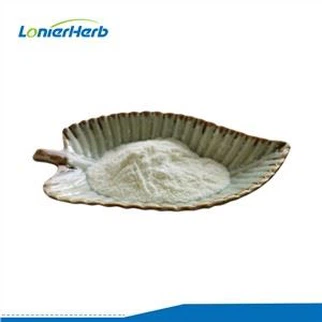
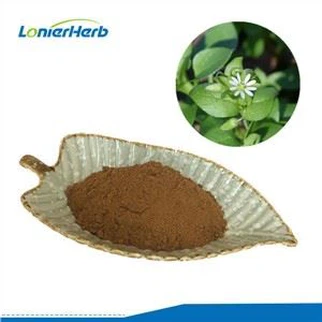
Stevia and Stevia Leaf Extract Powder are both natural sweeteners derived from the Stevia rebaudiana plant, but they differ in their processing methods, sweetness intensity, and taste profiles. This blog post will explore the key differences between these two forms of stevia, helping you understand which option might be best suited for your needs.
How Is Stevia Leaf Extract Powder Processed Differently?
Extraction and Purification Process
Stevia Leaf Extricate Powder experiences a advanced extraction and filtration handle that sets it separated from crude stevia takes off. The prepare starts with collecting the stevia takes off, which are at that point dried and pulverized. The pulverized clears out are drenched in water to extricate the sweet compounds, known as steviol glycosides. This extricate is at that point sifted and filtered utilizing different strategies such as ultrafiltration, particle trade chromatography, and recrystallization. These steps evacuate pollutions and separate the wanted steviol glycosides, basically stevioside and rebaudioside A. The result is a profoundly concentrated powder that contains up to 95% or more of these sweet compounds. This broad preparing guarantees that Stevia Leaf Extricate Powder is reliable in sweetness and free from the biting delayed flavor impression regularly related with crude stevia takes off.
Standardization and Quality Control
One of the key points of interest of Stevia Leaf Extract Powder is the capacity to standardize its composition and power. Producers can absolutely control the proportion of diverse steviol glycosides in the last item, permitting for reliable sweetness and flavor profiles. This standardization is pivotal for commercial applications, as it guarantees that nourishment and refreshment items utilizing Stevia Leaf Extract Powder will have reliable taste and sweetness over clumps. Quality control measures are executed all through the generation handle, counting testing for virtue, microbial defilement, and overwhelming metals. Companies like Shaanxi LonierHerb Bio-Technology Co., Ltd. guarantee that their Stevia Leaf Extract Powder meets universal quality measures, making it reasonable for utilize in different businesses, counting nourishment, refreshments, and pharmaceuticals.
Versatility and Ease of Use
The handling of Stevia Leaf Extricate Powder comes about in a item that is profoundly flexible and simple to utilize in different applications. Not at all like crude stevia takes off, which require arrangement and may have variable strength, Stevia Leaf Extricate Powder can be effectively measured and consolidated into formulas. Its powdered frame permits for consistent mixing into both dry and fluid definitions. This makes it an perfect fixing for nourishment producers looking to diminish sugar substance in their items without compromising taste or surface. Moreover, the powder shape is more steady and has a longer rack life compared to crude clears out, making it more appropriate for commercial generation and capacity. The ease of utilize and consistency of Stevia Leaf Extricate Powder have contributed to its far reaching appropriation in the nourishment and refreshment industry as a common, zero-calorie sweetener elective.

Stevia Extract vs. Raw Leaves: Sweetness Intensity Compared
Concentration of Sweet Compounds
The sweetness intensity of Stevia Leaf Extract Powder significantly surpasses that of raw stevia leaves due to its concentrated nature. While raw stevia leaves contain about 5-10% steviol glycosides, Stevia Leaf Extract Powder can contain up to 95% or more of these sweet compounds. This concentration process results in a product that is 200-300 times sweeter than sugar, compared to raw leaves which are typically 30-40 times sweeter. The high concentration of steviol glycosides in Stevia Leaf Extract Powder means that only a small amount is needed to achieve the desired level of sweetness in food and beverage applications. This efficiency makes it an attractive option for manufacturers looking to reduce calorie content while maintaining sweetness in their products.
Sweetness Profile and Onset
The sweetness profile of Stevia Leaf Extract Powder differs from that of raw stevia leaves in terms of onset and duration. Due to its purified and concentrated nature, Stevia Leaf Extract Powder provides a more immediate sweetness that is perceived quickly on the palate. In contrast, the sweetness from raw stevia leaves may take longer to develop and can linger longer in the mouth. The refined nature of Stevia Leaf Extract Powder also allows for a cleaner sweetness profile, with less of the herbaceous notes that are often present in raw leaves. This characteristic makes Stevia Leaf Extract Powder more suitable for a wider range of applications, particularly in beverages and processed foods where a clean, sugar-like sweetness is desired.
Sweetness Stability in Different Applications
Stevia Leaf Extract Powder exhibits superior stability in various applications compared to raw stevia leaves. The purified and concentrated nature of the extract allows it to maintain its sweetness even under high-temperature processing conditions, making it suitable for baked goods and other heat-treated products. Additionally, Stevia Leaf Extract Powder remains stable across a wide pH range, ensuring consistent sweetness in acidic beverages and dairy products. This stability is crucial for food and beverage manufacturers who need to ensure that their products maintain the desired sweetness throughout their shelf life. Raw stevia leaves, on the other hand, may lose some of their sweetness during processing and storage, making them less reliable for commercial food production. The consistency and stability of Stevia Leaf Extract Powder contribute to its widespread use in the food industry as a reliable natural sweetener.
Why Stevia Extract Powder Has Fewer Bitter Aftertastes?
Removal of Non-Sweet Compounds
One of the primary reasons Stevia Leaf Extract Powder has fewer bitter aftertastes compared to raw stevia leaves is the removal of non-sweet compounds during the extraction and purification process. Raw stevia leaves contain various compounds, including tannins, flavonoids, and other plant materials that can contribute to a bitter or licorice-like aftertaste. The sophisticated processing techniques used to produce Stevia Leaf Extract Powder effectively eliminate these compounds, leaving behind primarily the sweet steviol glycosides. This selective extraction process results in a cleaner, more sugar-like taste profile that is free from the bitter notes often associated with whole stevia leaves. Companies like Shaanxi LonierHerb Bio-Technology Co., Ltd. have developed advanced purification methods to ensure that their Stevia Leaf Extract Powder delivers a pure, sweet taste without unwanted bitter notes.
Optimization of Steviol Glycoside Ratios
Another factor contributing to the reduced bitterness of Stevia Leaf Extract Powder is the ability to optimize the ratios of different steviol glycosides. Not all steviol glycosides have the same taste profile; some, like rebaudioside A, are known for their cleaner, less bitter taste compared to others like stevioside. During the production of Stevia Leaf Extract Powder, manufacturers can selectively isolate and concentrate specific steviol glycosides or create blends that optimize the sweetness profile while minimizing bitterness. For example, some high-purity Stevia Leaf Extract Powders focus on maximizing the content of rebaudioside A, which is known for its superior taste. This level of control over the composition of the final product is not possible with raw stevia leaves, where the ratios of different compounds are determined by the plant‵s natural growth.
Enhanced Solubility and Bioavailability
The processing of Stevia Leaf Extract Powder also enhances its solubility and bioavailability, which can contribute to a reduction in perceived bitterness. The fine particle size of the powder allows for better dissolution in liquids and more even distribution in food matrices. This improved solubility ensures that the sweet compounds are readily available to taste receptors on the tongue, leading to a more immediate and intense sweetness perception that can help mask any residual bitterness. Additionally, some advanced processing techniques used in the production of Stevia Leaf Extract Powder can modify the molecular structure of steviol glycosides to improve their solubility and taste profile further. These enhancements in solubility and bioavailability result in a more pleasant taste experience compared to raw stevia leaves, making Stevia Leaf Extract Powder a preferred choice for many food and beverage applications where a clean, sweet taste is essential.
Conclusion
while both stevia and Stevia Leaf Extract Powder are derived from the same plant, the latter offers significant advantages in terms of sweetness intensity, taste profile, and versatility. The sophisticated processing of Stevia Leaf Extract Powder results in a highly concentrated, standardized product with fewer bitter aftertastes and greater stability across various applications. These qualities make it an ideal choice for food and beverage manufacturers looking to reduce sugar content while maintaining sweetness and flavor. As consumers continue to seek natural, low-calorie sweetener options, Stevia Leaf Extract Powder is poised to play an increasingly important role in the food industry.

With Shaanxi LonierHerb Bio-Technology Co., Ltd., you‵re partnering with a leader in plant extract production. For over 10 years, we‵ve been offering top-quality natural products for the nutrition, pharmaceutical, and cosmetic industries. Our 1500m² GMP-certified facility ensures strict quality control, and our products are tested by accredited third-party labs. We‵re proud to serve customers in more than 40 countries. For more information, please email us at info@lonierherb.com.
References
1. Geuns, J. M. (2003). Stevioside. Phytochemistry, 64(5), 913-921.
2. Lemus-Mondaca, R., Vega-Gálvez, A., Zura-Bravo, L., & Ah-Hen, K. (2012). Stevia rebaudiana Bertoni, source of a high-potency natural sweetener: A comprehensive review on the biochemical, nutritional and functional aspects. Food Chemistry, 132(3), 1121-1132.
3. Prakash, I., DuBois, G. E., Clos, J. F., Wilkens, K. L., & Fosdick, L. E. (2008). Development of rebiana, a natural, non-caloric sweetener. Food and Chemical Toxicology, 46(7), S75-S82.
4. Carakostas, M. C., Curry, L. L., Boileau, A. C., & Brusick, D. J. (2008). Overview: The history, technical function and safety of rebaudioside A, a naturally occurring steviol glycoside, for use in food and beverages. Food and Chemical Toxicology, 46(7), S1-S10.
5. Goyal, S. K., Samsher, & Goyal, R. K. (2010). Stevia (Stevia rebaudiana) a bio-sweetener: a review. International Journal of Food Sciences and Nutrition, 61(1), 1-10.
6. Urban, J. D., Carakostas, M. C., & Brusick, D. J. (2013). Steviol glycoside safety: Is the genotoxicity database sufficient? Food and Chemical Toxicology, 51, 386-390.