It is naturally sweet and comes from the leaves of the Stevia rebaudiana plant. That is all there is to it. This sugar is popular because it's sweet and good for you. In the last few years, it's become very well-known. Stevioside has about 200–300 times more sweets than sucrose, which is what is in table sugar. It's a great choice for people who want to lower their blood sugar or eat less because of this. First, you need to gather the leaves of the stevia plant. Then, you need to let them dry out and use different drainage and cleaning methods on them. These steps are meant to separate the plant matter from the sweet chemicals (steviol glycosides) and get rid of any extra parts that aren't needed. We'll talk more about stevioside sweetness in this blog post. We'll talk about how it's made and all the ways it's used in the food and drink business.
Stevioside: A Natural, Zero-Calorie Sweetener from Stevia Leaves
Chemical Structure and Properties
A molecule called stevioside is part of a group of drugs known as steviol glycosides. Its chemical structure is made up of three glucose molecules linked to a steviol backbone. Its strong sweetness and lack of calories come from this one-of-a-kind mix. Stevioside is very stable at high temperatures and a wide range of pH levels, which means it can be used in a lot of different food and drink products. Because it is stable, the Stevioside Sweetener has a long shelf life and can be used in a lot of different products. Lastly, stevioside does not ferment, which means it does not cause tooth damage or help bad bacteria grow in the mouth by feeding them.
Health Benefits and Safety Profile
It's good that Stevioside Sweetener might help you. Even though it has sugar in it, stevioside does not make your blood sugar go up. This will help people who want to lose weight or eat less. Stevioside may help the body use insulin better and keep blood pressure in check, according to many studies. Stevioside has been checked for safety and both the FDA and the EFSA say it is okay to eat. Kindness If you want to stay healthy and stay away from fake sweets, Stevioside Sweetener is a good choice. It doesn't have many calories.
Comparison with Other Natural and Artificial Sweeteners
Stevioside Sweetener is different from other sugars in a number of ways. Unlike aspartame and sucralose, which are fake sugars, stevioside comes from a natural source and doesn't have the same health concerns about the long term. Stevioside is a natural sweetener that is sweeter than honey or agave nectar but doesn't add calories or change blood sugar levels. Due to its strong sweetness, the Stevioside Sweetener only needs small amounts to achieve the desired level of sweetness. This could save makers money. Moreover, stevioside doesn't have the unpleasant aftertaste that some fake sweeteners do, which makes it more pleasant to use in different situations.

Common Extraction Methods: Hot Water, Ethanol, and Membrane Filtration
Hot Water Extraction
One of the most popular ways to get Stevioside Sweetener from stevia leaves is to use hot water extraction. To do this, dried stevia leaves are soaked in hot water, usually water that is between 60°C and 80°C. The hot water helps break down the steviol glycosides, which include stevioside, in the plant matter. After that, the fluid is cleaned to get rid of plant matter and other parts that don't dissolve. People like hot water extraction because it is easy to do and doesn't cost much because it doesn't need any special tools or chemicals. But this method might get other water-soluble chemicals out of the leaves too, so more cleaning steps are needed to get just the Stevioside Sweetener.
Ethanol Extraction
Another common way to get Stevioside Sweetener is to remove it from ethanol. Alcohol that is safe for food, ethanol, is used as a solvent in this process to get steviol glycosides out of the stevia leaves. A mix of ethanol and water is usually used to soak the dried leaves. This helps break down the stevioside and other sweet chemicals. The ethanol fluid is then removed from the plant matter, and the steviol glycosides are concentrated by letting it evaporate. It is known that ethanol extraction is a good way to get stevioside and other useful chemicals out of stevia leaves while leaving behind some of the less useful parts. This method might make a Stevioside Sweetener that is purer than hot water extraction, but it might cost more because of the solvent and the extra steps needed to process it.
Membrane Filtration
A high-tech method called membrane filtering is used to separate Stevioside Sweetener from plants and make it pure. Different-sized holes in a number of screens are used to pass the first extract through this method. The extract can be made with hot water or ethanol. Small molecules like stevioside can get through the membranes, but bigger chemicals that are bad for you stay behind. Ultrafiltration and nanofiltration are two types of membrane technologies that are often used in this process. The Stevioside Sweetener can be made much more pure by cleaning out molecules that change its color, smell, or taste. This is the best way to make high-quality stevioside extracts that taste better and are not as bitter. But membrane screening devices can be expensive to set up and keep up, which could change the price of the final product.
Purification Techniques: Crystallization and Chromatography for High-Purity Products
Crystallization
A very important step in getting high-purity Stevioside Sweetener is crystallization. The stevioside-rich fluid is crystallized to separate the desired product from other parts after the first separation process. In this process, the solution is usually cooled down or an anti-solvent is added to make stevioside less soluble, which makes it crystallize. After that, filtering or centrifugation are used to remove the crystals from the liquid. Crystallization can be done more than once to make the Stevioside Sweetener more pure. This method works to get rid of flaws and make a high-quality product that is always the same. A small amount of stevioside may be lost during the process, which could lower the total output.
Chromatography
Chromatography is an advanced method of purification that is a key part of making high-purity Stevioside Sweetener. As the molecules move through a fixed phase, this method sorts them into groups based on their chemical and physical features. Ion-exchange chromatography and adsorption chromatography are two popular ways to clean stevioside. The fluid that contains stevioside is pumped through a cylinder that is filled with a certain binder or absorbent material that keeps only the chemicals that are wanted. The Stevioside Sweetener is then flushed out of the column using the right chemicals. Chromatography is a way to separate stevioside from other steviol glycosides and impurities, making a very pure product. Although this process can make very high-quality Stevioside Sweetener, it is usually more expensive and takes more time than other ways of cleaning.
Quality Control and Standardization
Making sure the quality and regularity of Stevioside Sweetener is important for both making money and following the rules. To keep standards high, quality control methods are used during the whole extraction and cleaning process. Some of these steps are trying the raw materials on a daily basis, checking the work in progress, and analyzing the finished product. High-Performance Liquid Chromatography (HPLC) and Mass Spectrometry are two advanced analysis methods that are used to find out how pure the Stevioside Sweetener is and what it is made of. It is also important to standardize the product so that the sweetness and effectiveness of each batch are the same. This could mean mixing various steviol glycosides to get a certain level of sweetness or changing the quantity to meet customer needs. Stevioside Sweetener that meets legal standards and customer expectations is made with the help of strict quality control and standardization processes.
Conclusion
Stevioside sweetener is a natural alternative to sugar and chemical sweeteners that looks like it could be very useful. To get it out of stevia leaves, complex methods are used, including hot water extraction, ethanol extraction, membrane filtration, and then processing methods like crystallization and chromatography. These ways make sure that pure, high-quality stevioside is made that can be used safely in many food and drink uses. More and more people want natural, low-calorie sweets. Stevioside is going to become more important in the food business because it is good for you and can be used in a lot of different ways.
Stevioside sweetener supplier
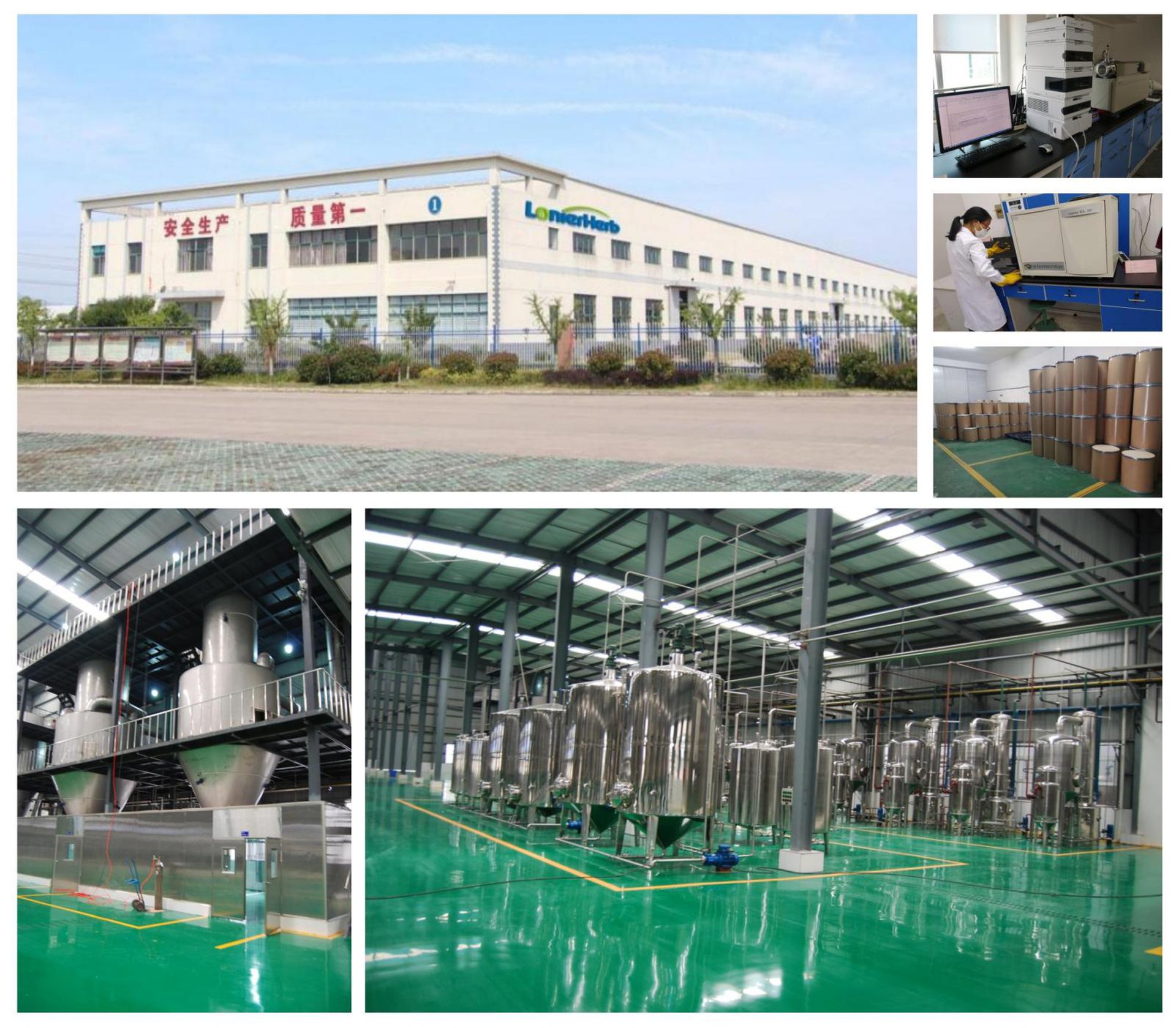
At LonierHerb, we are committed to producing high-quality Stevioside Sweetener using state-of-the-art extraction and purification techniques. Our 1500 m² modern factory and independent laboratory, operating under GMP standards, ensure that each step of the production process is carried out according to strict quality control measures. We offer a range of stevioside products with different specifications to meet various customer needs. For more information about our Stevioside Sweetener products or to request a sample, please contact us at info@lonierherb.com.
FAQ
Q: Is stevioside safe for consumption?
A: Yes, stevioside has been approved as safe for consumption by major regulatory agencies worldwide, including the FDA and EFSA.
Q: Can stevioside be used in cooking and baking?
A: Yes, stevioside is heat-stable and can be used in various cooking and baking applications as a sugar substitute.
References
1.Geuns, J. M. (2003). Stevioside. Phytochemistry, 64(5), 913-921.
2.Lemus-Mondaca, R., Vega-Gálvez, A., Zura-Bravo, L., & Ah-Hen, K. (2012). Stevia rebaudiana Bertoni, source of a high-potency natural sweetener: A comprehensive review on the biochemical, nutritional and functional aspects. Food Chemistry, 132(3), 1121-1132.
3.Prakash, I., DuBois, G. E., Clos, J. F., Wilkens, K. L., & Fosdick, L. E. (2008). Development of rebiana, a natural, non-caloric sweetener. Food and Chemical Toxicology, 46(7), S75-S82.
4.Puri, M., Sharma, D., & Tiwari, A. K. (2011). Downstream processing of stevioside and its potential applications. Biotechnology Advances, 29(6), 781-791.
5.Urban, J. D., Carakostas, M. C., & Brusick, D. J. (2013). Steviol glycoside safety: Is the genotoxicity database sufficient? Food and Chemical Toxicology, 51, 386-390.
6.Yadav, S. K., & Guleria, P. (2012). Steviol glycosides from Stevia: biosynthesis pathway review and their application in foods and medicine. Critical Reviews in Food Science and Nutrition, 52(11), 988-998.