What is quercetin?
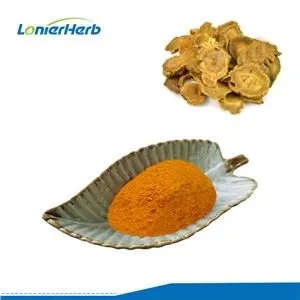
Sophora japonica is the primary source of quercetin, a flavonoid molecule that is naturally occurring and bioactive. Quercetin is an antioxidant with strong medical potential that can prevent free radical damage and postpone the aging of the skin. It also helps with pain reduction, immunological control, anti-inflammatory, and anti-allergic properties.

Sophora Japonica Quercetin Benefits?
1. Antioxidant
Sophora Japonica Quercetin is natural antioxidant. Its levels of quercetin are 50 times higher than those of vitamin E and 20 times higher than those of vitamin C. Research has demonstrated that there is a clear dose-effect link between quercetin‵s ability to scavenge superoxide anions, hydroxyl free radicals, and singlet oxygen.
2. Anti-inflammatory effect
By controlling NF-κB, it can prevent the production of TNF-α and its gene expression, as well as the expression of genes related to inflammatory mediators, so reducing the release of inflammatory mediators. Quercetin's antioxidant action also aids in lowering inflammatory reactions.
3. Protect the cardiovascular system
The cardiovascular protective effect of quercetin is mainly reflected in five aspects:
The primary five characteristics of quercetin‵s cardiovascular preventive impact are as follows:
① Widen blood vessels and lower blood pressure: Quercetin, for instance, can prevent endothelin from being released, which lowers blood pressure by reducing vascular tension.
②Prevention and therapy of coronary heart disease: Additionally, studies on animals have shown that it can lower blood sugar and cut the incidence and mortality of myocardial infarction;
③Reducing myocardial hypertrophy: Quercetin has a substantial preventative and therapeutic effect on myocardial cell hypertrophy. It can also raise SOD activity, decrease MDA content, and considerably block the increase in total protein content of myocardial cells produced by angiotensin II.
④Prevent vascular smooth muscle cells from proliferating and growing larger;
4. Quercetin and respiratory diseases
In addition to its certain antiasthmatic properties, quercetin possesses good expectorant and antitussive properties. It has long been used as a chronic bronchitis treatment. Through mucus secretion, antiviral, anti-fibrosis, anti-inflammatory, and other routes, quercetin has an impact on respiratory health.
Additionally, it has a broad spectrum of anti-fibrotic actions, such as preventing liver, lung, heart, and kidney fibrosis. Its comparatively intricate mode of action mostly consists of blocking the growth of fibroblasts, blocking the manufacture of collagen, blocking oxidative damage, blocking angiogenesis, and so forth.
5. Reduce the risk of certain tumors
Widely ranging in its anticancer activity, quercetin inhibits the growth of many malignant tumors, including those that are lung, nasopharyngeal, colon, liver, gallbladder, gastric, pancreatic, breast, ovarian, cervical, prostate, bladder, melanoma, neuroblastoma, leukemia, and other tumor cells.
6. Antibacterial effect
The antibacterial activity of quercetin is widespread and more potent against Gram-negative bacteria than it is against Gram-positive bacteria.
According to research, quercetin possesses the strongest antibacterial activity against Staphylococcus aureus; it also ranks second against Bacillus colloids. Furthermore, it clearly exhibits antibacterial activity against Escherichia coli, Bacillus thuringiensis, Bacillus subtilis, and Pseudomonas aeruginosa.
7. Skin pigmentation and skin protection
Research has revealed that guinea pigs epidermis treated with quercetin had a large rise in melanocyte count. This phenomenon contributes to the pigmentation of the brown guinea pig‵s back skin and facilitates the growth and synthesis of melanin.
Furthermore, when paired with radiation therapy, quercetin can also disrupt the transcription of collagen, which dramatically lowers the amount of collagen produced by in vitro-cultured keloid fibroblasts. Thus, quercetin might develop into a novel medication for the management of keloids.
8. Other effects
The biological functions of quercetin are diverse. It also has antiviral, antithrombotic, analgesic, anti-obesity, antidepressant, hypoglycemic, and liver protective properties in addition to the values listed above.

We are Sophora Japonica Quercetin manufacturers.We guarantee our products are produced in strict according to standard and specification. If you are interested in our products,welcome to contact by e-mail:info@lonierherb.com or Whatsapp/Wechat:86-18189137076