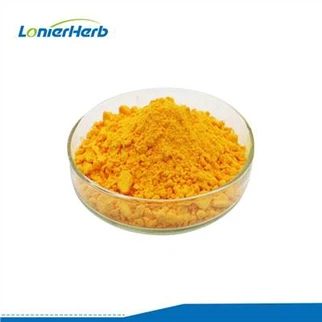
Quillaja Saponaria Extract, derived from the bark of the soapbark tree (Quillaja saponaria Molina), is a natural product with a wide range of applications. Its unique properties, primarily due to the presence of saponins, make it valuable in various industries, from food and beverages to pharmaceuticals and cosmetics. Saponins are glycosides with a distinctive foaming characteristic, and they are responsible for many of the extract‵s biological activities. This blog post will explore the diverse uses of Quillaja Saponaria Extract, highlighting its role as an emulsifier, adjuvant, and foaming agent, among other applications. It is becoming a popular ingredient as a naturally sourced option in various formulations.
Is Quillaja Saponaria Extract Used in Food and Beverages?
Quillaja Saponaria Extract has a long history of use in the food and beverage industry, primarily due to its emulsifying and foaming properties. It‵s a natural alternative to synthetic additives, appealing to consumers seeking cleaner labels.
How Does Quillaja Saponaria Extract Act as an Emulsifier?
Emulsifiers are crucial for creating stable mixtures of oil and water, which are common in many food products. Quillaja Saponaria Extract functions effectively as an emulsifier due to its saponin content. Saponins have a unique molecular structure, with a hydrophobic (water-repelling) part and a hydrophilic (water-attracting) part. This amphiphilic nature allows saponins to position themselves at the interface between oil and water, reducing surface tension and preventing the two phases from separating. This creates a stable emulsion, ensuring a smooth and consistent texture in products like salad dressings, sauces, and ice cream. The use of Quillaja Saponaria Extract as an emulsifier provides a natural alternative to synthetic emulsifiers, meeting the growing demand for clean-label ingredients. It also provides a unique mouthfeel in some applications.
Why is Quillaja Saponaria Extract Used as a Foaming Agent?
The foaming properties of Quillaja Saponaria Extract are another reason for its widespread use in beverages. Saponins, again, are the key component responsible for this characteristic. When agitated in an aqueous solution, saponins create a stable foam by reducing the surface tension of the liquid. This is particularly desirable in beverages like root beer, cream soda, and certain cocktails, where a foamy head is an essential part of the sensory experience. Quillaja Saponaria Extract provides a natural and effective way to achieve this foam, enhancing the visual appeal and mouthfeel of the beverage. The stability of the foam produced by Quillaja Saponaria Extract is also noteworthy, as it tends to last longer than foams created by some synthetic foaming agents. The extract‵s ability to create a fine, persistent foam makes it a valuable ingredient for beverage manufacturers.
Can Quillaja Saponaria Extract Enhance Flavor and Aroma?
Beyond its emulsifying and foaming capabilities, Quillaja Saponaria Extract can also play a role in enhancing the flavor and aroma of certain food and beverage products. While not a primary flavoring agent itself, the extract can interact with other flavor compounds, potentially modifying their perception. Some studies suggest that Quillaja Saponaria Extract can enhance the bitterness of certain compounds, which might be desirable in specific applications, such as tonic water or bitter liqueurs. It can also influence the release of volatile aroma compounds, potentially affecting the overall aroma profile of a product. The exact mechanisms behind these effects are still being investigated, but it‵s clear that Quillaja Saponaria Extract can have a subtle but significant impact on the sensory properties of food and beverages beyond its basic functional roles.

What are the Pharmaceutical Applications of Quillaja Saponaria Extract?
Quillaja Saponaria Extract is gaining increasing attention in the pharmaceutical industry, primarily for its potential as an adjuvant in vaccines and its other therapeutic properties.
How Does Quillaja Saponaria Extract Function as a Vaccine Adjuvant?
Adjuvants are substances added to vaccines to enhance the immune response. Quillaja Saponaria Extract, specifically its purified saponin fractions like QS-21, is a potent adjuvant used in several experimental and licensed vaccines. The saponins in the extract stimulate both the cellular and humoral immune responses. They activate antigen-presenting cells (APCs), such as dendritic cells, which are crucial for initiating an immune response. This activation leads to increased antigen presentation to T cells, resulting in a stronger and more durable immune response. QS-21, in particular, has shown remarkable adjuvant activity, enhancing the effectiveness of vaccines against various diseases, including cancer, malaria, and HIV. Its ability to elicit strong T cell responses makes it particularly valuable for vaccines targeting intracellular pathogens.
Does Quillaja Saponaria Extract Have Anti-inflammatory Properties?
Quillaja Saponaria Extract has demonstrated anti-inflammatory properties in various preclinical studies. The saponins in the extract are believed to be responsible for this effect. They can modulate the production of inflammatory mediators, such as cytokines and chemokines, reducing the overall inflammatory response. This anti-inflammatory activity may be beneficial in treating various inflammatory conditions, although more research is needed to confirm its efficacy and safety in humans. Studies have shown that Quillaja Saponaria Extract can inhibit the activation of certain inflammatory pathways, such as the NF-κB pathway, which plays a central role in inflammation. This suggests that the extract could potentially be used as a natural anti-inflammatory agent in various therapeutic applications.
Can Quillaja Saponaria Extract Be Used for Drug Delivery?
The unique properties of Quillaja Saponaria Extract, particularly its ability to form micelles and interact with cell membranes, make it a potential candidate for drug delivery systems. Saponins can form micelles, which are small spherical structures that can encapsulate hydrophobic drugs, improving their solubility and bioavailability. This can enhance the delivery of poorly water-soluble drugs to their target sites in the body. Furthermore, saponins can interact with cell membranes, potentially increasing their permeability and facilitating the uptake of drugs into cells. While research in this area is still in its early stages, the potential of Quillaja Saponaria Extract as a drug delivery vehicle is promising, particularly for enhancing the delivery of challenging drug molecules.
Is Quillaja Saponaria Extract Used in Cosmetics and Personal Care Products?
Quillaja Saponaria Extract finds applications in the cosmetics and personal care industry, leveraging its natural cleansing, foaming, and emulsifying properties.
Why is Quillaja Saponaria Extract Used in Cleansing Products?
The natural surfactant properties of Quillaja Saponaria Extract make it a suitable ingredient in cleansing products, such as shampoos, facial cleansers, and body washes. Saponins, as mentioned earlier, have both hydrophobic and hydrophilic parts, allowing them to interact with both oil and water. This enables them to effectively remove dirt, oil, and makeup from the skin and hair. Quillaja Saponaria Extract provides a gentle yet effective cleansing action, making it a desirable alternative to harsh synthetic surfactants that can strip the skin and hair of their natural oils. The extract's natural origin also appeals to consumers seeking more natural and sustainable cosmetic products. It‵s also used in some "sulfate-free" formulations.
How Does Quillaja Saponaria Extract Function in Emulsions for Skin Care?
Similar to its use in food products, Quillaja Saponaria Extract can act as an emulsifier in cosmetic formulations, such as creams and lotions. It helps to create stable mixtures of oil and water, ensuring a smooth and consistent texture. This is particularly important for products that contain both oil-based and water-based ingredients. The use of Quillaja Saponaria Extract as an emulsifier provides a natural alternative to synthetic emulsifiers, contributing to the overall natural profile of the product. It also helps to improve the spreadability and absorption of the product onto the skin. The stability provided by the extract ensures that the product remains homogenous over time, preventing separation and maintaining its desired consistency.
Does Quillaja Saponaria Extract Have Any Benefits for Hair Care?
Quillaja Saponaria Extract can offer several benefits in hair care products. Its cleansing properties, as mentioned earlier, make it effective for removing dirt and oil from the hair and scalp. It can also contribute to the foaming properties of shampoos, enhancing the lathering experience. Some studies suggest that Quillaja Saponaria Extract may have anti-dandruff properties, potentially due to its anti-inflammatory and antimicrobial effects. It may also help to improve the manageability and shine of the hair. While more research is needed to fully elucidate its benefits for hair care, the existing evidence suggests that Quillaja Saponaria Extract can be a valuable ingredient in various hair care formulations.

Conclusion
Quillaja Saponaria Extract, with its rich saponin content, is a versatile natural product with a wide range of applications. From its use as an emulsifier and foaming agent in food and beverages to its role as a vaccine adjuvant and a natural cleanser in cosmetics, the extract offers a unique combination of properties. As the demand for natural and sustainable ingredients continues to grow, Quillaja Saponaria Extract is likely to find even wider applications in various industries.
Shaanxi LonierHerb Bio-Technology Co., Ltd. is a high-tech enterprise based in Xi‵an, specializing in plant extracts, natural colors, micro-encapsulation, and health supplements. With over 10 years of experience, we pride ourselves on delivering safe, reliable, and effective products used across industries such as nutrition, pharmaceuticals, and cosmetics. Our state-of-the-art 1500m² GMP-certified facility ensures the highest quality, and we collaborate with third-party labs like Eurofins and SGS for product testing. Serving over 40 countries, LonierHerb is committed to excellence. Reach us at info@lonierherb.com.
References:
1. Cheeke, P. R. (2000). Actual and potential applications of Yucca schidigera and Quillaja saponaria saponins in human and animal nutrition. Recent Advances in Animal Nutrition, 2000, 115-126.
2. Francis, G., Kerem, Z., Makkar, H. P. S., & Becker, K. (2002). The biological action of saponins in animal systems: a review. British Journal of Nutrition, 88(6), 587-605.
3. Güçlü-Üstündağ, Ö., & Mazza, G. (2007). Saponins: properties, applications and processing. Critical Reviews in Food Science and Nutrition, 47(3), 231-258.
4. Kensil, C. R. (1996). Saponins as vaccine adjuvants. Critical Reviews in Therapeutic Drug Carrier Systems, 13(1-2), 1-55.
5. Sun, H. X., Xie, Y., & Ye, Y. P. (2009). Advances in saponin-based adjuvants. Vaccine, 27(12), 1787-1796.
6. Wojciechowski, Z., Bochenska-Oleszczuk, K., Jeziorski, A., & Zimowski, J. (2005). A method for isolation of QS-7 and QS-21 fractions of high purity from Quillaja saponaria Molina. Phytochemical Analysis, 16(5), 340-345.