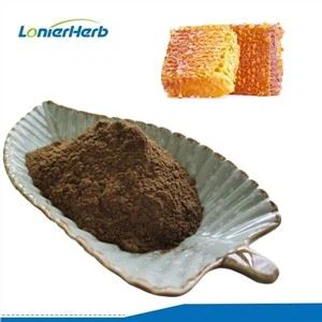
Natural Kojic Acid Powder can be found in beauty products. It is called 5-hydroxy-2-hydroxymethyl-4-pyrone in molecular terms. Its job is to stop skin cells from making melanin, and this rigid chemical gets in the way of that. When put on the face in certain ways, kojic acid powder stops the chemical process that makes skin turn color. This lessens the look of dark spots, age spots, and uneven skin tone. Copper ions are needed for tyrosinase to work, and its chelating qualities hold them in place. In the level, this stops the production of melanin and has some weak defensive benefits.
Understanding Kojic Acid Powder: Origin, Chemistry, and Mechanism
Natural Origins and Production Methods
The chemical comes from fermentation, which is when Aspergillus oryzae and other related fungi grow on things that are high in carbohydrates, like soybeans, rice, or glucose solutions. This bio-fermentation method creates an active ingredient that comes from plants. This fits with the trend toward clean labels and the desire of customers for makeup that comes from plants. How clean something is is directly linked to how it was made. Some pharmaceutical-grade forms are 99% pure (CAS No. 501-30-4) because they follow strict rules for fermentation, crystals, and cleaning. These forms are very pure and meet high-quality standards, so they can be used in medical skin care and sent to limited markets. Not so good extracts, on the other hand, may still have by-products of fermentation that make them less stable and less useful in recipes.
Chemical Properties and Quality Parameters
The chemical name for this element is C6H6O4, and it is a solid crystalline powder that is off-white to cream-colored. Its molecular weight is 142.11. At temperatures between 152°C and 156°C, it can melt. It's also very easy to dissolve in water and ethanol. Since it works well with both water-based and alcohol-based devices, it is very useful. Some of the most important quality factors for buying are purity levels that have been checked by HPLC, heavy metal content below 10ppm, and the lack of microbe contamination. Good companies give Certificates of Analysis (COA) that are unique to each batch and show that these conditions have been met. That part of the recipe needs to be carefully thought out so that it doesn't break down because it is sensitive to pH and stays fixed between 4.0 and 9.0.
Tyrosinase Inhibition and Melanin Reduction Pathway
Copper ions are held in place inside the tyrosinase enzyme's active site. This is the important step. One of the things that tyrosinase does is help change tyrosine into DOPA (dihydroxyphenylalanine) and then to dopaquinone. These are the building blocks for making melanin. Kojic Acid Powder stops this biological chain reaction by binding to these important copper cofactors. This lowers the production of melanin without hurting melanocytes. Topical solutions with amounts between 1% and 4% have been shown in dermatological journals to lower hyperpigmentation markers in a way that can be measured. Because it works at the enzyme level, this method is very different from those that remove dead skin or whiten teeth. You can also get rid of free radicals and the ingredient has some weak antifungal properties. These are extra benefits that help keep the product fresh and protect it from damage caused by antioxidants.

Benefits and Applications of Kojic Acid Powder in Skincare Formulations
Addressing Hyperpigmentation and Skin Discoloration
It is mostly used to treat melasma, post-inflammatory hyperpigmentation (PIH), sun spots, and coloring that comes with getting older. Studies in humans have shown that using Kojic Acid Powder in skin care products every day for 8 to 12 weeks can get rid of dark spots by 20 to 40 percent. That makes it very helpful for Asian, Hispanic, and African American things that are meant to help people who are worried about coloring choose what to buy.
People who make products like that it can work on more than one color route at the same time. It also lowers reactive stress, which makes melanin spread out unevenly, in addition to stopping tyrosinase. People keep buying serums, spot treatments, and sleeping masks with this ingredient because they work so well and make people want to buy more.
Comparative Analysis with Alternative Brightening Agents
Hydroquinone is the strongest and most controversial skin lightener. Kojic acid powder is safer and doesn't have as many rules about it. Hydroquinone is either not allowed or only available in small amounts in some Asian and European markets because it may be bad for cells. But kojic acid is still widely accepted by governments around the world as long as it is used in small amounts.
When kept, kojic acid powder is less likely to break down than vitamin C goods like ascorbic acid or magnesium ascorbyl phosphate. It also stays more stable at low pH levels. Things that are high in vitamin C often need complicated stabilization systems and thick packaging to keep them from going bad. Kojic acid products that are made properly, on the other hand, stay useful for as long as they are kept normally. When compared to retinol, kojic acid makes skin less sensitive to light and inflammatory. In other words, you can use it during the day and on sensitive skin as long as you keep your skin out of the sun.
The ingredient's compatibility extends to combination formulations. In advanced serums, it is often mixed with niacinamide, alpha-arbutin, or licorice extract to boost shine even more. This recipe freedom lets OEM clients make their own blends that make their product lines stand out, while still keeping the formulas stable and effective.
Versatility Across Product Categories
The fact that the ingredient can be used in a lot of different goods is liked by procurement managers who are looking for them. It works well in cream-based conditioners, light serums, cleaning bars, face masks, body lotions, and conditioners. The molecules are very small, so they can easily pass through the stratum corneum and reach certain parts of the skin with active ingredients.
Drug companies also use pharmaceutical-grade forms in prescription skin care items to treat pigmentation issues that won't go away, as well as in makeup. Nutraceutical companies are looking into new ways to add supplements to the body, but the most popular way is still to put them on the skin. In food science, it keeps fresh-cut fruits, veggies, and fish from going bad by stopping them from turning brown. This shows that it can be used for more than just personal care.
Safe Usage and Best Practices for Kojic Acid Powder Integration
Regulatory Landscape and Safety Considerations
Kojic Acid Powder can be used in cosmetics all over the world, but the amount that can be used varies from place to place. There are no set limits on it by the US Food and Drug Administration (FDA). It can be made at amounts that are supported by safety data. In Europe, it can be used in leave-on makeup. However, some Asian markets say that between 1% and 2% of the product should not be used on the face. Japan makes a lot of things, but they have rules about how they can be used that teams that are making goods for that market need to know about. Safety profiles show that tolerance is generally good when they are made right. About 1% to 2% of users have experienced mild soreness, redness, or being sensitive to touch. This happens when the amount is more than 4% or when the pH level is not balanced enough. Astringents like allantoin or bisabolol should be added to skin care items to keep the skin from getting sore. Patch testing should be used for all new formulas while a product is being made.
Recommended Concentrations and Formulation Techniques
Safety and efficiency need to be matched for a mix to work. Concentrations between 1% and 2% are good for everyday products like washes and lotions because they keep the skin bright without making it hurt. 2-4% amounts may be used in intensive treatments like spot correctors or overnight serums to help certain areas see effects faster. Adding more than 4% usually doesn't make the drug work better and can make side effects more likely. To keep the purity of the ingredients in a product for as long as it lasts, it needs stabilization strategies. Iron can change the color of substances, which can make mixes look brown, but chelating agents like EDTA stop this from happening. Cells don't break down because of air when antioxidants like sodium metabisulfite are present. pH balance systems keep the acidity level between 3.5 and 5.0. This helps the ingredients last longer and works better with skin. Formulas that are sensitive to light stay safe in dark or yellow packaging, which also makes the product last longer.
If your OEM partner offers customization services, they can change the qualities that make it dissolve, the way the particles are spread out, and the compatibility profiles to fit your recipe. Micro-encapsulation technology makes things more solid and uses controlled release methods to keep active ingredients on the skin's surface for longer. High-end brands that want to stand out by using new ways to make their items are interested in these more advanced ways to move goods.
Implementation Protocols for End-Product Development
Structured merging methods should be used when adding this ingredient to a product. For 12 weeks at 40°C/75% RH, the first stable test is done to see if there are any problems with the makeup before full-scale production starts. By making sure that the expected co-actives are compatible, dangerous interactions that could make the drug less effective or unstable are avoided. It is important to be careful when using Kojic Acid Powder with some preservatives because it is not very good at killing microbes. Most of the time, phenoxyethanol, ethylhexylglycerin, and potassium sorbate work well together. The amount of heat that is exposed during handling should be limited by the manufacturing process, since high temperatures can speed up degradation. Working with ingredients at room temperature or cool temperatures keeps them pure and makes the final result work better.
Procurement Considerations for Kojic Acid Powder Supply Chain Management
Evaluating Supplier Credentials and Manufacturing Standards
You need to learn a lot about a lot of different things to find providers you can trust. When a business gets GMP approval, it means that they follow the rules for making pharmaceutical-grade products. This makes sure that the quality is always kept and that there is no contamination. If a business has ISO 9001 approval, it means they have strong quality control systems in place that cover the whole process, from getting raw materials to putting out finished goods. People who work with food-grade goods need to pay extra attention to the process after getting HACCP approval.
Cost-Effectiveness and Order Optimization Strategies
Brands that people always want to buy can save you a lot of money when you buy in bulk. Suppliers such as Shaanxi LonierHerb Bio-Technology Co., Ltd. keep between 1000 kg and 2000 kg of stock on hand. This lets them quickly fill big orders and give customers the option of buying smaller trial amounts starting at 1 kg. This feature does two things at once, which helps with both R&D projects and full-scale output needs.
Storage, Handling, and Supply Chain Logistics
Throughout the supply chain, products stay fresh by being kept in the right circumstances. For best results, keep the mixture in a cool, dry place below 25°C, away from direct light, heat sources, and water. If Kojic Acid Powder is in a covered case, it can't absorb water, which would make it less chemically solid and less able to move. As long as everything stays the same, it should last 24 to 36 months after it was made.
Conclusion
There's more to know about Kojic Acid Powder than just its base recipe. Also, you should know about the whole supply line that helps make new things. This part comes from plants and has been shown to help with coloring. Also, it can be used in a lot of different things. When you do strategic procurement, you need to look at your providers' skills, quality methods, expert help, and facilities. There are many things that can change how effective your ingredients are and how well your goods work. B2B buyers benefit from partnering with established manufacturers demonstrating transparent quality control, third-party validation, and comprehensive service integration. As consumer demand for natural, effective skincare ingredients continues growing, securing dependable sources for pharmaceutical-grade materials becomes increasingly critical to competitive positioning and market success.
Kojic Acid Powder supplier

Lonier's full range of mixed supply choices will make it easy for businesses to find reliable places to get high-quality Kojic Acid Powder. Eurofins, SGS, and Intertek labs do tight quality checks on our 99% pharmaceutical-grade material (CAS No. 501-30-4). This guarantees that the levels of cleanliness and safety are always the same and meet the rules set by governments around the world.
Shaanxi Lonier Herb Bio-Technology Co., Ltd. has plants that are GMP-certified and have been shipping for more than ten years. They work with companies all over the world that make drugs, cosmetics, health products, and conduct research and development. Our 1500 M² modern production center and separate lab make it possible to keep track of every batch, from finding the raw materials to sending the finished goods. If you need different specs, we can make them. For example, we can help you improve solubility, make particles smaller, or use micro-encapsulation to solve formulation problems that are specific to your product development needs.
Reach out to our technical team at info@lonierherb.com to discuss your specific formulation requirements, request product samples, or obtain competitive quotations for your next procurement cycle. Our customer-oriented approach combines competitive pricing with technical expertise, helping you achieve your business objectives while maintaining the quality standards your customers expect. Visit our comprehensive ingredient portfolio at https://www.ingredients-lonier.com/ to explore our complete range of plant extracts, natural colors, and herbal actives supporting health-focused product innovation.
FAQ
What concentration provides optimal skin lightening results?
Formulas with amounts between 1% and 4% have been shown to make things look better in the lab. Most everyday products have between 1% and 2% of it, while intense treatments may have between 2% and 4%. Most of the time, concentrations above 4% don't make things work better and can even be uncomfortable, so they aren't good for most market uses.
Can kojic acid powder be combined with vitamin C or retinol?
This ingredient works well with vitamin C goods as long as the pH level stays the same. Since they work in different ways, they may be able to help each other. When you mix retinoids, you need to be careful because both of them can make your skin more sensitive to light. Users don't have to worry about reactions when they are told to use retinol in the evenings and kojic acid products in the mornings.
How can buyers verify ingredient authenticity and supplier reliability?
Asking for a batch-specific COA with HPLC pure proof, heavy metal tests, and bacteria analysis backs up claims of quality. Not connected to the company, reports from Eurofins, SGS, or Intertek are proof that stands on its own. Factory tests, licenses (GMP, ISO 9001), and calling past customers for references are all good ways to make sure the provider is skilled and reliable.
What storage conditions preserve ingredient stability?
Powder won't break down if you keep it in cool, dry places below 25°C in sealed containers. Stopping oxidative browning and clumping can be done by keeping moisture and light out. If you keep pharmaceutical-grade material the right way, it will work for 24 to 36 months after it was made.
References
1. Burnett, C. L., et al. (2010). "Safety Assessment of Kojic Acid as Used in Cosmetics." International Journal of Toxicology, 29(6 Suppl), 244S-273S.
2. Lim, J. T. (2019). "Treatment of Melasma Using Kojic Acid in Asian Population: A Systematic Review." Journal of Clinical and Aesthetic Dermatology, 12(5), 36-42.
3. Maeda, K., and Fukuda, M. (1996). "Arbutin: Mechanism of its Depigmenting Action in Human Melanocyte Culture." Journal of Pharmacology and Experimental Therapeutics, 276(2), 765-769.
4. Saeedi, M., Eslamifar, M., and Khezri, K. (2019). "Kojic Acid Applications in Cosmetic and Pharmaceutical Preparations." Biomedicine & Pharmacotherapy, 110, 582-593.
5. Zhu, W., and Gao, J. (2008). "The Use of Botanical Extracts as Topical Skin-Lightening Agents for the Improvement of Skin Pigmentation Disorders." Journal of Investigative Dermatology Symposium Proceedings, 13(1), 20-24.
6. Draelos, Z. D. (2007). "Skin Lightening Preparations and the Hydroquinone Controversy." Dermatologic Therapy, 20(5), 308-313.