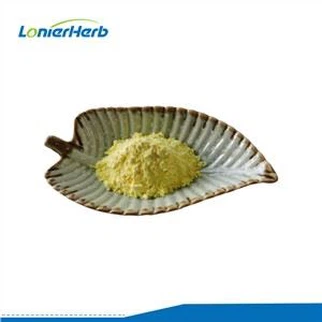
The English term Poly y-glutamic acid, or poly y-glutamic acid, is shortened to PGA. Its name originates from the y-amide bond that polymerizes it from glutamic acid, a single amino acid. PGA is a rare type of homogenous, water-soluble amino acid polymer that can be generated through microbial fermentation in nature. It is also known as natto gum because it was initially found in the white, sticky substance that covers the surface of natto, a traditional fermented food from Japan. The majority of Bacillus species are capable of degrading soybean protein and producing polyglutamic acid with a molecular weight distribution ranging from 10 KDa to 10,000 KDa.
PGA powder is a multi-functional ingredient that combines moisturizing, whitening and synergistic effects. It has good water solubility, strong water retention and smooth but not greasy skin feel. It is a good partner of hyaluronic acid.
The side chain groups of Y-polyglutamic acid have strong hydration ability and can absorb moisture in the air; PGA can form a silky protective film on the skin surface, effectively preventing the evaporation of moisture on the skin surface;
While quickly achieving deep penetration and hydration, it comprehensively inhibits melanin production, fades spots, continues to decompose aging cuticles, and keeps skin supple and smooth.

Polyglutamic acid benefits
1) Low molecular weight PGA: quickly enters the skin cell channels, moisturizes the skin layer by layer, comprehensively replenishes skin moisture and nutrients from the inside out, and deeply nourishes the skin.
Polymer PGA: It can form a layer of polymer moisture protective layer on the surface of the skin to prevent evaporation and loss of water and resist ultraviolet radiation.
The unique high and low molecular compound formula of PGA allows hydration and moisture locking to proceed simultaneously, quickly penetrates, moisturizes layer by layer, and effectively locks in moisture.
2) Moisturizing properties of PGA Polyglutamic Acid
Experimental results show that the moisturizing effect of PGA Polyglutamic Acid has no obvious linear relationship with molecular weight and mass fraction, and will even decrease with the increase of molecular weight and added amount.
As we all know, hyaluronic acid can absorb approximately 1,000 times its own mass of water and is recognized as a natural moisturizing factor. Cross-linking polysaccharides containing multifunctional groups to polyglutamic acid will form a hydrogel that is biodegradable and has a high water absorption capacity of 5,000 times. Slightly better than hyaluronic acid.
3) Y-PGA‵s sustained-release delivery capability
PGA powder has a large number of three functional groups (carboxyl group, carbonyl group, amino group) with hydration ability and the existence of hydrogen bonds, which can attract positively charged active ingredients and create an excellent wrapping and sustained-release system to allow cosmetics to be contained in the product. The active ingredients can slowly exert their functions, allowing the skin to absorb various functional ingredients in skin care products more efficiently.
4) Gamma-PGA‵s antibacterial qualities
Polyglutamic acid (PGA) is effective against both Gram-positive and Gram-negative bacteria, including S. typhoid fever, K. pneumoniae, Escherichia coli, and L. monocytogenes. These findings have been reported by studies. They‵re all inhibitory. Staphylococcus aureus is strongly inhibited by y-PGA among them.
5) Y-polyglutamic acid and vitamin C‵s synergistic antioxidant effect
Vitamin C is a necessary component for the growth and repair of skin tissue. It can successfully fend off UV rays, prevent skin pigmentation, and perform antioxidant functions. But because of its highly erratic and easily broken down physical and chemical characteristics, vitamin C‵s effectiveness is significantly diminished when taken by itself. Research has indicated that a combination of Y-Polyglutamic Acid and vitamin C, wherein the hydroxyl group of vitamin C is ester-bonded to the carboxyl group of Y-PGA, enhances the stability of vitamin C and has a significant function in the skin. Furthermore, this complex inhibits the activity of collagenase.
6) PGA prevents hyaluronidase from having its anti-aging effects.
According to cutting-edge research, hyaluronic acid in the connective tissue of the skin will be broken down once hyaluronidase is activated, resulting in the skin becoming less elastic and developing wrinkles. Polyglutamic acid can help with this issue by preventing hyaluronidase from doing its job. an occurrence.
7) Effect of Y-PGA on carbomer in cosmetics
Ingredients in cosmetics containing Y-PGA such as glutamic acid, sodium glutamate and sodium chloride can cause the viscosity of the thickener carbomer to decrease, and the higher the ion concentration, the lower the viscosity of the carbomer. faster. For Polyglutamic acid (PGA) with molecular weights of 100,000 and 800,000, if the viscosity of carbomer in the cosmetic system is to be maintained above 1,000 cp, the Y-PGA concentration that can be added to carbomer 941 with a concentration of 0.2% does not exceed 0.05%. If the concentration of Y-PGA added to the cosmetic formula is 0.1%, for Y-PGA with a molecular weight of 100,000 and 800,000, the minimum mass fraction of carbomer 941 should be added to the system to be 0.3% and 0.25% to maintain the viscosity of the system at Above 1000cp, it can be used for the production of skin care creams and lotions.

As PGA Polyglutamic Acid manufacturers, LonierHerb has mastered the production process, every year, there are lots of products to be shipped all over the world. If you are interesting, please contact us freely. Email: info@lonierherb.com Whatsapp/Wechat: +86-18189137076