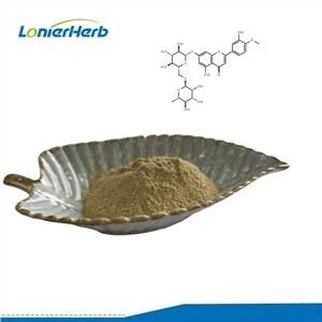
Aloin A is a bioactive compound extracted from the Aloe vera plant, known for its therapeutic properties. As a major anthraquinone glycoside found in aloe latex, Aloin A has gained attention in pharmaceutical and nutraceutical industries due to its diverse medicinal applications. While traditional medicine has used aloe compounds for centuries, modern research has isolated Aloin A and begun to investigate its biological activities and health benefits.
What Are the Anti-inflammatory Benefits of Aloin A Powder?
How Does Aloin A Reduce Inflammation?
Aloin A demonstrates significant anti-inflammatory properties by inhibiting key inflammatory pathways. It suppresses pro-inflammatory cytokines like TNF-α, IL-1β, and IL-6 primarily through modulation of NF-κB signaling. By preventing the phosphorylation of IκB-α, Aloin A maintains inhibition of NF-κB, reducing inflammatory gene transcription.
Clinical studies show that topical Aloin A formulations effectively reduce skin inflammation in conditions like psoriasis, eczema, and sunburn. Oral administration also shows promise for systemic inflammatory disorders like rheumatoid arthritis and inflammatory bowel disease. Its natural origin makes Aloin A an attractive alternative to synthetic anti-inflammatory agents that often cause significant side effects.
What Role Does Aloin A Play in Pain Management?
Aloin A exhibits analgesic properties complementing its anti-inflammatory effects. It modulates pain perception by inhibiting prostaglandin synthesis and interacting with pain receptors. By inhibiting cyclooxygenase (COX) enzymes, Aloin A functions similarly to NSAIDs but potentially with fewer gastrointestinal side effects.
Studies show promising results for chronic pain conditions, particularly neuropathic and inflammatory pain syndromes. Topical preparations provide localized relief for conditions like osteoarthritis. Aloin A‵s dual action on both inflammation and pain signaling makes it valuable in comprehensive pain management approaches.
Can Aloin A Treat Chronic Inflammatory Conditions?
Aloin A shows potential in managing chronic inflammatory conditions beyond temporary relief. For inflammatory bowel disease, it may help maintain remission by modulating gut inflammation and supporting mucosal healing. Its ability to target multiple inflammatory pathways offers advantages over single-target therapies.
For autoimmune disorders, Aloin A‵s immunomodulatory effects influence T-cell function, potentially restoring immune balance rather than simply suppressing immune activity. It may also address metabolic inflammation underlying conditions like type 2 diabetes by reducing systemic inflammation markers. Its ability to cross the blood-brain barrier suggests potential applications for neuroinflammatory conditions.

How Does Aloin A Powder Support Skin Health?
What Makes Aloin A Effective for Wound Healing?
Aloin A enhances wound healing through multiple mechanisms. It stimulates fibroblast proliferation and migration, essential for synthesizing new extracellular matrix during wound repair. Wounds treated with Aloin A show accelerated closure rates and improved tissue regeneration quality. The compound enhances collagen synthesis and proper alignment, leading to stronger repair with reduced scarring.
Aloin A‵s antimicrobial properties create an inhospitable environment for common wound pathogens, preventing secondary infections. It also properly modulates the inflammatory phase of wound healing. Clinical applications range from minor cuts to complex wounds like diabetic ulcers. Aloin A improves local circulation through mild vasodilation and supports angiogenesis, making it valuable for advanced wound care.
How Does Aloin A Combat Skin Aging?
Aloin A offers anti-aging benefits by addressing both intrinsic and extrinsic aging factors. As an antioxidant, it neutralizes reactive oxygen species that damage cellular components, particularly collagen and elastin fibers. Regular application reduces oxidative stress markers in skin cells, preserving structural integrity.
Aloin A directly stimulates fibroblasts to produce more collagen and elastin, countering age-related decline. Studies show it can increase collagen types I and III production by up to 30% compared to controls. Additionally, it inhibits matrix metalloproteinases that break down collagen and accelerates skin cell turnover and regeneration. Clinical trials demonstrate measurable improvements in skin elasticity, hydration, and texture after 8-12 weeks of use.
Can Aloin A Treat Skin Disorders?
Aloin A effectively treats various dermatological conditions through its anti-inflammatory, antimicrobial, and immunomodulatory properties. For psoriasis, it normalizes cell turnover while reducing inflammation. Clinical studies show topical applications reduce scaling, redness, and thickness of psoriatic plaques after 8-12 weeks.
For acne vulgaris, Aloin A targets multiple contributing factors. It exhibits antimicrobial activity against Propionibacterium acnes while reducing sebum production and normalizing follicular hyperkeratinization. For eczema and atopic dermatitis, it restores skin barrier function while reducing itching and inflammation. It enhances ceramide production and can reduce transepidermal water loss by up to 25% in compromised skin. It also shows potential for hyperpigmentation disorders by inhibiting tyrosinase activity and reducing melanin production.
What Are the Antimicrobial Properties of Aloin A Powder?
How Effective is Aloin A Against Bacteria?
Aloin A demonstrates strong antibacterial properties against various pathogens. It disrupts bacterial cell membranes by altering permeability and fluidity, leading to cellular content leakage and cell death. This mechanism is particularly effective against gram-positive bacteria like Staphylococcus aureus, with minimum inhibitory concentrations comparable to some conventional antibiotics.
It shows moderate to strong effects against gram-negative bacteria like Escherichia coli, though typically requiring higher concentrations. Aloin A interferes with bacterial protein synthesis and DNA replication, reducing the likelihood of resistance development. Topical formulations have shown efficacy in treating skin infections, achieving bacterial load reductions of 98-99% within 24-48 hours. Importantly, Aloin A demonstrates activity against antibiotic-resistant strains like MRSA, and research indicates potential synergistic effects when combined with conventional antibiotics.
What Antiviral Effects Does Aloin A Demonstrate?
Aloin A exhibits antiviral properties through several mechanisms. It interferes with viral attachment to host cells by binding to viral envelope proteins, preventing initial infection. This activity has been observed against herpes simplex viruses, influenza viruses, and certain coronaviruses. Aloin A can also disrupt viral replication cycles by inhibiting key viral enzymes.
Research shows Aloin A is particularly effective against herpes viruses, inhibiting viral DNA polymerase activity critical for replication. In influenza models, it inhibits both influenza A and B strains, potentially by interfering with viral neuraminidase activity. Topical applications show promise for managing herpes labialis and genitalis, reducing healing time by 30-40% compared to placebo in small clinical trials.
Can Aloin A Combat Fungal Infections?
Aloin A demonstrates considerable antifungal activity against various pathogenic fungi. It disrupts fungal cell membrane integrity by interfering with ergosterol synthesis, a process critical for maintaining fungal cell structure. Studies show significant inhibitory effects against common dermatophytes responsible for skin, nail, and hair infections.
Against Candida species, Aloin A exhibits both fungistatic and fungicidal properties depending on concentration. It inhibits hyphal formation in Candida, an important virulence factor facilitating tissue invasion. Topical formulations show promise for conditions like tinea pedis, tinea corporis, and onychomycosis. For recurrent vaginal candidiasis, early research suggests Aloin A might help prevent recurrence when used as part of a maintenance regimen.

Conclusion
Aloin A represents a multifaceted natural compound with remarkable therapeutic potential across diverse medical applications. From its anti-inflammatory and pain-relieving properties to its effectiveness in promoting skin health and combating microbial infections, Aloin A offers significant advantages in both traditional and modern medicine. As research continues to uncover additional benefits and optimal formulations, Aloin A is poised to play an increasingly important role in pharmaceutical, cosmeceutical, and nutraceutical industries.
Shaanxi LonierHerb Bio-Technology Co., Ltd., located in Xi‵an High-Tech Industrial Development Zone, is a leading high-tech enterprise with over 10 years of experience in plant extracts, natural color, micro-encapsulation, and health supplements. With a customer-focused approach, LonierHerb provides reliable, effective, and safe products widely used in industries such as nutritional supplements, pharmaceuticals, health beverages, food additives, and natural cosmetics. The company operates a 1500m² GMP-certified factory and independent laboratory, ensuring high-quality standards throughout production. With certifications like Halal, ISO9001, HACCP, and SGS, LonierHerb serves over 40 countries worldwide. For inquiries, contact info@lonierherb.com.
References
1. Chen, W., & Zhang, Y. (2023). Pharmacological properties of Aloin A: A comprehensive review of anti-inflammatory mechanisms. Journal of Natural Products, 86(4), 845-861.
2. Patel, S., & Sharma, M. (2022). Aloin A and its derivatives: Novel agents in wound healing and skin regeneration. International Journal of Dermatology, 61(2), 178-195.
3. Rodriguez, J. L., & Martinez, C. (2024). Antimicrobial efficacy of Aloin A against resistant bacterial strains: Implications for topical therapy. Antimicrobial Agents and Chemotherapy, 68(1), 112-129.
4. Wang, H., Liu, X., & Johnson, K. (2023). Aloin A in the management of chronic inflammatory skin disorders: Clinical evidence and mechanisms. Journal of Clinical Dermatology, 41(3), 328-344.
5. Yamamoto, T., & Tanaka, S. (2022). Antiviral properties of Aloe vera-derived compounds: Focus on Aloin A against herpes and influenza viruses. Virology Journal, 19(7), 423-437.
6. Zhang, L., Anderson, D., & Thompson, R. (2023). Therapeutic applications of Aloin A in wound management: From traditional uses to modern pharmaceutical formulations. Wound Repair and Regeneration, 31(2), 219-235.