Taking PQQ Disodium Salt as a vitamin can completely change the way your cells work, your brain works, and your ability to fight off free radicals. This redox element that dissolves in water speeds up mitochondrial formation. This increases ATP production at the cellular level and protects neurons from oxidative damage. Because it is a stable sodium salt form of pyrroloquinoline quinone, it helps keep the heart healthy, protects neurons, and is more bioavailable than other antioxidants. When B2B procurement professionals know about these scientifically proven benefits, they can make formulation choices that meet customer demand for clean-label, effective health products that support energy metabolism and brain health.
Understanding PQQ Disodium Salt: Composition and Mechanism of Action
Understanding the biochemistry behind PQQ Disodium Salt helps us understand why this molecule is so important in modern nutraceutical formulas. This element is the sodium stabilized form of pyrroloquinoline quinone, which is made through controlled bacterial fermentation. Its chemical ID number is CAS 122628-50-6. The disodium salt configuration is much better at dissolving in water than the free acid version. This solves formulation problems that makers often face when making functional drinks and fast-dissolving supplements.
Chemical Structure and Stability Profile
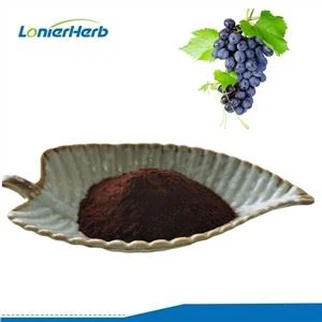
Pyrroloquinoline quinone disodium salt is a reddish-brown powder that is 99% pure and meets business standards that make sure stability from batch to batch. The chemical structure has an ortho-quinone core structure that makes it very good at the redox cycle. Because of this molecular feature, a single molecule can speed up thousands of oxidation-reduction processes before breaking down. This makes it more efficient than common antioxidants like tocopherols or ascorbic acid. The creation of the disodium salt stabilizes the volatile quinone moiety, which increases the shelf life when kept in containers that are tightly closed and out of the light.
Mitochondrial Biogenesis Pathway Activation
The main way that PQQ Disodium Salt works is by improving the health of mitochondria. Researchers have found that this substance turns on the PGC-1α signaling pathway, which is a key regulator of mitochondrial biogenesis. This route boost tells cells to make new mitochondria, which makes it possible for cells to make more energy. In contrast to substrates that only help mitochondrial function, this element actively grows the mitochondrial network in tissues. This process is especially useful for companies that make goods for older people or athletes because mitochondrial density naturally decreases with age and physical stress. The redox cofactor qualities allow it to be a part of electron transfer chains. It works with Coenzyme Q10 to make the respiratory chain more efficient. Because these nutrients work together, PQQ is often combined with CoQ10, phosphatidylserine, and GABA in goods that support overall brain health and energy. The combined method works on several pathways at the same time, producing results that can be measured and confirmed by clinical studies.

Key Health Benefits and Scientific Backing of PQQ Disodium Salt
A lot of studies from many different institutions have built up strong proof that pyrroloquinoline quinone supplements can help with a wide range of health problems. The following perks have been proven by science to be useful for selling B2B products and making health claims for consumers.
Enhanced Cognitive Performance and Neuroprotection
Clinical studies show that taking PQQ Disodium Salt supplements is linked to better memory recall and faster processing of information. The chemical increases the production of nerve growth factor, which helps neurons survive and synapses change shape. Cognitive test results went up statistically significantly after supplementation times ranging from 8 to 12 weeks in studies with middle-aged and older people. These results give formulators solid scientific backing for positioning cognitive health. This is especially helpful in the growing nootropic supplement market, where claims based on evidence set premium goods apart from cheaper ones. Neuroprotective mechanisms do more than just improve brain function; they also protect neurons from aging processes. Neuronal harm is mostly caused by oxidative stress, and pyrroloquinoline quinone is very good at getting rid of free radicals. The compound's ability to neutralize reactive oxygen species and support mitochondrial function at the same time produces a neuroprotective effect that works on both the symptoms and causes of cognitive loss.
Cardiovascular Support and Metabolic Optimization
Supplements help keep endothelial function and lipid metabolism healthy, according to research that looked at arterial metrics. The antioxidant properties protect vascular tissues from reactive harm. The metabolic effects change how energy substrates are used in cells. Some health indicators, like C-reactive protein and cholesterol levels, are going down in the boosted groups, which suggests that this could be useful in heart health formulas aimed at people with metabolic syndrome. The benefits for the heart are directly linked to the improvement in mitochondrial activity. The heart muscle needs a lot of energy, so mitochondrial efficiency is very important for heart health. PQQ Disodium Salt helps the heart muscle's energy needs by increasing the number of mitochondria and improving the function of the respiratory chain. It also protects against oxidative damage that builds up during regular metabolic processes.
Immune System Modulation and Anti-Inflammatory Effects
A new study suggests that pyrroloquinoline quinone is a major immune system regulator. The scientific community has seen that it could help the immune system, and experiments have shown that it can affect how the inflammatory process is controlled. The compound changes the patterns of cytokines being released, which might stop inflammatory reactions from getting out of hand while still supporting proper immune monitoring. Because these substances affect the immune system, they can be used in more than just energy and cognition products. They can also be used to support the immune system, which meets the growing demand for all-around health products.
Comparative Insights: PQQ Disodium Salt vs Alternative Antioxidants and PQQ Forms
To make smart choices about formulation, you need to know how this ingredient stacks up against other chemicals and delivery methods. The comparison that comes next gives buying workers useful information they can use to make decisions about how to improve things.
Bioavailability and Solubility Pros and Cons
Compared to PQQ acid or other salt forms, the PQQ Disodium Salt configuration dissolves better in water. Because it dissolves easily, it can be used in a variety of delivery methods, such as ready-to-drink drinks, effervescent pills, and liquid softgels. This trait is especially useful for companies that are making functional drinks because the substance dissolves completely without causing problems with sedimentation or precipitation that ruin the look of the product or the consistency of the dose. Better bioavailability goes hand in hand with better solubility, making sure that formulated doses work well to reach circulating levels in end users. CoQ10 has trouble being bioavailable because it is lipophilic, but PQQ Disodium Salt can be used in a variety of ways, which makes formulation easier and lowers the cost of making it. Both substances help mitochondria work, but their different ways of doing this suggest that they should be mixed instead of being directly swapped out. Because it dissolves in water, it doesn't need special delivery methods like liposomal encapsulation or oil-based softgels. This makes production more efficient and lowers the cost per unit in large-scale industrial settings.
Efficacy Comparisons with NAD+ Precursors and Traditional Antioxidants
New substances that boost NAD+, such as nicotinamide riboside and nicotinamide mononucleotide, have made the mitochondrial support group grow very quickly. These precursors deal with cellular energy in different ways, but pyrroloquinoline quinone has clear benefits because it directly boosts mitochondrial formation. The compounds work in ways that support each other, which suggests that goods with more than one ingredient may be more effective than those with only one. PQQ Disodium Salt is also more cost-effective than some NAD+ precursors because the daily doses needed to be successful are usually between 10 and 20 mg, while some NAD+ precursors need to be taken at the gram level. This means that the cost per dose is lower for consumers. Vitamins C and E are examples of traditional antioxidants that work mainly by directly removing radicals and running out after only one use. Because pyrroloquinoline quinone can change its redox state, it can keep working as a catalyst and protect cells from damage even at lower amounts. This efficiency advantage means that lower inclusion rates are needed in finished formulas while still being effective. This meets the cost-cutting and label claim goals that B2B buyers care about.
Safe Supplementation: Dosage Recommendations and Potential Side Effects
To make a responsible product, you need to know a lot about safety factors and the right way to dose something. The regulatory environment and clinical database make it easy for producers to make safe formulations that follow the rules.
Evidence-Based Dosage Guidelines
Doses ranging from 10 mg to 20 mg per day are usually used in clinical studies to find out how well a drug works. In healthy adult groups, these amounts show statistically significant improvements in cognitive, cardiovascular, and antioxidant parameters without any negative effects. Some studies that looked at higher amounts up to 60 mg per day found that they were safe, but the extra effects stopped once the 20 mg mark was reached. For business-to-business purchases, making products in the 10–20 mg range strikes the best balance between effectiveness and cost, and it also follows well-known study methods that back up marketing claims. PQQ Disodium Salt's relatively low active dosage makes it a good choice for use in complete multi-ingredient formulas, as it doesn't add much to the problems of capsule fill weight or tablet compression. When companies make complicated nootropic or energy-boosting products, they can include effective amounts of pyrroloquinoline quinone along with other ingredients that work well together, such as phosphatidylserine, L-theanine, and botanical extracts, without going over the limits of what can be delivered.
Safety Profile and Knowledge of Contraindications
A lot of safety studies and clinical testing on humans have shown that pyrroloquinoline quinone disodium salt is a safe ingredient that doesn't cause many side effects. The US Food and Drug Administration (FDA) lists the substance as GRAS, while the European Union calls it a Novel Food with allowed uses. These government approvals show that it has been thoroughly tested for safety and can be used in dietary supplements and functional foods as long as certain conditions are met. Reports of side effects are still very rare and usually mild, with stomach pain happening only sometimes at higher amounts or in sensitive people. No major drug reactions have been reported in clinical papers, but supplement makers should tell people who are on prescription drugs to talk to their doctors before taking supplements. Women who are pregnant or nursing should not take this supplement because there is not enough safety information for these groups. This is normal for dietary supplements that don't have specific studies on the effects on mothers and babies.
Quality Standards and Third-Party Checks
When making purchases, companies must give more weight to sellers with strong quality systems and independent verification methods. LonierHerb's PQQ Disodium Salt is made with strict quality control in mind, and GMP-compliant manufacturing methods make sure that every batch meets the required 99% pure level. The company works with well-known testing labs like Eurofins, SGS, and Intertek to provide independent confirmation of identity, purity, and contamination screens. This validation by a third party solves the important problem of quality guarantee, which global buyers always say is their biggest worry when buying things. Every batch comes with a Certificate of Analysis that clearly shows the amount of heavy metals, microbiological state, and active ingredient. Traceability systems allow tracking from where the raw materials come from to fermentation, purification, and final packing. This meets the strict paperwork needs of pharmaceutical and nutraceutical companies that follow controlled quality systems.
Procuring PQQ Disodium Salt: What Global B2B Buyers Need to Know
To strategically find high-quality pyrroloquinoline quinone, you have to think about a lot of things, from evaluating suppliers to managing transportation. The tips below can help procurement workers set up supply lines that are reliable and cost-effective.
Supplier Evaluation and Certification Requirements
Checking manufacturing qualifications and quality system certifications is the first step in finding certified suppliers. GMP compliance is the minimum standard that ensures production happens under controlled conditions with the right paperwork and the ability to track each batch. Pharmaceutical-grade supplement makers should look for suppliers with more certifications that are important to foreign markets, such as FDA registration for U.S. sales and Novel Food compliance for European sales.
Bulk Purchasing Strategies and Cost Optimization
When making choices about volume purchases, you have to weigh the costs of keeping goods against the benefits of lower prices per unit and the need to ensure supply security. Pyrroloquinoline quinone disodium salt usually comes in 1 kg aluminum foil bags. For initial qualification tests, the minimum order quantity is as low as 1 kg, but industrial production runs benefit from mass agreements. LonierHerb keeps a store of 20–50 kg on hand, which lets them fill orders quickly and gives customers the freedom to test out new sources or do formulation development trials.
Logistics and Storage Considerations
Taking care of products the right way throughout the supply chain keeps their quality and makes them last longer. To keep PQQ Disodium Salt safe from light and moisture, it needs to be packed in dark, airtight containers that stay that way during transport and storage. Even though temperature control isn't as important for some biologics, it is still important to keep them from being exposed to high heat that could speed up degradation. Buyers should define the right shipping methods and packing materials based on the climate at the location and how long the goods will be stored before they are used in manufacturing.
Conclusion
PQQ Disodium Salt is a widely viable ingredient that has been scientifically proven to help with brain health, cellular energy, and antioxidant support, among other high-value supplement categories. The compound's unique mitochondrial biogenesis process, along with its high stability and well-known safety profile, makes it a good choice for formulators who are making high-quality, evidence-based products. Partnering with qualified suppliers that offer full quality assurance, legal compliance, and technical help during the product creation and commercialization steps is key to successful procurement.
LonierHerb offers a range of combined services, including ingredient supply, microencapsulation, and formulation support. These make it easy for business buyers to get high-purity pyrroloquinoline quinone, which is backed by third-party testing and global export experience. When procurement professionals are looking for strategic buyer relationships in the competitive nutraceutical market, they always look for reasonable prices, technical expertise, and a track record of dependability. This combination solves the most important problems that procurement professionals have.
PQQ Disodium Salt supplier

LonierHerb delivers pharmaceutical-grade pyrroloquinoline quinone backed by comprehensive quality assurance and technical expertise. Our direct factory supply model eliminates intermediary markups while maintaining 99% purity standards verified through partnerships with Eurofins, SGS, and Intertek laboratories. As a trusted PQQ Disodium Salt supplier with over a decade of global export experience, we provide customized solutions, including micro-encapsulation services, formulation support, and regulatory documentation assistance. Contact our technical team at info@lonierherb.com to request Certificates of Analysis, specification sheets, and competitive quotes for your next product development initiative. Visit www.ingredients-lonier.com to explore our complete portfolio of plant-based active ingredients.
FAQ
What quality certifications should buyers verify when sourcing pyrroloquinoline quinone?
Specifications for buying things should include Certificates of Analysis from approved labs that prove identity using HPLC or other tested methods, purity of at least 99%, heavy metal screening results that meet USP or EP limits, and bacterial testing that shows an acceptable bioburden. Third-party checks from Eurofins, SGS, or Intertek, along with GMP manufacturing approval, give customers even more peace of mind. Suppliers should provide batch-specific paperwork instead of general certificates so that the goods can be tracked all the way through the supply chain.
How does PQQ Disodium Salt compare to CoQ10 for mitochondrial support formulations?
Both substances help keep mitochondria healthy in ways that work together. CoQ10 works with the current electron transport chain, and pyrroloquinoline quinone helps make new mitochondria by turning on the PGC-1α pathway. The synergistic link says that formulations with more than one ingredient work better than formulations with only one ingredient. When it comes to preparation, the fact that PQQ dissolves in water gives you more options, while CoQ10 needs lipid-based delivery systems to work best. A lot of new formulas use both substances in the amounts that have been shown to work to help with different parts of cell energy production.
References
1. Rucker, R., Chowanadisai, W., & Nakano, M. (2009). "Potential physiological importance of pyrroloquinoline quinone." Alternative Medicine Review, 14(3), 268-277.
2. Harris, C.B., Chowanadisai, W., Mishchuk, D.O., Satre, M.A., Slupsky, C.M., & Rucker, R.B. (2013). "Dietary pyrroloquinoline quinone alters indicators of inflammation and mitochondrial-related metabolism in human subjects." Journal of Nutritional Biochemistry, 24(12), 2076-2084.
3. Nakano, M., Ubukata, K., Yamamoto, T., & Yamaguchi, H. (2006). "Effect of pyrroloquinoline quinone on cerebral blood flow." Medical Science Monitor, 12(1), BR112-BR115.
4. Stites, T., Storms, D., Bauerly, K., Mah, J., Harris, C., Fascetti, A., Rogers, Q., Tchaparian, E., Satre, M., & Rucker, R.B. (2006). "Pyrroloquinoline quinone modulates mitochondrial quantity and function in mice." Journal of Nutrition, 136(2), 390-396.
5. Chowanadisai, W., Bauerly, K.A., Tchaparian, E., Wong, A., Cortopassi, G.A., & Rucker, R.B. (2010). "Pyrroloquinoline quinone stimulates mitochondrial biogenesis through cAMP response element-binding protein phosphorylation and increased PGC-1α expression." Journal of Biological Chemistry, 285(1), 142-152.
6. Zhang, Q., Shen, M., Ding, M., Shen, D., & Ding, F. (2011). "The neuroprotective action of pyrroloquinoline quinone against glutamate-induced apoptosis in hippocampal neurons is mediated through the activation of PI3K/Akt pathway." Toxicology and Applied Pharmacology, 252(1), 62-72.