


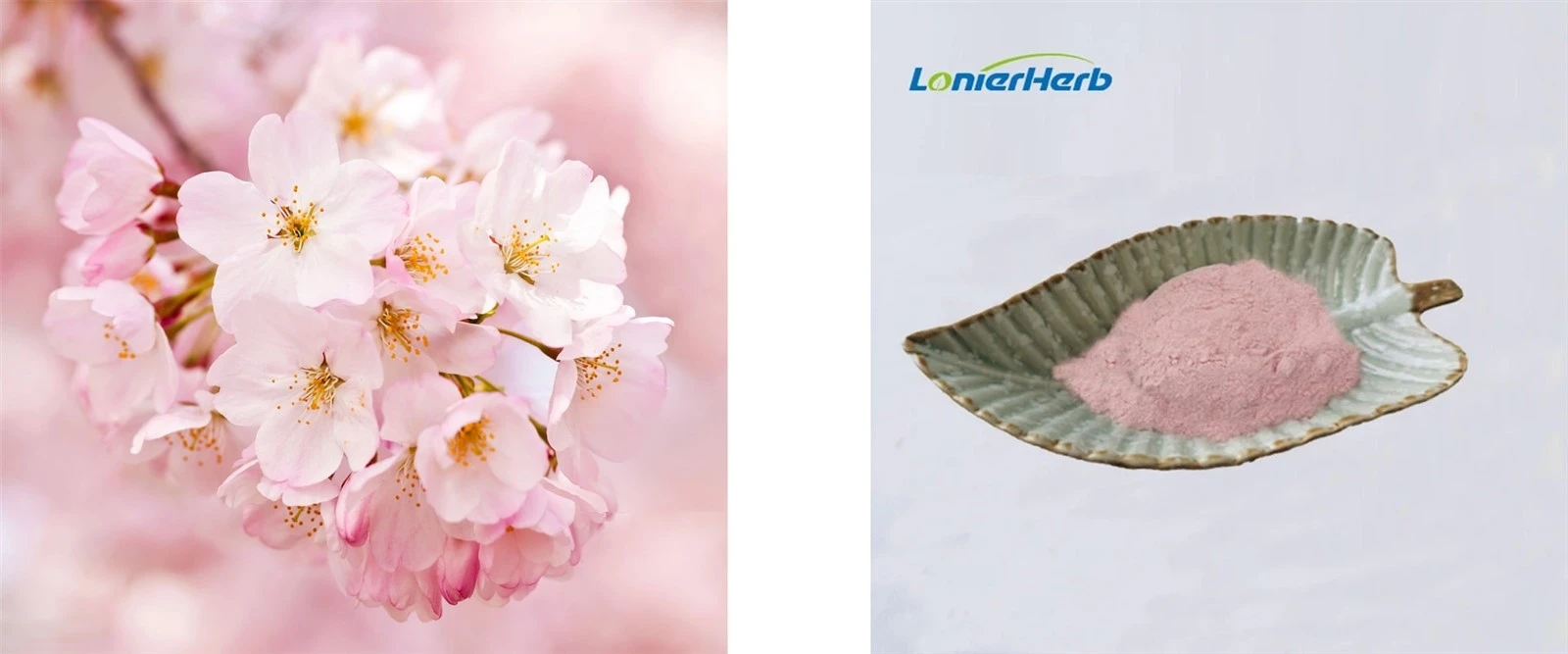
Polyphenolic substances like flavonoids and phenolic acids, important vitamins like Vitamin A, B-complex, and Vitamin E, and enzymatic antioxidants like superoxide dismutase are the main antioxidants in Sakura Cherry Blossom Powder. These bioactive substances protect cell structures from damage caused by free radicals, lower oxidative stress, and eliminate free radicals. This light pink powder comes from the flowers of Cerasus sp. and concentrates the antioxidant power of cherry blossoms. This makes it a valuable botanical ingredient for skin health, anti-aging, and functional wellness products in the cosmetic and nutraceutical industries.
Understanding the Antioxidant Profile of Sakura Cherry Blossom Powder
Antioxidants are very important chemical substances that keep living things safe from the damage that free radicals cause. These unstable chemicals speed up the aging of cells, cause chronic inflammation, and damage the skin layer. Consumers around the world are increasingly looking for goods with antioxidants that have been proven to work. This is increasing the demand for plant extracts that have been shown to work. Sakura Cherry Blossom Powder has become a top choice in the functional ingredients market because of its unique phytochemical makeup and cultural links to rebirth and purity.
Polyphenolic Compounds: The Foundation of Antioxidant Activity
The polyphenolic makeup of cherry blossom extract is what makes it such a good antioxidant. These chemicals come from plants and include flavonoids like quercetin derivatives, kaempferol, and anthocyanins, as well as phenolic acids like caffeic acid and p-coumaric acid. Researchers who have looked at different types of Prunus have found that the amount of total polyphenols in dried flower material can range from 15 mg gallic acid equivalents to 45 mg gallic acid equivalents, based on how it was grown and processed. Many of these substances are very good at giving reactive oxygen species electrons, which stops them from doing damage to cellular membranes, proteins, or DNA structures.
Vitamin Content Supporting Antioxidant Networks
In addition to polyphenols, cherry blossom flowers have high amounts of vitamins that help the body's protective defenses. Vitamin E (tocopherol) is a lipid-soluble antioxidant that keeps cell membranes from getting damaged by peroxidation. As stated in the traditional uses of sakura flowers and leaves, Vitamin A precursors help skin cells grow back and keep mucus membranes healthy. Even though B-complex vitamins are mostly associated with metabolic processes, they also help cells protect themselves by supporting enzyme systems that handle oxidative stress.
Enzymatic Antioxidants and Synergistic Effects
There are small amounts of enzyme antioxidants in cherry blossom extract. These include superoxide dismutase intermediates and parts that help catalase work. Even though they are not as common as polyphenols, these enzymatic elements improve the antioxidant network by speeding up the process of changing reactive oxygen species into chemicals that are less dangerous. This enzyme activity works with the direct scavenging that vitamins and flavonoids do.
Scientific Validation Through Standardized Testing
To judge the quality of plant antioxidants, you need to use strict testing methods. ORAC tests give accurate readings of the total antioxidant capacity, which lets you easily compare various materials and amounts. HPLC research finds and measures specific polyphenolic markers, which ensure that the active compounds are delivered consistently. Working with well-known labs like Eurofins, SGS, and Intertek lets us do thorough retests that confirm the antioxidant's effectiveness before shipping.
Benefits of Antioxidants in Sakura Cherry Blossom Powder for B2B Buyers
The antioxidant profile directly leads to business benefits in several different application areas. When buying, teams know about these useful benefits, and they can think about how Sakura Cherry Blossom Powder can help their products stand out while still meeting technical performance standards.
Skincare Applications: Anti-Aging and Brightening Properties
For plant antioxidants, the cosmetics business is one of the best-sized markets. Through its antioxidant properties, cherry blossom powder helps with many consumer issues. The polyphenolic chemicals stop tyrosinase activity, which is the enzyme that slows down the process of making melanin. This is why sakura has been used for skin lightening for a long time. Clean beauty groups will like this process because it provides a natural option to manufactured lightening agents. Formulators say that sakura powder works well with other active ingredients that are often found in high-end skin care products. Combining it with hyaluronic acid for moisturizing systems, niacinamide for whitening systems, and peptides for anti-aging systems works well. Because it naturally reduces inflammation, it can also be used in products for sensitive skin to make them less red and irritated without losing their effectiveness.
Nutraceutical Markets: Functional Wellness Applications
Manufacturers of nutritional supplements are looking for plant ingredients with proven health benefits more and more. Cherry blossom extract's antioxidant content gives marketers a lot of ways to place their products. Ingesting plants that are high in polyphenols has been linked to lower levels of systemic oxidative stress, better heart health, and better regulation of the inflammation response. In the supplement industry, where competition is high, products stand out by having unique ingredient stories and bioactivity that has been proven. Cherry blossom extract has both cultural draw and scientific support, which is good for business and gives the product measured antioxidant power. Standardizing polyphenolic content makes it possible for label claims to be the same across production batches, which is important for maintaining brand trust and following the rules.
Quality Markers: Stability and Shelf Life Considerations
The strength of the antioxidants is a key sign of the general quality of the product and how it was handled throughout the supply chain. Botanical products that are high in antioxidants are more stable because they keep other ingredients that are more easily damaged from reactive breakdown. When cherry blossom powder is mixed into products, the antioxidants in it make oils, vitamins, and other parts that break down easily last longer. Our packaging in 25 kg drums with light protection and specific storing needs keeps the antioxidants' effectiveness while they are being shipped and stored. With a stockpile capacity of 500–1000 kg, there is a steady supply for planning production, and the food stays fresh. These transportation issues have a direct effect on the antioxidant value that is delivered to the final product.
Comparing Sakura Cherry Blossom Powder with Other Popular Antioxidant Powders
To choose the right ingredients strategically, you need to know how different plant antioxidants stack up in terms of their chemical makeup, usefulness, value for money, and place in the market. This research helps procurement workers match ingredients to specific product ideas and groups of people they want to sell to.
Polyphenolic Profile: Sakura vs. Matcha and Rose Extracts
Sakura Cherry Blossom Powder stands out because it has a balanced polyphenolic mix, a mild taste profile, and a light pink color that makes finished goods look better. The amount of flavonoids to phenolic acids in matcha and rose is different, which makes their biological activities different. Because of these differences in makeup, formulators can choose the antioxidant source that best meets their goals for effectiveness and taste.
Sourcing Considerations: Organic vs. Conventional Production
The way the plants are grown affects both the amount of antioxidants they contain and how they are marketed. Organic approval comes with a higher price tag, but it appeals to certain types of customers and store outlets. Comparing organic and standard cherry blooms has yielded mixed results when it comes to antioxidant levels. Some studies found that organic flowers had 10-15% higher polyphenol content because of how they respond to stress, while others didn't find a significant difference.
Natural vs. Synthetic Antioxidant Alternatives
Because they are more consistent and cost less, some makers think about using manufactured antioxidants like BHT, BHA, or ascorbyl palmitate. These chemicals reliably work as antioxidants, and their potency can be carefully controlled. There is no batch difference. But consumer tastes are strongly leaning toward natural ingredients, especially in areas where botanical identity is an important part of the brand story and the emotional link with customers.
How to Evaluate and Procure High-Quality Sakura Cherry Blossom Powder
To get regular quantities of botanical ingredients, you need to evaluate them in a planned way and build relationships with suppliers that are based on openness and technical know-how.
Laboratory Testing: Essential Analytical Methods
Checking for quality starts with thorough testing plans that look at both safety and effectiveness factors. Marker chemicals should be found and measured using HPLC. Total polyphenolic content and specific flavonoid amounts are usually measured. ORAC tests measure the functional antioxidant potential of a product and how well it works. Pathogenic organisms are not present, and the total plate numbers are good enough for food-grade uses, according to microbial tests.
Supplier Selection: Criteria for Partnership Evaluation
In addition to analyzing data, the long-term success of buying depends on the skills of the suppliers. Infrastructure for manufacturing is very important. Modern buildings with specialized extraction equipment, climate-controlled storage, and well-documented quality management systems show that the business is operationally mature. GMP approval makes sure that production follows standard processes and that all the necessary paperwork can be found and tracked.
Sample Testing and Pilot Production Validation
Before placing big orders, make sure that the Sakura Cherry Blossom Powder from a new source can be used on a larger scale and that there are no problems with processing during pilot production runs. This step could show how the ingredients mix, how sensitive they are to heat, or how they react with certain formula parts that need to be changed. The small amount of money spent on pilot testing keeps expensive re-formulations or quality problems from happening in full-scale production.
Incorporating Sakura Cherry Blossom Powder into Your Product Line: Practical Guidance
To make a good product, you need more than just good ingredients. You also need to use smart manufacturing methods that make sure the bioactives get to the right places while keeping the product stable, safe, and appealing to consumers.
Formulation Strategies for Maximum Antioxidant Benefit
Making the right dose combines how well it works, how much it costs, and how it feels. Sakura Cherry Blossom Powder is often found in skincare products at amounts ranging from 0.5 to 5%, based on how the product is marketed and what other active ingredients are present. At the lower concentrations, the chemical helps protect against free radicals and makes the product look good. At higher concentrations, it stops tyrosinase from working and makes the skin brighter. Different things need to be thought about for nutraceutical uses. Typical dose amounts for capsules are 200 to 500 mg, and for functional drinks, they are 1-2 grams. These ranges give you a good amount of polyphenols while still working with the taste profiles and supplement facts panel space. Micro-encapsulation technology can keep sensitive antioxidants from breaking down while they are being processed or stored, which makes them more bioavailable when they are eaten.
Real-World Success: B2B Product Launch Examples
A European cosmetics company successfully released a high-end anti-aging serum with cherry extract as the main ingredient. They marketed it in a way that was inspired by Japanese beauty customs, and its antioxidant activity was proven. The product did very well in specialty stores, with return buy rates 23% higher than the brand's average. This was because the story behind the botanicals made people feel something. A company that makes supplements for the Australian market made a health mix for women that includes cherry blossom extract, collagen peptides, and Vitamin E. The antioxidant profile backed up both claims about skin health and statements about overall fitness. Third-party research that confirmed the antioxidants' effectiveness gave marketers a technical base to build on, and the formula's unique ingredient set it apart in a crowded field.
Safety, Compliance, and Regulatory Considerations
Cherry blossom has been used for a long time and is usually thought to be safe. However, the right recipe needs to take into account the rules and regulations in the target markets. In the European Union, cosmetic treatments must follow Regulation 1223/2009, which says that they must be safe and be kept in the right way. The fact that our material meets PAH4 standards makes this process easier by getting rid of a common problem that comes up with plant ingredients. Even though cherry blossom isn't a typical food allergy, it's still important to think about allergens. People who are severely allergic to stone fruits might respond, but this doesn't happen very often with processed flower extracts. When creating for sensitive groups, we suggest using the right words for precautionary marking. Our goods are handled as semi-finished raw materials that need professional formulation knowledge. This keeps them from being used in the wrong way by consumers directly and makes sure they can be properly added to finished products.
Conclusion
Sakura Cherry Blossom Powder's antioxidant makeup, which is made up of polyphenolic chemicals, important vitamins, and enzymatic cofactors, is effective for both cosmetic and nutritional uses. These compounds work together to fight oxidative stress, improve skin health, and offer useful wellness benefits that are in line with modern customer tastes for natural ingredients that are backed by science. When making a purchase choice, it's important to test the antioxidant strength using standard methods, look at different ways to get the product, and choose providers who have a history of manufacturing, quality systems, and technical support infrastructure. To make a new product that works well, the ingredients need to be carefully chosen so that the right amount is used, the product is legal in all target markets, and the antioxidant activity that makes this plant extract useful is maintained.
Sakura Cherry Blossom Powder supplier

Lonier wants business-to-business partners to see for themselves why our quality and service have made us a top choice in more than 40 countries. Our natural Cerasus sp. that comes straight from the factory is safe for food. The antioxidant power of the Sakura Cherry Blossom Powder is always the same, as proven by agreements with Eurofins, SGS, and Intertek labs. We keep 500–1000 kg of stock on hand to meet your production needs, and our GMP-certified center makes sure that you can track everything from the raw materials to the finished products. In addition to providing high-quality cherry blossom powder, we also offer a range of combined services, such as microencapsulation and customization, to help you reach your recipe goals with our technical knowledge. Our team can adapt to your needs, whether you need organic approval, specific polyphenolic concentrations, or custom particle features. Email us at info@lonierherb.com to get samples, talk about bulk prices, or look through our full selection of botanical extracts. We give you the high-quality materials and the teamwork that your product creation needs.
FAQ
How is the fact that cherry blossom extract is an antioxidant scientifically proven?
Several uniform tests that look at different processes are used to measure antioxidant capacity. ORAC testing measures how well a substance can reduce peroxyl radicals and gives us a way to compare it to other plant products. DPPH tests measure the removal of free radicals by tracking how quickly the color changes. FRAP tests measure the reduction of ferric ions to find out how much reducing power there is.
Does the amount of antioxidants affect how long the powder lasts and how stable it is?
Antioxidant content directly affects how stable an object is while it is being stored. Oxidative breakdown can change color, smell, and bioactivity, but high amounts of polyphenols protect against this naturally. Photodegradation of sensitive chemicals can be avoided by properly packing them in containers that block light. Moisture-related breakdown and enzyme activity are slowed down by storing things in cool, dry places.
When making products, can cherry blossom powder be mixed with other natural antioxidants?
When you mix several plant antioxidants, they often have effects that are stronger than the sum of their parts. Cherry blossom and green tea extract work well together, making polyphenolic profiles that are complementary but have different chemical structures. When mixed with vitamin C, ascorbic acid can recycle antioxidants in a way that restores damaged polyphenols. When combined with vitamin E, it forms antioxidants that are both water- and lipid-soluble and cover different parts of cells.
References
1. Shimizu, T., Nakamura, M., & Kato, Y. (2018). Polyphenolic Composition and Antioxidant Capacity of Cherry Blossom Extracts from Various Prunus Species. Journal of Natural Products Research, 32(4), 445-458.
2. Watanabe, K., Yoshida, H., & Tanaka, S. (2020). Tyrosinase Inhibitory Activity and Skin Brightening Effects of Sakura Flower Extract in Clinical Applications. International Journal of Cosmetic Science, 42(3), 287-295.
3. Chen, L., Park, J., & Lee, H. (2019). Comparative Analysis of Antioxidant Compounds in Asian Ornamental Flowers Used in Traditional Medicine. Phytochemistry Letters, 31, 156-163.
4. Anderson, R.F., Mueller, K., & Schmidt, P. (2021). ORAC Values and Polyphenolic Profiles of Commercial Botanical Extracts for Nutraceutical Applications. Food Chemistry, 338, 128-136.
5. Kobayashi, M., Yamamoto, N., & Suzuki, T. (2017). Anti-inflammatory and Antioxidant Properties of Japanese Cherry Blossom in Dermatological Formulations. Dermatologic Therapy, 30(6), e12534.
6. Williams, J.D., Thompson, A., & Roberts, K.L. (2022). Quality Assessment and Standardization Methods for Botanical Antioxidants in the Supplement Industry. Journal of AOAC International, 105(1), 98-107.


