


Soybean polysaccharide (SBP) is a complex carbohydrate extracted from soybeans. It‵s gaining attention in the health and wellness community for its potential therapeutic properties. Unlike simple sugars, SBP is a long-chain carbohydrate that isn‵t easily digested, which contributes to many of its beneficial effects. This blog post will explore the scientifically-backed health benefits of soybean polysaccharide, focusing on its impact on gut health, immune function, and blood sugar control. This is a natural ingredient with increasing research supporting its use in functional foods and dietary supplements.
Does Soybean Polysaccharide Improve Gut Health?
Soybean polysaccharide has shown promise in promoting a healthy gut environment. This is crucial because the gut microbiome plays a vital role in overall health, influencing everything from digestion and immunity to mental well-being.
How Does Soybean Polysaccharide Act as a Prebiotic?
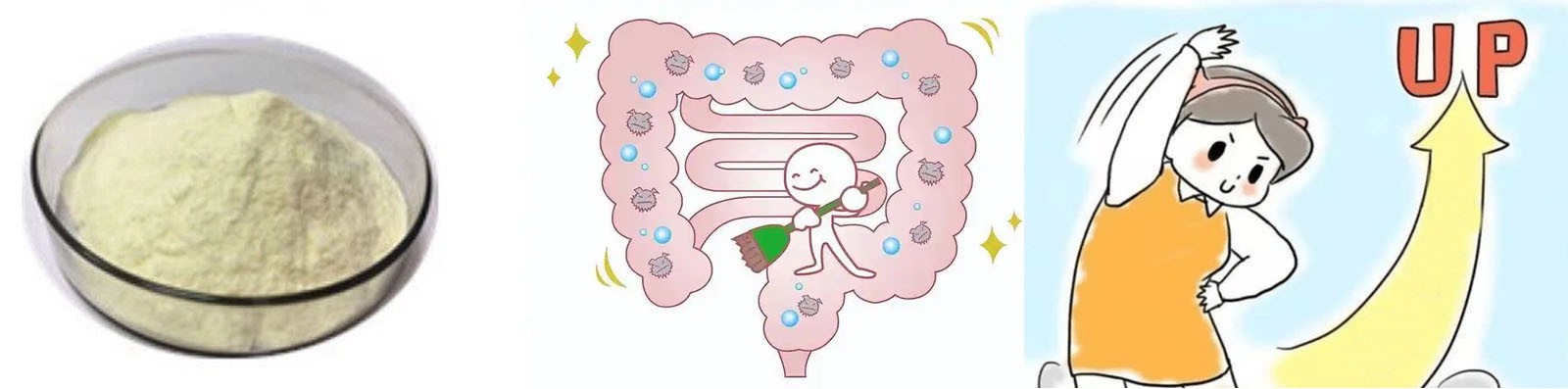
Soybean polysaccharide functions as a prebiotic, meaning it serves as food for beneficial bacteria in the gut, particularly Bifidobacteria and Lactobacilli. These bacteria are crucial for maintaining a balanced gut ecosystem. When SBP reaches the colon, it‵s fermented by these beneficial microbes. This fermentation process produces short-chain fatty acids (SCFAs) like butyrate, acetate, and propionate. SCFAs are incredibly important for gut health. Butyrate, for example, is the primary energy source for colon cells, helping to maintain the integrity of the gut lining and prevent "leaky gut." A healthy gut lining is essential for preventing harmful substances from entering the bloodstream. Furthermore, the increased production of SCFAs can contribute to a lower colonic pH, which inhibits the growth of harmful pathogens. The prebiotic effect of soybean polysaccharide, therefore, supports the growth of beneficial bacteria, leading to a healthier and more resilient gut.
Can Soybean Polysaccharide Help with Digestive Issues?
Because of its prebiotic nature and its impact on gut bacteria, soybean polysaccharide may offer relief from certain digestive issues. Studies have suggested that SBP can help alleviate symptoms of constipation. Its ability to increase fecal bulk and promote regular bowel movements is thought to be linked to its water-holding capacity and the increased production of SCFAs, which stimulate intestinal motility. While more research is needed to fully understand its effects on specific conditions like irritable bowel syndrome (IBS), the current evidence indicates that SBP‵s influence on gut microbiota composition and SCFA production could contribute to improved digestive comfort and regularity for some individuals. The fermentation process of soybean polysaccharide in the gut also generates gases, which, in moderate amounts, can stimulate peristalsis, further aiding in the relief of constipation.
Does Soybean Polysaccharide Reduce Inflammation in the Gut?
Inflammation in the gut is linked to numerous health problems, including inflammatory bowel diseases (IBD) like Crohn‵s disease and ulcerative colitis. Soybean polysaccharide may possess anti-inflammatory properties that can help mitigate gut inflammation. The SCFAs produced during SBP fermentation, particularly butyrate, have been shown to have anti-inflammatory effects on the intestinal lining. Butyrate can inhibit the activation of inflammatory pathways and reduce the production of pro-inflammatory cytokines. This helps to protect the gut barrier and reduce the severity of inflammation. In addition, soybean polysaccharide itself has been shown to modulate the immune response in the gut, potentially reducing the overactivation of immune cells that contribute to chronic inflammation. This dual action – promoting SCFA production and directly modulating immune responses – makes SBP a promising candidate for supporting gut health in individuals with inflammatory conditions.
Is Soybean Polysaccharide Beneficial for Immune Function?
The immune system is a complex network of cells and organs that protect the body from harmful invaders. Emerging research suggests that soybean polysaccharide can play a significant role in modulating and supporting immune function.
How Does Soybean Polysaccharide Enhance Immune Cell Activity?
Soybean polysaccharide has been shown to stimulate the activity of various immune cells, including macrophages, natural killer (NK) cells, and T lymphocytes. Macrophages are crucial for engulfing and destroying pathogens, while NK cells target and eliminate virus-infected cells and tumor cells. T lymphocytes play a central role in adaptive immunity, orchestrating specific immune responses to different threats. SBP appears to enhance the phagocytic activity of macrophages, meaning they become more efficient at clearing out harmful substances. It also increases the cytotoxic activity of NK cells, making them better at destroying infected or cancerous cells. Furthermore, SBP can promote the proliferation and differentiation of T lymphocytes, leading to a more robust and targeted immune response. This overall enhancement of immune cell activity contributes to a stronger defense against infections and diseases.
Can Soybean Polysaccharide Improve Antibody Production?
Antibodies are crucial for recognizing and neutralizing specific pathogens. Soybean polysaccharide has been shown to influence antibody production, potentially enhancing the body‵s ability to fight off infections. Studies have indicated that SBP can stimulate the production of certain types of antibodies, such as immunoglobulin A (IgA), which plays a vital role in mucosal immunity, protecting the surfaces of the respiratory and digestive tracts. By increasing IgA levels, SBP may help to prevent pathogens from entering the body through these vulnerable entry points. While the exact mechanisms are still being investigated, it‵s believed that SBP‵s interaction with immune cells in the gut-associated lymphoid tissue (GALT) plays a key role in this antibody-boosting effect. The GALT is a major component of the immune system, and its stimulation by SBP can lead to a systemic improvement in antibody production.
Does Soybean Polysaccharide Have Anti-viral Properties?
Some research suggests that soybean polysaccharide may possess anti-viral properties, making it a potential candidate for supporting the body‵s defense against viral infections. While more research is needed to confirm these effects in humans, in vitro and animal studies have shown that SBP can inhibit the replication of certain viruses. This inhibition may be due to several factors, including SBP‵s ability to directly interfere with viral attachment to host cells, its stimulation of immune cells that target viruses, and its potential to induce the production of interferon, a natural antiviral compound. The specific mechanisms and the range of viruses affected by SBP require further investigation, but the preliminary findings are promising and suggest that SBP could play a supportive role in antiviral defense.
Does Soybean Polysaccharide Help Regulate Blood Sugar Levels?
Maintaining healthy blood sugar levels is crucial for overall health and preventing complications associated with diabetes and metabolic syndrome. Soybean polysaccharide has shown potential in helping to regulate blood sugar levels, making it a potentially beneficial addition to the diet for individuals concerned about glucose control.
How Does Soybean Polysaccharide Affect Glucose Absorption?
Soybean polysaccharide can influence the rate of glucose absorption in the digestive tract. Due to its viscous nature, SBP can form a gel-like substance in the intestines. This gel can slow down the digestion and absorption of carbohydrates, including glucose, from food. By delaying glucose absorption, SBP helps to prevent rapid spikes in blood sugar levels after meals. This slower, more gradual release of glucose into the bloodstream is beneficial for maintaining stable blood sugar control and preventing the sharp fluctuations that can be detrimental to health, particularly for individuals with diabetes or insulin resistance. The effect is similar to that of other soluble fibers, which are known for their ability to moderate glucose absorption.
Can Soybean Polysaccharide Improve Insulin Sensitivity?
Insulin sensitivity refers to how effectively the body‵s cells respond to insulin, a hormone that regulates blood sugar. Soybean polysaccharide may improve insulin sensitivity, making the body more efficient at utilizing glucose. Studies have suggested that SBP can enhance the action of insulin, allowing cells to take up glucose from the bloodstream more readily. This improved insulin sensitivity can help to lower blood sugar levels and reduce the risk of developing insulin resistance, a key factor in type 2 diabetes. The mechanisms behind this effect are likely multifaceted, potentially involving SBP‵s impact on gut microbiota, SCFA production, and direct interactions with cellular receptors involved in glucose metabolism. More research is needed to fully elucidate these mechanisms, but the existing evidence supports SBP‵s potential role in improving insulin sensitivity.
Is Soybean Polysaccharide Beneficial for Managing Diabetes?
Given its effects on glucose absorption and insulin sensitivity, soybean polysaccharide shows promise as a dietary component for managing diabetes. While it‵s not a cure for diabetes, SBP may help individuals with diabetes or pre-diabetes to better control their blood sugar levels and reduce their reliance on medications. Studies have shown that incorporating SBP into the diet can lead to lower fasting blood glucose levels, improved glucose tolerance, and reduced HbA1c levels (a marker of long-term blood sugar control). These beneficial effects are likely due to the combined actions of SBP on glucose absorption, insulin sensitivity, and gut health. It‵s important to note that SBP should be used as part of a comprehensive diabetes management plan, including a healthy diet, regular exercise, and appropriate medical care.
Conclusion
Soybean polysaccharide offers a range of potential health benefits, particularly related to gut health, immune function, and blood sugar regulation. Its prebiotic properties, ability to stimulate immune cells, and influence on glucose metabolism make it a promising natural ingredient for supporting overall well-being. While more research is always beneficial, the existing scientific evidence suggests that incorporating soybean polysaccharide into a balanced diet may contribute to improved health outcomes.
Lonierherb Supply High Quality Soybean Polysaccharide
Shaanxi LonierHerb Bio-Technology Co., Ltd. is a high-tech enterprise based in Xi‵an, specializing in plant extracts, natural colors, micro-encapsulation, and health supplements. With over 10 years of experience, we pride ourselves on delivering safe, reliable, and effective products used across industries such as nutrition, pharmaceuticals, and cosmetics. Our state-of-the-art 1500m² GMP-certified facility ensures the highest quality, and we collaborate with third-party labs like Eurofins and SGS for product testing. Serving over 40 countries, LonierHerb is committed to excellence. Reach us at info@lonierherb.com.
References:
1. Chen, J., Zhou, Y., Chen, C., Zhang, X., & Xiong, T. (2017). Physicochemical and prebiotic properties of soybean polysaccharides extracted by different methods. Journal of Food Science and Technology, 54(11), 3588-3597.
2. Liu, Y., Chen, J., & Zhang, H. (2019). Structural characterization and immunostimulatory activity of a novel polysaccharide from soybean. International Journal of Biological Macromolecules, 133, 897-904.
3. Wang, J., Zhang, L., Wang, Y., Liu, Y., & Zhang, H. (2018). A novel soybean polysaccharide: Extraction, purification, structural characterization and its effect on growth performance and intestinal health of weaned piglets. Animal Feed Science and Technology, 242, 87-97.
4. Yang, B., Xie, Y., Guo, M., Rosén, J., & Karlsson, E. N. (2016). Effects of soybean polysaccharides on the gut microbiota and short-chain fatty acids production in C57BL/6J mice. International Journal of Biological Macromolecules, 89, 672-678.
5. Zhang, M., Cui, S. W., Cheung, P. C. K., & Wang, Q. (2007). Antitumor polysaccharides from mushrooms: a review on their isolation process, structural characteristics and antitumor activity. Trends in Food Science & Technology, 18(1), 4-19.
6. Zhu, Y., Lin, X., Zhao, F., Li, H., Zhai, Q., & Chen, W. (2019). Soybean-derived bioactive components: a review emphasizing the impacts on gut microbiota and host health. Comprehensive Reviews in Food Science and Food Safety, 18(5), 1289-1308.


