Theaflavins in Black Tea represent a revolutionary class of polyphenolic compounds that fundamentally transform both the sensory experience and commercial value of black tea products. These unique molecules, formed exclusively during the enzymatic oxidation process of tea leaf manufacturing, deliver the distinctive briskness, golden-amber liquor color, and robust flavor profile that consumers worldwide associate with premium black tea. Understanding the aflavin chemistry and functionality has become essential for B2B procurement professionals, manufacturers, and distributors seeking to differentiate their products in increasingly competitive functional beverage and nutraceutical markets.
Understanding Theaflavins in Black Tea
One of the most interesting molecular changes that happens in nature when food is processed is the formation of theaflavins. There are naturally occurring polyphenol oxidase enzymes that help break down catechins, especially epicatechin and epigallocatechin. This makes four main types of theaflavin: theaflavin, theaflavin-3-gallate, theaflavin-3'-gallate, and theaflavin-3,3'-digallate.
Chemical Structure and Formation Process
Theaflavins in Black Tea are different from their catechin predecessors and other tea polyphenols like thearubigins because they have unique benzotropolone ring structures. According to research, theaflavins make up about 3 to 6 percent of all the polyphenols in good black tea. They are most stable when the temperature, humidity, and processing time are carefully controlled during oxidation. The enzyme chain reaction starts when the cells in the tea leaf break down while it is being rolled or crushed. In the presence of oxygen, this mechanical disruption lets polyphenol oxidase interact with catechins. This starts oxidative polymerization processes that make theaflavins within 2 to 4 hours in ideal conditions.
Bioactive Properties and Health Benefits
Research done recently shows that theaflavins are very good antioxidants, often being better at getting rid of free radicals than vitamins C and E in lab tests. Clinical studies show that this substance may have positive effects on the heart, such as lowering cholesterol by blocking the activity of the HMG-CoA reductase enzyme and improving the function of endothelial cells. Studies in reputable journals suggest that taking theaflavin supplements may help keep blood lipid levels healthy by lowering the absorption of LDL cholesterol in the gut and increasing the production of HDL cholesterol. Based on these results, theaflavin-rich black tea products could be useful ingredients for functional foods and nutraceuticals that aim to improve heart health.
Theaflavins Impact on Black Tea Flavor and Color
Theaflavins have a lot more of an effect on our senses than just making things taste better. They have complicated interactions that determine where black tea stands in the market and how well people like it. Professional tea tasters know that theaflavins are the main ingredients that give black tea its "briskness"-that bright, refreshing quality that sets it apart from flat, dull alternatives.
Flavor Profile Development
There is a balanced astringency without harsh bitterness from the theaflavins. This gives premium black tea goods the smooth mouthfeel that customers like. There is a link between higher levels of theaflavin and more complex flavors. More complex flavors have layered tastes with soft fruity notes, mild sweetness, and a clean end. Processing factors have a big effect on the development of theaflavin and the flavors that follow. Controlled fading lowers the amount of water in the leaf to 55–60%, which makes the cells best for making theaflavin. Depending on how hard you roll something, the rate of oxidation changes. Moderate mechanical pressure encourages balanced theaflavin synthesis while stopping over-oxidation that lowers taste quality.
Color Characteristics and Visual Appeal
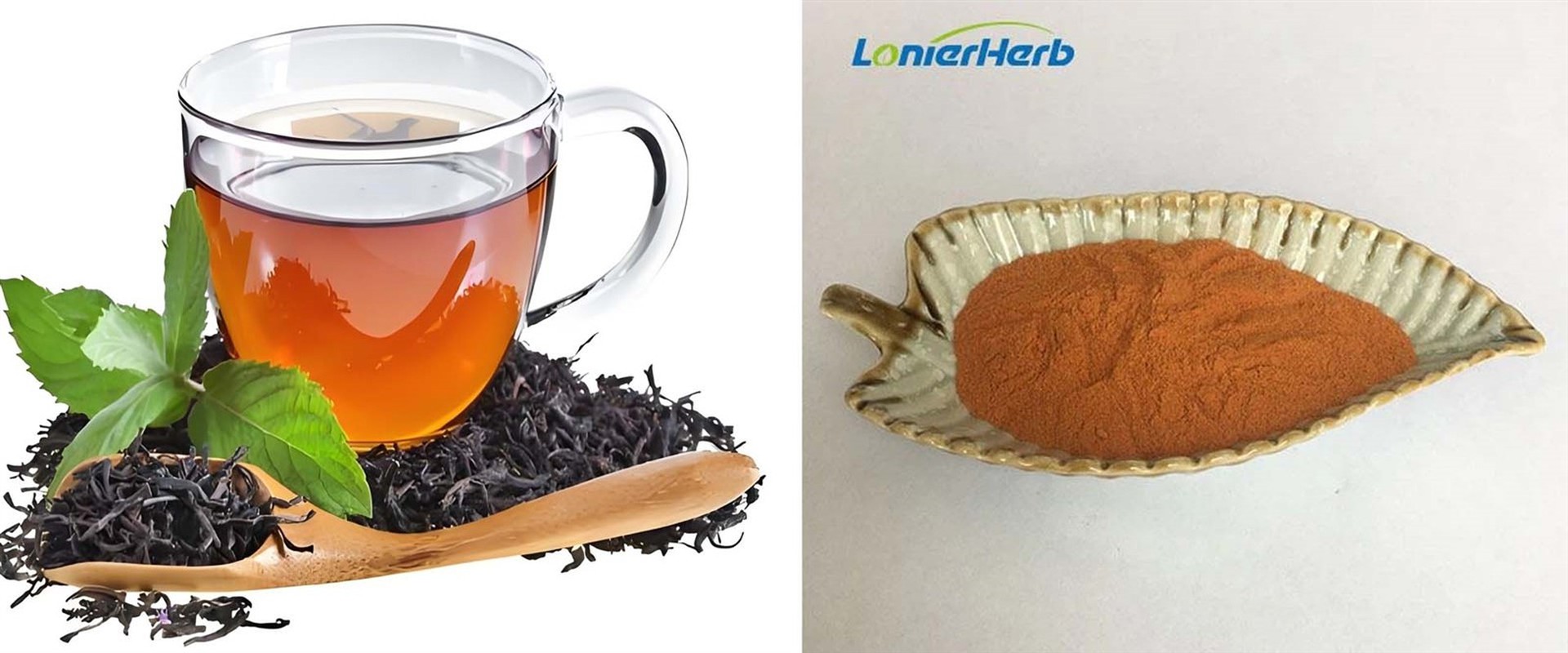
The distinctive amber-gold color of black tea liquor comes straight from the amount and presence of theaflavins in black tea. These chemicals soak up certain wavelengths of light, giving things the bright, see-through look that both customers and professionals in the field look for. Higher amounts of theaflavins in black tea make liquor colors lighter and more luminous. On the other hand, low amounts of theaflavins in black tea make liquor colors dark and muddy, which can be a sign of handling problems or bad raw materials.
Processing Optimization for Enhanced Quality
Modern tea makers use exact monitoring methods to get the most out of the development of theaflavin while the tea is being made. Temperature control systems keep oxidation chambers between 22°C and 28°C, and humidity management makes sure that the relative humidity stays between 90 and 95%, which is the right amount for enzyme activity without encouraging microbial growth.
Comparative Insights for B2B Procurement
To make smart purchasing choices, you need to know how theaflavins stack up against other tea polyphenols and competing plant extracts. This comparison helps you choose the right ingredients based on their performance, cost, and where you want to place them in the market.
Theaflavins Versus Other Tea Polyphenols
Green tea catechins like EGCG get a lot of study attention, but theaflavins have their own benefits in certain situations. Theaflavins are more stable than sensitive catechins when heated, which is common in the beverage industry. They keep their bioactivity at levels that break down sensitive catechins. Because they don't change much at high temperatures, theaflavin-rich products are great for adding to hot drinks and baked goods. Even though there are a lot of thearubigins in black tea, they don't have the same chemical makeup or bioactivity profile as theaflavins. The analytical precision and batch-to-batch uniformity of theaflavin extracts help procurement teams find standardized, quantifiable functional ingredients.
Market Positioning and Consumer Perception
Consumer research shows that people are becoming more aware of the unique health benefits of theaflavins. This means that there are market possibilities for products that highlight these compounds. Theaflavin-specific marketing messages set goods apart in the functional beverage and supplement categories, which are already very crowded. This is different from the general antioxidant claims made about different plant extracts.
Supply Chain Considerations
Organic forms of theaflavins in black tea are more expensive, but they give you access to natural product markets that are growing. Conventional production of theaflavins in black tea has benefits in terms of cost and availability, which makes it useful for large-scale manufacturing operations. Traceability systems are used by quality-focused suppliers to keep track of the theaflavin content in black tea from leaf harvesting to extract delivery. This makes sure that regulatory requirements and customer standards are met.
Sourcing and Purchasing Theaflavins-Rich Black Tea for B2B Clients
To successfully buy theaflavin, you need to work with suppliers who know how to do both traditional tea processing well and new technologies for standardizing extracts. LonierHerb is a reputable company that consistently provides high-quality theaflavin products that meet strict international standards.
Quality Specifications and Standardization
Professional theaflavin extracts come in a number of different standardization levels to meet the needs of a wide range of applications. The main specs that top makers give are listed below:
20% Theaflavin Extract: Ideal for functional beverage applications requiring mild flavor impact and cost-effective dosing
40% Theaflavin Extract: Balanced concentration suitable for dietary supplements and moderate-potency functional foods
60% Theaflavin Extract: High-concentration option for premium nutraceuticals and targeted health applications
80% Theaflavin Extract: Maximum potency extract for specialized formulations and research applications
These standard choices let you precisely control the recipe while making sure that all production batches have the same bioactivity. To make sure of the aflavin content and purity levels, each specification goes through strict analytical testing using HPLC methods.
Manufacturing Excellence and Compliance
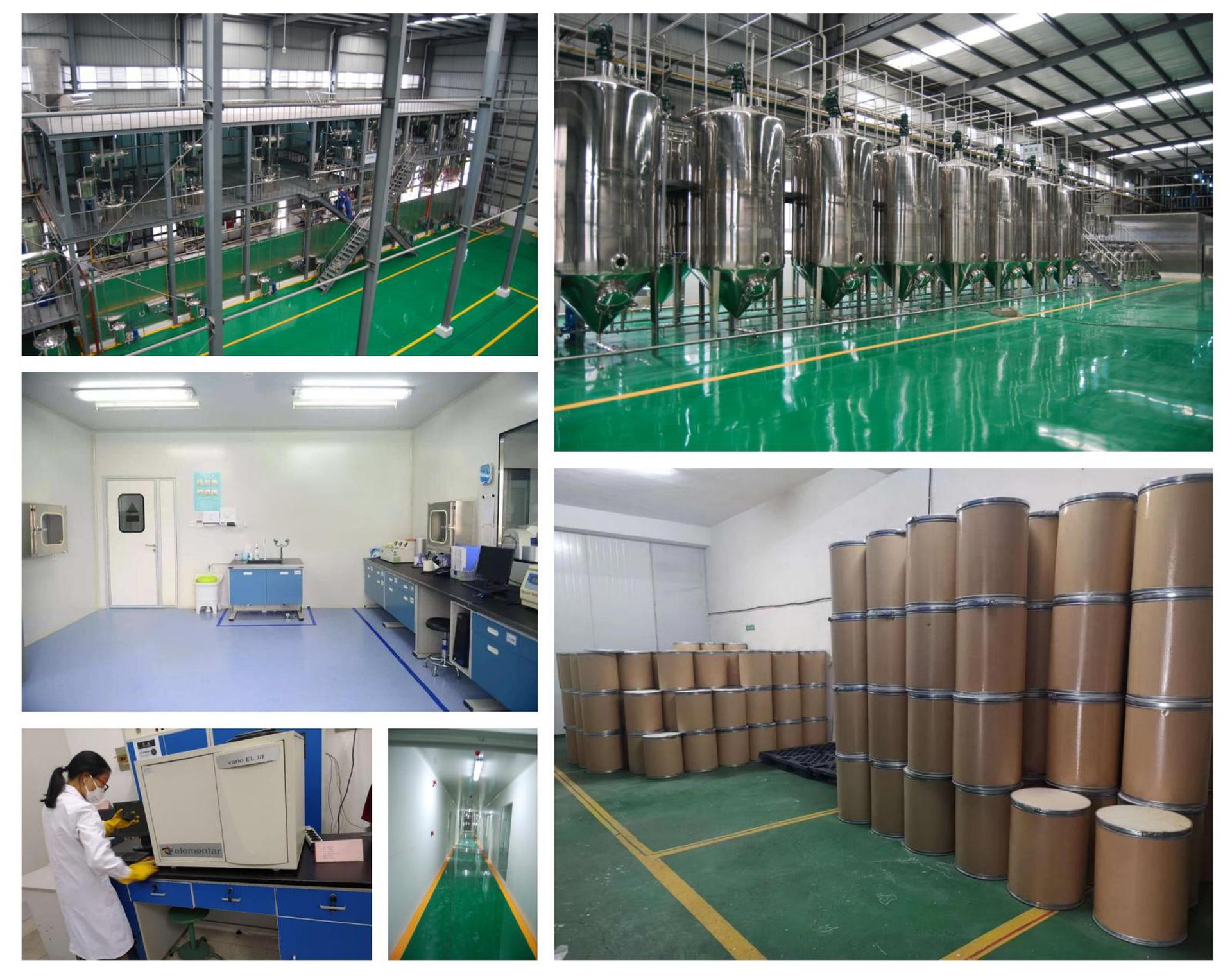
LonierHerb runs a 1,500-square-meter facility that is GMP-certified and has modern extraction tools as well as its own lab. The business has strict quality control methods that include ways to identify raw materials, keep an eye on the production process, and check the finished goods. Through third-party verification services, partnership agreements with widely renowned testing laboratories like Eurofins, SGS, and Intertek add to the quality assurance. This way of working together makes sure that the product meets a wide range of foreign regulatory standards and also supports testing protocols that are specific to each customer.
Product Characteristics and Applications
Naturally occurring theaflavin products come in the form of fine, reddish-brown powders that dissolve easily in both water and alcohol. The extracts stay stable in normal storage conditions as long as they are kept away from light and moisture. They have a 24-month shelf life as long as they are stored properly. Nutraceutical manufacturing, functional beverage production, natural cosmetics formulation, and unique food ingredient systems are just some of the industries that use it. Custom packaging options can be used for a range of production sizes, from small amounts for study to large amounts for commercial production.
Conclusion
Theaflavins in Black Tea represent a compelling intersection of traditional tea craftsmanship and modern functional ingredient science. These unique polyphenols deliver measurable sensory enhancements alongside scientifically validated health benefits, creating valuable opportunities for product differentiation in competitive markets. Successful procurement strategies focus on supplier partnerships that combine processing expertise with analytical precision, ensuring consistent quality and regulatory compliance. As consumer awareness of theaflavins' distinctive properties continues expanding, early adoption of these premium ingredients positions manufacturers advantageously in evolving functional food and beverage markets.
Theaflavins in Black Tea supplier
LonierHerb delivers unmatched expertise as your trusted theaflavins in black tea supplier, combining decades of botanical extraction experience with cutting-edge analytical capabilities. Our comprehensive product portfolio includes standardized theaflavin extracts ranging from 20% to 80% concentration, supported by complete technical documentation and regulatory compliance assurance. We provide complimentary samples enabling thorough evaluation before bulk procurement commitments, while our partnership with leading international testing laboratories guarantees product quality verification. Whether developing functional beverages, nutraceutical formulations, or specialty food ingredients, our technical team collaborates closely with customers to optimize theaflavin integration and achieve formulation objectives. Contact our experts at info@lonierherb.com to discuss your specific requirements and discover how our theaflavin solutions can enhance your product portfolio's market competitiveness.
FAQ
Q: What are the safety considerations for theaflavin consumption?
A: Theaflavins demonstrate excellent safety profiles with minimal reported adverse effects in clinical studies. Generally recognized as safe for consumption, theaflavin extracts undergo comprehensive toxicological evaluation, ensuring compliance with food safety regulations across major international markets.
Q: How can buyers verify the aflavin content in purchased extracts?
A: High-performance liquid chromatography (HPLC) provides the gold standard for theaflavin quantification. Reputable suppliers provide certificates of analysis documenting individual theaflavin compound concentrations, total theaflavin content, and purity specifications for each production batch.
Q: What storage conditions preserve theaflavin stability and potency?
A: Optimal storage requires protection from light, moisture, and elevated temperatures. Sealed containers stored in cool, dry environments maintain theaflavin integrity for extended periods. Proper handling protocols prevent degradation that could compromise product efficacy and sensory characteristics.
Q: How do theaflavins compare with green tea extracts for supplement applications?
A: Theaflavins offer unique advantages, including superior heat stability, distinctive bioactivity profiles, and differentiated marketing positioning. While green tea extracts provide established market recognition, theaflavin-based products access emerging consumer segments seeking novel functional ingredients.
References
1. Sang, S., Lambert, J. D., Ho, C. T., & Yang, C. S. (2011). The chemistry and biotransformation of tea constituents. Pharmacological Research, 64(2), 87-99.
2. Leung, L. K., Su, Y., Chen, R., Zhang, Z., Huang, Y., & Chen, Z. Y. (2001). Theaflavins in black tea and catechins in green tea are equally effective antioxidants. Journal of Nutrition, 131(9), 2248-2251.
3. Menet, M. C., Sang, S., Yang, C. S., Ho, C. T., & Rosen, R. T. (2004). Analysis of theaflavins and thearubigins from black tea extract by MALDI-TOF mass spectrometry. Journal of Agricultural and Food Chemistry, 52(9), 2455-2461.
4. Roberts, E. A., & Smith, R. F. (1961). Spectrophotometric measurements of theaflavins and thearubigins in black tea liquors in assessments of quality in teas. Analyst, 86(1019), 94-98.
5. Harbowy, M. E., & Balentine, D. A. (1997). Tea chemistry. Critical Reviews in Plant Sciences, 16(4), 415-480.
6. Lin, Y. S., Tsai, Y. J., Tsay, J. S., & Lin, J. K. (2003). Factors affecting the levels of tea polyphenols and caffeine in tea leaves. Journal of Agricultural and Food Chemistry, 51(7), 1864-1873.