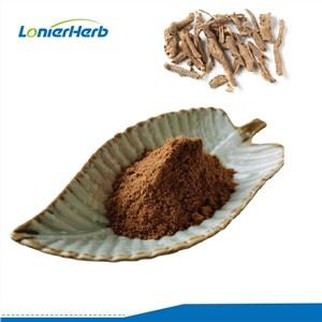
Stevia Leaf Extract Powder is a new and revolutionary natural sweetener that helps people of all ages deal with their growing health issues. This sugar-free option comes from the Stevia rebaudiana plant and is about 300 times sweeter than regular sugar. It is completely safe for both kids and adults to eat. Because steviol glycosides have amazing properties, this plant extract is perfect for health-conscious families and companies that want to find sugar alternatives that don't affect taste or nutrition.
Understanding Stevia Leaf Extract Powder
The Science Behind Natural Sweetness
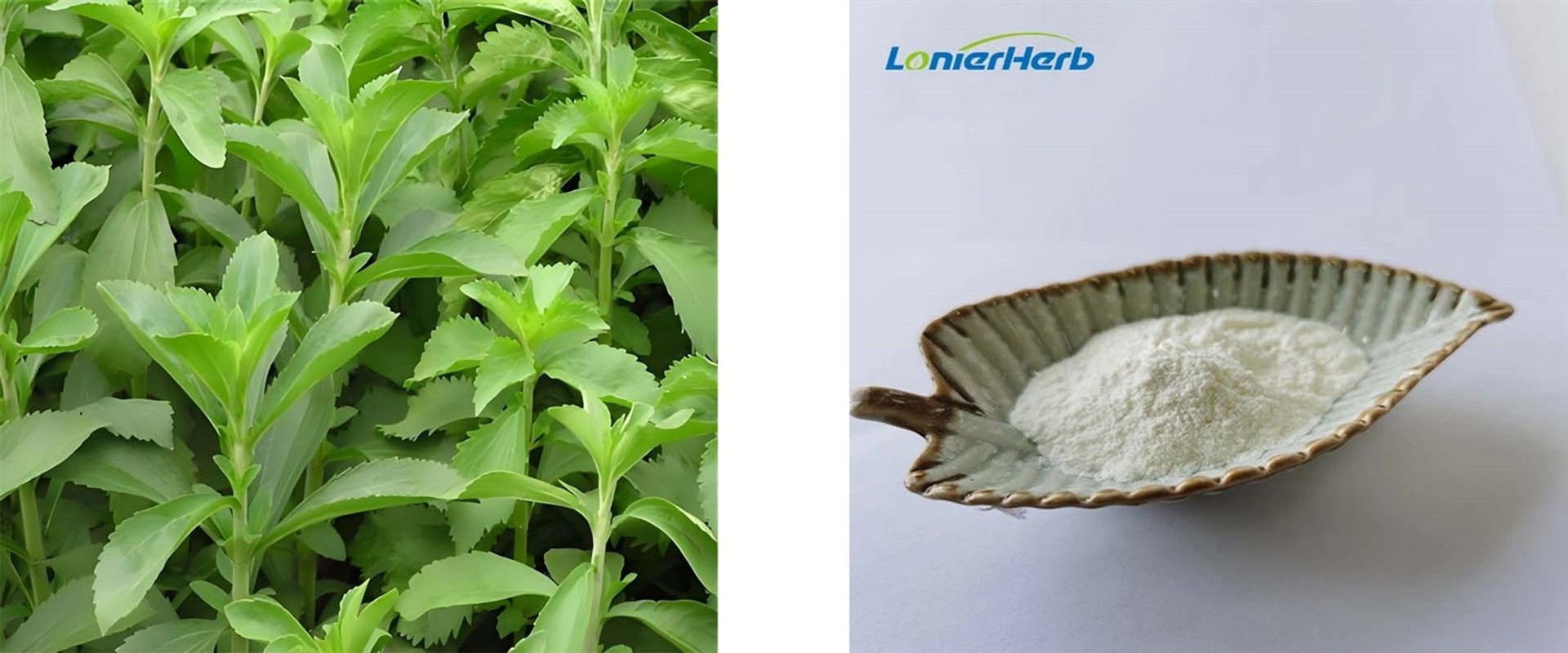
Stevia rebaudiana, which is also called "sweet leaf," comes from South America, where native people have used it to make food sweet for hundreds of years. The separation process uses advanced water-based methods that keep the plant's good chemicals while getting rid of the bad ones. It is known around the world as the "third generation of human sugar source," and this tetracyclic diterpenoid compound has many benefits over synthetic options. Stevia is sweet because of bioactive compounds called stevioside and rebaudioside-A. Depending on how it is processed, the amounts of these compounds can range from 40% to 98%. These steviol glycosides are very sweet without being broken down by the body, which makes them especially useful for people with special food needs.
Safety Profile and Regulatory Approval
A lot of studies by regulatory bodies like the FDA and EFSA have shown that stevia is safe for a wide range of people. Clinical tests show that there is no change in blood sugar levels and no bad metabolic effects when the food is eaten according to the rules. Because the substance doesn't take part in glucose metabolism, it is especially helpful for people with diabetes or high blood sugar. Children especially benefit from stevia's good-for-you teeth qualities because it doesn't help bacteria grow that cause tooth decay. Stevia is a natural sweetener that doesn't damage teeth like regular sweeteners do. It also meets the sweet tooth needs of younger people.
Practical Uses and How to Incorporate Stevia Leaf Extract Powder
Versatile Applications Across Industries
Stevia extract can be used in a lot of different ways, such as Stevia Leaf Extract Powder, which makes it very useful for makers in many different industries. In the process of making drinks, the powder melts easily and stays stable at different pH levels. For baking, you need to be aware of how strong stevia is because you usually need to use a swap ratio of 1:300 for regular sugar. Stevia's bland taste is used by pharmaceutical companies to make medicines, especially for kids' medicines, where taste is still very important. Because the compound is stable at high temperatures, it can be used in industrial processes without losing its ability to sweeten.
Formulation Guidelines for Optimal Results
To successfully integrate stevia, you need to know what makes it different and change standard recipes to fit those differences. Because there are no bulk properties, texture and volume in finished goods need to be carefully thought out. Professional formulators say to add it slowly while keeping an eye on the taste profiles to make sure the right amount of sweetness is reached without overpowering other flavours. Quality requirements change a lot depending on the use. For example, high-purity rebaudioside-A extracts are best for uses that need a minimum aftertaste. Standard concentration ratios are usually between 4:1 and 50:1, which lets manufacturers make exact changes to meet their needs.
Stevia Leaf Extract Powder vs Other Sweeteners - Helping Procurement Decisions
Comprehensive Sweetener Comparison
There are a lot of different natural sweetener options on the market, and each has its own pros and cons for commercial use. Monk fruit extract has similar effects with no calories, but it costs more because it is harder to get. Although erythritol is great for baking, it does add calories, which might not fit with some product marketing. Synthetic options like aspartame and sucralose work just as well, but people are becoming less willing to use them because they are made in a lab. Stevia comes from plants, so it fits right in with the move toward clean labels and is still cheap enough to be used for large-scale production.
Quality Assessment Criteria
Before making a purchase, you need to carefully consider a number of important factors that affect both the short-term success and the long-term stability of the supply chain. There is a direct link between purity levels, taste profiles, and applications. For example, higher amounts of rebaudioside-A lower the possibility of bitter notes. Specifications for colours run from brown-yellow to white powder, with lighter colours usually costing more. Third-party testing by recognised labs such as Eurofins, SGS, and Intertek is an important way to make sure that a product is safe and of good quality. The European guidelines for PAH4 and benzoapyrene levels (≤10 ppb) are very strict and make sure that products sold around the world are safe.
Procurement Guidance for Stevia Leaf Extract Powder
Market Analysis and Supplier Evaluation
The global market for stevia has grown a lot, and China has become the biggest producer thanks to its good growing conditions and well-established processing facilities. Reliable suppliers show constant quality control, keep enough inventory on hand, and provide a lot of paperwork to show they follow the rules. For sample evaluations, the minimum order quantity of Stevia Leaf Extract Powderis usually 1 kg. For business purposes, the minimum order quantity is usually between 500 kg and 1000 kg. When you buy directly from a plant, you avoid the markups that come from middlemen and can track your order from the time the raw materials arrive until it's packed.
Contract Considerations and Risk Management
Diversifying the supply chain, setting up quality control methods, and being able to change delivery times are all examples of effective procurement strategies that reduce risk. For storage purposes, things need to be kept safe from light and moisture, which means that the transportation network needs to have the right warehouse facilities. Changes in prices are caused by things like the supply of raw materials, changes in regulations, and changes in market demand. Building long-term relationships with reputable manufacturers gives you stability and access to technical help and services that let you customise your products.
Why Choose LonierHerb for Your Stevia Extract Needs
Manufacturing Excellence and Quality Assurance
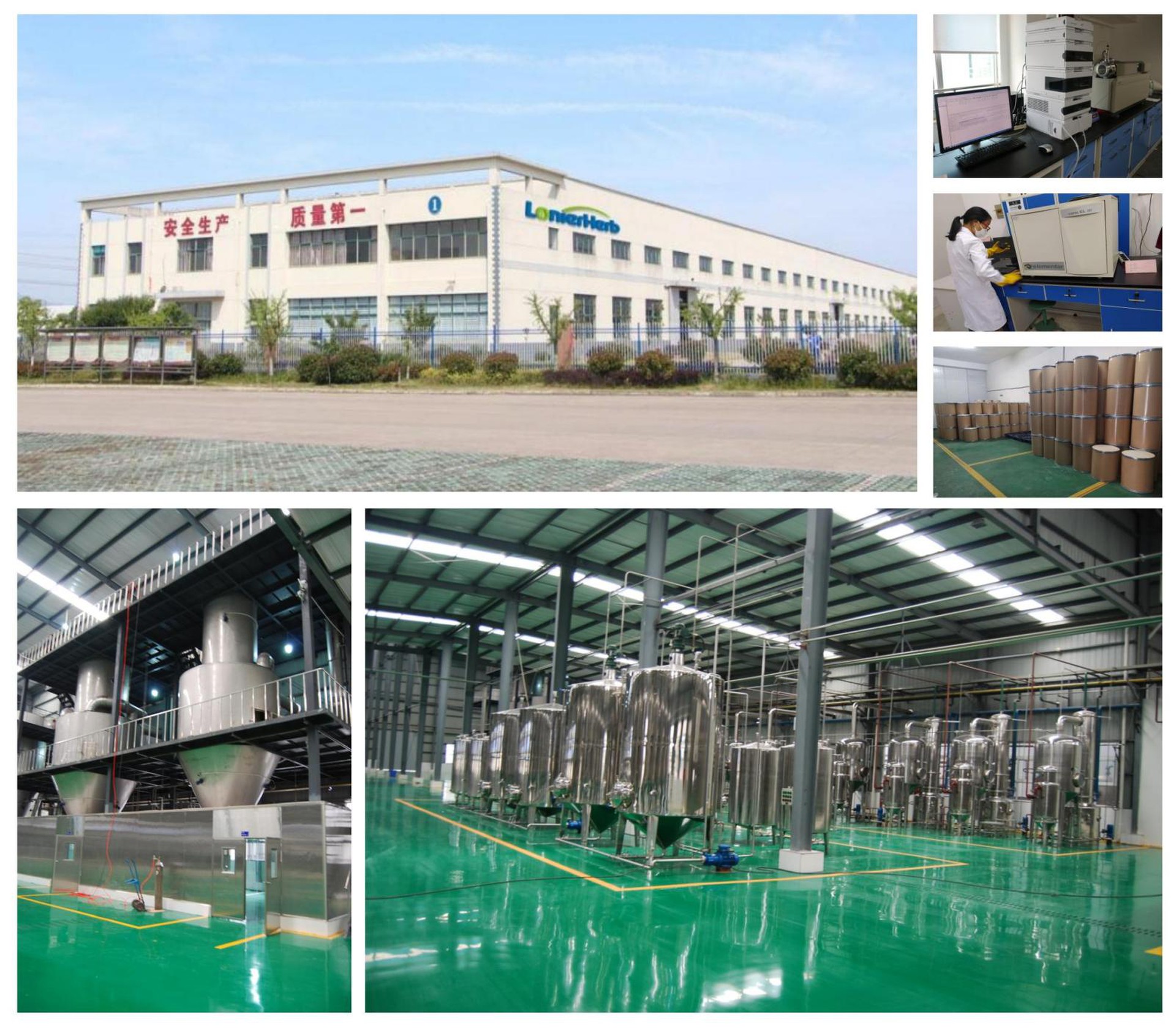
LonierHerb Bio-Technology Co., Ltd. has been making plant extracts for more than ten years and uses both traditional botanical knowledge and current production technologies. Our 1500-square-meter GMP-certified building has strict environmental controls in place during the whole production process. This makes sure that the quality and purity standards are always met. Our complete quality management method includes finding the right raw materials, keeping an eye on the process, and checking the finished product. Every batch goes through strict testing procedures, and partnerships with internationally renowned labs allow for extra third-party confirmation. Because of this dedication to quality greatness, the company has been able to successfully enter more than 40 countries, including the demanding markets of Europe, the US, and Australia. In addition to basic manufacturing, the company offers combined services such as micro-encapsulation technologies, natural colour solutions, and help with the development of health supplements. This all-around method lets clients streamline their supply chains and get access to specialised technical knowledge for improving products and making sure they follow the rules.
Product Specifications and Customisation Options
LonierHerb has a wide range of stevia extract specifications, such as stevioside concentrations of 80%, 90%, 95%, Stevia Leaf Extract Powderand 98%, as well as rebaudioside-A variants with purity levels running from 40% to 97%. Custom ratio preparations (4:1, 10:1, 20:1, and 50:1) meet the needs of specific applications while keeping high-quality standards. As part of our dedication to natural processing, we only use water-based extraction methods. This gets rid of any solvent residues and makes sure that clean labels are followed. As a result, the goods meet strict international standards, such as the European PAH4 requirements, and keep their certifications as 100% natural, non-GMO, and allergen-free.
Conclusion
In today's health-conscious markets, Stevia Leaf Extract Powder stands out as the best sugar option because it is completely safe for both kids and adults while still being very sweet. The compound's lack of calories, ability to be safe for diabetics, and ability to be friendly to teeth make it better than traditional and synthetic options. To successfully procure something, you need to carefully evaluate suppliers, check their quality, and understand the unique needs of the application. Businesses looking for high-quality stevia extract solutions can rely on LonierHerb's wide range of manufacturing choices, strict quality control measures, and flexible customisation options.
Stevia Leaf Extract Powder supplier
LonierHerb invites you to experience our commitment to excellence in natural sweetener manufacturing. As an established stevia leaf extract powder supplier, we combine decades of botanical expertise with modern production Stevia Leaf Extract Powdercapabilities to deliver consistently superior products. Our comprehensive quality assurance protocols, competitive pricing, and flexible customization options provide the foundation for successful long-term partnerships. Contact our team at info@lonierherb.com to discuss your specific requirements, request product samples, or explore our extensive catalogue of natural extract solutions tailored to your industry needs.
FAQ
1. Is stevia extract powder safe for children?
Stevia extract powder is completely safe for children when used appropriately. Regulatory agencies, including the FDA and EFSA, have established acceptable daily intake levels that far exceed typical consumption patterns. The compound does not affect blood glucose levels, does not contribute to tooth decay, and provides no calories, making it an excellent alternative to traditional sweeteners for pediatric applications.
2. How does stevia compare to artificial sweeteners in terms of safety?
Stevia offers superior safety profiles compared to synthetic alternatives due to its natural origin and extensive safety testing. Unlike artificial sweeteners that undergo chemical synthesis, stevia extraction utilises water-based methods that preserve the plant's natural compounds. The compound's long history of traditional use, combined with modern scientific validation, provides confidence in its safety across diverse populations.
3. What specifications should I consider when sourcing stevia extract powder?
Key specifications include steviol glycoside concentrations, with rebaudioside-A content directly impacting taste quality. Purity levels, colour specifications, and third-party testing certificates ensure product quality and regulatory compliance. Storage requirements, minimum order quantities, and supplier certifications represent additional factors affecting procurement decisions.
4. Can stevia extract powder be used in commercial food production?
Stevia extract powder is widely approved for commercial food production across global markets. Its heat stability, pH tolerance, and compatibility with various ingredients make it suitable for beverages, baked goods, dairy products, and confectionery applications. Proper formulation techniques ensure optimal taste profiles while maintaining cost-effectiveness for large-scale manufacturing.
5. What are the storage requirements for stevia extract powder?
Stevia extract powder requires storage in tightly sealed containers protected from light exposure and moisture contamination. Ambient temperature storage is acceptable, but consistent environmental conditions help maintain product stability and shelf life. Proper handling procedures prevent cross-contamination and preserve the powder's sweetening properties throughout extended storage periods.
References
1. Ashwell, M. (2015). Stevia, Nature's Zero-Calorie Sustainable Sweetener: A New Player in the Fight Against Obesity. Nutrition Today, 50(3), 129-134.
2. Carakostas, M. C., Curry, L. L., Boileau, A. C., & Brusick, D. J. (2008). Overview: The History, Technical Function and Safety of Rebaudioside A, a Naturally Occurring Steviol Glycoside, for Use in Food and Beverages. Food and Chemical Toxicology, 46(7), S1-S10.
3. Goyal, S. K., Samsher, R. K., & Goyal, R. K. (2010). Stevia (Stevia rebaudiana), a Bio-sweetener: A Review. International Journal of Food Sciences and Nutrition, 61(1), 1-10.
4. Lemus-Mondaca, R., Vega-Gálvez, A., Zura-Bravo, L., & Ah-Hen, K. (2012). Stevia rebaudiana Bertoni, Source of a High-potency Natural Sweetener: A Comprehensive Review on the Biochemical, Nutritional and Functional Aspects. Food Chemistry, 132(3), 1121-1132.
5. Ruiz-Ruiz, J. C., Moguel-Ordóñez, Y. B., & Segura-Campos, M. R. (2017). Biological Activity of Stevia rebaudiana Bertoni and Their Relationship to Health. Critical Reviews in Food Science and Nutrition, 57(12), 2680-2690.
6. Samuel, P., Ayoob, K. T., Magnuson, B. A., Wölwer-Rieck, U., Jeppesen, P. B., Rogers, P. J., ... & Mathews, R. (2018). Stevia Leaf to Stevia Sweetener: Exploring Its Science, Benefits, and Future Potential. Journal of Nutrition, 148(7), 1186S-1205S.