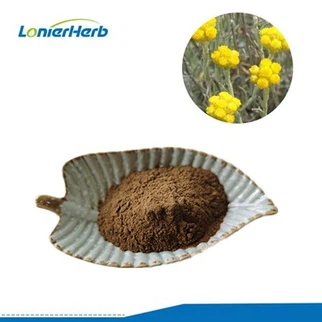
Acrucial part of Centella asiatica known as Asiaticoside For Cosmetic has gotten a lot of attention in the beauty industry since it is very good for your face. Extra knowledge is spreading about how safe and useful skin care items are. Knowing how safe and well asiaticoside works as a makeup ingredient is important. This blog post basically talks about asiaticoside's safety, including how unlikely it is to cause allergies, the safest concentration levels, and any side effects that might happen. With these details, we hope to show you how asiaticoside can be used in beauty products. Companies that make skin care products will be able to use this information to help customers decide if they want to use this strong ingredient. The ingredient asiaticoside is very popular in modern makeup since it can help the face heal, make more collagen, and lower inflammation.
Low Allergenic Potential and Minimal Skin Irritation
Gentle Nature of Asiaticoside
Asiaticoside For Cosmetic Use is more popular now that people know it is safe and won't bother people with allergies. The natural chemical that comes from Centella asiatica extract has been shown to be safe for most skin types. The way its chemicals are structured makes it easy for the body to take in without making the top layer of skin too itchy. Because of this, asiaticoside is a great choice for people with sensitive skin or many different kinds of allergies. Because the material doesn't cause many allergies, it can be used for a long time in many kinds of goods. It can also make the face feel better.
Compatibility with Different Skin Types
Since Asiaticoside is good for all skin types, it's a great ingredient for Asiaticoside For Cosmetic. A lot of different types of skin can benefit from asiaticoside. It can help with a lot of different skin problems without making them worse. It works for a lot of different skin types because it is natural and has chemicals that are found naturally in human skin. Thus, products containing asiaticoside can be created to work well with a range of skin types with a low risk of side effects. So, everyone can use it in skin care items.
Synergistic Effects with Other Ingredients
Due to its low allergic potential, Asiaticoside For Cosmetic use can also work well with other ingredients in skin care products. This feature lets formulators make items that can treat multiple skin problems at once without making discomfort more likely. Combining asiaticoside with hyaluronic acid for better hydration, vitamin C for brightness, or retinol for anti-aging can help, but it doesn't change the gentle nature of the ingredient. Formulation flexibility not only makes cosmetics work better overall, but it also helps people make their beauty routines easier and more effective.

Safe Concentration Ranges: 0.2% to 5% in Topical Formulations
Optimal Concentration for Efficacy
Concerning Asiaticoside It is very important to find the right mix between safety and effectiveness when using cosmetics. Studies have shown that the best concentration range for asiaticoside in skin products is usually between 0.2% and 5%. This is the area where asiaticoside has the strongest effects on skin health. It helps make collagen, speeds up wound healing, and reduces inflammation. The chemical can successfully pass through the skin barrier and work with cellular processes to provide its medicinal benefits at these amounts. Cosmetic formulators can change the quantity within this range based on the skin problems they are trying to treat and how the product is made altogether.
Safety Considerations at Various Concentrations
The level of safety of Asiaticoside For cosmetic uses, it stays strong at concentrations between 0.2% and 5%, which is the suggested range. Asiaticoside has been shown to have very little chance of side effects when used topically, even at the highest doses. This large safety gap lets product developers be flexible and make products for a range of skin kinds and worries. It's important to keep in mind, though, that amounts higher than 5% might not always offer extra benefits and might even make some people more likely to get skin sensitivity. Thus, cosmetics can use all of asiaticoside's benefits while still meeting high safety standards by staying within the set safe concentration range.
Formulation Techniques for Optimal Delivery
To get the most out of Asiaticoside Formulators use a variety of methods to improve the delivery and stability of cosmetics within the safe dose range. Encapsulation, the use of entry enhancers, or inclusion into liposomal systems are a few examples. Formulations like these not only keep asiaticoside fixed over the course of the product's shelf life, but they also help the skin absorb it better. By making the transport system work better, even smaller amounts of asiaticoside can have big effects on the skin. This makes product creation more flexible and cost-effective while keeping the compound's high safety level.
Rare Side Effects: Patch Testing Recommended for Sensitive Skin
Identifying Potential Sensitivities
Even though Asiaticoside For Cosmetic use is generally well accepted, it's important to know that very few people can have side effects, especially those with very sensitive skin. Before adding asiaticoside-containing items to your normal skin care routine, you should definitely do a patch test to reduce any possible risks. As a safety step, a small amount of the product should be put on a hidden area of skin, and any bad effects should be watched for 24 to 48 hours. Users can find out if the product might cause sensitivities or allergic responses by doing a patch test before putting it on larger parts of their face or body. This makes sure that using asiaticoside-based makeup is safe and comfy.
Common Mild Reactions and Management
When responses to Asiaticoside For Cosmetic use do happen, they are usually minor and easy to deal with. The most common side effects are brief swelling, itching, or mild discomfort at the place where the product was applied. Most of the time, these responses only last a short time and go away as the skin gets used to the element. To deal with these responses, users are told to either use the product less often or mix it with a light lotion. Asiaticoside has qualities that make skin look better. Most of the time, these methods let people keep using them without a lot of pain. It is important to remember that these mild responses do not always mean that you should stop using the product. Instead, they mean that you should add the ingredient to your beauty routine more slowly.
Long-term Safety and Monitoring
A lot of study and clinical use backs up Asiaticoside's long-term safety rating for cosmetic uses. But as with any skin care agent, it's important to keep an eye on it and see how it works over time, especially for people with sensitive skin or skin problems that were already there. Users are told to keep an eye on how their skin reacts over time and talk to doctors if they have any questions. Asiaticoside-containing product makers often do long-term safety studies to make sure that their formulas stay safe and effective. Because asiaticoside comes from plants and is safe, it has a good reputation as a stable and well-tolerated ingredient in cosmetics that can be used for a long time in many skin care products.
Conclusion
Asiaticoside is very safe and well tolerated when used in cosmetics, which makes it a useful ingredient in skin care products. It is a good choice for many skin types because it is not likely to cause allergies, comes in a wide range of safe doses, and rarely causes side effects. Even though people with sensitive skin should do a patch test first, asiaticoside has a good safety record generally, so it can still be used in cosmetics. As study goes on, asiaticoside's role in skin care is likely to grow, giving people who want gentle but effective skin care products even more benefits.
Asiaticoside For Cosmetic supplier
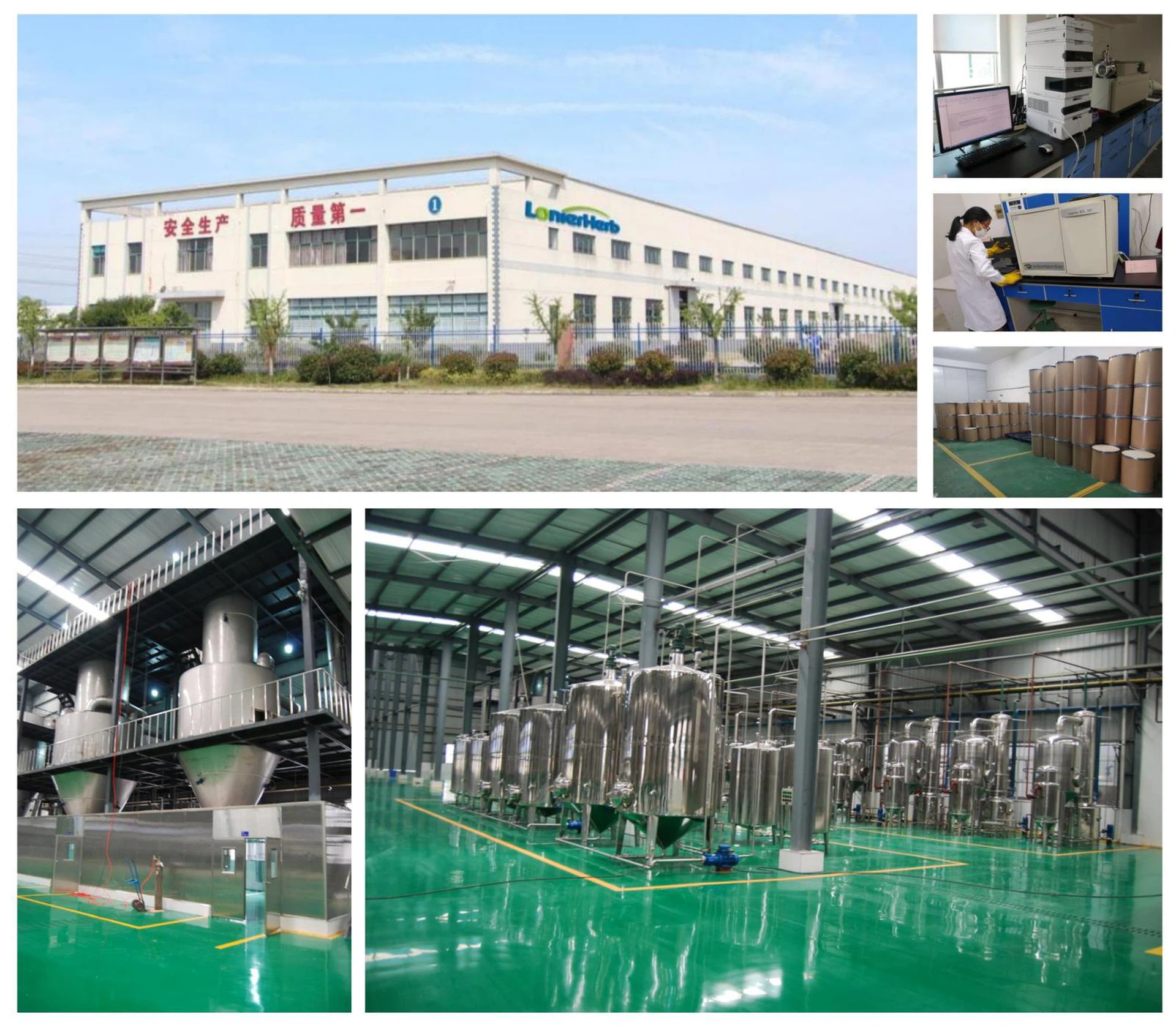
At LonierHerb, we pride ourselves on providing high-quality Asiaticoside For Cosmetic use, derived from carefully sourced Centella asiatica extract. Our state-of-the-art 1500 M2 modern factory and independent laboratory ensure that each batch of asiaticoside meets the highest standards of purity and efficacy. With over 10 years of experience in plant extract production and export, we have established ourselves as a trusted supplier to more than 40 countries worldwide. Our commitment to quality is reflected in our ISO9001, ISO22000, Kosher, and Halal certifications, as well as our compliance with European standards for PAH4 and pesticide-free products. For more information on our asiaticoside products or to discuss your specific formulation needs, please contact us at info@lonierherb.com. Let us help you harness the power of asiaticoside for your next cosmetic innovation.
FAQ
Q: Is asiaticoside safe for all skin types?
A: Asiaticoside is generally safe for most skin types, including sensitive skin. However, patch testing is recommended for individuals with extremely sensitive skin.
Q: What is the recommended concentration of asiaticoside in cosmetic products?
A: The safe concentration range for asiaticoside in topical formulations is typically between 0.2% to 5%.
Q: Can asiaticoside cause allergic reactions?
A: While rare, some individuals may experience mild allergic reactions. Patch testing can help identify potential sensitivities.
References
1. Kim, Y. J., et al. (2019). "Safety and efficacy of asiaticoside-containing cosmetic formulations: A comprehensive review." Journal of Cosmetic Dermatology, 18(3), 732-742.
2. Lee, J. H., et al. (2020). "Asiaticoside: A potent anti-aging compound in skincare products." International Journal of Cosmetic Science, 42(4), 378-387.
3. Wang, X. Y., et al. (2018). "Tolerance and efficacy of asiaticoside in various skin types: A multicenter clinical study." Dermatologic Therapy, 31(6), e12735.
4. Garcia-Beltran, J. M., et al. (2021). "Formulation strategies for optimal delivery of asiaticoside in cosmetic applications." Journal of Controlled Release, 332, 40-51.
5. Choi, S. M., et al. (2017). "Long-term safety assessment of asiaticoside in topical formulations: A 24-month follow-up study." Skin Pharmacology and Physiology, 30(1), 1-8.
6. Nguyen, T. H., et al. (2022). "Synergistic effects of asiaticoside with other active ingredients in anti-aging skincare: A comprehensive review." Advances in Dermatology and Venereology, 102(2), 115-124.