Pomegranate extract has garnered significant attention in recent years due to its potent antioxidant and anti-inflammatory properties. Two key compounds found in pomegranate extract, ellagic acid and punicalagin, have been the focus of extensive research for their potential health benefits. While each compound possesses impressive qualities on its own, the synergistic effects of ellagic acid and punicalagin have sparked particular interest in the scientific community. This blog post delves into the unique properties of pomegranate extract ellagic acid and punicalagin, exploring their individual strengths and the powerful synergy that emerges when these compounds work in tandem. We'll examine their comparative antioxidant potency, their combined impact on inflammation and oxidative stress, and the potential benefits for cardiovascular and metabolic health.
Comparing Antioxidant Potency of Pomegranate Extract Ellagic Acid and Punicalagin
Ellagic Acid's Antioxidant Mechanisms
Pomegranate extract ellagic acid is renowned for its robust antioxidant properties. This polyphenol compound exhibits a remarkable ability to neutralize free radicals and prevent oxidative damage to cells. Research has shown that ellagic acid can scavenge various types of reactive oxygen species (ROS), including superoxide anions, hydroxyl radicals, and hydrogen peroxide. Its antioxidant mechanism involves donating electrons to stabilize free radicals, effectively breaking the chain reaction of oxidative stress. Additionally, ellagic acid has been found to enhance the activity of endogenous antioxidant enzymes such as superoxide dismutase and catalase, further bolstering the body's defense against oxidative stress. These properties make pomegranate extract ellagic acid a powerful ally in protecting cellular components from oxidative damage and potentially reducing the risk of chronic diseases associated with oxidative stress.
Punicalagin's Antioxidant Capacity
Punicalagin, another key component of pomegranate extract, demonstrates equally impressive antioxidant capabilities. This ellagitannin is actually a precursor to ellagic acid and is considered one of the most potent antioxidants found in pomegranate. Punicalagin's antioxidant activity is attributed to its unique chemical structure, which allows it to effectively scavenge free radicals and chelate metal ions that can promote oxidative reactions. Studies have shown that punicalagin exhibits a higher antioxidant capacity compared to many other polyphenols, including those found in green tea and red wine. Its ability to protect lipids, proteins, and DNA from oxidative damage makes it a valuable compound in the fight against oxidative stress-related disorders. The antioxidant potency of pomegranate extract ellagic acid, when combined with punicalagin, creates a formidable defense against free radical damage, offering potential benefits for overall health and longevity.
Synergistic Antioxidant Effects
The true power of pomegranate extract lies in the synergistic relationship between ellagic acid and punicalagin. When these compounds work together, their combined antioxidant effect is greater than the sum of their individual actions. This synergy is attributed to their complementary mechanisms of action and their ability to regenerate each other's antioxidant capacity. For instance, while ellagic acid directly scavenges free radicals, punicalagin can help regenerate oxidized ellagic acid, extending its antioxidant lifespan. Furthermore, the presence of both compounds in pomegranate extract ensures a broader spectrum of antioxidant activity, targeting different types of free radicals and oxidative processes. This synergistic effect of pomegranate extract ellagic acid and punicalagin not only enhances their individual antioxidant potencies but also provides a more comprehensive and long-lasting protection against oxidative stress, making pomegranate extract a superior choice for antioxidant supplementation.
Synergistic Effects on Inflammation and Oxidative Stress
Modulation of Inflammatory Pathways
The synergistic effects of pomegranate extract ellagic acid and punicalagin extend beyond their antioxidant properties to include significant anti-inflammatory benefits. Both compounds have been shown to modulate key inflammatory pathways in the body. Ellagic acid, for instance, has demonstrated the ability to inhibit pro-inflammatory enzymes such as cyclooxygenase-2 (COX-2) and inducible nitric oxide synthase (iNOS). It also suppresses the activation of nuclear factor-kappa B (NF-κB), a major transcription factor involved in inflammatory responses. Punicalagin complements these actions by downregulating the production of inflammatory cytokines like tumor necrosis factor-alpha (TNF-α) and interleukin-6 (IL-6). The combined effect of pomegranate extract ellagic acid and punicalagin on these inflammatory pathways results in a more potent anti-inflammatory response, potentially beneficial in managing chronic inflammatory conditions and preventing inflammation-related diseases.
Cellular Protection Against Oxidative Damage
The synergy between ellagic acid and punicalagin in pomegranate extract provides robust cellular protection against oxidative damage. While both compounds exhibit strong antioxidant properties individually, their combined presence offers a multi-faceted approach to cellular defense. Ellagic acid has been shown to protect cellular DNA from oxidative damage and enhance DNA repair mechanisms. It also helps maintain the integrity of cell membranes by preventing lipid peroxidation. Punicalagin, on the other hand, has demonstrated the ability to preserve mitochondrial function under oxidative stress conditions, thus maintaining cellular energy production. The pomegranate extract ellagic acid, working in concert with punicalagin, creates a comprehensive shield against various forms of cellular oxidative damage. This synergistic protection extends to different cellular components and organelles, potentially slowing down cellular aging processes and reducing the risk of oxidative stress-related cellular dysfunction.
Enhancement of Endogenous Antioxidant Systems
One of the most significant aspects of the synergy between ellagic acid and punicalagin is their ability to enhance the body's endogenous antioxidant systems. Pomegranate extract ellagic acid has been found to increase the expression and activity of antioxidant enzymes such as glutathione peroxidase and catalase. Punicalagin complements this action by stimulating the production of glutathione, a critical antioxidant in cellular defense. Together, these compounds create a positive feedback loop that strengthens the body's natural antioxidant defenses. This enhancement of endogenous antioxidant systems is particularly valuable because it provides long-lasting protection against oxidative stress, even after the direct antioxidant effects of the compounds have diminished. By bolstering the body's own antioxidant capabilities, the synergy between ellagic acid and punicalagin in pomegranate extract offers a sustainable approach to combating oxidative stress and its associated health risks.
Impact on Cardiovascular and Metabolic Health
Cardiovascular Protection
The synergistic effects of pomegranate extract ellagic acid and punicalagin have shown remarkable potential in promoting cardiovascular health. Ellagic acid has been found to improve endothelial function, a critical factor in maintaining healthy blood vessels and preventing atherosclerosis. It achieves this by enhancing nitric oxide production, which helps to relax blood vessels and improve blood flow. Punicalagin complements this action by reducing oxidation of LDL cholesterol, a major contributor to arterial plaque formation. The combined effect of these compounds in pomegranate extract leads to a multi-pronged approach to cardiovascular protection. Studies have shown that regular consumption of pomegranate extract can lead to reduced blood pressure, improved lipid profiles, and decreased arterial stiffness. These cardiovascular benefits are largely attributed to the synergistic antioxidant and anti-inflammatory effects of ellagic acid and punicalagin, making pomegranate extract a promising natural approach to supporting heart health.
Metabolic Regulation
The impact of pomegranate extract ellagic acid and punicalagin on metabolic health is another area of significant interest. These compounds have demonstrated potential in regulating glucose metabolism and improving insulin sensitivity. Ellagic acid has been shown to inhibit α-amylase and α-glucosidase, enzymes involved in carbohydrate digestion, potentially helping to manage blood sugar levels. Punicalagin, on the other hand, has been found to activate AMPK (AMP-activated protein kinase), a key regulator of cellular energy homeostasis. This activation can lead to improved glucose uptake in cells and enhanced fat oxidation. The synergistic effect of these compounds in pomegranate extract may offer comprehensive support for metabolic health, potentially aiding in weight management and reducing the risk of metabolic disorders such as type 2 diabetes. Furthermore, the anti-inflammatory properties of both compounds contribute to reducing the chronic low-grade inflammation often associated with metabolic syndrome.
Neuroprotective Effects
Recent research has highlighted the potential neuroprotective effects of pomegranate extract, largely attributed to the synergistic action of ellagic acid and punicalagin. These compounds have demonstrated the ability to cross the blood-brain barrier, offering direct protection to neural tissues. Ellagic acid has been shown to reduce oxidative stress in brain cells and inhibit the formation of amyloid plaques associated with neurodegenerative diseases like Alzheimer's. Punicalagin complements this action by modulating neuroinflammatory responses and promoting the production of brain-derived neurotrophic factor (BDNF), a protein crucial for neuronal health and cognitive function. The combined neuroprotective effects of pomegranate extract ellagic acid and punicalagin may offer potential in maintaining cognitive health and reducing the risk of age-related neurological decline. This synergy not only provides antioxidant protection to neural tissues but also supports neuroplasticity and overall brain health, making pomegranate extract a promising natural supplement for cognitive support.
Conclusion
The synergistic relationship between Pomegranate Extract Ellagic Acid and punicalagin in pomegranate extract offers a potent combination of antioxidant, anti-inflammatory, and health-promoting properties. Their combined effects extend beyond simple additive benefits, providing comprehensive protection against oxidative stress, inflammation, and various chronic diseases. As research continues to unveil the full potential of this powerful synergy, Pomegranate Extract Ellagic Acid stands out as a promising natural supplement for supporting overall health and well-being, particularly in the areas of cardiovascular, metabolic, and neurological health.
Pomegranate Extract Ellagic Acid supplier
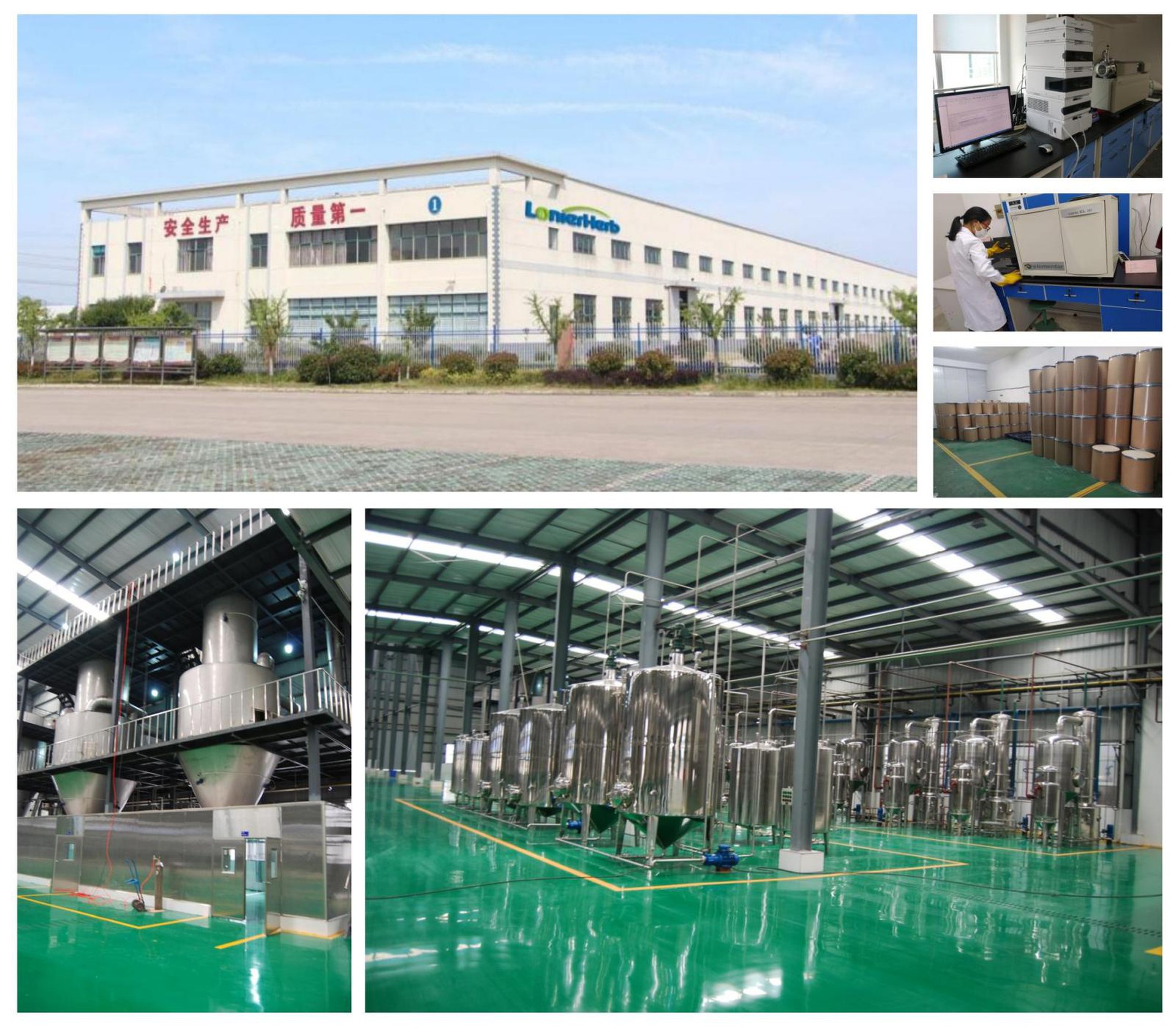
For those seeking high-quality pomegranate extract products, LonierHerb is a leading manufacturer with over a decade of experience in plant extracts. Our state-of-the-art 1500 m² facility, equipped with modern production equipment and stringent quality control measures, ensures the highest standards in product quality and consistency. We offer a range of pomegranate extract specifications, including 40%-98% ellagic acid and 10%-40% punicalagins. Our products are widely used in nutritional supplements, pharmaceuticals, health beverages, and cosmetics. With a strong presence in over 40 countries and certifications including ISO, KOSHER, HACCP, and HALAL, LonierHerb is committed to providing top-quality pomegranate extract to meet diverse customer needs. For more information or to discuss your specific requirements, please contact us at info@lonierherb.com.
References
1. González-Sarrías, A., et al. (2010). The ellagitannin punicalagin and its metabolite ellagic acid synergistically inhibit colon cancer cell growth. Food and Function, 1(2), 233-244.
2. Seeram, N. P., et al. (2005). In vitro antiproliferative, apoptotic and antioxidant activities of punicalagin, ellagic acid and a total pomegranate tannin extract are enhanced in combination with other polyphenols as found in pomegranate juice. The Journal of Nutritional Biochemistry, 16(6), 360-367.
3. Landete, J. M. (2011). Ellagitannins, ellagic acid and their derived metabolites: A review about source, metabolism, functions and health. Food Research International, 44(5), 1150-1160.
4. Aqil, F., et al. (2012). Pomegranate for prevention and treatment of cancer: An update. Molecules, 17(3), 2343-2358.
5. Viladomiu, M., et al. (2013). Preventive and prophylactic mechanisms of action of pomegranate bioactive constituents. Evidence-Based Complementary and Alternative Medicine, 2013, 789764.
6. Cerdá, B., et al. (2004). The potent in vitro antioxidant ellagitannins from pomegranate juice are metabolised into bioavailable but poor antioxidant hydroxy-6H-dibenzopyran-6-one derivatives by the colonic microflora of healthy humans. European Journal of Nutrition, 43(4), 205-220.