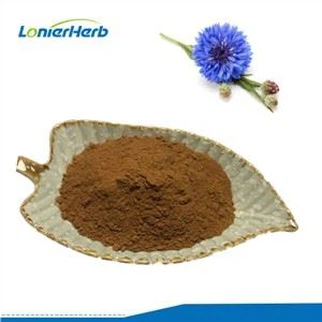
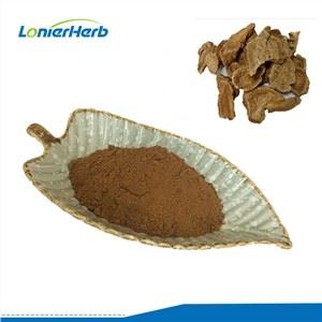
Dopa, a chemical found naturally in Mucuna Pruriens L, is thought to be good for the brain. A type of tropical bean called Mucuna pruriens grows in Africa, India, and the Caribbean and is used to make this strong stuff. Levodopa (L-DOPA) is what makes it important. A second important chemical in the brain that does many things is dopamine, which is made up of L-DOPA. There are a lot of tests being done on Mucuna Pruriens L Dopa to find out what benefits it might have. That it can help treat Parkinson's disease and other brain diseases is becoming more clear. In this article, we talk about one way that Mucuna Pruriens L Dopa is good for neurons. That it can help treat brain problems is becoming more clear.
How does Mucuna Pruriens L Dopa improve Parkinson's disease symptoms?
Dopamine Replenishment
Increasing the amount of dopamine in the brain is one of the most important ways that Mucuna Pruriens L Dopa helps people with Parkinson's disease. As a natural source of L-DOPA, Mucuna Pruriens L Dopa gets into the brain and is changed by an enzyme called dopa decarboxylase into dopamine. Parkinson's disease is marked by a lack of dopamine, and this process helps to fix that problem. By making more dopamine available, Mucuna Pruriens L Dopa can help with Parkinson's disease signs like shakes, stiffness, and slow movement. The natural makeup of Mucuna Pruriens L Dopa may be better than manufactured L-DOPA drugs because it has other good chemicals in it that may make it work better and have fewer side effects.
Motor Function Improvement
Parkinson's disease patients can move around better with the help of dopa found in plants like Mucuna Pruriens L. It has this as one of the best parts. People can move and use their muscles a lot better when they take Mucuna Pruriens L²Dopa. If you take Mucuna Pruriens L Dopa pills, your dopamine level goes up. The chemicals in your brain that help you do things without thinking about them then change. For people with Parkinson's, this change in the way muscles work can make their lives a lot better by letting them do daily tasks on their own and with less trouble. Mucuna Pruriens' L-Dopa may also help lessen the "on-off" changes that a lot of people who take L-DOPA drugs go through.
Non-Motor Symptom Alleviation
More than just helping with movement problems, Mucuna Pruriens L Dopa also seems to help with Parkinson's disease symptoms that aren't related to movement. A person's quality of life can be greatly affected by these non-motor signs, such as sadness, worry, trouble sleeping, and trouble thinking clearly. Dopaminergic effects of Mucuna Pruriens L Dopa may help people with Parkinson's disease feel better, be less worried, and think more clearly. Mucuna Pruriens L Dopa may also have antioxidant and neuroprotective properties, according to some studies. For example, it could keep the disease from getting worse and keep nerves from getting hurt more. Incomplete Parkinson's disease treatment plans often include Mucuna Pruriens L Dopa because it helps with symptoms in more than one way.

What are the neuroprotective effects of Mucuna Pruriens L Dopa?
Antioxidant Properties
Dopa, which comes from Mucuna Pruriens, is another powerful antioxidant that keeps nerves healthy. Oxidative stress is a main reason why brain diseases get worse. Flavonoids in Mucuna Pruriens L Dopa help fight this stress. That's why dopa from Mucuna Pruriens gets rid of harmful free radicals and slows down the damage that happens when chemicals react with synapses. This makes sure brain cells stay healthy and work right. It's very important for people with Parkinson's disease to do this because oxidative stress kills many of the cells that make dopamine. In more than one way, Mucuna Pruriens L Dopa keeps neurons safe. It does this with hormones that protect cells from damage. When these extra chemicals are mixed with L-DOPA, they help protect neurons even more.
Mitochondrial Function Enhancement
Dopa from Mucuna Pruriens can also improve the way mitochondria work, which is another important way it keeps neurons safe. The power units inside cells, called mitochondria, are very important for neurons to stay fit and live. It has been found that Mucuna Pruriens L Dopa can make mitochondria in neurons work better. People with Parkinson's disease need to remember this more than anyone else. Mucuna Pruriens L Dopa works to keep mitochondria healthy. It helps cells keep making energy and lowers the risk of brain death from not having enough energy. For people with Parkinson's, this mitochondrial support is very important to keep the dopaminergic neurons that are still working. It might even help new neurons stay alive. The dopa in Mucuna Pruriens L makes mitochondria work better and saves cells from free radicals. Neurons are protected when these two things happen at the same time. This might make it take longer for diseases that hurt neurons to spread.
Neurotrophic Factor Stimulation
Things that help the brain are made more when dopa from Mucuna Pruriens L is present. These things help brain cells grow, stay alive, and change shape. Neurotrophic factor (BDNF), which is one of the most important building blocks for nerve cells, is changed by L-Dopa from this plant. You need BDNF in your brain because it helps brain cells and links grow and branch out. Plus, it keeps brain cells in good shape. If you take Mucuna Pruriens L Dopa, you might be able to keep your brain healthy and learn better. Muscles and the brain need to be able to change and adapt. One great thing about Mucuna Pruriens L Dopa is that it helps nerve cells get bigger. Not only that. As you get older, you may also feel sad and lose your memories. That medicine might also help with those issues.
Are there any safety concerns with Mucuna Pruriens L Dopa supplementation?
Potential Side Effects
Most people should be fine taking Mucuna Pruriens L Dopa, but users should be aware of the things that could go wrong. It's normal for people who take Mucuna Pruriens L Dopa pills to get sick, throw up, or have stomach pain. These effects are like those of man-made L-DOPA drugs, and they depend on how much you take. Users may get headaches, feel dizzy, or have changes in their blood pressure from time to time. When you take Mucuna Pruriens L Dopa, it can change how other medicines work. This is especially true for medicines that are used to treat Parkinson's disease, depression, and high blood pressure. If someone is already taking these medicines, they should talk to their doctor before beginning to take Mucuna Pruriens L Dopa products. When you use a lot of Mucuna Pruriens L-Dopa for a long time, it can also make you move in ways you don't want to. This is similar to what happens when you use man-made L-DOPA for a long time.
Drug Interactions
One of the main safety issues about taking Mucuna Pruriens L Dopa supplements is that they might mix with other drugs. Mucuna Pruriens is a natural source of L-DOPA, which can combine with some medicines, especially those that change the digestion or amounts of dopamine. If you are on monoamine oxidase inhibitors (MAOIs), you should not take Mucuna Pruriens L Dopa because it could cause your blood pressure to rise dangerously. Also, people who take antidepressants, especially selective serotonin reuptake inhibitors (SSRIs), should be careful with Mucuna Pruriens L Dopa because it may raise the chance of serotonin syndrome. If a person with Parkinson's disease is already taking L-DOPA medicine, adding Mucuna Pruriens L Dopa pills without a doctor's care can cause signs of a dopamine overdose. If you are thinking about taking Mucuna Pruriens L Dopa supplements, you should talk to your doctor about possible side effects and let them know about all the medicines and vitamins you are already taking.
Quality and Standardization Issues
Concerns about the safety of taking Mucuna Pruriens L Dopa supplements have to do with the quality and consistency of the goods on the market. As a natural vitamin, Mucuna Pruriens L Dopa is not controlled as strictly as pharmaceutical drugs. This means that the quality and strength of different goods and amounts may vary. Some pills might not have the right amount of L-DOPA or might be mixed with dangerous substances. To lower these risks, it's important to only buy Mucuna Pruriens L Dopa products from trusted companies that follow strict quality control rules and give you test results from a third party. Additionally, the lack of standards in dosing guidelines can make it hard for users to figure out the right amount to take, which could lead to either too little or too much dose. So, it's best to work with a doctor or nurse who knows a lot about plant medicine to figure out the right dose and keep an eye out for any bad effects.
Conclusion
Mucuna Pruriens L Dopa offers promising applications in neurological health, particularly for managing Parkinson's disease symptoms and providing neuroprotective benefits. Its ability to replenish dopamine levels, improve motor function, and alleviate non-motor symptoms makes it a valuable natural alternative or complement to conventional treatments. However, while the potential benefits are significant, it's crucial to approach Mucuna Pruriens L Dopa supplementation with caution, considering potential side effects, drug interactions, and quality concerns. As research continues to evolve, Mucuna Pruriens L Dopa may play an increasingly important role in neurological health management, offering hope for improved quality of life for those affected by neurological disorders.
Mucuna Pruriens L Dopa supplier

For those interested in exploring the potential of Mucuna Pruriens L Dopa for neurological health applications, LonierHerb Ltd offers high-quality, standardized extracts. With over 10 years of experience in plant extract production and a commitment to quality, LonierHerb ensures that their Mucuna Pruriens L Dopa products meet the highest standards of purity and potency. Their state-of-the-art 1500 M2 modern factory and independent laboratory adhere to GMP standards, guaranteeing product quality and traceability. LonierHerb's products are widely used in nutritional supplements, pharmaceutical products, and health beverages across more than 40 countries. For more information or to discuss your specific needs, please contact LonierHerb at info@lonierherb.com.
FAQ
Q: What is the recommended dosage of Mucuna Pruriens L Dopa?
A: Dosage varies depending on individual needs and health conditions. It's best to consult with a healthcare professional for personalized recommendations.
Q: Can Mucuna Pruriens L Dopa be used alongside conventional Parkinson's medications?
A: Yes, but it should be done under medical supervision to avoid potential interactions and adjust dosages appropriately.
Q: Are there any dietary restrictions when taking Mucuna Pruriens L Dopa?
A: While there are no specific dietary restrictions, it's advisable to maintain a balanced diet and avoid excessive protein intake, which can interfere with L-DOPA absorption.
References
1. Katzenschlager, R., et al. (2004). Mucuna pruriens in Parkinson's disease: a double blind clinical and pharmacological study. Journal of Neurology, Neurosurgery & Psychiatry, 75(12), 1672-1677.
2. Lieu, C. A., et al. (2010). The antiparkinsonian and antidyskinetic mechanisms of Mucuna pruriens in the MPTP-treated nonhuman primate. Evidence-Based Complementary and Alternative Medicine, 2010.
3. Lampariello, L. R., et al. (2012). The Magic Velvet Bean of Mucuna pruriens. Journal of Traditional and Complementary Medicine, 2(4), 331-339.
4. Manyam, B. V., et al. (2004). Neuroprotective effects of the antiparkinson drug Mucuna pruriens. Phytotherapy Research, 18(9), 706-712.
5. Kasture, S., et al. (2009). Neuropharmacological effects of Mucuna pruriens seeds. Journal of Ethnopharmacology, 123(2), 330-334.
6. Yadav, S. K., et al. (2017). Mucuna pruriens seed extract reduces oxidative stress in nigrostriatal tissue and improves neurobehavioral activity in paraquat-induced Parkinsonian mouse model. Neurochemistry International, 111, 100-113.