


St. John's Wort Extract has gained significant attention as a natural alternative for managing mild to moderate depression. Derived from the flowering plant Hypericum perforatum, this herbal remedy has been used for centuries in traditional medicine. Today, many individuals seeking non-pharmaceutical approaches to mental health are turning to this botanical extract. Research suggests that St. John‵s Wort Extract contains active compounds, including hypericin and hyperforin, which may influence neurotransmitters associated with mood regulation.
How does St. John‵s Wort Extract work for depression treatment?
The biochemical mechanism behind St. John‵s Wort Extract
St. John‵s Wort Extract operates through multiple biochemical pathways. The primary active compounds - hypericin and hyperforin - inhibit the reuptake of several neurotransmitters including serotonin, dopamine, and norepinephrine. This mechanism is similar to conventional antidepressants, particularly SSRIs. By preventing the reabsorption of these neurotransmitters, St. John‵s Wort Extract increases their concentration in the brain, helping regulate mood. Studies also suggest that St. John‵s Wort Extract may reduce brain inflammation, which has been linked to depression. The extract modulates the activity of cytokines, proteins involved in cell signaling that influence neurological function. This multi-target approach may contribute to its effectiveness in addressing depression.
Clinical evidence supporting St. John‵s Wort Extract efficacy
The efficacy of St. John‵s Wort Extract has been examined in numerous clinical trials. A meta-analysis published in the Cochrane Database of Systematic Reviews analyzed 29 studies with over 5,000 participants and concluded that St. John‵s Wort Extract was superior to placebo and comparable to standard antidepressants for mild to moderate depression, with fewer side effects. Another study published in the British Medical Journal found that patients taking standardized St. John‵s Wort Extract experienced depression symptom reduction similar to those taking prescription SSRIs. Research from German-speaking countries, where St. John‵s Wort Extract is widely prescribed, consistently shows positive outcomes. Most clinical trials use standardized extracts containing 0.3% hypericin or 3-5% hyperforin at doses between 900-1200mg daily. The evidence strongly supports St. John‵s Wort Extract‵s efficacy for mild to moderate depression, while results for severe depression remain inconclusive.
Comparing St. John‵s Wort Extract to conventional antidepressants
When comparing St. John‵s Wort Extract to conventional antidepressants, several advantages emerge. Studies consistently report that St. John‵s Wort Extract produces fewer side effects than standard medications. While pharmaceutical antidepressants commonly cause sexual dysfunction, weight gain, dry mouth, and insomnia, St. John‵s Wort Extract typically presents with milder side effects. A meta-analysis in the Journal of Psychiatric Research found that patients taking St. John‵s Wort Extract were approximately 76% less likely to experience adverse effects compared to those taking synthetic antidepressants. Discontinuation rates due to side effects were significantly lower in St. John‵s Wort Extract groups. Onset time appears comparable, with most patients requiring 2-4 weeks before experiencing noticeable improvement with either treatment. In terms of cost, St. John‵s Wort Extract is generally more affordable than prescription medications. However, unlike pharmaceuticals, regulatory oversight of St. John‵s Wort Extract varies widely, leading to potential inconsistencies in product quality.
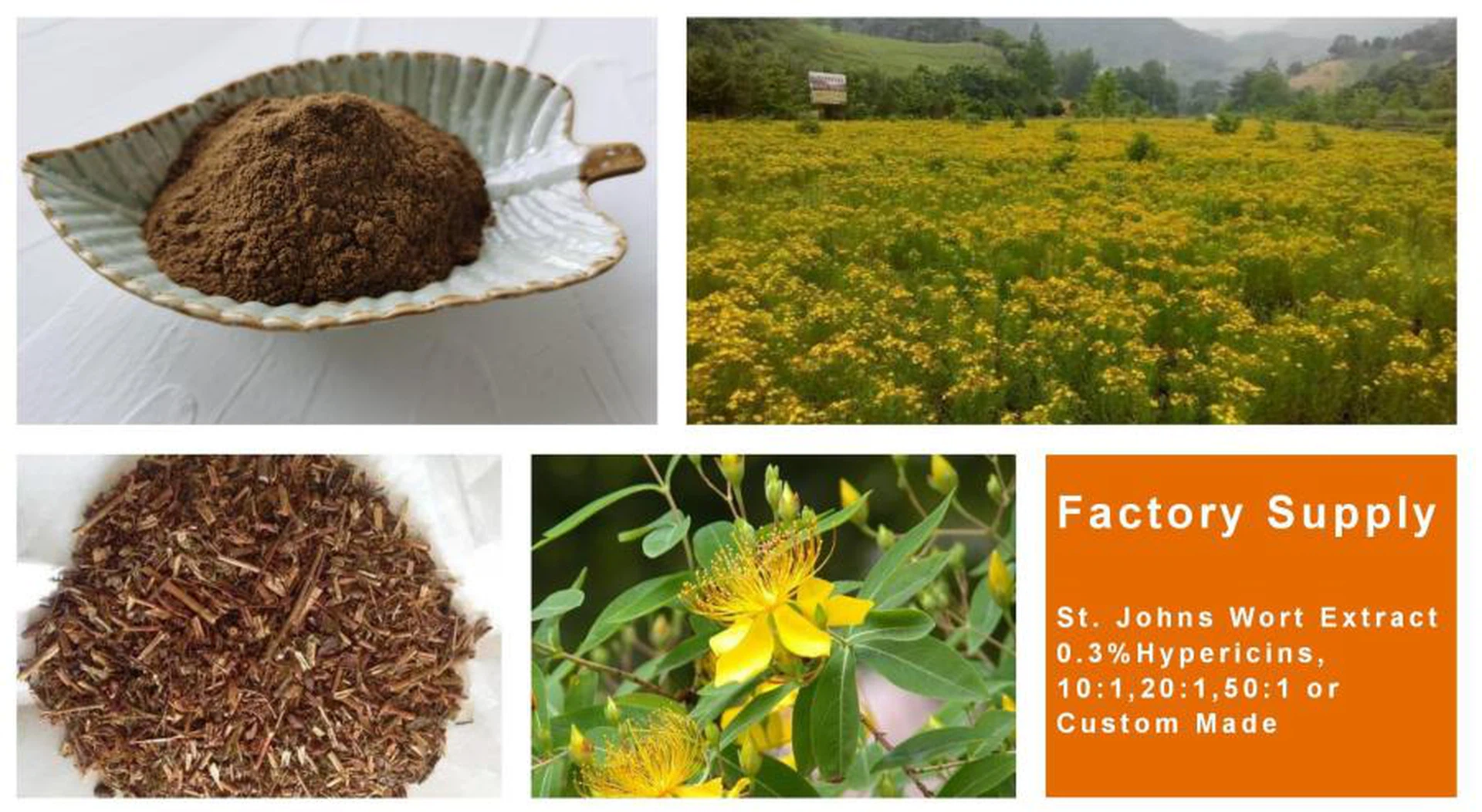
What is the recommended dosage of St. John‵s Wort Extract for depression?
Optimal dosage guidelines for therapeutic effects
The optimal dosage of St. John‵s Wort Extract for treating depression has been established through clinical trials. Most research suggests a daily intake of 900-1,200 mg of standardized St. John‵s Wort Extract, divided into three doses, provides the most beneficial therapeutic effects. These standardized extracts typically contain 0.3% hypericin or 3-5% hyperforin, considered the active compounds responsible for antidepressant properties. St. John‵s Wort Extract products vary significantly in concentration and formulation, so consumers should carefully read product labels to ensure they‵re receiving an adequate therapeutic dose. Lower doses may not provide sufficient clinical benefit, while higher doses haven‵t demonstrated additional advantages. For optimal absorption, St. John's Wort Extract is often recommended to be taken with meals. Standardization is essential for consistent results, as the concentration of active compounds can vary based on growing conditions, harvesting time, and extraction methods.
How long does it take for St. John‵s Wort Extract to work?
Clinical studies indicate that St. John‵s Wort Extract typically requires 2-6 weeks of consistent use before significant improvements in depressive symptoms become apparent. This timeframe is similar to conventional antidepressants. During the first week, some individuals report subtle improvements in sleep quality and reduced anxiety, but core depressive symptoms often take longer to respond. A review of 23 randomized controlled trials found that approximately 60% of patients experienced meaningful improvement after 4-6 weeks of regular supplementation. Patience is essential during this initial period, as premature discontinuation may prevent individuals from experiencing the full benefits. Some studies suggest that continuing treatment for at least 6 months after symptom improvement helps prevent relapse, similar to conventional antidepressant protocols. Keeping a mood journal can help track progress and identify gradual improvements during St. John‵s Wort Extract treatment.
Potential interactions and precautions with St. John‵s Wort Extract
Despite its natural origin, St. John‵s Wort Extract requires careful consideration regarding interactions. The extract induces cytochrome P450 enzymes in the liver, which metabolize many medications. This enzyme induction can reduce the effectiveness of numerous prescription drugs, including oral contraceptives, anticoagulants, immunosuppressants, and certain cancer medications. St. John‵s Wort Extract should never be combined with other antidepressants, particularly SSRIs or MAOIs, as this combination can lead to serotonin syndrome, a serious condition characterized by agitation, confusion, rapid heart rate, and elevated body temperature. Individuals with bipolar disorder should exercise caution, as St. John‵s Wort Extract may potentially trigger manic episodes. Photosensitivity is another concern, with some users reporting increased sensitivity to sunlight. Due to limited research on safety during pregnancy and lactation, women who are pregnant or breastfeeding should avoid St. John‵s Wort Extract until more definitive data becomes available.
Who should consider using St. John‵s Wort Extract for depression?
Ideal candidates for St. John‵s Wort Extract therapy
St. John‵s Wort Extract may be particularly suitable for specific populations. Individuals with mild to moderate depression show the most consistent positive responses in clinical trials. Those who have experienced intolerable side effects from conventional antidepressants often find relief with St. John‵s Wort Extract‵s gentler profile. Patients who prefer natural remedies frequently gravitate toward this botanical treatment. The extract may also benefit those with seasonal affective disorder (SAD), as some research suggests efficacy for this specific type of depression. People in the early stages of depression who wish to intervene before symptoms become severe might consider St. John‵s Wort Extract as a first-line option. Health-conscious individuals who want to address depression while minimizing chemical exposure often appreciate the plant-based nature of St. John‵s Wort Extract. However, each person‵s situation is unique, and suitability should be evaluated in the context of their complete health profile.
How to select quality St. John‵s Wort Extract products
Selecting high-quality St. John‵s Wort Extract products requires careful consideration. Standardization is paramount - look for products standardized to contain 0.3% hypericin or 3-5% hyperforin, as these concentrations have been validated in clinical research. Reputable manufacturers should provide transparent third-party testing results. The extraction method significantly impacts efficacy; ethanol extractions are generally considered superior to water-based methods for preserving active compounds. Products from companies with Good Manufacturing Practices (GMP) certification demonstrate adherence to stringent quality control standards. St. John‵s Wort Extract is susceptible to degradation, so check manufacturing dates and expiration information. The country of origin matters; plants grown in regions with strict agricultural regulations often contain fewer contaminants. Avoid products with unnecessary fillers, artificial colors, or preservatives. Considering these factors when selecting St. John‵s Wort Extract products can substantially influence treatment outcomes.
Integrating St. John‵s Wort Extract into a comprehensive treatment plan
For optimal results, St. John‵s Wort Extract should be incorporated into a multifaceted approach rather than used in isolation. Psychotherapy, particularly cognitive-behavioral therapy (CBT), has demonstrated synergistic effects when combined with St. John‵s Wort Extract, addressing both biochemical and psychological aspects of depression. Lifestyle modifications play a crucial supportive role-regular physical exercise boosts the effectiveness of antidepressant treatments, while nutritional interventions focusing on anti-inflammatory foods complement St. John‵s Wort Extract‵s mechanisms. Stress reduction techniques such as mindfulness meditation can enhance treatment outcomes. Sleep hygiene improvements are equally important, as quality sleep significantly impacts mood regulation. Regular monitoring by healthcare professionals ensures treatment efficacy and safety. Many integrative practitioners recommend keeping a mood journal when using St. John‵s Wort Extract to track symptom changes objectively. This comprehensive approach leverages multiple evidence-based strategies alongside St. John‵s Wort Extract, potentially offering more robust improvements in depressive symptoms.
Conclusion
St. John‵s Wort Extract shows promising effectiveness for treating mild to moderate depression with fewer side effects than conventional medications. Scientific evidence supports its use as a legitimate option for many individuals, particularly those experiencing mild depressive symptoms. While not suitable for everyone, especially those with severe depression or taking certain medications, properly selected and dosed St. John‵s Wort Extract can be a valuable component of a comprehensive mental health strategy when used under appropriate guidance.
High Quality St. John‵s Wort Extract

With Shaanxi LonierHerb Bio-Technology Co., Ltd., you‵re partnering with a leader in plant extract production. For over 10 years, we‵ve been offering top-quality natural products for the nutrition, pharmaceutical, and cosmetic industries. Our 1500m² GMP-certified facility ensures strict quality control, and our products are tested by accredited third-party labs. We‵re proud to serve customers in more than 40 countries. For more information, email us at info@lonierherb.com.
References
1. Linde K, Berner MM, Kriston L. St John's wort for major depression. Cochrane Database of Systematic Reviews. 2008;(4).
2. Ng QX, Venkatanarayanan N, Ho CY. Clinical use of Hypericum perforatum (St John's wort) in depression: A meta-analysis. Journal of Affective Disorders. 2017;210:211-221.
3. Apaydin EA, Maher AR, Shanman R, et al. A systematic review of St. John's wort for major depressive disorder. Systematic Reviews. 2016;5(1):148.
4. Sarris J, Fava M, Schweitzer I, Mischoulon D. St John's wort (Hypericum perforatum) versus sertraline and placebo in major depressive disorder: continuation data from a 26-week RCT. Pharmacopsychiatry. 2012;45(7):275-278.
5. Gaster B, Holroyd J. St John's wort for depression: a systematic review. Archives of Internal Medicine. 2000;160(2):152-156.
6. Kasper S, Anghelescu IG, Szegedi A, Dienel A, Kieser M. Superior efficacy of St John's wort extract WS 5570 compared to placebo in patients with major depression: a randomized, double-blind, placebo-controlled, multi-center trial. BMC Medicine. 2006;4:14.


