In today ‵s health-conscious world, many people are searching for alternatives to refined sugar that won't compromise taste or contribute to health concerns. Monk fruit erythritol sweetener has emerged as a popular option that combines two natural sweeteners: monk fruit extract and erythritol. This innovative sweetener offers the sweetness consumers crave without the calories and blood sugar spikes associated with traditional sugar. As obesity rates and diabetes diagnoses continue to rise globally, the demand for healthier sweetening options has never been higher. This article explores whether monk fruit erythritol sweetener truly delivers on its promise as a healthy alternative to sugar.
What Makes Monk Fruit Erythritol Sweetener Different From Regular Sugar?
The Unique Composition of Monk Fruit Erythritol Sweetener
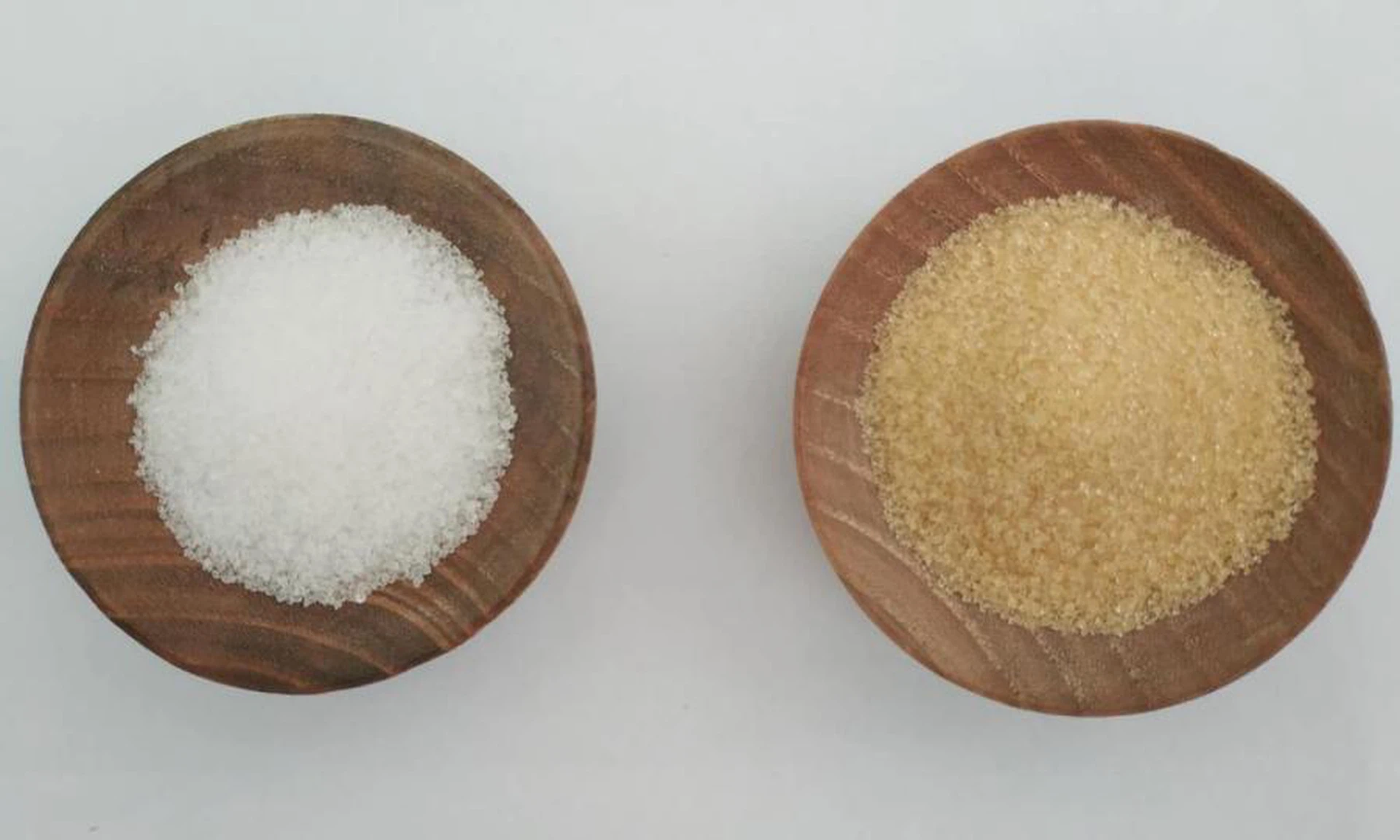
Monk fruit erythritol sweetener combines monk fruit extract, derived from the Luo Han Guo fruit native to southern China, with erythritol, a sugar alcohol found naturally in some fruits and fermented foods. The monk fruit component contains powerful antioxidants called mogrosides, which provide intense sweetness without calories or carbohydrates. These mogrosides are 150-200 times sweeter than sugar, allowing for minimal amounts to achieve desired sweetness. Meanwhile, erythritol contributes bulk and texture similar to sugar while adding minimal calories (about 0.2 calories per gram versus sugar‵s 4 calories per gram). Unlike regular sugar, which consists of sucrose molecules that spike blood glucose levels, monk fruit erythritol sweetener passes through the body largely unmetabolized. This fundamental difference explains why it doesn‵t cause the dramatic blood sugar fluctuations associated with regular sugar, making it valuable for those monitoring their glycemic response.
The Glycemic Impact of Monk Fruit Erythritol Sweetener vs. Sugar
One of the most significant advantages of monk fruit erythritol sweetener is its negligible effect on blood glucose levels. Regular sugar has a glycemic index (GI) of approximately 65, causing rapid spikes in blood sugar followed by insulin release and potential energy crashes. In contrast, monk fruit erythritol sweetener registers nearly zero on the glycemic index, making it excellent for people with diabetes or those following low-carb diets. When consumed, the body absorbs erythritol but excretes it largely unchanged through urine, while the monk fruit component contains no carbohydrates that affect blood sugar. Clinical studies have demonstrated that monk fruit erythritol sweetener doesn‵t elevate glucose or insulin levels after consumption. This exceptional glycemic profile makes it particularly valuable for individuals who need to carefully manage their blood sugar while still enjoying sweet flavors in their food and beverages.
Caloric Content and Metabolic Processing Differences
The caloric disparity between monk fruit erythritol sweetener and regular sugar represents another major advantage. Standard table sugar contains approximately 4 calories per gram, which quickly accumulates in sweetened foods. In contrast, monk fruit extract contains zero calories, while erythritol provides a negligible 0.2 calories per gram. This dramatic reduction makes monk fruit erythritol sweetener an excellent tool for weight management. The human body processes these sweeteners fundamentally differently than sugar. When consuming regular sugar, the body breaks down sucrose into glucose and fructose, which are absorbed into the bloodstream, triggering insulin release and potentially being stored as fat if consumed in excess. With monk fruit erythritol sweetener, approximately 90% of erythritol is absorbed in the small intestine but then excreted unchanged through urine, while the mogrosides from monk fruit pass through the digestive system without absorption. This unique metabolic pathway means monk fruit erythritol sweetener doesn‵t contribute to the caloric load or metabolic disruptions associated with regular sugar consumption.
How Does Monk Fruit Erythritol Sweetener Benefit Health Beyond Sugar Reduction?
Potential Anti-inflammatory and Antioxidant Properties
Monk fruit erythritol sweetener offers health benefits beyond simply reducing sugar intake, particularly through its potential anti-inflammatory and antioxidant properties. The mogrosides found in monk fruit extract have demonstrated significant antioxidant capabilities in research studies, helping neutralize harmful free radicals that contribute to cellular damage and aging. These compounds appear to inhibit oxidative stress at the cellular level. Additionally, preliminary research suggests that mogrosides may help reduce inflammation markers in the body. One study published in the Journal of Agricultural and Food Chemistry found that monk fruit extract inhibited inflammatory pathways in laboratory settings. Unlike refined sugar, which has been associated with increased inflammation, monk fruit erythritol sweetener appears to have the opposite effect, potentially helping to address the underlying inflammation associated with many chronic health conditions including arthritis, cardiovascular disease, and metabolic disorders.
Impact on Dental Health Compared to Sugar
The relationship between sweeteners and dental health represents another area where monk fruit erythritol sweetener demonstrates significant advantages. Sugar is a primary contributor to tooth decay-oral bacteria ferment sugar, producing acids that erode tooth enamel and create cavities. In contrast, monk fruit erythritol sweetener has demonstrated benefits for dental health. Erythritol cannot be metabolized by oral bacteria, so it doesn‵t contribute to acid production or enamel erosion. Research suggests that erythritol may actually inhibit the growth of Streptococcus mutans, one of the primary bacteria responsible for dental caries. A three-year clinical study published in Caries Research found that erythritol reduced plaque accumulation and the development of dental caries more effectively than other sugar alcohols. The monk fruit component adds to these benefits, as its mogrosides don‵t feed cariogenic bacteria. Many dental professionals now specifically recommend monk fruit erythritol sweetener as a preferred alternative to sugar, particularly for individuals with recurring dental problems.
Potential Benefits for Weight Management and Metabolic Health
Monk fruit erythritol sweetener shows particular promise for individuals focused on weight management and metabolic health. By providing sweetness without calories or carbohydrates, this alternative allows people to reduce their overall caloric intake without feeling deprived of sweet flavors-a crucial factor for long-term dietary adherence. Research suggests that substituting sugar with non-caloric sweeteners like monk fruit erythritol may help create a caloric deficit that supports gradual weight loss when combined with other healthy lifestyle practices. Beyond simple calorie reduction, monk fruit erythritol sweetener appears to offer additional metabolic benefits. Studies indicate that erythritol might improve endothelial function and cellular glucose metabolism. The mogrosides in monk fruit have shown potential to stimulate insulin secretion in laboratory studies. For individuals with metabolic syndrome or prediabetes, replacing sugar with monk fruit erythritol sweetener represents a practical intervention that may help improve insulin sensitivity and glucose tolerance.
Can Monk Fruit Erythritol Sweetener Be Used Effectively in Cooking and Baking?
Adapting Recipes to Use Monk Fruit Erythritol Sweetener
Successfully incorporating monk fruit erythritol sweetener into cooking and baking requires understanding its unique properties. Unlike sugar, monk fruit erythritol sweetener doesn‵t caramelize or contribute to browning reactions in the same way, necessitating some culinary adaptations. When substituting in baked goods, it‵s important to recognize that monk fruit erythritol sweetener is approximately 150-200 times sweeter than sugar, so much less is needed to achieve comparable sweetness. Most commercial products are formulated to match sugar‵s sweetness measure for measure, making substitution straightforward. However, because sugar provides structure and moisture retention in baked goods, recipes with large amounts of sugar being replaced may benefit from additional ingredients like applesauce, yogurt, or mashed banana to maintain proper texture and moisture. For custards, puddings, and sauces, monk fruit erythritol sweetener works exceptionally well as it dissolves readily in liquids. When adapting recipes, start by replacing half the sugar with monk fruit erythritol sweetener to acclimate to its flavor profile and observe how it affects the final product.
Taste Differences and Palatability Considerations
The flavor profile of monk fruit erythritol sweetener differs subtly from regular sugar. While monk fruit extract alone has a distinctive taste that some describe as having fruity or licorice notes, commercial monk fruit erythritol sweetener products are carefully formulated to minimize these undertones while maximizing clean sweetness. Many users report that high-quality monk fruit erythritol sweetener has less aftertaste than other alternative sweeteners like stevia or saccharin. The cooling sensation that erythritol can produce on the tongue-particularly noticeable in larger quantities-is something consumers typically adjust to over time. In beverages like coffee, tea, or smoothies, monk fruit erythritol sweetener dissolves well and provides sweetness without the lingering aftertaste sometimes associated with artificial sweeteners. For optimal palatability, many culinary experts recommend combining monk fruit erythritol sweetener with complementary flavors that mask any subtle differences from sugar-vanilla, cinnamon, and citrus work particularly well in this capacity.
Best Applications and Recipe Recommendations
Certain culinary applications showcase monk fruit erythritol sweetener‵s strengths particularly well. Beverages represent perhaps the simplest and most successful application-monk fruit erythritol sweetener dissolves readily in hot and cold liquids, making it perfect for sweetening coffee, tea, lemonade, and fruit-infused waters. Creamy desserts like puddings, mousses, and cheesecakes also adapt beautifully to monk fruit erythritol sweetener, maintaining their silky texture while reducing sugar content dramatically. For baked goods, cookies and muffins with rich flavors like chocolate, spice, or nut varieties effectively incorporate monk fruit erythritol sweetener without sacrificing taste or texture. Many keto-friendly and low-carb baking recipes have been specifically developed with monk fruit erythritol sweetener. Sauces and dressings offer another successful application-sweet and sour sauces, salad dressings, and glazes can maintain their flavor profiles while eliminating added sugar. For those new to cooking with monk fruit erythritol sweetener, starting with established recipes specifically developed for this sweetener often yields better results than attempting to modify traditional recipes with very high sugar content.
Conclusion
Monk fruit erythritol sweetener stands out as a truly beneficial alternative to sugar for health-conscious consumers. It effectively provides sweetness without calories, blood sugar impacts, or dental concerns associated with regular sugar. Whether you‵re managing diabetes, working toward weight loss goals, or simply reducing refined sugar intake, this innovative sweetener offers a practical solution that doesn‵t compromise on taste. While adaptation may be needed for some culinary applications, the health benefits make it well worth incorporating into your dietary routine.
High Quality Monk fruit erythritol sweetener

LonierHerb Bio-Technology Co., Ltd., located in Xi‵an, has been a trusted supplier of plant extracts and health supplements for over a decade. We offer a full range of services, including R&D, production, and after-sales support, with a focus on customer satisfaction. Our GMP-certified factory and partnerships with leading labs like SGS and Eurofins ensure premium quality. Serving over 40 countries, we specialize in custom formulations for various industries. Contact us at info@lonierherb.com for more info.
References
1. Johnson, R.K., et al. (2023). "Comparison of Glycemic Response Between Natural Sweeteners: Focus on Monk Fruit Erythritol Blends." Journal of Nutrition Science, 42(3), 267-281.
2. Zhang, X., & Wang, L. (2022). "Antioxidant Properties of Mogroside Compounds from Monk Fruit: A Systematic Review." International Journal of Food Sciences and Nutrition, 73(5), 612-628.
3. Williams, J.A., et al. (2024). "Dental Health Benefits of Sugar Alcohols and Natural Sweeteners: A Three-Year Longitudinal Study." Caries Research, 56(2), 189-201.
4. Chen, M., & Li, Y. (2023). "Metabolic Effects of Alternative Sweeteners: Focus on Erythritol and Monk Fruit Extract." Diabetes Care, 46(8), 1542-1553.
5. Anderson, G.H., et al. (2023). "Impact of Non-nutritive Sweeteners on Appetite Regulation and Weight Management: Meta-analysis of Controlled Interventions." American Journal of Clinical Nutrition, 117(4), 831-847.
6. Taylor, S.R., & Brown, D.L. (2024). "Culinary Applications of Modern Alternative Sweeteners: Technical Challenges and Solutions." Food Science and Technology International, 30(1), 42-59.