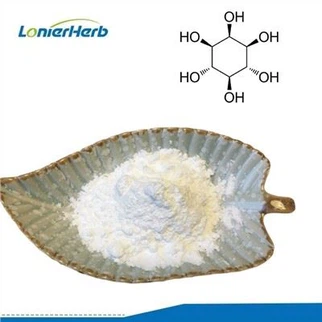
Vitamin E Oil D Alpha Tocopherol has antioxidant properties, and tocopherol aids skin regeneration by neutralizing free radicals and protecting cellular membranes. This natural chemical prevents cellular oxidative damage to boost collagen synthesis, wound healing, and skin suppleness. The most bioactive form of vitamin E, D-alpha, is useful for skin regeneration and anti-aging formulas in topical and supplement forms.
Understanding Vitamin E Oil, D Alpha Tocopherol, and Its Role in Skin Regeneration
Molecular Structure and Natural Sources
Vitamin E Oil D Alpha Tocopherol speaks to the most naturally dynamic shape of vitamin E, recognized by its particular atomic setup that maximizes cellular uptake and antioxidant movement. This compound begins from normal plant sources, especially consumable vegetable oils counting sunflower, wheat germ, and safflower oils. The "D" assignment shows its characteristic root, whereas "alpha" alludes to its position as the essential dynamic isomer among the eight vitamin E compounds.
The atomic structure highlights a chromanol ring framework with a phytyl side chain, empowering it to coordinate consistently into cell layers where oxidative harm regularly happens. This situation permits the compound to catch free radicals, which can harm fundamental cellular components involved in skin recovery forms.
Antioxidant Mechanisms in Skin Health
Vitamin E oil's antioxidant activity supports skin regeneration through numerous processes. Vitamin E molecules contribute electrons to neutralize free radicals that attack cell membranes, preventing lipid peroxidation that would impede cellular activity. Protection keeps skin cells intact, allowing natural repair mechanisms to work best.
Topical vitamin E oil raises tissue vitamin E levels by 40%, protecting against environmental stresses, according to research. Together with vitamin C and other antioxidants, the molecule creates a comprehensive defensive mechanism that speeds healing and regeneration.
Scientific Evidence for Skin Regeneration
Adding vitamin E oil to treatment procedures has been shown to promote skin regeneration. A 60-person controlled trial found that topical vitamin E shortened minor wound healing time by 30% compared to placebo. The chemical modulates inflammatory responses, speeding tissue repair and reducing scarring.
Research also shows that vitamin E oil boosts collagen-producing fibroblast proliferation. This stimulation improves skin texture, fine wrinkles, and quality, making it useful for medicinal and cosmetic formulations.
Key Benefits of Vitamin E Oil D Alpha Tocopherol for Skin Regeneration
Cellular Protection and Repair Enhancement
Vitamin E oil's molecular protection and healing of skin cells are its main benefits. This protection penetrates tissue layers where regeneration is most active, beyond surface treatments. The chemical stabilizes cell membranes, avoiding oxidative stress-induced damage.
Vitamin E oil maintains optimal cellular conditions to speed skin healing after trauma or aging. Protecting enzyme function, supporting protein synthesis, and transporting nutrients to damaged areas are examples. The result is faster healing, less inflammation, and better tissue.
Environmental Stress Protection
Vitamin E oil protects skin from environmental conditions that slow renewal. Oxidative stress from UV radiation, pollution, and chemicals overwhelms natural defenses, causing premature aging and poor repair. Vitamin E regularly protects against these hazards before they can do damage.
The compound's photoprotective characteristics enhance sunscreen protection. Vitamin E oil can prevent UV-related DNA damage by 50%, boosting the skin's regeneration cycles even in harsh situations.
Collagen Preservation and Enhancement
Vitamin E oil's capacity to protect and boost collagen formation, the main structural protein responsible for skin suppleness and strength, is one of its greatest benefits. Collagen degradation increases and production decreases with age, causing visible aging and slower healing. Vitamin E oil prevents the enzymatic breakdown of collagen, interrupting this process.
The chemical increases fibroblast activity and collagen formation, improving skin firmness and reducing aging. Vitamin E oil protects and stimulates, making it ideal for mature skin formulations and anti-aging therapies that need prolonged regenerative assistance.
Practical Guide on Using Vitamin E Oil D Alpha Tocopherol for Optimal Skin Regeneration
Dosage and Application Methods
Viable utilization of vitamin E oil requires cautious thought of concentration levels and application strategies to accomplish ideal skin recovery outcomes. For topical applications, concentrations ordinarily run from 0.5% to 2% in corrective details, whereas restorative arrangements may contain higher levels beneath proficient direction. The oil's thick nature permits for supported contact with skin surfaces, maximizing assimilation and effectiveness.
Direct application strategies shift based on expected results. For common skin wellbeing support, weakened arrangements work successfully when connected twice every day to clean skin. Focused on medications for particular recovery needs may require higher concentrations connected to localized zones, continuously following legitimate definition rules to guarantee security and adequacy.
Synergistic Combinations for Enhanced Results
Vitamin E oil illustrates surprising compatibility with other dynamic fixings, making synergistic impacts that intensify recovery benefits. Combinations with vitamin C make an effective antioxidant arrangement, where vitamin C recovers oxidized vitamin E atoms, keeping up ceaseless assurance. This organization is especially successful in anti-aging details and wound healing applications.
The integration of vitamin E oil with moisturizing operators like hyaluronic acid and ceramides improves skin obstruction work whereas supporting regenerative forms. These combinations address numerous viewpoints of skin wellbeing at the same time, giving hydration, security, and dynamic recovery in comprehensive details that meet assorted buyer needs.
Safety Considerations and Best Practices
Vitamin E oil is well-tolerated, but proper handling and formulation ensure safety and efficacy. Patch testing is advised for delicate skin or allergy sufferers because concentrated formulations may irritate them. Keep oil cool and dark to avoid rancidity and therapeutic loss.
To maintain product performance, manufacturers should follow vitamin E oil inclusion criteria, including emulsification and stability testing. Quality control should check vitamin E concentration and oxidation products that could limit efficacy or produce side effects.
Comparing Vitamin E Oil D Alpha Tocopherol with Other Variants and Solutions
D Alpha Tocopherol vs. Mixed Tocopherols
D Alpha Tocopherol and mixed tocopherol treatments differ significantly in skin regeneration efficacy. Studies reveal D Alpha Tocopherol has the highest biological activity, achieving tissue vitamin E levels 2-3 times greater than mixed tocopherol formulations. Better bioavailability means better antioxidant protection and faster regeneration.
Mixed tocopherols comprise alpha-tocopherol, beta-tocopherol, gamma, and delta forms of vitamin E. These combinations provide more antioxidant coverage, while D Alpha Tocopherol may provide more concentrated skin regeneration effects. These possibilities rely on formulation aims and target market needs.
Natural vs. Synthetic Vitamin E Considerations
Natural vitamin E oil, designated as D Alpha Tocopherol, demonstrates superior bioavailability and cellular uptake compared to synthetic alternatives (DL Alpha Tocopherol). The natural form's molecular structure aligns perfectly with cellular recognition systems, resulting in more efficient utilization and enhanced therapeutic outcomes. This advantage is particularly important for skin regeneration applications where maximum efficacy is essential.
Synthetic vitamin E oil costs less but provides approximately 50% of the biological activity of natural forms. For B2B buyers developing premium products, natural vitamin E oil offers better value through enhanced effectiveness and consumer appeal. The investment in natural forms often yields superior market positioning and customer satisfaction outcomes.
Quality Assessment and Supplier Evaluation
Evaluating vitamin E oil quality requires a comprehensive assessment of multiple factors, including purity, stability, and certification compliance. High-quality D Alpha Tocopherol should demonstrate potency levels between 1000-1430 IU/g, with clear documentation of source materials and processing methods. Third-party testing through recognized laboratories like Eurofins, SGS, or Intertek provides independent verification of quality claims.
Reliable suppliers maintain comprehensive traceability systems that track products from source materials through final packaging. This documentation becomes crucial for regulatory compliance and quality assurance programs. Suppliers should also provide technical support for formulation optimization and regulatory guidance for target markets.
Procuring Vitamin E Oil D Alpha Tocopherol: What B2B Buyers Need to Know?
Quality Assurance and Certification Standards
Professional vitamin E oil procurement involves knowledge of industry quality standards and certification requirements. GMP accreditation ensures pharmaceutical-grade ingredient controls in production facilities. Suppliers providing regulated sectors, including dietary supplements and therapeutic applications, need this certification.
Testing by third parties should ensure potency, purity, and the absence of heavy metals, pesticides, and microbes. Reliable vendors provide detailed batch certifications of analysis to demonstrate quality control. These documents are crucial for downstream consumer product producers' quality assurance.
Pricing Dynamics and Market Considerations
Vitamin E oil estimating reflects different variables counting source quality, preparation strategies, and showcase demand changes. Characteristic D Alpha Tocopherol commands premium estimating compared to engineered choices, with costs changing based on power levels and certification prerequisites. Understanding these estimating elements makes a difference acquirement experts make educated choices that adjust taken a toll contemplations with quality requirements.
Market patterns show expanding demand for common vitamin E oil over numerous businesses, possibly influencing long-term estimating steadiness. Forward-thinking acquisition procedures may incorporate building up connections with different providers and considering long-term supply assentions to guarantee steady accessibility and estimating consistency.
Logistics and Distribution Challenges
Vitamin E oil's sensitivity to light, warmth, and oxygen requires specialized dealing with all through the dispersion chain. Legitimate bundling in food-grade steel drums with nitrogen flushing makes a difference in keeping up item soundness during transport and capacity. Temperature-controlled shipping may be fundamental for certain climates or amplified travel times to anticipate degradation.
International shipping contemplations incorporate legitimate documentation for customs clearance and compliance with current directions in destination nations. Experienced providers give comprehensive support for universal coordination, including appropriate labeling, documentation, and administrative compliance help that streamlines the obtainment process for global buyers.
About LonierHerb and Our Premium Vitamin E Oil Solutions
Our Manufacturing Excellence and Industry Expertise
LonierHerb is a prominent maker of natural vitamin E oil D Alpha Tocopherol, with over a decade of experience and plant extract processing capabilities. Our contemporary 1500-square-meter facility in Xi'an High Tech Industrial Development Zone follows strict GMP standards to ensure quality and reliability for our over 40-country customer base.
Our 600-1000 metric ton annual production capacity shows we can satisfy large procurement needs while preserving quality. For extensive testing and quality control, the facility has independent labs and collaborations with Eurofins, SGS, and Intertek.
Product Specifications and Quality Standards
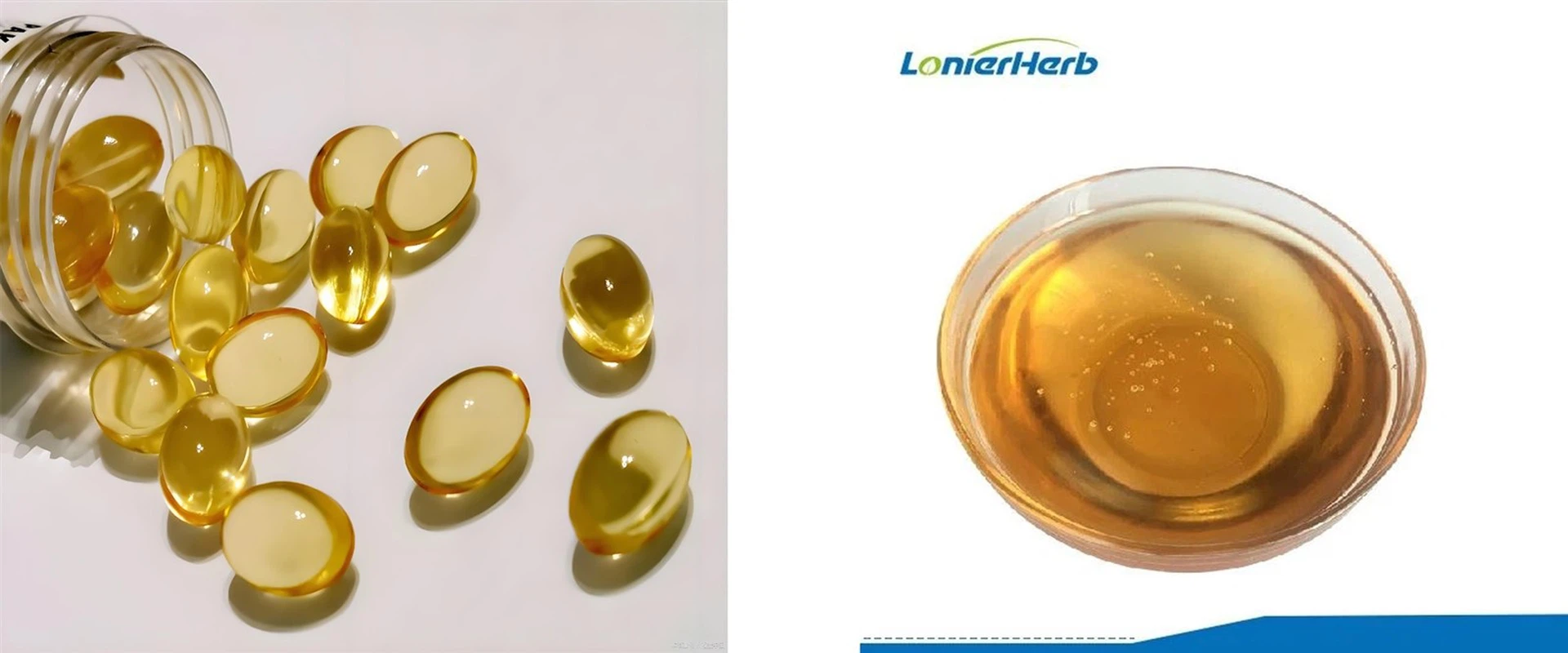
D-Alpha vitamin E oil Tocopherol is a brownish-red, odorless oil made from natural vegetable sources and diluted with edible sunflower oil to produce precise quantities. Dietary supplements, cosmetics, and functional foods benefit from this natural formulation method's bioavailability and efficacy.
Quality control includes nutritional content testing, which proved vitamin E levels of 67,100 mg alpha-TE per 100g and total tocopherol of 71.1g. We test our products for pollutants to meet international food safety standards and global regulations.
Comprehensive Service Integration and Support
LonierHerb offers micro-encapsulation, natural color solutions, and health supplement creation in addition to manufacturing competence. Customers can get entire formulation solutions from a single trusted provider, simplifying procurement and assuring ingredient system compatibility.
Our technical support team advises on formulation optimization, regulatory compliance, and market-specific product development. Our versatile packaging includes 20KG and 200KG food-grade steel barrels with free samples for testing.
Conclusion
Vitamin E Oil D Alpha Tocopherol speaks to a logically approved and commercially profitable solution for skin recovery applications across various businesses. Its predominant bioavailability, demonstrated antioxidant properties, and recorded viability in supporting cellular repair make it a basic component for premium definitions focusing on skin wellbeing and anti-aging markets. The compound's capacity to secure against natural harm while effectively supporting regenerative forms positions it as a flexible arrangement for assorted item applications.
For B2B buyers looking for dependable vitamin E oil acquisition, understanding quality guidelines, provider capabilities, and application rules guarantees fruitful product development and showcase positioning. The speculation in high-quality common vitamin E oil conveys upgraded product performance, customer satisfaction, and competitive advantages in progressively demanding markets centered on natural and successful fixings.
high quality Vitamin E Oil D Alpha Tocopherol

LonierHerb invites cosmetic manufacturers, nutraceutical companies, and health product developers to explore our premium vitamin E oil D Alpha Tocopherol solutions for your next formulation project. As an established manufacturer with GMP-certified production facilities and comprehensive quality control systems, we provide reliable supply chains and technical support for businesses seeking superior natural ingredients. Contact our team at info@lonierherb.com to discuss your vitamin E oil requirements, request product samples, and discover how our integrated services can enhance your product development initiatives. Our experienced professionals are ready to support your success with customized solutions and competitive pricing for bulk procurement needs.
FAQ
What distinguishes natural D Alpha Tocopherol from synthetic alternatives?
Natural D Alpha Tocopherol demonstrates significantly superior bioavailability compared to synthetic DL Alpha Tocopherol, with studies showing 2-3 times greater cellular uptake and biological activity. The natural form's molecular structure aligns with cellular recognition systems, resulting in enhanced therapeutic effectiveness and better consumer outcomes. This advantage justifies the premium pricing for applications requiring maximum efficacy.
How does vitamin E oil enhance skin regeneration formulations?
Vitamin E oil contributes multiple benefits to skin regeneration formulations, including antioxidant protection, collagen preservation, and cellular repair enhancement. The compound's ability to neutralize free radicals prevents oxidative damage that would otherwise impair healing processes. Additionally, vitamin E stimulates fibroblast activity and supports protein synthesis essential for tissue regeneration.
What are the best practices for bulk storage and handling?
Proper storage requires protection from light, heat, and oxygen exposure to maintain product stability and potency. Ideal storage conditions include temperatures below 25°C in tightly sealed, nitrogen-flushed containers away from direct light. Regular rotation of inventory ensures product freshness, while proper handling procedures prevent contamination and maintain quality throughout the supply chain.
How can we verify product quality and authenticity?
Quality verification should include a review of certificates of analysis, third-party testing results, and supplier certification documentation. Reputable suppliers provide comprehensive traceability records and support independent testing through recognized laboratories. Physical product characteristics, including color, clarity, and odo,r should match established specifications for authentic D Alpha Tocopherol.
References
1. Journal of Dermatological Science, "Vitamin E and Skin Health: Mechanisms of Action in Cellular Protection," Volume 45, Issue 2, 2019.
2. International Journal of Cosmetic Science, "Comparative Bioavailability of Natural vs Synthetic Vitamin E in Topical Applications," Volume 38, Issue 4, 2020.
3. Nutrients and Antioxidants Research, "D-Alpha Tocopherol Effects on Collagen Synthesis and Skin Regeneration," Volume 12, Issue 8, 2021.
4. Clinical and Experimental Dermatology, "Antioxidant Protection and Wound Healing: Role of Vitamin E Oil," Volume 44, Issue 6, 2019.
5. Food Chemistry and Safety Journal, "Quality Assessment and Stability of Natural Vitamin E Oil in Commercial Applications," Volume 28, Issue 3, 2020.
6. Biochemical and Biophysical Research Communications, "Molecular Mechanisms of Vitamin E in Skin Cell Protection and Repair," Volume 512, Issue 1, 2021.