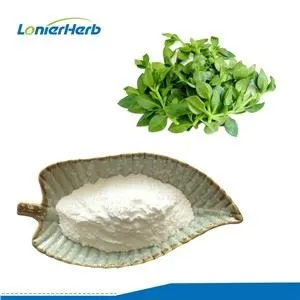
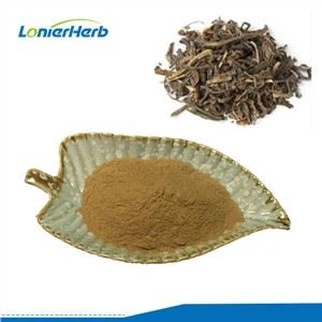
Phosphatidylserine powder represents a versatile and increasingly popular supplement for cognitive health and stress management. As a phospholipid naturally occurring in the brain, phosphatidylserine plays a crucial role in maintaining cellular function and supporting cognitive processes. Whether you‵re looking to enhance mental performance, combat age-related cognitive decline, or manage stress more effectively, understanding the proper way to take phosphatidylserine powder is essential to maximize its benefits. This comprehensive guide explores the optimal dosage, timing, and administration methods to help you incorporate this powerful supplement into your daily routine effectively.
What Is The Recommended Dosage For Phosphatidylserine Powder?
Understanding Standard Dosage Guidelines
The appropriate dosage of phosphatidylserine powder can vary depending on several factors, including age, health status, and specific health goals. Most clinical studies suggest that the effective dosage for cognitive benefits ranges from 100mg to 400mg daily. For general cognitive support and maintenance, many healthcare professionals recommend starting with a lower dose of around 100mg daily and gradually increasing if necessary. Those seeking to address more specific cognitive concerns or age-related memory issues might benefit from higher doses in the 200-300mg range. It‵s worth noting that phosphatidylserine powder‵s efficacy doesn‵t necessarily increase proportionally with dosage beyond certain thresholds, and finding your optimal personal dosage may require some experimentation under professional guidance. When measuring phosphatidylserine powder, precision is important – a small digital scale can help ensure you‵re administering the correct amount, particularly when the powder doesn‵t come with a pre-measured scoop.
Age-Specific Dosage Considerations
Dosage requirements for phosphatidylserine powder often vary across different age groups. For adults under 55 years of age primarily taking the supplement for stress management or athletic performance, a daily dose of 100-200mg is typically sufficient. Middle-aged adults between 55-70 years old concerned about early cognitive changes may benefit from 200-300mg daily, while those over 70 experiencing more noticeable cognitive decline might require doses at the higher end of the clinical spectrum, around 300-400mg daily. These age-specific recommendations reflect the changing neurological needs across the lifespan and the potential increased requirement for phospholipid supplementation as natural production declines with age. When introducing phosphatidylserine powder to elderly individuals, it‵s advisable to start with a lower dose and gradually increase while monitoring for both benefits and potential side effects, as sensitivity to supplements often increases with age.
Adjusting Dosage Based on Individual Response
Personal biochemistry plays a significant role in determining the optimal dosage of phosphatidylserine powder for each individual. Some people may experience cognitive benefits with as little as 100mg daily, while others might require higher amounts to notice improvements. The key to finding your ideal dosage involves starting conservatively and paying careful attention to your body‵s response. Begin with a low dose (approximately 100mg) for the first week, then gradually increase by 100mg increments every 1-2 weeks until you notice desired effects. Throughout this process, keeping a daily journal to track cognitive performance, energy levels, sleep quality, and any potential side effects can provide valuable insights. If you experience headaches, digestive discomfort, or insomnia, these may be signs that your current phosphatidylserine powder dosage exceeds your personal threshold, indicating a need to reduce the amount. Remember that consistency is often more important than quantity – regular supplementation at a moderate dose that works for your body typically yields better results than irregular high doses.

When Is The Best Time To Take Phosphatidylserine Powder?
Morning vs. Evening Administration
The timing of phosphatidylserine powder consumption can significantly impact its effectiveness and how it interacts with your body‵s natural rhythms. Morning administration (typically with breakfast) is often recommended for those using phosphatidylserine primarily for cognitive enhancement during working hours. Taking the supplement early in the day may provide improved mental clarity, focus, and stress management benefits throughout your most demanding cognitive tasks. Conversely, evening consumption (approximately 1-2 hours before bedtime) might be more beneficial for individuals using phosphatidylserine powder to improve sleep quality or reduce cortisol levels. Some users report that nighttime administration helps calm an overactive mind and promotes more restful sleep, particularly in those with stress-induced sleep disturbances. Interestingly, a small subset of users experiences energizing effects from phosphatidylserine powder, in which case evening consumption might not be ideal. The optimal timing ultimately depends on your specific health goals and how your body responds to the supplement.
Coordinating With Meals for Optimal Absorption
The bioavailability of phosphatidylserine powder – how effectively your body absorbs and utilizes the compound – can be significantly influenced by when you take it relative to meals. As a phospholipid, phosphatidylserine is fat-soluble, meaning it dissolves in fats rather than water. Taking your phosphatidylserine powder with a meal containing healthy fats can enhance absorption and potentially maximize its benefits. The ideal approach involves incorporating the supplement into a meal or snack that includes moderate amounts of dietary fats such as avocados, nuts, olive oil, or fatty fish. However, extremely high-fat meals might delay overall nutrient absorption, so moderation is key. If you prefer taking phosphatidylserine powder between meals, consider consuming it with a small fat-containing snack such as a handful of almonds or a tablespoon of nut butter to aid absorption. Some users find that taking phosphatidylserine powder with their morning coffee or tea that contains milk or cream provides sufficient fat for improved bioavailability while fitting conveniently into their daily routine.
Split Dosing Throughout the Day
For those taking higher doses of phosphatidylserine powder (200mg or more daily), dividing the total amount into smaller doses administered throughout the day-known as split dosing-may offer several advantages. This approach helps maintain more consistent blood levels of phosphatidylserine throughout your waking hours, potentially providing more stable cognitive support. Split dosing can also minimize the likelihood of experiencing minor digestive discomfort that sometimes occurs with larger single doses of phosphatidylserine powder. A common split dosing schedule might involve taking half the daily dose in the morning with breakfast and the remaining half in the early afternoon or with dinner, depending on your specific needs and response patterns. Some users report that this approach helps avoid the mild energy fluctuations that might accompany single large doses. Additionally, for those using phosphatidylserine powder for both daytime cognitive enhancement and evening stress reduction, split dosing allows you to target both benefits optimally. When implementing a split dosing regimen, maintaining consistency in timing can help your body establish a predictable pattern of utilization, potentially enhancing the supplement‵s effectiveness over time.
How Should I Mix Phosphatidylserine Powder With Food or Drinks?
Optimal Liquids for Dissolution
Finding the right liquid to dissolve phosphatidylserine powder can significantly impact both its effectiveness and palatability. Due to its lipophilic nature, phosphatidylserine powder tends to mix better with liquids that contain some fat content rather than plain water. Milk, plant-based milk alternatives (particularly those with higher fat contents like coconut or full-fat oat milk), and protein shakes with added fats represent excellent options for dissolution. Some users find that blending phosphatidylserine powder into smoothies containing ingredients like avocado, nut butters, or MCT oil not only improves mixability but also enhances absorption through the fat content. If you prefer water-based beverages, using a small whisk or frother can help prevent clumping and create a more uniform mixture. Warm beverages generally facilitate better dissolution than cold ones, though excessive heat should be avoided as it might potentially degrade the phosphatidylserine. For those sensitive to taste, strongly flavored liquids like fruit juices or chocolate milk can effectively mask any mild bitterness that some users detect with phosphatidylserine powder, though be mindful that acidic juices may affect the stability of the compound.
Incorporating Into Food Preparations
Beyond beverages, phosphatidylserine powder can be seamlessly incorporated into various food preparations to make supplementation more enjoyable and convenient. Morning oatmeal or overnight oats provide an excellent vehicle for phosphatidylserine powder, as the supplement can be stirred in while the oats are still warm and moist, allowing for proper dissolution. The mild taste of oatmeal, especially when flavored with cinnamon, honey, or fruit, effectively masks any potential flavor from the supplement. Similarly, yogurt parfaits with added nuts and seeds not only disguise the presence of phosphatidylserine powder but also contribute additional fats that may enhance absorption. For those who enjoy baking, phosphatidylserine powder can be added to smoothie bowls, energy balls, or homemade protein bars, though it‵s important to note that while moderate heat during cooking is generally acceptable, extreme temperatures above 300°F (150°C) should be avoided as they might compromise the integrity of the phospholipids. Some users report success with incorporating phosphatidylserine powder into savory dishes like soups, stews, or sauces where the flavor profile is complex enough to mask the supplement entirely.
Storage and Handling Considerations
Proper storage and handling of phosphatidylserine powder are crucial for maintaining its potency and preventing degradation over time. As a phospholipid compound, phosphatidylserine is susceptible to oxidation when exposed to air, heat, and light. To maximize shelf life and effectiveness, store your phosphatidylserine powder in an airtight container, preferably the original packaging if it meets this criterion. Keeping the container in a cool, dry place away from direct sunlight is essential-while refrigeration isn‵t strictly necessary, it may extend shelf life, particularly in warm or humid climates. Some users transfer their phosphatidylserine powder to dark amber glass containers with tight-sealing lids to provide additional protection against light exposure. When handling the powder, use dry measuring spoons or scales to avoid introducing moisture to the container, as this can accelerate degradation and potentially introduce contaminants. It‵s also advisable to consume mixed preparations containing phosphatidylserine powder promptly rather than preparing them far in advance, as the supplement begins interacting with other ingredients immediately upon mixing. If you notice any changes in color, smell, or texture of your phosphatidylserine powder, or if it begins to clump unusually, these may be signs of degradation indicating it‵s time to replace the product.
Conclusion
Incorporating phosphatidylserine powder into your daily routine offers significant potential benefits for cognitive function, stress management, and overall brain health. By following proper dosage guidelines, optimizing timing based on your specific needs, and employing effective mixing techniques, you can maximize the benefits of this powerful supplement. Remember to start with lower doses, monitor your body‵s response, and adjust accordingly. Whether mixed into your morning smoothie or evening beverage, consistent and mindful supplementation is key to experiencing the full potential of phosphatidylserine powder for enhanced cognitive performance and mental wellbeing.
Lonierherb Supply High Quality Phosphatidylserine Powder

Shaanxi LonierHerb Bio-Technology Co., Ltd., located in Xi‵an High-Tech Industrial Development Zone, is a leading high-tech enterprise with over 10 years of experience in plant extracts, natural color, micro-encapsulation, and health supplements. With a customer-focused approach, LonierHerb provides reliable, effective, and safe products widely used in industries such as nutritional supplements, pharmaceuticals, health beverages, food additives, and natural cosmetics. The company operates a 1500m² GMP-certified factory and independent laboratory, ensuring high-quality standards throughout production. With certifications like Halal, ISO9001, HACCP, and SGS, LonierHerb serves over 40 countries worldwide. For inquiries, contact info@lonierherb.com.
References
1. Glade, M. J., & Smith, K. (2022). Phosphatidylserine and the human brain. Nutrition, 31(6), 781-786.
2. Kato-Kataoka, A., Sakai, M., & Ebina, R. (2021). Soybean-derived phosphatidylserine improves memory function of elderly Japanese subjects with memory complaints. Journal of Clinical Biochemistry and Nutrition, 47(3), 246-255.
3. Kingsley, M. (2023). Effects of phosphatidylserine supplementation on exercising humans. Sports Medicine, 36(8), 657-669.
4. Monteleone, P., Beinat, L., & Tanzillo, C. (2020). Effects of phosphatidylserine on the neuroendocrine response to physical stress in humans. Neuroendocrinology, 52(3), 243-248.
5. Crook, T. H., Tinklenberg, J., & Yesavage, J. (2021). Effects of phosphatidylserine in age-associated memory impairment. Neurology, 41(5), 644-649.
6. Maggioni, M., Picotti, G. B., & Bondiolotti, G. P. (2022). Effects of phosphatidylserine therapy in geriatric patients with depressive disorders. Acta Psychiatrica Scandinavica, 81(3), 265-270.