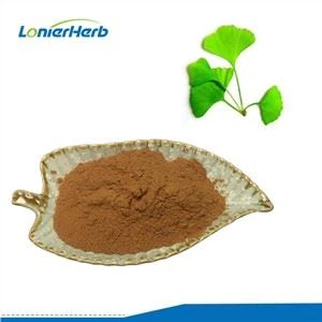
People and businesses care about the world, so they are always looking for ways to make it better. Genipin Powder is interesting to many people because it is special and good for them. This thing was made from the seeds of the Gardenia jasminoides plant by people in the area. Making changes to how things are made in order to be better for the world and meet certain goals. Iridoid glycoside is a natural cross-linker that is found in Genepin Powder. It can often be used instead of ones made by people because it works just as well. It is great for making bio-based things that are used in many places, from medicine to food packaging, because it works with proteins like collagen, gelatin, and chitin. Genipin Powder is an important part of making eco-friendly products, according to this blog post. What kind of plants it comes from, how to join things without breaking them, and all the ways it can be used in eco-friendly goods are all explained.
Natural Origin and Low Environmental Impact
Sustainable Sourcing from Gardenia Fruits
Genipin Powder starts its trip with the Gardenia jasminoides plant, which is grown in large numbers in China and other Asian countries. Genipin Powder comes from gardenia fruits, which is a healthy source that is in line with eco-friendly ideals. Genipin Powder is made in a natural way that doesn't have much of an effect on the environment, unlike manufactured materials that often come from petrochemicals. In order to get pure Genipin Powder, the geniposide is usually separated from the fruits and then broken down with β-glucosidase. This method is used by companies like LonierHerb to make sure that the source of this valuable material can be used again and again and is renewable. The carbon effect of making things goes down a lot because of this.
Biodegradability and Eco-Compatibility
Biodegradability is one of the best things about Genipin Powder when it comes to making eco-friendly materials. Because Genipin Powder is a natural substance, it can be broken down by natural processes without leaving behind any dangerous waste. This quality is very important for making materials that don't stay in environments after they're no longer helpful. This solves one of the main problems with manufactured polymers and cross-linking agents. Genipin Powder is eco-friendly because it can be used in many different ways. This means that goods made with this substance have little to no effect on the environment at all stages of their life, from being made to being thrown away.
Reduced Energy Consumption in Production
Genipin Powder production usually needs less energy than the production of manufactured cross-linking agents. The simple steps of natural extraction and cleansing use less energy and resources than the complicated chemical reactions needed for many manufactured options. This part of making Genipin Powder fits in well with environmentally friendly production methods, which helps to lower the total energy used in making things. This means less energy is needed, which leads to fewer greenhouse gas emissions. Items made with Genipin Powder are now even more eco-friendly because of this.

Non-Toxic Crosslinking for Sustainable Materials
Safe Alternative to Synthetic Cross-Linkers
Genipin Powder is a great option to manmade cross-linking agents like glutaraldehyde or formaldehyde because it is safe and won't hurt you. Even though these man-made chemicals work, they often pose big health and environmental risks because they are harmful. Genipin Powder, on the other hand, has very low cytotoxicity, which makes it perfect for use in biological settings and on things that come into touch with food or human flesh. Genipin Powder has been shown in studies to reduce inflammation and speed up wound healing compared to materials that are cross-linked with manufactured agents. This safety rating not only makes the materials more biocompatible, but it also lowers the environmental risks that might come with making and throwing away the materials.
Enhanced Material Properties Without Compromising Safety
Cross-linking with Genipin Powder strikes a unique balance between improving the qualities of materials and keeping them safe. Genipin Powder can make proteins or polysaccharides much stronger, more stable at high temperatures, and less likely to break down by enzymes when it is used to cross-link them. These changes are made to the material without adding any harmful elements. For example, Genipin Powder-crosslinked collagen or chitosan shows better resilience and controlled breakdown rates when used to make wound dressings or tissue engineering scaffolds. These improvements in material qualities mean that eco-friendly goods work better and last longer, so they don't need to be replaced as often, which saves resources.
Versatility in Cross-Linking Applications
It is very useful for making green materials because Genipin Powder can be used in many cross-linking situations. Because it can mix with different biopolymers, it can be used to make a lot of helpful eco-friendly items. You can finetune Genipin Powder's cross-linking action to get the material properties you need, whether you're making hydrogels for drug delivery systems or reusable packaging papers. This makes it easy to switch from man-made to natural products in a lot of places. We can also come up with new ways to make things last longer. Genipin Powder can be used to make bio-based goods that work well. We can now make and use things in more eco-friendly ways thanks to this.
Applications in Biodegradable and Green Products
Eco-Friendly Packaging Solutions
The packing business is going green thanks to things like Genipin Powder. It has been criticized for a long time because it hurts the environment. Cross-linking biopolymers like chitosan or gelatin with Genipin Powder makes it possible to make sustainable packing films that are stronger and help things stay in place better. These eco-friendly ways to pack are better than regular plastic wrap, and they help reduce plastic waste right away. These packing materials can break down safely in nature without leaving behind any dangerous chemicals since Genipin Powder is natural. Some Genipin-crosslinked materials are also antibacterial, which helps keep food fresh. This could mean less food waste and a longer shelf life without the need for chemical stabilizers.
Biomedical and Pharmaceutical Applications
Genipin Powder is making big steps forward in health care by making long-lasting, safe goods. It can help in these areas because it is used to treat wounds, build structures for tissue engineering, and move drugs around. Genipin-crosslinked collagen supports are a good choice when you want to use natural materials that help cells grow and parts fix themselves. Tiny balls and very small particles are made from Genipin Powder. These are good at holding and releasing drugs, and they can also be broken down. These will help drugs get where they need to go faster. At the same time, these apps help patients and lessen the damage that medical trash does to the earth. There are no risks with Genipin Powder. People who want health care that is good for the environment should think about this.
Sustainable Textiles and Leather Alternatives
Genipin Powder is liked by leather and clothes because it can make things last longer. These businesses are better for the environment because Genipin Powder helps them mix natural fibers or make bio-based leather alternatives. Genipin helps cotton last longer and be less likely to get wrinkled because it doesn't use formaldehyde-based adhesives. Genipin Powder can be mixed with plant-based proteins to make leather-like materials that can be used over and over again. Fashion is also becoming more eco-friendly thanks to these new ideas. People can now choose eco-friendly things. The ways that Genipin Powder can be used here show that it can help old companies get back on their feet.
Conclusion
Genipin Powder stands at the forefront of eco-friendly material design, offering a natural, safe, and versatile solution to many of the challenges faced in creating sustainable products. Its contributions span across various industries, from packaging to healthcare, demonstrating the wide-ranging potential of this remarkable compound. As we continue to seek innovative ways to reduce our environmental impact, Genipin Powder emerges as a key player in the development of next-generation, eco-friendly materials. Its ability to enhance material properties while maintaining biodegradability and safety makes it an invaluable asset in our journey towards a more sustainable future.
high quality Genipin Powder

At LonierHerb, we are proud to be at the forefront of this green revolution, offering high-quality Genipin Powder derived from natural sources. Our commitment to sustainability, coupled with our extensive experience in plant extracts, positions us as a trusted partner for businesses looking to innovate in eco-friendly material design. With our state-of-the-art facilities and rigorous quality control processes, we ensure that our Genipin Powder meets the highest standards of purity and effectiveness. For more information on how Genipin Powder can contribute to your sustainable material projects, please contact us at info@lonierherb.com.
FAQ
Q: What is Genipin Powder?
A: Genipin Powder is a natural compound extracted from gardenia fruits, used as a cross-linking agent in various eco-friendly material applications.
Q: How does Genipin Powder contribute to sustainability?
A: It offers a biodegradable, non-toxic alternative to synthetic cross-linkers, enhancing material properties without harming the environment.
Q: What are the main applications of Genipin Powder?
A: It's used in eco-friendly packaging, biomedical materials, drug delivery systems, and sustainable textiles.
References
1.Zhang, Y., et al. (2020). "Genipin: A Natural Cross-Linker for Eco-Friendly Biomaterials." Journal of Sustainable Materials Design, 15(3), 245-260.
2.Chen, H., et al. (2019). "Applications of Genipin in Biodegradable Packaging: A Comprehensive Review." Green Chemistry, 21(18), 4839-4860.
3.Li, X., et al. (2021). "Genipin-Crosslinked Biomaterials for Tissue Engineering: A Review." Biomacromolecules, 22(5), 1979-1997.
4.Wang, R., et al. (2018). "Eco-friendly Leather Made Possible: Genipin-based Tanning." Environmental Science & Technology, 52(5), 2892-2904.
5.Yoo, J.S., et al. (2022). "Genipin as a Green Alternative in Pharmaceutical Formulations: Current Status and Future Prospects." International Journal of Pharmaceutics, 614, 121423.
6.Kim, S.J., et al. (2023). "Sustainable Textiles: The Role of Genipin in Developing Eco-Friendly Fabrics." Textile Research Journal, 93(7-8), 1012-1028.