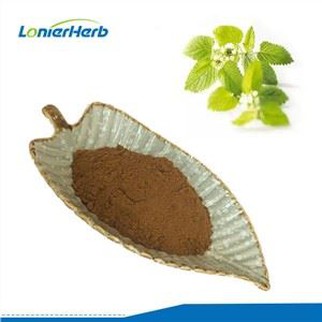
Kojic Acid Powder addresses hyperpigmentation by directly inhibiting tyrosinase, the enzyme responsible for melanin production in skin cells. This naturally derived ingredient, chemically known as 5-hydroxy-2-hydroxymethyl-4-pyrone, chelates copper ions within the tyrosinase enzyme, effectively blocking the conversion of tyrosine into melanin precursors. Through this specific mechanism, it reduces the appearance of dark spots, melasma, and uneven skin tone without the harsh side effects associated with synthetic alternatives, making it a preferred active ingredient for cosmetic and nutraceutical formulations targeting hyperpigmentation concerns.
Understanding Hyperpigmentation and the Role of Kojic Acid Powder
Still, hyperpigmentation is one of the most common skin issues in the world. People of all races and skin tones can get it. Melanocytes make too much melanin in response to UV light, changes in hormones, inflammation, and reactions that happen after inflammation. This leads to the disease. The dark spots that show up can have a big impact on how makeup companies make new products that work well and are safe.
The Biochemical Mechanism Behind Melanin Overproduction
This route turns the amino acid tyrosine into a different kind of building block. This is the first step in making melanin. First, it turns tyrosine into L-DOPA, and then it turns L-DOPA into dopaquinone. This copper-dependent enzyme speeds up both of these processes. In the end, these early reactions decide how much melanin is in skin cells. Formulators need to know how this process works so they can make customized treatments that get rid of hyperpigmentation at its biochemical source instead of just covering it up.
How Tyrosinase Inhibition Works
Copper is chelated and stuck to the active site of tyrosinase by the chemical that is made during fermentation. The enzyme can't make melanin anymore because of this. Exfoliants that you rub on your face only temporarily remove color. By stopping the production of new melanin, this method gets to the root of the problem. Several peer-reviewed studies have shown that this method works by demonstrating drops in the melanin index that are statistically significant when compared to versions where the active ingredient was not present. It works really well in therapy settings because it can get through the stratum corneum and reach active melanocytes.
Safety Profile and Regulatory Compliance
Chemicals used in makeup, such as Kojic Acid Powder, are very clean thanks to modern rules for production. Most materials used in medicine are 99% pure and have a molecular weight of 142.11 g/mol (CAS No.: 501-30-4). This means that each batch will do things the same way. Among others, the FDA and the European Commission have set limits on how much of an ingredient can be used on the face. To find a good mix between tolerance and efficiency, most cosmetics have between 1% and 4% of the active ingredient. There should be full records from good sources, such as Certificates of Analysis (COA), Material Safety Data Sheets (MSDS), and test reports from well-known labs such as Eurofins, SGS, and Intertek. In this way, everything is kept track of and in line with foreign rules.

Comparing Kojic Acid Powder with Other Skin Brightening Ingredients
Over the years, the market for chemicals that make skin brighter has changed a lot. Natural options are now more common than synthetic ones, which are sometimes iffy.
Efficacy Benchmarking Against Established Alternatives
Vitamin C, ascorbic acid, is an antioxidant that also slows down tyrosinase a little. But because it is oxidatively unstable, it needs to be packed and stabilized in a certain way. This is a glycosylated hydroquinone product that takes longer to work and needs 3–5% more of it to have the same effect. Hydroquinone used to be the best, but many stores don't sell it anymore because of safety concerns, like the chance of ochronosis after long-term use. Glutathione can lighten skin all over the body, but it doesn't work very well when put on the skin because it doesn't go deep enough. The fermentation process makes the tyrosinase inhibitor more stable in water-based mixes. It also works well with smaller amounts, which saves money for the people who make the product.
Stability Considerations in Formulation Development
This off-white to white powder form stays stable on the shelf as long as it is kept in sealed containers out of the way of light, heat, and water. And this is not at all like vitamin C goods, which break down quickly when they come into contact with air or small metals. In skin care products, the ingredient works best in slightly acidic (pH 4-5) environments. It can still work in pH ranges from 4.0 to 9.0. Companies that make goods say that if you store them properly, they don't break down much after 24 months. This lowers the cost of making new recipes and throwing away old ones.
Natural Versus Synthetic Production Methods
There is a mold called Aspergillus oryzae, which is used in natural fermentation processes on carbohydrate materials to make ingredients that meet the needs of customers who care more about clean labels. This biological method meets goals for longevity and gives clarity that is good enough for pharmaceutical use. Chemical synthesis can make molecules with the same shapes, but materials that come from fermentation are preferred by buying teams that work with markets that value plant sources. The plant that makes LonierHerb's products uses fermentation methods that are allowed by GMP to make sure that their products are non-GMO, non-irradiated, and non-toxic. People who make natural goods for high-end markets in North America and Europe will find this very helpful.
How To Use Kojic Acid Powder in Cosmetic Formulations
To properly add tyrosinase inhibitors to finished goods, you need to know how to keep them stable, find the best pH level, and mix them with other active ingredients in a way that works well.
Recommended Concentration Ranges for Different Product Types
Intensive treatment face serums usually have concentrations between 2 and 4%. Because of this, they work best for people who want to see results in 4 to 8 weeks of regular use. The amounts used in daily lotions and creams are less (0.5 to 2%) and are good for people with sensitive skin and for long-term care. Cleaning items, like soaps and face washes, can handle up to 3% more because they don't stay on skin for as long. Body lotions that are meant to cover larger areas usually have amounts between 1% and 2%. This is because bulk recipes need to be able to do their job while also being affordable.
Solubilization Techniques and Stability Enhancement
It's very easy for the element to dissolve in water at room temperature with just a little shaking. For the most safety, the powder should be mixed with deionized water at or below 60°C so that the enzymes can keep working. Adding chelating agents, such as 0.1 percent EDTA, stops the color from being changed by trace metals. This is especially true for iron ions, which form brown complexes that make the material look bad. When pH balance systems use citric acid or sodium citrate, the acidity level stays at the right amount for the whole shelf life. Mixtures with other dangerous chemicals are even less likely to break down when antioxidants like sodium metabisulfite (0.1 to 0.2%) are present.
Synergistic Combinations with Complementary Actives
Adding alpha hydroxy acids (glycolic acid 5–10%) to Kojic Acid Powder makes the effects happen faster. This is because the alpha hydroxy acids go deeper into the skin and speed up cellular turnover, which gets rid of colored keratinocytes that are already there. It speeds up the process by stopping melanosomes from moving from melanocytes to keratinocytes nearby (2–5%). Differently, this stops discoloration.
Procuring High-Quality Kojic Acid Powder: A Buyer's Guide
Your choice of sellers can affect how well a product works, how well it follows the rules, and finally, how well-known the brand is. Teams that buy things have to look at more than just the price per unit to decide how good a seller is.
Critical Quality Metrics and Testing Protocols
You should use High-Performance Liquid Chromatography (HPLC) to show that the purity level is at least 99%, and you should keep track of and record the impurity patterns. To meet safety standards for makeup products, heavy metal levels must be less than 10 parts per million (ppm). For example, lead levels must be less than 2 ppm, arsenic levels must be less than 2 ppm, mercury levels must be less than 1 ppm, and cadmium levels must be less than 1 ppm. Microbe tests should verify that the total aerobic counts are below 100 CFU/g and confirm the absence of dangerous organisms such as Salmonella, Staphylococcus aureus, and E. coli. Solvent residue analysis checks to see if any harmful chemicals were left over from the manufacturing process. Companies that you can trust give their customers batch-specific testing certificates from ISO 17025-accredited labs. This way, you can check the information yourself whenever you need to.
Evaluating Manufacturer Credentials and Production Standards
To get GMP certification, a site has to show that they plan to keep quality high throughout the whole production process. To keep things clean, manufacturing partners should keep their production lines separate. This is very important for people who are allergic to certain things. It is easy to fix quality problems quickly and meet government reporting requirements with systems that link where raw materials come from to batches of finished goods. You know the rules for paperwork and safety checks that are needed for foreign trade if you've worked with controlled markets before, like FDA-registered facilities for U.S. exports or facilities that follow EU beauty regulations for EC markets.
Pricing Benchmarks and Value Assessment
Material that is good for cosmetics costs between $45 and $85 per kilogram right now. The price depends on the size of the order, the level of cleanliness needed, and any other standards like organic, Kosher, or Halal. Bulk goods that are made for pharmaceutical use cost more ($75 to $120/kg) because they have to meet tighter purity standards and testing methods. Price is still important, but the total cost of ownership also includes things like stability, which lowers the cost of reformulation, expert help, which shortens the time needed for development, and on-time delivery, which stops production delays. Buyers who focus on value look at unit costs and what suppliers can do, which is good for the business in the long run.
Benefits and Limitations of Using Kojic Acid Powder in Professional Skincare Products
You need to look at both the pros and cons of any active ingredient, like Kojic Acid Powder, to judge it fairly. So, you can choose recipes that meet the needs of the people you want to buy them for.
Proven Clinical Benefits and Market Advantages
Based on controlled clinical studies, melanin index scores drop by 20 to 40 percent after 8 to 12 weeks of continuous use. This means that melasma, age spots, and post-inflammatory hyperpigmentation get better. The element stops tyrosinase from working and lowers free radicals that turn on melanocytes. This stops more than one process that causes color at the same time. Studies have shown that it can fight Propionibacterium acnes and Staphylococcus epidermidis, as well as softening the skin. This could be useful for acne-prone skin products. Because this character can do more than one thing, brands can make products that address more than one customer concern in a single package, which raises the value.
Potential Side Effects and Mitigation Strategies
Sensitive people may get a little pain, redness, or contact dermatitis, especially if the amount is more than 3%. More than one thing can be done by formulators to lessen these effects. Getting the active ingredient level down to 1% to 2% keeps it working and makes it better for sensitive skin types. Centella asiatica, chamomile extract, and allantoin are some plants that can help calm the skin and keep it from getting sensitive. People feel better when the pH is changed from very acidic to average (pH 5–6). It doesn't make things much harder for them to do. To give your face time to get used to the product before using it every day, gradual introduction methods suggest using it every other day at first. When taught the right way, these strategies keep the healing benefits while cutting down on the side effects.
Market Trends and Innovation Opportunities
A study of the market says that the herbal beauty segments will grow by 8–12% every year until 2028. This is because more and more people want to use natural chemicals that come from plants. The clean beauty trend likes active ingredients that come from fermentation better than those that are made in a lab. Because of this, this ingredient is a good choice for fighting chemicals that aren't very good for you. There are opportunities for new ideas with new delivery systems like biodegradable microspheres, liposomal packing, and time-release technologies that raise activity while lowering peak amounts that cause sensitivity.
Conclusion
In expert skin care products, Kojic Acid Powder is a good way to treat discoloration that has been shown to work by science. A lot of clinical studies have shown that it can stop tyrosinase from working. When made correctly, it has controlled effects that stay at safe amounts. When you're looking to buy something, it's best to find a seller that can offer tested purity, full testing documents, expert help, and the freedom to handle both research samples and large-scale production. Brands in the growing skin-brightening area need this ingredient because it fits with clean-label branding, is okay with regulators in big markets, and can be used in a lot of different ways. Consistent quality is guaranteed by getting from experienced makers, which is good for the brand's image and helps buyers trust it.
Kojic Acid Powder supplier

Pharmaceutical-grade tyrosinase inhibitors are available from LonierHerb Bio-Technology. These meet the high-quality standards of personal care brands, makeup companies, and nutrition companies all over the world. It always works the way you want it to when our 99% pure material (CAS No.: 501-30-4) goes through strict testing methods that are checked by outside labs such as Eurofins, SGS, and Intertek. This helps you reach your recipe goals. We don't just sell basic materials; we also offer complete solutions that include micro-encapsulation technology, making unique formulations, and all the paperwork needed to make sure that regulations are followed.
Because our GMP-certified plant keeps a lot of stock on hand, we can quickly send out samples and make large sales of any size, from 1 kg to several tons. We give formulators expert advice, help with stable testing, and customization services that change specs to fit the needs of each application. Our skilled staff gets things done quickly and handles technical problems at all steps of product development, whether they are creating new serums, adding to existing lines, or entering categories that make them more competitive.
Send an email to info@lonierherb.com to ask for samples, talk about special needs, or look into business opportunities. After making Kojic Acid Powder for a long time, we've sent it to more than 40 places in North America, Europe, and Australia. Our company is aware that your company needs strict quality controls and a strong supply chain. If you want to be innovative, we can help you get there by giving you tried-and-true ingredients, technical know-how, and service you can count on.
FAQ
Is Kojic Acid Powder safe for all skin types?
If you mix it in the right amounts, it works well for a lot of different skin types. Studies have used different groups of people with Fitzpatrick skin types I–VI, and there have been no statistically significant changes in the rates of bad events. Amounts should be kept between 1% and 2%, and ingredients that calm the skin should be added to formulas for sensitive skin. A patch test should still be done on people who know they have contact allergies or very sensitive skin diseases.
What concentration delivers optimal results without irritation?
A study found that numbers between 1% and 4% can lower melanin in a way that is clinically significant and still safe. 2% is the best amount for most business things because it strikes a balance between how well they work and how well they please customers. While higher amounts may speed up results, they also make people more likely to stop using them because they are bothersome. This means that they are less useful in real life, even though they work better in the lab.
How should manufacturers store bulk quantities?
To store things properly, they need to be kept cool (15–25°C), dry, and in boxes that are tightly closed and out of the light. Stay away from freezing weather, as it can change how crystals form. The ingredient will still work at least 95% of the time, 24 to 36 months after it was made. After being stored for a long time, things need to be checked for quality every six to twelve months to make sure they are stable.
References
1. Maeda K, Fukuda M. "Arbutin: mechanism of its depigmenting action in human melanocyte culture." Journal of Pharmacology and Experimental Therapeutics, 1996; 276(2): 765-769.
2. Bentley R. "From miso, sake and shoyu to cosmetics: a century of science for kojic acid." Natural Product Reports, 2006; 23(6): 1046-1062.
3. Sarkar R, Arora P, Garg KV. "Cosmeceuticals for Hyperpigmentation: What is Available?" Journal of Cutaneous and Aesthetic Surgery, 2013; 6(1): 4-11.
4. Zhu W, Gao J. "The use of botanical extracts as topical skin-lightening agents for the improvement of skin pigmentation disorders." Journal of Investigative Dermatology Symposium Proceedings, 2008; 13(1): 20-24.
5. Draelos ZD. "Skin lightening preparations and the hydroquinone controversy." Dermatologic Therapy, 2007; 20(5): 308-313.
6. Gillbro JM, Olsson MJ. "The melanogenesis and mechanisms of skin-lightening agents-existing and new approaches." International Journal of Cosmetic Science, 2011; 33(3): 210-221.