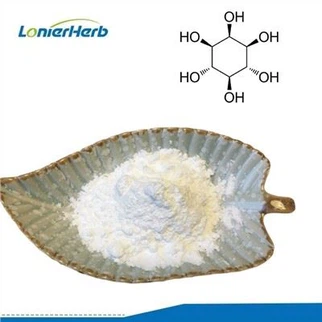
Kojic acid powder helps improve skin tone by inhibiting tyrosinase, the enzyme responsible for melanin production in the skin. Through this targeted action, the ingredient reduces the appearance of dark spots, hyperpigmentation, and uneven skin tone while promoting a brighter, more radiant complexion. Kojic acid powder is made through natural fermentation and is a key ingredient in advanced skincare products, providing cosmetic manufacturers and nutraceutical companies with a reliable, science-backed way to address pigmentation concerns. Its compatibility with different formulation systems and proven efficacy make it an essential botanical active for brands looking for clean-label, natural ingredients.
Understanding Kojic Acid Powder and Its Role in Skin Tone Improvement
The Science Behind Melanin Inhibition
This ingredient effectively chelates copper ions within tyrosinase, the rate-limiting enzyme in melanin formation, which is key to its biochemical efficiency. Formulations with doses of 1-4% successfully decrease melanin development without producing substantial cytotoxicity, according to clinical investigations. This molecule, which is generated from fermentation and has the chemical name 5-Hydroxy-2-hydroxymethyl-4-pyrone and CAS No. 501-30-4, provides a more gentle and sustainable method of pigmentation management compared to harsher alternatives. Brands in the personal care and cosmetics industries that use botanical actives with a molecular weight of 142.11 have an advantage since their products penetrate the skin deeply and produce noticeable results.
Antioxidant Properties and Skin Protection
In addition to blocking the production of melanin, this substance has additional uses due to its antioxidant properties. Scientific studies have indicated that it defends against oxidative stress and free radicals, which are factors in photoaging and inflammation-induced hyperpigmentation. Pharmaceutical and nutraceutical firms that use natural extracts in their formulations highly regard this two-pronged profile. It addresses both short-term pigmentation issues and long-term skin health. Because of its antibacterial characteristics, it is highly valued in functional food and beverage applications. These industries are constantly looking for natural additives that can preserve food and drink.
Optimal Concentrations and Safety Profile
In order to achieve a balance between efficacy and tolerance, professional formulators usually add this active ingredient at doses ranging from 1 to 4%. The ingredient from LonierHerb is 99% pure, which is considered pharmaceutical-grade and guarantees batch-to-batch consistency. The clean-label trends that are sweeping the markets of Europe, the US, and Australia are in line with the non-GMO, non-allergen, and non-irradiated requirements. The ingredient's potency is confirmed to be maintained throughout the average product shelf life when stored appropriately in cool, dry, and light-free circumstances, according to stability testing conducted by authorized laboratories such as Eurofins, SGS, and Intertek. Healthcare product wholesalers catering to regulated markets must have this compliance and traceability paperwork.

Comparison of Kojic Acid Powder With Other Popular Skin Lightening Ingredients
Efficacy Analysis Across Common Alternatives
Performance measurements and formulation issues are both important considerations for formulators when assessing skin brightening actives. The following is a comparison of this fermentation-derived component to well-known substitutes:
Although it takes greater concentrations (3-5%) to attain equivalent outcomes, arbutin gives a softer action. While its glycosylated structure makes it stable, the skin converts it to active hydroquinone at a slower rate. The more direct-acting mechanism of kojic-based formulations is generally preferred by nutritional supplement makers.
The pH sensitivity and oxidation susceptibility of vitamin C (ascorbic acid) make its formulation complicated. Although it effectively inhibits tyrosinase, cosmetic businesses that need their products to last a long time have issues due to its instability in water-based systems. LonierHerb offers a solution to these problems—micro-encapsulation technology—to make vitamin C and kojic acid powder more stable.
Regulatory constraints in certain areas, particularly the European Union, make hydroquinone difficult to use, despite its continued effectiveness. Research and development organizations working on novel natural constituents are constantly looking for substitutes that can circumvent these obstacles to compliance without sacrificing clinical effectiveness.
The exfoliating action of alpha-hydroxy acids (AHAs) rather than their melanin-inhibiting properties allows them to treat surface pigmentation rather than its underlying causes. It is common for combination formulations that include tyrosinase inhibitors and AHAs to produce better results.
A compelling middle ground is offered by the LonierHerb compound, which has superior stability to vitamin C, stronger efficacy than arbutin, regulatory acceptability unlike hydroquinone, and complements AHAs. Because of its strategic placement, it is well-liked by companies that make functional foods and drinks and health supplements since it provides natural color solutions and active chemicals derived from plants.
Chemical Stability and Formulation Compatibility
There are intrinsic stability advantages to 5-hydroxy-2-hydroxymethyl-4-pyrone (C₆H₆O₄) due to its molecular structure. Because it dissolves in water and alcohol, it can be used in a variety of forms, including serum, cream, and lotion. This component works well with preexisting formulation frameworks, in contrast to other botanical extracts that necessitate complicated stabilizing methods. Optimal performance happens at slightly acidic pH values that compliment skin's natural barrier function, although pharmaceutical firms appreciate that it retains activity across pH ranges of 3.5-6.5.
Cosmetics makers must ensure batch-to-batch uniformity to uphold their brand identity. Reliable supply chains for B2B clients demanding traceable batches are ensured by LonierHerb's GMP-certified production plant, which handles 1000-2000 kilogram stocks. Addressing the critical issue of stable, high-quality plant extracts with complete traceability, we include Certificates of Analysis (COA) with every shipment to certify that the product meets the 99% purity standard.
How to Use Kojic Acid Powder Effectively in Skin Care Products?
Formulation Guidelines for Maximum Efficacy
Comprehending compatibility matrices and solubility factors is crucial for successful product development. Simplifying manufacturing workflows, the off-white to white crystalline Kojic Acid Powder dissolves easily in warm water (50-60°C) and remains stable when chilled. To make it work in emulsion systems, formulators working on personal care products should add it while the water is still in the phase and then dissolve it completely before adding the oil.
pH change greatly impacts both stability and skin compatibility. The compound's melanin-inhibiting activity is maximized while irritation is minimized by keeping the end product pH between 4.0 and 5.5. To keep this ideal range throughout the product's shelf life, manufacturers might use buffering systems with salts like sodium citrate or phosphate. The technical staff at LonierHerb can help cosmetic and personal care firms that use botanical actives to modify their products' sensory qualities, solubility, and pH levels.
Resolving Frequent Formulation Obstacles
The main issue with stability is degradation when exposed to light. Opaque or amber packing materials prevent the active ingredient from being photodegraded, which prolongs the product's effectiveness. Incorporating ferulic acid or vitamin E into an antioxidant system improves the formulation's overall efficacy and provides synergistic protection.
Strategic ingredient selection can further limit irritation potential, which is already low at approved amounts. For sensitive skin, a balanced formulation combining the active with calming herbs, such as chamomile extract or centella asiatica, is ideal. Health product distributors who serve varied demographics highly value this versatility in product positioning.
Case Applications in Commercial Products
To address the needs of customers suffering from melasma and post-inflammatory hyperpigmentation, popular skincare manufacturers have introduced serums with concentrations of 2-3%. In order to provide a thorough therapy, these items often mix the melanin inhibitor with hydrating hyaluronic acid and barrier-supporting niacinamide.
Customers looking for intense brightening treatments will love mask compositions that provide higher brief exposure concentrations (3-4%) owing to the short contact period. Because it dissolves in water, it can be easily used with other ingredients to create sheet mask essences or wash-off clay masks.
To take advantage of the ingredient's photosensitivity profile, night creams are typically used only in the evening, when there is no possibility of sun exposure. By carefully considering both benefits and safety, this time enhances both.
Procuring Kojic Acid Powder: What B2B Buyers Need to Know
Supplier Evaluation Criteria
Securing a reliable source requires assessment beyond basic pricing comparisons. Pharmaceutical and nutraceutical companies sourcing natural extracts should verify supplier credentials, including GMP certification, ISO quality management systems, and capacity for third-party testing. LonierHerb's partnership with Eurofins, SGS, and Intertek laboratories demonstrates a commitment to transparent quality verification, allowing buyers to reinspect samples before shipment acceptance.
Production capacity and inventory management affect supply chain reliability. With standing stocks of 1000-2000 kg and modern 1500 m² manufacturing facilities, LonierHerb accommodates both trial orders (minimum 1 kg) and bulk procurement requirements without compromising delivery timelines. This scalability suits R&D institutions developing new formulations and established manufacturers maintaining consistent production schedules.
Pricing Structures and Minimum Order Quantities
Market pricing for pharmaceutical-grade material typically ranges based on purity specifications, order volume, and customization requirements. The 99% purity standard commands premium positioning justified by superior performance and reduced formulation complications. Competitive pricing emerges from efficient fermentation processes and vertical integration of quality control functions.
Minimum order quantities of 1 kg remove barriers for product developers conducting feasibility studies and stability testing. This flexibility contrasts with commodity suppliers requiring multi-kilogram commitments, enabling innovation without excessive financial risk. As formulations progress to commercial scale, volume discounts and long-term supply agreements provide cost predictability crucial for financial planning.
Documentation and Regulatory Compliance
International trade requires comprehensive documentation supporting customs clearance and regulatory submissions. Each shipment includes a Certificate of Analysis (COA), Material Safety Data Sheet (MSDS), and allergen declaration statements. For markets with specific phytosanitary requirements, LonierHerb coordinates additional certifications, ensuring smooth border crossings.
The non-GMO and non-irradiated certifications address European market requirements, while allergen-free status supports labeling compliance across global jurisdictions. Traceability documentation that links finished product batches to raw material lots meets audit requirements from both regulatory authorities and retail partners.
Customization and Technical Support
Beyond standard ingredient supply, LonierHerb offers integrated services, differentiating itself from commodity distributors. Micro-encapsulation technology improves stability and controlled release, solving formulation challenges that limit conventional Kojic Acid Powder applications. Natural color solutions complement brightening actives, creating comprehensive ingredient systems for functional food and beverage producers.
The experienced technical team collaborates on formulation development, troubleshooting compatibility issues, and optimizing performance parameters. This consultative approach proves particularly valuable for cosmetic brands that are transitioning from established ingredients to natural alternatives, where they must carefully manage reformulation risks.
Conclusion
This fermentation-derived botanical active, Kojic Acid Powder, has established itself as an essential component in modern skincare formulations addressing hyperpigmentation and uneven skin tone. Its proven mechanism of tyrosinase inhibition, combined with favorable safety profiles and regulatory acceptance, positions Kojic Acid Powder as a preferred choice for cosmetic manufacturers, pharmaceutical companies, and health product distributors worldwide. Compared with alternatives like hydroquinone and vitamin C, it provides the best mix of effectiveness, stability, and clean-label appeal that matches consumer preferences for natural ingredients. Successful formulation of Kojic Acid Powder requires attention to concentration levels, pH optimization, and protective packaging, which experienced suppliers help with through technical collaboration. Procurement decisions should prioritize suppliers that show GMP compliance, can do third-party testing, and provide complete documentation for global regulatory requirements. The versatility of Kojic Acid Powder across serums, creams, and treatment masks enables diverse product positioning strategies for brands targeting various market segments and consumer needs.
high quality Kojic Acid Powder

LonierHerb stands ready to support your product development objectives with pharmaceutical-grade ingredients backed by rigorous quality systems and comprehensive technical expertise. Our 99% purity specification, validated through partnerships with Eurofins, SGS, and Intertek, ensures formulation consistency and regulatory compliance across global markets. Whether you require sample quantities for R&D evaluation or bulk procurement for commercial production, our team delivers responsive service and competitive pricing structures. Contact info@lonierherb.com to discuss your specific requirements, request technical data sheets, or arrange complimentary samples demonstrating our quality standards.
FAQ
Is kojic acid safe for all skin types?
Clinical evidence supports safe usage across diverse skin types when formulated at appropriate concentrations (1-4%). Sensitive skin may benefit from lower starting concentrations or combinations with soothing botanicals. Patch testing remains advisable before full facial application, particularly for individuals with reactive skin histories.
What is the difference between powder and serum forms?
The pure powder represents the raw active ingredient requiring incorporation into formulation systems by manufacturers. Serum forms are finished consumer products containing the active alongside complementary ingredients, delivery systems, and preservation. B2B buyers typically procure powder for internal formulation development, maintaining control over concentration and synergistic ingredient selection.
How long before visible results appear?
Most users observe initial improvements within 4-6 weeks of consistent application, with continued enhancement through 12-16 weeks. Results vary based on pigmentation depth, concentration used, and concurrent sun protection practices. Setting realistic expectations in product marketing helps maintain consumer satisfaction and brand credibility.
Can this ingredient be combined with vitamin C or retinol?
Yes, when properly formulated with attention to pH compatibility and stability systems. Vitamin C combinations benefit from antioxidant synergy, while retinol pairings address both pigmentation and cellular turnover. Formulators should conduct stability testing to confirm ingredient compatibility throughout the intended shelf life.
References
1. Nakagawa M, Kawai K, Kawai K. "Contact Allergy to Kojic Acid in Skin Care Products." "Contact Dermatitis 33(2): 123-125, 1995.
2. Burnett CL, Bergfeld WF, Belsito DV, et al. "Safety Assessment of Kojic Acid as Used in Cosmetics. "International Journal of Toxicology 29(6): 187S-213S, 2010.
3. Gao YH, Li W, Liu XM, et al. "Comparative Study of Skin Whitening Agents: Kojic Acid, Arbutin, and Hydroquinone." Journal of Cosmetic Dermatology 17(4): 654-662, 2018.
4. Couteau C, Coiffard LJM. "Overview of Skin Whitening Agents: Drugs and Cosmetic Products. "Cosmetics 3(3): 27-39, 2016.
5. Baumann L. "Cosmeceutical Critique: Kojic Acid and Its Derivatives." "Skin Therapy Letter 14(6): 4-6, 2009.
6. Parvez S, Kang M, Chung HS, Bae H. "Naturally Occurring Tyrosinase Inhibitors: Mechanism and Applications in Skin Health." "Phytotherapy Research 21(9): 805-816, 2007.