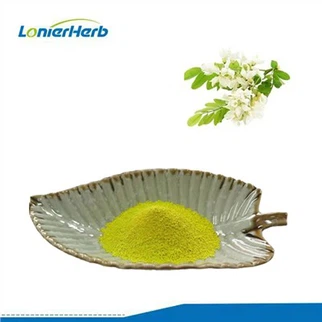
Depression affects millions worldwide, prompting many to seek effective natural alternatives to conventional treatments. Hypericum Perforatum Extract, commonly known as St. John‵s Wort extract, has emerged as a promising herbal remedy for managing depressive symptoms. This botanical extract has been used for centuries in traditional medicine and has gained significant scientific attention in recent decades for its potential mood-enhancing properties. As interest in natural approaches to mental health continues to grow, many are turning to this golden-flowered plant extract as a complementary or alternative option for addressing depression.
What Makes Terminalia Chebula Fruit Extract a Powerful Immune Booster?
Hypericin and Pseudohypericin: The Primary Mood Enhancers
Hypericum Perforatum Extract contains several bioactive compounds, with hypericin and pseudohypericin being among the most notable for depression treatment. These red-pigmented constituents have been extensively studied for their neurological effects. Research suggests that these compounds may inhibit the reuptake of neurotransmitters such as serotonin, dopamine, and norepinephrine in the brain, similar to how conventional antidepressants work. By preventing the reabsorption of these mood-regulating chemicals, Hypericum Perforatum Extract effectively increases their availability in the neural synapses, potentially alleviating depressive symptoms. Clinical studies have demonstrated that standardized extracts containing specific concentrations of hypericin show comparable efficacy to certain synthetic antidepressants for mild to moderate depression, with fewer side effects. The photosensitizing properties of hypericin also suggest potential additional mechanisms of action that differentiate this natural compound from synthetic alternatives.
Hyperforin: The Neurochemical Regulator
Perhaps the most powerful antidepressant component in Hypericum Perforatum Extract is hyperforin, a prenylated phloroglucinol derivative that has shown remarkable neurochemical activity. Unlike many conventional antidepressants that target specific neurotransmitter systems, hyperforin acts as a broad-spectrum reuptake inhibitor affecting multiple neurotransmitters simultaneously. This unique property enables Hypericum Perforatum Extract to modulate serotonin, dopamine, norepinephrine, GABA, and glutamate levels, creating a comprehensive approach to mood regulation. Additionally, hyperforin has demonstrated the ability to influence neuroplasticity and cellular resilience pathways, potentially addressing some of the underlying biological factors in depression. Modern extraction techniques focus on preserving the stability of hyperforin, as this compound can degrade when exposed to light and oxygen. Studies have shown that extracts standardized for hyperforin content (typically 3-5%) provide more consistent therapeutic effects than non-standardized preparations, highlighting the importance of quality control in Hypericum Perforatum Extract production.
Flavonoids and Xanthones: Supporting Antidepressant Activity
Beyond hypericin and hyperforin, Hypericum Perforatum Extract contains a complex array of flavonoids and xanthones that contribute to its antidepressant properties through multiple pathways. These compounds, including rutin, quercetin, and various bioflavonoids, possess significant antioxidant and anti-inflammatory properties that may address neuroinflammation-increasingly recognized as a factor in depression pathophysiology. Hypericum Perforatum Extract‵s flavonoid content helps protect neurons from oxidative stress and reduces inflammatory markers in the brain, potentially creating a more favorable environment for normal neurotransmitter function. Furthermore, research indicates that these compounds may enhance the blood-brain barrier penetration of the primary active constituents, improving their bioavailability in neural tissue. The synergistic interaction between these various compounds in Hypericum Perforatum Extract suggests that the whole herb extract may provide benefits beyond what individual isolated compounds can offer, exemplifying the principle of botanical synergy that underlies many successful herbal medicines.

How does Hypericum Perforatum Extract compare to conventional antidepressants?
Efficacy Comparison in Clinical Trials
Multiple clinical studies have evaluated how Hypericum Perforatum Extract measures up against conventional antidepressants, with compelling results for those seeking natural alternatives. A meta-analysis published in the British Medical Journal examined 29 trials including over 5,000 patients and found that standardized Hypericum Perforatum Extract was similarly effective to selective serotonin reuptake inhibitors (SSRIs) such as fluoxetine and paroxetine for mild to moderate depression. The response rates were comparable, with approximately 60% of patients experiencing significant improvement in depressive symptoms. Interestingly, Hypericum Perforatum Extract showed particular strength in addressing sleep disturbances, fatigue, and anxiety symptoms that often accompany depression. The onset of action appears similar to conventional treatments, with most patients noticing improvements within 2-4 weeks. However, it‵s important to note that for severe depression, the evidence for Hypericum Perforatum Extract is less robust, and conventional treatments may still be the preferred first-line approach in these cases. Nevertheless, for the large population suffering from mild to moderate depressive symptoms, Hypericum Perforatum Extract represents a clinically validated option.
Safety Profile and Side Effect Comparison
One of the most significant advantages of Hypericum Perforatum Extract over conventional antidepressants is its favorable safety profile. While SSRIs and other synthetic antidepressants commonly cause sexual dysfunction, weight gain, emotional blunting, and withdrawal symptoms, Hypericum Perforatum Extract typically produces fewer and milder side effects. Clinical trials report side effect rates for Hypericum Perforatum Extract at approximately 20%, compared to 50-60% with conventional antidepressants. The most common side effects include mild gastrointestinal discomfort, skin sensitivity to sunlight in fair-skinned individuals, dizziness, and dry mouth-most of which are transient and well-tolerated. Discontinuation of Hypericum Perforatum Extract does not typically produce the withdrawal syndrome often seen with SSRIs, making it easier for patients to adjust or stop treatment if needed. This improved tolerability translates to better treatment adherence-an important factor in depression management where premature discontinuation due to side effects is a common problem. For individuals concerned about the potential impact of long-term medication use, Hypericum Perforatum Extract‵s natural origin and established safety record make it an appealing alternative.
Drug Interactions and Considerations for Clinical Use
Despite its natural origin, Hypericum Perforatum Extract interacts significantly with various medications through its effect on drug-metabolizing enzymes, particularly cytochrome P450. This herbal extract induces the CYP3A4 enzyme system, potentially reducing blood levels of many medications including oral contraceptives, anticoagulants, immunosuppressants, and certain cancer drugs. Healthcare providers must carefully evaluate potential drug interactions before recommending Hypericum Perforatum Extract. Additionally, combining this herbal extract with other serotonergic medications, including conventional antidepressants, may increase the risk of serotonin syndrome-a potentially serious condition characterized by agitation, tremor, and elevated body temperature. Patients should always consult healthcare providers before starting Hypericum Perforatum Extract, particularly if they take other medications. When properly prescribed with these considerations in mind, Hypericum Perforatum Extract can be safely integrated into depression treatment plans. Quality and standardization also matter significantly-products should contain standardized amounts of active compounds (typically 0.3% hypericin and/or 3-5% hyperforin) to ensure therapeutic efficacy and consistency across treatment.
What is the optimal dosage of Hypericum Perforatum Extract for treating depression?
Standard Dosing Guidelines Based on Clinical Evidence
Determining the optimal dosage of Hypericum Perforatum Extract for depression requires consideration of extract standardization, depression severity, and individual patient factors. Most clinical trials demonstrating efficacy have used standardized extracts containing 0.3% hypericin and/or 2-5% hyperforin, with total daily doses ranging from 600-1800mg divided into multiple administrations. For most adults with mild to moderate depression, the typical recommended regimen is 300mg of standardized extract taken three times daily (900mg total). This dosing schedule maintains steady blood levels of the active compounds throughout the day. Higher doses haven‵t consistently shown greater efficacy but may increase the risk of side effects. The standardization of the extract is crucial-products should clearly indicate the concentration of active compounds on their labels, as non-standardized preparations may vary significantly in potency. Studies suggest that therapeutic effects typically begin within 2-4 weeks, similar to conventional antidepressants, although some patients report improvements in sleep and anxiety within the first week. Patients should be advised to maintain consistent dosing for at least 4-6 weeks before evaluating full efficacy, as premature discontinuation may result in inadequate treatment.
Individual Factors Affecting Dosage Requirements
Several individual factors can influence the optimal dosage of Hypericum Perforatum Extract and should be considered when developing a personalized treatment plan. Body weight appears to correlate with effective dosing-individuals with higher body mass may require doses at the upper end of the recommended range. Metabolism variations also play a role, as some individuals naturally metabolize the active compounds more rapidly than others, potentially requiring more frequent administration. The severity of depression represents another important consideration-while mild to moderate depression often responds to standard dosing, more pronounced symptoms sometimes necessitate gradual titration to higher doses under professional supervision. Age-related factors matter as well, with older adults often showing sensitivity to lower doses due to altered pharmacokinetics and potential medication interactions. Gender differences have been observed in some studies, with preliminary evidence suggesting women may achieve therapeutic effects at slightly lower doses than men, possibly due to hormonal influences on neurotransmitter systems. Healthcare providers should work with patients to find the optimal individualized dosage of Hypericum Perforatum Extract that balances efficacy with tolerability.
Timing, Duration, and Monitoring Recommendations
The timing, duration, and appropriate monitoring of Hypericum Perforatum Extract therapy significantly impact treatment outcomes for depression. Regarding timing, research suggests dividing the daily dose into morning and evening administrations may optimize therapeutic effects while minimizing side effects like daytime fatigue. Taking Hypericum Perforatum Extract with food can improve absorption of the fat-soluble active compounds and reduce potential gastrointestinal discomfort. As for treatment duration, clinical guidelines typically recommend continuing therapy for 4-6 months after symptom resolution to prevent relapse, similar to conventional antidepressant protocols. Long-term use beyond 12 months should involve periodic reassessment of the need for continued treatment. Regular monitoring during Hypericum Perforatum Extract therapy should include assessment of symptom improvements using standardized depression scales, evaluation of side effects, and screening for potential drug interactions with any new medications. Photosensitivity reactions, though uncommon, warrant attention, particularly during summer months or in sunny climates. Unlike some pharmaceutical antidepressants, Hypericum Perforatum Extract doesn‵t require blood level monitoring, but liver function tests may be considered for those on long-term therapy as a precautionary measure.
Conclusion
Hypericum Perforatum Extract offers a scientifically-supported natural option for those struggling with mild to moderate depression. Its active compounds work through multiple mechanisms to regulate mood-related neurotransmitters while potentially causing fewer side effects than conventional medications. When properly dosed and monitored, this herbal remedy can be an effective part of depression management for many individuals. As with any treatment approach, consultation with healthcare providers remains essential to ensure safe and appropriate use.
High Quality Hypericum Perforatum Extract

With Shaanxi LonierHerb Bio-Technology Co., Ltd., you‵re partnering with a leader in plant extract production. For over 10 years, we‵ve been offering top-quality natural products for the nutrition, pharmaceutical, and cosmetic industries. Our 1500m² GMP-certified facility ensures strict quality control, and our products are tested by accredited third-party labs. We‵re proud to serve customers in more than 40 countries. For more information, email us at info@lonierherb.com.
References
1. Linde K, Berner MM, Kriston L. St John‵s wort for major depression. Cochrane Database of Systematic Reviews. 2008;4.
2. Ng QX, Venkatanarayanan N, Ho CY. Clinical use of Hypericum perforatum (St John‵s wort) in depression: A meta-analysis. Journal of Affective Disorders. 2017;210:211-221.
3. Butterweck V, Schmidt M. St. John‵s wort: Role of active compounds for its mechanism of action and efficacy. Wiener Medizinische Wochenschrift. 2007;157(13-14):356-361.
4. Woelk H. Comparison of St John‵s wort and imipramine for treating depression: randomised controlled trial. British Medical Journal. 2000;321(7260):536-539.
5. Singer A, Wonnemann M, Müller WE. Hyperforin, a major antidepressant constituent of St. John‵s Wort, inhibits serotonin uptake by elevating free intracellular Na+. Journal of Pharmacology and Experimental Therapeutics. 1999;290(3):1363-1368.
6. Kasper S, Gastpar M, Müller WE, et al. Efficacy of St. John‵s wort extract WS 5570 in acute treatment of mild depression: a reanalysis of data from controlled clinical trials. European Archives of Psychiatry and Clinical Neuroscience. 2008;258(1):59-63.