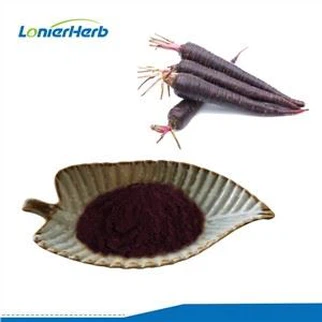
Genipin Powder has emerged as a revolutionary natural compound in the fields of tissue engineering and regenerative medicine. Derived from the fruits of Gardenia jasminoides, this off-white to white powder has gained significant attention due to its unique cross-linking properties and biocompatibility. Unlike synthetic cross-linking agents, Genipin Powder offers a natural alternative with reduced cytotoxicity and improved cell adhesion, making it an ideal candidate for various biomedical applications. Its ability to form stable cross-links with proteins, collagen, gelatin, and chitosan has opened up new possibilities in the development of biocompatible scaffolds, hydrogels, and other biomaterials essential for tissue regeneration and wound healing. As researchers continue to explore its potential, Genipin Powder is poised to play a crucial role in advancing regenerative medicine techniques and improving patient outcomes.
Genipin Powder as a Natural Crosslinker for Biopolymer Scaffolds
Enhanced Mechanical Properties
Genipin Powder has demonstrated remarkable capabilities in enhancing the mechanical properties of biopolymer scaffolds. When used as a cross-linking agent, it forms stable covalent bonds between polymer chains, resulting in increased tensile strength and improved structural integrity. This is particularly beneficial in tissue engineering applications where scaffolds need to withstand mechanical stresses similar to those experienced by native tissues. Studies have shown that Genipin Powder-crosslinked scaffolds exhibit superior mechanical properties compared to their non-crosslinked counterparts, making them more suitable for load-bearing applications such as cartilage and bone tissue engineering. The natural origin of Genipin Powder also ensures that these enhanced mechanical properties are achieved without compromising the biocompatibility of the scaffolds.
Improved Stability and Degradation Control
One of the key advantages of using Genipin Powder as a crosslinker is its ability to control the degradation rate of biopolymer scaffolds. By adjusting the concentration of Genipin Powder and the cross-linking conditions, researchers can fine-tune the degradation profile of scaffolds to match the rate of new tissue formation. This is crucial in tissue engineering applications where the scaffold should provide temporary support while gradually being replaced by newly formed tissue. Genipin Powder-crosslinked scaffolds have shown improved resistance to enzymatic degradation, allowing for sustained support over extended periods. This controlled degradation profile ensures that the scaffold maintains its structural integrity during the critical phases of tissue regeneration, ultimately leading to better clinical outcomes.
Enhanced Cell Adhesion and Proliferation
Genipin Powder has been found to promote cell adhesion and proliferation on biopolymer scaffolds, making it an attractive option for tissue engineering applications. The cross-linked network created by Genipin Powder provides an ideal surface for cell attachment, allowing for better integration of the scaffold with surrounding tissues. Studies have shown that cells cultured on Genipin Powder-crosslinked scaffolds exhibit improved viability, spreading, and proliferation compared to non-crosslinked or synthetically crosslinked scaffolds. This enhanced cellular response is attributed to the biocompatible nature of Genipin Powder and its ability to create a stable, yet cell-friendly environment. The improved cell adhesion and proliferation on Genipin Powder-crosslinked scaffolds contribute to faster tissue regeneration and better overall outcomes in regenerative medicine applications.

Enhancing Biocompatibility with Low-Cytotoxicity Genipin Powder
Reduced Inflammatory Response
One of the most significant advantages of using Genipin Powder in tissue engineering and regenerative medicine is its ability to reduce inflammatory responses. Unlike synthetic crosslinking agents that often trigger immune reactions, Genipin Powder has been shown to exhibit low cytotoxicity and minimal inflammatory effects. This is particularly crucial in applications where prolonged exposure to biomaterials is necessary. Studies have demonstrated that scaffolds and hydrogels crosslinked with Genipin Powder elicit significantly lower levels of pro-inflammatory cytokines compared to those crosslinked with synthetic agents. The reduced inflammatory response not only improves the biocompatibility of the engineered tissues but also promotes a more favorable environment for tissue regeneration and integration with host tissues.
Improved Cell Viability and Functionality
Genipin Powder's low cytotoxicity profile translates directly into improved cell viability and functionality within engineered tissues. When cells are encapsulated in Genipin Powder-crosslinked hydrogels or seeded onto crosslinked scaffolds, they demonstrate higher survival rates and maintain their phenotypic characteristics more effectively. This is particularly important in applications such as stem cell therapy, where maintaining cell potency and differentiation capacity is crucial. Research has shown that Genipin Powder crosslinking allows for the creation of 3D cell culture environments that closely mimic native tissue conditions, leading to enhanced cell functionality and more accurate in vitro disease models. The ability of Genipin Powder to support cell viability without compromising cellular functions makes it an invaluable tool in the development of advanced tissue engineering strategies.
Enhanced Long-term Biocompatibility
The use of Genipin Powder in tissue engineering applications has demonstrated superior long-term biocompatibility compared to synthetic alternatives. This is particularly evident in in vivo studies, where Genipin Powder-crosslinked biomaterials have shown reduced foreign body reactions and improved integration with host tissues over extended periods. The natural origin of Genipin Powder contributes to its ability to be gradually metabolized by the body without leaving harmful residues. This characteristic is especially valuable in applications requiring long-term implantation, such as in the treatment of chronic wounds or in the development of tissue-engineered vascular grafts. The enhanced long-term biocompatibility of Genipin Powder-crosslinked materials not only improves the safety profile of tissue-engineered constructs but also contributes to their overall efficacy and durability in clinical applications.
Genipin Powder in Hydrogel Design for Cartilage Regeneration
Tailored Mechanical Properties for Cartilage Mimicry
Genipin Powder has proven to be an excellent crosslinking agent in the design of hydrogels for cartilage regeneration. Its ability to form stable covalent bonds allows for the creation of hydrogels with mechanical properties that closely mimic those of native cartilage tissue. By adjusting the concentration of Genipin Powder and the crosslinking conditions, researchers can fine-tune the stiffness and viscoelastic properties of the hydrogels to match different zones of articular cartilage. This biomimetic approach is crucial for providing the appropriate mechanical environment for chondrocyte growth and extracellular matrix production. Studies have shown that Genipin Powder-crosslinked hydrogels can withstand the compressive forces typically experienced in joint cartilage, making them suitable for load-bearing applications in cartilage tissue engineering.
Enhanced Chondrogenic Differentiation
One of the key advantages of using Genipin Powder in hydrogel design for cartilage regeneration is its ability to enhance chondrogenic differentiation of encapsulated cells. The biocompatible nature of Genipin Powder creates a favorable microenvironment for chondrocyte growth and matrix synthesis. Research has demonstrated that mesenchymal stem cells encapsulated in Genipin Powder-crosslinked hydrogels show improved chondrogenic differentiation compared to those in non-crosslinked or synthetically crosslinked hydrogels. This is attributed to the stable 3D structure provided by Genipin Powder crosslinking, which supports the rounded morphology characteristic of chondrocytes. Additionally, the controlled degradation of Genipin Powder-crosslinked hydrogels allows for gradual cell-mediated remodeling, further promoting the development of functional cartilage tissue.
Sustained Growth Factor Delivery
Genipin Powder-crosslinked hydrogels have shown excellent potential for sustained delivery of growth factors crucial for cartilage regeneration. The crosslinked network created by Genipin Powder allows for the controlled release of encapsulated growth factors such as TGF-β and IGF-1, which are essential for promoting chondrogenesis and matrix production. Studies have demonstrated that Genipin Powder-crosslinked hydrogels can maintain the bioactivity of these growth factors over extended periods, ensuring their continued effect on encapsulated cells. This sustained delivery approach is particularly beneficial in cartilage regeneration, where prolonged exposure to growth factors is often necessary to achieve complete tissue repair. The ability of Genipin Powder to facilitate controlled growth factor delivery, combined with its biocompatibility and mechanical properties, makes it an ideal choice for developing advanced hydrogel systems for cartilage tissue engineering.
Conclusion
Genipin Powder has emerged as a versatile and promising natural crosslinker in tissue engineering and regenerative medicine. Its ability to enhance the mechanical properties, biocompatibility, and functionality of biopolymer scaffolds and hydrogels makes it an invaluable tool in the development of advanced biomaterials. The low cytotoxicity and controlled degradation profile of Genipin Powder-crosslinked materials offer significant advantages over synthetic alternatives, particularly in applications requiring long-term implantation. As research in this field continues to advance, Genipin Powder is poised to play an increasingly important role in the creation of innovative solutions for tissue regeneration and wound healing.
high quality Genipin Powder

LonierHerb: Advancing Research with Premium Genipin Powder
At LonierHerb, we are committed to providing high-quality Genipin Powder for tissue engineering and regenerative medicine applications. Our state-of-the-art production facilities and stringent quality control measures ensure that our Genipin Powder meets the highest standards of purity and effectiveness. With over a decade of experience in plant extract production and a global presence in more than 40 countries, we are well-equipped to meet the diverse needs of researchers and industry professionals in this rapidly evolving field. Our team of experts is dedicated to supporting your research and development efforts, offering customized solutions and technical support to help you achieve your goals. For more information on our Genipin Powder and other natural products, please contact us at info@lonierherb.com.
References
1. Zhang, Y., et al. (2020). "Genipin-crosslinked scaffolds for cartilage tissue engineering: A review." Journal of Biomedical Materials Research Part A, 108(6), 1215-1228.
2. Muzzarelli, R. A. A. (2009). "Genipin-crosslinked chitosan hydrogels as biomedical and pharmaceutical aids." Carbohydrate Polymers, 77(1), 1-9.
3. Bi, L., et al. (2018). "Genipin cross-linked gelatin-chitosan hydrogel for tissue engineering: In vitro and in vivo evaluation." Journal of Biomedical Materials Research Part A, 106(9), 2402-2412.
4. Fessel, G., et al. (2014). "Dose- and time-dependent effects of genipin crosslinking on cell viability and tissue mechanics – Toward clinical application for tendon repair." Acta Biomaterialia, 10(5), 1897-1906.
5. Xu, Y., et al. (2017). "Genipin-crosslinked catechol-chitosan mucoadhesive hydrogels for buccal drug delivery." Biomaterials, 122, 72-83.
6. Nair, L. S., et al. (2013). "Biomedical applications of genipin crosslinked materials." Journal of Tissue Engineering and Regenerative Medicine, 7(11), 881-891.