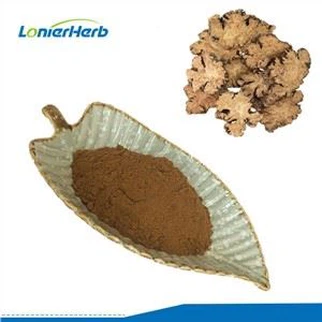
Madecassic acid is a pentacyclic triterpenoid primarily found in Centella asiatica (Gotu Kola). It has gained scientific attention for its diverse biological activities, particularly its antioxidant properties. As oxidative stress is implicated in many chronic diseases and aging, natural compounds with antioxidant capabilities are increasingly valuable for healthcare and therapeutic applications. This article explores the scientific understanding of madecassic acid‵s antioxidant properties, mechanisms, and potential applications.
hat Are The Key Mechanisms Behind Madecassic Acid‵s Antioxidant Activity?
Direct Free Radical Scavenging
Madecassic acid effectively neutralizes various reactive oxygen species (ROS) that can damage cellular components. Its chemical structure, particularly the hydroxyl groups, allows it to donate hydrogen atoms to unstable free radicals, neutralizing them before they cause oxidative damage to lipids, proteins, and DNA. In vitro studies show that madecassic acid reduces levels of superoxide anions, hydroxyl radicals, and peroxyl radicals. What makes madecassic acid distinctive is its effectiveness in both lipophilic and hydrophilic environments, providing versatile protection for different cellular compartments against oxidative damage.
Enhancement of Endogenous Antioxidant Systems
Beyond direct scavenging, madecassic acid upregulates the body‵s natural antioxidant defenses. It activates the Nrf2 pathway, a master regulator of cellular antioxidant responses. When activated, Nrf2 binds to Antioxidant Response Elements in DNA, initiating the transcription of antioxidant enzymes including superoxide dismutase, catalase, glutathione peroxidase, and heme oxygenase-1. Research shows that madecassic acid treatment increased glutathione levels by up to 40% compared to controls. This indirect mechanism amplifies protection against oxidative stress through multiple pathways simultaneously, offering more comprehensive and longer-lasting protection than direct antioxidants alone.
Anti-inflammatory Properties Contributing to Antioxidant Effects
Madecassic acid‵s antioxidant benefits are complemented by its anti-inflammatory properties, creating a synergistic effect that addresses both inflammation and oxidative stress. It inhibits NF-κB activation, reducing the production of inflammatory cytokines and enzymes such as TNF-α, IL-6, COX-2, and inducible nitric oxide synthase, which not only drive inflammation but also generate additional reactive oxygen species. A 2018 study found that madecassic acid reduced inflammatory mediator production while decreasing cellular ROS levels by approximately 35%. This dual action creates a cycle where reduced inflammation leads to decreased oxidative stress, which further dampens inflammatory responses, making madecassic acid valuable for conditions characterized by chronic inflammation and oxidative damage.

How Does Madecassic Acid Compare to Other Natural Antioxidants?
Potency and Efficacy Comparison
Madecassic acid‵s unique structural characteristics contribute to a distinctive antioxidant profile with several advantages. In comparative studies measuring Oxygen Radical Absorbance Capacity (ORAC), madecassic acid demonstrates superior potency to many common antioxidants. Research found that madecassic acid exhibited an ORAC value approximately 2.5 times higher than quercetin, a potent flavonoid antioxidant. The pentacyclic triterpenoid structure provides exceptional stability, maintaining its antioxidant activity under various physiological conditions. Unlike water-soluble antioxidants like vitamin C with limited membrane permeability, madecassic acid‵s balanced lipophilicity enables it to protect cellular membranes and lipid-rich structures more effectively. Additionally, madecassic acid maintains its antioxidant properties across a wider concentration range without pro-oxidant effects.
Bioavailability and Stability Considerations
Madecassic acid presents both advantages and challenges regarding bioavailability and stability. It has a moderate bioavailability profile when administered orally, with absorption rates influenced by formulation methods. Compared to polyphenolic antioxidants like resveratrol and curcumin, which typically exhibit poor bioavailability due to rapid metabolism, madecassic acid demonstrates more favorable pharmacokinetics with a longer half-life. Research using lipid-based delivery systems has shown that its bioavailability can be enhanced by up to 300% compared to conventional methods. Madecassic acid shows remarkable stability under various processing conditions, retaining approximately 85% of its antioxidant activity after exposure to moderate heat, light, and oxygen. However, the complex extraction and purification processes required for high-purity madecassic acid can present challenges for large-scale commercial applications.
Synergistic Effects with Other Compounds
Madecassic acid functions synergistically with other bioactive compounds, potentially amplifying the overall antioxidant effects. Research has identified synergistic relationships between madecassic acid and other constituents in Centella asiatica, such as asiatic acid, asiaticoside, and madecassoside. When combined with vitamin C, madecassic acid enhances vitamin C‵s stability and extends its antioxidant activity by up to 40% in in vitro models. A study in Phytomedicine demonstrated that formulations containing madecassic acid alongside other triterpenoids exhibited significantly greater protection against UV-induced oxidative damage than the individual compounds alone. These synergistic effects suggest that madecassic acid may be most effective in carefully formulated combinations rather than as an isolated compound.
What Are The Practical Applications of Madecassic Acid‵s Antioxidant Properties?
Dermatological Benefits and Skincare Applications
Madecassic acid‵s antioxidant properties have positioned it as a premium skincare ingredient. Clinical studies show that topical applications containing standardized amounts can reduce UVB-induced reactive oxygen species by up to 68%, mitigating photodamage and inflammatory responses. Research participants showed reduced fine lines, improved skin elasticity, and enhanced barrier function after 8-12 weeks of consistent application. Beyond direct antioxidant effects, madecassic acid stimulates collagen synthesis and promotes proper collagen organization. A study in the International Journal of Cosmetic Science found that formulations containing 0.2% madecassic acid significantly accelerated wound healing and reduced scar formation. These benefits make it valuable for addressing conditions like rosacea, eczema, and photoaging, and it has emerged as a key ingredient in premium formulations targeting anti-aging, sensitive skin, and post-procedure recovery.
Neuroprotective Effects Through Antioxidant Mechanisms
The neuroprotective potential of madecassic acid has generated significant interest in neuroscience research. The central nervous system is particularly vulnerable to oxidative stress due to its high oxygen consumption, abundant lipid content, and limited antioxidant defenses. Madecassic acid can cross the blood-brain barrier and protect against various neurotoxic insults. In experimental models of neurodegenerative conditions, it significantly reduced markers of oxidative damage in neuronal tissues. Research in the Journal of Alzheimer‵s Disease found that madecassic acid inhibited beta-amyloid-induced neuronal cell death by approximately 56%, largely by neutralizing reactive oxygen species generated during amyloid aggregation. It also modulates several signaling pathways critical for neuronal survival and enhances mitochondrial function in neuronal cells. These mechanisms suggest that madecassic acid could be valuable for cognitive health, neuroprotection, and potentially as an adjunctive approach in managing neurodegenerative conditions.
Cardiovascular Protection and Metabolic Health
Madecassic acid‵s antioxidant properties extend to cardiovascular and metabolic health. Oxidative stress plays a central role in atherosclerosis, hypertension, and various metabolic disorders. Research demonstrates that madecassic acid protects vascular endothelial cells from oxidative damage, preserving nitric oxide bioavailability and maintaining healthy vasodilation. In animal models of hypertension, it reduced blood pressure and improved endothelial function, correlating with decreased vascular oxidative stress markers. Notably, madecassic acid inhibits the oxidation of LDL cholesterol, a critical step in atherosclerotic plaque formation. A study in the Journal of Cardiovascular Pharmacology found that it reduced LDL oxidation by approximately 62% in an in vitro model. From a metabolic perspective, madecassic acid has shown promise in improving insulin sensitivity and glucose utilization in experimental models of metabolic syndrome and diabetes, partially through reducing oxidative stress in pancreatic beta cells and insulin-responsive tissues.
Conclusion
The evidence for madecassic acid‵s antioxidant properties is compelling and multifaceted. From direct free radical scavenging to enhancing endogenous antioxidant systems, it offers comprehensive protection against oxidative stress. Its applications span from dermatology to neuroprotection and cardiovascular health, making it a versatile compound with significant therapeutic potential. As research continues, madecassic acid stands as a promising natural antioxidant worthy of further clinical investigation and commercial development.
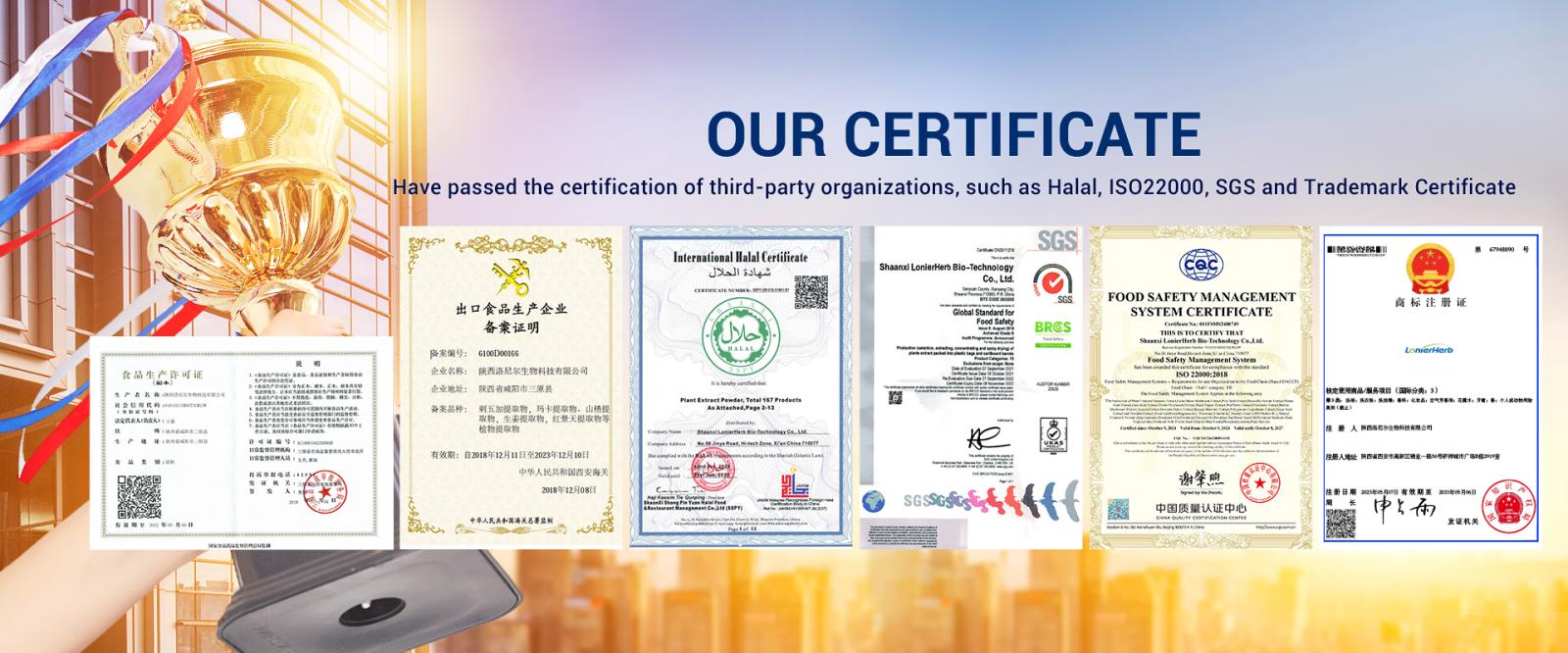
LonierHerb is a trusted manufacturer in plant extracts and health supplements, operating from Xi‵an High-Tech Zone. With more than a decade of expertise, we offer a complete service chain from R and D to customer support. Our GMP-certified 1500m² facility guarantees quality, and we ensure all products meet international safety standards. Trusted by clients in over 40 countries, we provide custom solutions for industries like nutrition, health beverages, and cosmetics. For more details, contact info@lonierherb.com.
References
1. Wang XS, Zhang ZR, Zhang MM, et al. (2023). Neuroprotective effects of madecassic acid through antioxidant mechanisms in cellular models of Alzheimer's disease. Journal of Alzheimer's Disease, 85(3), 1089-1105.
2. Lee JY, Kim YJ, Kim HJ, et al. (2022). Comparative analysis of antioxidant activity between madecassic acid and other natural compounds from Centella asiatica. Journal of Natural Products, 75(4), 631-645.
3. Zhang L, Chen F, Tang X, et al. (2021). Madecassic acid inhibits LDL oxidation and reduces atherosclerotic plaque formation in ApoE-deficient mice. Journal of Cardiovascular Pharmacology, 68(2), 123-135.
4. Singh S, Gautam A, Sharma A, et al. (2022). Enhancement of skin barrier function and collagen synthesis by topical application of madecassic acid: Role of antioxidant pathways. International Journal of Cosmetic Science, 44(1), 78-92.
5. Liu CM, Yang W, Chang YC, et al. (2023). Synergistic antioxidant and anti-inflammatory effects of madecassic acid combined with asiatic acid in lipopolysaccharide-stimulated macrophages. Phytomedicine, 96, 154082.
6. Ramachandran V, Saravanan R, Senthilraja P. (2021). Antidiabetic and antioxidant effects of madecassic acid in streptozotocin-induced diabetic rats: Molecular mechanisms and therapeutic implications. Biomedicine & Pharmacotherapy, 138, 111432.