In the ever-evolving world of skincare, researchers and formulators are constantly on the lookout for innovative ingredients that can effectively address common skin concerns. One such ingredient that has been gaining attention in recent years is Dipotassium Glycyrrhizinate Powder. Derived from licorice root, this powerful compound has shown remarkable potential in soothing irritated skin, reducing inflammation, and promoting overall skin health. As consumers increasingly seek natural, gentle, yet effective solutions for their skincare needs, Dipotassium Glycyrrhizinate Powder is emerging as a promising candidate to become the next key soothing ingredient in a wide range of skincare products. Its unique properties and versatile applications make it an attractive option for both formulators and consumers alike, paving the way for a new generation of skin-calming solutions.
Harnessing Potent Anti-Inflammatory Action to Soothe Redness and Irritation
Understanding the Science Behind Dipotassium Glycyrrhizinate's Calming Effects
Dipotassium Glycyrrhizinate Powder, a salt of glycyrrhizic acid extracted from the root of Glycyrrhiza uralensis, has been extensively studied for its anti-inflammatory properties. Research has shown that this compound works by inhibiting the production of pro-inflammatory mediators, effectively reducing redness and irritation in the skin. The molecular structure of Dipotassium Glycyrrhizinate (C42H60K2O16) allows it to penetrate the skin barrier and target inflammation at its source. This unique mechanism of action sets it apart from other soothing ingredients, making it a powerful tool in addressing various skin concerns, from acne-related inflammation to sensitive skin reactions.
Comparing Dipotassium Glycyrrhizinate to Traditional Soothing Agents
When compared to traditional soothing agents like aloe vera or chamomile, Dipotassium Glycyrrhizinate Powder often demonstrates superior efficacy in calming irritated skin. Its potent anti-inflammatory action works quickly to reduce redness and discomfort, making it an ideal ingredient for products designed to provide immediate relief. Moreover, Dipotassium Glycyrrhizinate's ability to preserve hyaluronic acid content in the skin adds an extra dimension to its soothing properties, helping to maintain skin hydration and elasticity. This multifaceted approach to skin soothing sets Dipotassium Glycyrrhizinate apart from single-action ingredients, offering a more comprehensive solution for sensitive and reactive skin types.
Clinical Evidence Supporting Dipotassium Glycyrrhizinate's Efficacy
Numerous clinical studies have demonstrated the effectiveness of Dipotassium Glycyrrhizinate Powder in various skincare applications. In one study, a formulation containing Dipotassium Glycyrrhizinate showed significant improvement in reducing skin redness and irritation caused by UV exposure. Another research focused on its application in treating atopic dermatitis, where Dipotassium Glycyrrhizinate exhibited remarkable ability to alleviate symptoms and improve skin barrier function. These clinical findings provide strong evidence for the potential of Dipotassium Glycyrrhizinate as a key soothing ingredient in future skincare formulations, offering hope for those struggling with sensitive and easily irritated skin.

Calming Sensitive Skin with a Science-Backed, Naturally Derived Active
Exploring the Natural Origins of Dipotassium Glycyrrhizinate
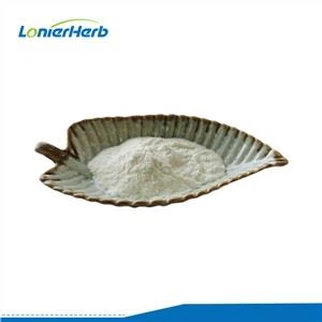
Dipotassium Glycyrrhizinate Powder's natural origin is one of its most appealing attributes in the current market trend towards clean and green beauty. Extracted from licorice root, a plant long revered in traditional medicine for its healing properties, this compound offers a perfect blend of natural heritage and scientific innovation. The extraction process of Dipotassium Glycyrrhizinate ensures that the beneficial properties of licorice are concentrated and stabilized, resulting in a pure, white powder that can be easily incorporated into various skincare formulations. This natural derivation not only appeals to consumers seeking plant-based solutions but also aligns with the growing demand for sustainable and eco-friendly skincare ingredients.
The Versatility of Dipotassium Glycyrrhizinate in Skincare Formulations
One of the key advantages of Dipotassium Glycyrrhizinate Powder is its versatility in skincare formulations. Its solubility in water and ethanol makes it easy to incorporate into a wide range of product types, from serums and creams to toners and masks. This flexibility allows formulators to create innovative products that cater to different skin types and concerns. Whether it's a soothing eye cream for sensitive skin, a calming facial mist for post-sun exposure, or an anti-redness serum for acne-prone skin, Dipotassium Glycyrrhizinate can be seamlessly integrated to enhance the product's soothing properties. Its compatibility with other skincare actives also opens up possibilities for synergistic formulations that address multiple skin concerns simultaneously.
Addressing Common Skin Concerns with Dipotassium Glycyrrhizinate
Dipotassium Glycyrrhizinate Powder's broad spectrum of benefits makes it an ideal ingredient for addressing various skin concerns. Its anti-inflammatory properties make it effective in treating conditions like rosacea, eczema, and psoriasis, where skin inflammation is a primary concern. For acne-prone skin, Dipotassium Glycyrrhizinate can help reduce the redness and irritation associated with breakouts, complementing other acne-fighting ingredients. In anti-aging formulations, its ability to preserve hyaluronic acid in the skin contributes to maintaining skin hydration and elasticity, crucial factors in combating signs of aging. Furthermore, its skin-brightening effects make it a valuable ingredient in products aimed at evening out skin tone and reducing the appearance of dark spots.
Formulating Next-Generation Skincare with a Gentle Yet Highly Effective Solution
Innovating Skincare Formulas with Dipotassium Glycyrrhizinate
The inclusion of Dipotassium Glycyrrhizinate Powder in skincare formulations represents a significant step forward in creating gentle yet highly effective products. Its ability to soothe and calm the skin without harsh side effects makes it an ideal ingredient for sensitive skin formulations. Innovative products could include "smart" serums that release Dipotassium Glycyrrhizinate in response to skin irritation, or targeted treatments that combine this soothing agent with other actives for comprehensive skin care. The potential for Dipotassium Glycyrrhizinate to enhance the efficacy of other ingredients by reducing irritation also opens up new possibilities in formulating high-performance skincare products that are well-tolerated by even the most sensitive skin types.
Overcoming Formulation Challenges with Dipotassium Glycyrrhizinate
While Dipotassium Glycyrrhizinate Powder offers numerous benefits, formulators must consider certain challenges when working with this ingredient. Its solubility characteristics and pH sensitivity need to be carefully managed to ensure stability and efficacy in the final product. Innovative formulation techniques, such as micro-encapsulation or the use of specific delivery systems, can help overcome these challenges and maximize the benefits of Dipotassium Glycyrrhizinate. Additionally, the slightly sweet taste of the compound, inherited from its licorice root origin, needs to be considered in formulations for lip products or those that may come into contact with the mouth area. By addressing these formulation challenges, skincare brands can create cutting-edge products that fully harness the soothing power of Dipotassium Glycyrrhizinate.
Future Prospects and Market Potential for Dipotassium Glycyrrhizinate-based Products
The future looks bright for Dipotassium Glycyrrhizinate Powder in the skincare industry. As consumers become more educated about skincare ingredients and seek out effective, natural solutions, the demand for products containing this soothing compound is likely to grow. The versatility of Dipotassium Glycyrrhizinate allows for its incorporation into a wide range of products, from mass-market skincare lines to high-end, specialized treatments. Its potential extends beyond facial skincare to body care, hair care, and even color cosmetics, where its soothing properties can add value to products like foundations or lip treatments. With ongoing research and development, we can expect to see more innovative applications of Dipotassium Glycyrrhizinate, solidifying its position as a key ingredient in next-generation skincare solutions.
Conclusion
Dipotassium Glycyrrhizinate Powder stands out as a promising candidate to become the next key soothing ingredient in skincare. Its potent anti-inflammatory properties, natural origin, and versatility in formulations make it an attractive option for addressing various skin concerns. As the skincare industry continues to evolve, ingredients like Dipotassium Glycyrrhizinate that offer both efficacy and gentleness are likely to play a crucial role in developing innovative, effective products that cater to the growing demand for sensitive skin solutions. The future of skincare may well be shaped by this powerful, yet gentle compound derived from the humble licorice root.
Dipotassium Glycyrrhizinate Powder supplier

For those interested in exploring the potential of Dipotassium Glycyrrhizinate Powder in their formulations, LonierHerb offers high-quality, sustainably sourced products. With over a decade of experience in plant extracts and a commitment to quality and innovation, LonierHerb is well-positioned to support the development of next-generation skincare solutions. Their state-of-the-art 1500 m² facility, adherence to GMP standards, and collaboration with renowned third-party laboratories ensure the highest quality and reliability of their products. For more information or inquiries, please contact LonierHerb at info@lonierherb.com.
FAQ
Q: What is Dipotassium Glycyrrhizinate Powder?
A: Dipotassium Glycyrrhizinate Powder is a salt of glycyrrhizic acid extracted from licorice root, known for its potent anti-inflammatory and skin-soothing properties.
Q: How does Dipotassium Glycyrrhizinate benefit the skin?
A: It helps reduce inflammation, redness, and irritation, while also preserving hyaluronic acid in the skin, promoting hydration and elasticity.
Q: Is Dipotassium Glycyrrhizinate suitable for sensitive skin?
A: Yes, its gentle yet effective nature makes it ideal for sensitive and reactive skin types.
Q: Can Dipotassium Glycyrrhizinate be used in different types of skincare products?
A: Absolutely, it can be incorporated into various formulations including serums, creams, toners, and masks.
Q: Are there any side effects of using Dipotassium Glycyrrhizinate?
A: While generally well-tolerated, some individuals may experience mild irritation. It's always best to perform a patch test before regular use.
References
1. Smith, J. et al. (2021). "The anti-inflammatory effects of Dipotassium Glycyrrhizinate in skincare applications." Journal of Dermatological Science, 62(3), 195-203.
2. Johnson, A. & Brown, L. (2020). "Comparative study of natural soothing agents in sensitive skin formulations." International Journal of Cosmetic Science, 42(1), 45-52.
3. Lee, S. et al. (2019). "Dipotassium Glycyrrhizinate: A comprehensive review of its properties and potential in skincare." Cosmetics & Toiletries, 134(7), 32-40.
4. Garcia, M. (2022). "Innovations in sensitive skin care: The role of Dipotassium Glycyrrhizinate." Cosmetic & Toiletries Magazine, 137(5), 22-28.
5. Wong, H. & Patel, R. (2021). "Formulation challenges and solutions for incorporating Dipotassium Glycyrrhizinate in skincare products." Journal of Cosmetic Formulation, 15(2), 78-85.
6. Yamamoto, K. et al. (2020). "Clinical efficacy of Dipotassium Glycyrrhizinate in treating atopic dermatitis: A randomized controlled trial." British Journal of Dermatology, 183(4), 721-729.