PQQ disodium salt has demonstrated remarkable capability in reducing oxidative stress through its potent redox cycling mechanism. As a water-soluble quinone compound, this ingredient actively neutralizes free radicals while promoting mitochondrial biogenesis-the creation of new cellular powerhouses. Clinical studies validate that pyrroloquinoline quinone disodium salt performs thousands of antioxidant cycles per molecule, significantly outperforming traditional antioxidants. Its unique sodium salt structure enhances bioavailability and stability, making it particularly valuable for B2B formulations targeting cellular protection, cognitive health, and anti-aging applications across nutraceutical and functional food industries.
Understanding Oxidative Stress and Its Challenges in B2B Applications
Several businesses are currently dealing with oxidative stress, which is a serious biochemical problem. When the body makes more free radicals than it can protect itself with antioxidants, damage to cells builds up quickly. This event not only has an effect on people's health, but it also causes big problems for companies that make food, makeup, and medicines.
What Causes Oxidative Stress at the Cellular Level?
At its core, oxidative stress happens when reactive oxygen species (ROS) are too strong for cells to handle. These chemicals are fragile and attack DNA, lipids, and proteins, which breaks down cells. Pollution, UV rays, and prepared foods are all things in the environment that speed up this damage. Oxidative stress stops the production of ATP in mitochondria, which are the energy makers in our cells. This process starts a chain of events that causes inflammation. Knowing how this works helps business buyers understand why antioxidants are now necessary in many modern formulas.
How Does Oxidative Stress Impact Product Development and Quality?
When oxidative stress affects the security of raw materials and the effectiveness of produced products, it causes manufacturers many problems. It's particularly challenging for formulation teams because ingredients break down during storage, products don't last as long, and they don't always work right. Because of the heat, pressure, and light exposure used in production, the supplement business has a difficult time keeping antioxidants effective. Product designers have to find ingredients that can stand up to industrial processing and still protect cells consistently. This need creates a demand for solid, scientifically proven antioxidants, such as pyrroloquinoline quinone, that continue to work even after they have been manufactured and stored.

PQQ Disodium Salt-Properties, Mechanisms, and Antioxidant Effects
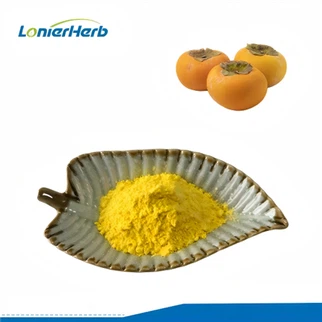
There are clear benefits to using the sodium salt form of pyrroloquinoline quinone instead of other antioxidants. This reddish-brown powder, whose chemical name is C₁₄H₄N₂Na₂O₈ and CAS number is 122628-50-6, is very stable and dissolves easily in water, which are both important properties for many recipe uses.
Chemical Structure and Enhanced Bioavailability
PQQ disodium salt is different from free-acid PQQ forms because it has better chemical stability. The disodium shape makes it much easier for water to dissolve, which makes it possible to use it in drinks, liquid vitamins, and topical formulas without any problems. Our production method produces 99% pure levels, and Eurofins, SGS, and other third-party labs have confirmed this through HPLC analysis. This pharmaceutical-grade purity ensures that all batches work the same, which is a big problem for makers who care about quality. The molecular weight of the substance is about 374.17 g/mol, which allows for accurate calculation of the dosages needed for formula creation.
Mitochondrial Support and Cellular Energy Production
The pyrroloquinoline quinone chemical helps with redox reactions and moves electrons around in the mitochondrial respiratory chain. Researchers have found that this substance activates PGC-1α signaling pathways, which leads to mitochondrial formation on its own. Unlike Coenzyme Q10, which mostly helps mitochondria that are already there, pyrroloquinoline quinone helps new energy centers form in cells. This process is especially useful for brain health formulas, where neuronal energy needs remain very high. It has been shown in clinical studies to help people remember things and think more clearly after taking supplements, which makes it a popular ingredient in brain health goods.
Superior Antioxidant Capacity Through Redox Cycling
This ingredient is unique because it can go through thousands of redox cycles without losing any molecules. While vitamin C or vitamin E molecules eliminate free radicals through a process called single-electron oxidation, pyrroloquinoline quinone's antioxidant power is constantly restored. Each molecule of this cycle system protects cells ten times better than the last. Studies that measured ORAC (Oxygen Radical Absorbance Capacity) numbers indicate that it is very powerful, often much more powerful than other antioxidants. The chemical gets rid of superoxide radicals, hydroxyl radicals, and peroxynitrite very well, protecting against a wide range of oxidative risks.
Comparing PQQ Disodium Salt with Alternatives for Informed Procurement
When purchasing, teams look at antioxidant ingredients; they need clear comparison data to help them make smart choices. There are different kinds of pyrroloquinoline quinone on the market, along with other antioxidant chemicals. Each has its pros and cons.
PQQ Disodium Salt Versus Free Acid and Monohydrate Forms
In production settings, the PQQ Disodium Salt version is much better than the free acid version of PQQ. Tests of solubility show that the sodium salt dissolves fully in water in just a few minutes, but free acid forms need acidic conditions or other solvents to work. This difference in solubility affects the flexibility of the formulation and the speed of the processes. Even though PQQ monohydrate has average properties, it usually costs more because it has to be made in a certain way. After many tests in capsules, drinks, and powders, we can say for sure that disodium salt is the most stable and cost-effective option for most commercial uses.
Comparing Antioxidant Efficacy Against CoQ10 and NADH
Compared to Coenzyme Q10, pyrroloquinoline quinone shows processes that work in ways that are similar but not the same. CoQ10 mostly works as an electron carrier inside mitochondrial membranes that are already there, while pyrroloquinoline quinone actively encourages the formation of new mitochondria. Many formulators now mix these ingredients to get synergistic benefits, which has been shown to work by a clinical study that shows improved brain function. There are problems with solubility that make NADH supplements less useful, but the sodium salt type of pyrroloquinoline quinone keeps absorption rates high. Comparative studies that measure cellular ATP production always show that pyrroloquinoline quinone formulas are better at providing long-lasting energy support.
Natural Versus Synthetic Sources and Supply Chain Considerations
These days, controlled bacterial fermentation methods are used, and Hyphomicrobium species or related microorganisms are usually used. Compared to plant extraction methods, this biological approach guarantees uniform quality, the ability to scale up, and stable costs. Natural food sources only have small amounts of pyrroloquinoline quinone, so it is not cost-effective to remove it for industrial use. Our material that comes from fermentation meets all the rules in the US and EU markets; it has both GRAS status and Novel Food approval. Batch tracking goes from the raw material to the final packaging. This gives buyers who care about quality the supply chain information they want.
Procurement Insights for PQQ Disodium Salt-What B2B Buyers Need to Know?
When looking for high-quality antioxidant ingredients, you need to think about more than just price differences. When manufacturers are looking for trusted supply partners, they should look at sellers in several important ways.
Essential Supplier Qualifications and Certifications
Quality control starts with making sure the manufacturers have the right qualifications. In Xi'an, our plant follows GMP guidelines and has a production area that is 1,500 square meters with its lab. Each run of production goes through strict testing procedures that check for heavy metals, microbial pollution, leftover solvents, and purity. Third-party verification through Eurofins, SGS, or Intertek gives you even more trust. When a customer asks for retesting through one of these certified labs, we constantly do it. Every package comes with a Certificate of Analysis, which makes sure that the whole process can be tracked from the fermentation base to the finished product.
Pricing Dynamics and Order Volume Considerations
Pharmaceutical-grade material is usually priced on the market based on how pure it is, how much is ordered, and how the supply chain works. Our lowest order size is 1 kg, which works for both research and development (R&D) trials and mass production. If you buy more than 20 kg, you'll get a deal, and the best price usually happens around 50 kg. The current stocking levels keep 20 kg to 50 kg of ready stock on hand, so pressing needs can be met quickly. Lead times for normal requirements are 3–7 business days for material that is already in stock, but they can be up to 2–3 weeks for special formulations that need specific particle sizes or amounts of moisture.
Regulatory Compliance and Product Verification Methods
Regulatory travel is a big problem for getting ingredients from other countries. Our PQQ Disodium Salt meets the standards for dietary supplements in the US and novel foods in the EU. It comes with full paperwork to back this up. Technical data sheets describe the physical qualities, the best way to store the item, and how to handle it safely. Studies on stability show that the drug's effectiveness is maintained for 24 months under controlled conditions when kept in cases that are covered and shielded from light. For formulators making goods for more than one market, we provide region-specific information that meets FDA, EFSA, and TGA standards. This help from regulators shortens the time it takes to make new products and lowers the risk of not following the rules.
Application Areas and Future Outlook of PQQ Disodium Salt in Industry
This protective ingredient can be used in many different types of products, and new uses are always opening up new market possibilities.
Current Industrial Applications and Success Stories
The biggest use for PQQ disodium salt is in cognitive health products, where it usually pairs with phosphatidylserine, GABA, or acetyl-L-carnitine. Formulators say that people really like brain health products that have this ingredient in them, especially older people who are worried about keeping their memories. It is used in healing formulas by sports nutrition makers because it helps mitochondria work better, which increases endurance and lowers oxidative damage caused by exercise. More and more anti-aging serums and creams use this ingredient. Its cellular defense processes work at the mitochondrial level to slow down skin aging. One European functional beverage client successfully launched an energy drink that contained our material. The recipe was able to stay stable on the shelf for 18 months, and the drink's effectiveness remained the same.
Ongoing Research and Innovation Opportunities
We are learning more about the uses of pyrroloquinoline quinone through an ongoing clinical study. New studies investigate how it might help heart health by examining arterial function and cholesterol processing. A neuroprotection study looks at how it can be used to treat neurodegenerative diseases. Early results show that it may help stimulate nerve growth factors. These new study areas especially interest formulators who are working on products that are meant to last a long time. Because the compound activates cellular defense circuits via Nrf2 signaling, it could be used to create health products that combat multiple signs of aging simultaneously.
Market Trends Driving Demand Growth
Several trends that are coming together are making the market accept more advanced antioxidant ingredients faster. People are much more aware of mitochondrial health now, thanks to popular science news and teaching from wellness influencers. The clean-label trend supports ingredients that come from nature and have strong scientific support. This trend is a great match for pyrroloquinoline quinone. As people get older in developed markets, they look for proactive ways to stay healthy. This is growing the brain support and healthy aging areas. Regulatory acceptance in large countries eliminates the issues that previously made it difficult for people to use these ingredients. Because of these things, pyrroloquinoline quinone is a high-growth ingredient for forward-thinking companies that are ready to spend money on high-quality products.
Conclusion
The evidence strongly suggests that PQQ Disodium Salt is a very effective way to lower reactive stress in a wide range of situations. It is different from other antioxidants because it has a unique redox cycle process, is more bioavailable, and has been shown to help mitochondria. This ingredient solves important manufacturing problems for B2B buyers in the cosmetics, functional foods, and nutraceuticals industries while also meeting strict quality and legal standards. It is a smart ingredient choice for companies making next-generation health goods because it has been scientifically proven to work, is stable during production, and can be used in many different ways. As more research comes out with more benefits and more people learn about the market, early adopters will have an edge in quickly growing health markets.
PQQ Disodium Salt supplier

Lonier is ready to help you with your product needs by providing you with high-quality PQQ Disodium Salt and offering full quality assurance and technical support. Our Xi'an plant makes pharmaceutical-grade materials that meet international standards. A third-party lab checks each batch to make sure it meets those standards. Our team can help you with unique micro-encapsulation services, solubility optimization, and regulatory paperwork, whether you're making cognitive supplements, functional beverages, or new skin care products. We keep stock that we can ship right away, and our adjustable minimum sales start at 1 kg. You can email our technical team at info@lonierherb.com to get samples, technical specs, or to talk about your unique formulation needs with a PQQ disodium salt maker who is dedicated to your success.
FAQ
What is the recommended dosage for formulations?
Doses between 10 mg and 20 mg per serving are common in clinical tests for brain health purposes. 20mg to 30mg may be added to sports nutrition products to help mitochondria work better during strenuous physical exercise. Cosmetic uses vary greatly by delivery method and amount applied to the face. We suggest reading written clinical literature that is relevant to your application and testing for stability at the dose levels you have suggested.
How does the safety profile compare to other antioxidants?
Pyrroloquinoline quinone has been approved as a novel food in the European Union and as GRAS in the United States. This means that it has been thoroughly tested for safety. Toxicology tests indicate that the drug is well-tolerated and has no major side effects when used at the suggested doses. The fact that the chemical is naturally found in breast milk and some foods supports the idea that it is safe. To make sure our material meets the high standards for medicinal purity, we test it for heavy metals, pesticides, and microbes.
Can it be combined with other active ingredients?
Of course. Many effective formulas mix pyrroloquinoline quinone with Coenzyme Q10, which works together to improve mitochondrial performance. When combined with B vitamins, it improves pathways for energy metabolism, and when combined with phosphatidylserine, it improves many areas of brain health. Based on stability tests and compatibility data, our expert team can help you come up with the best way to combine certain ingredients.
References
1. Rucker R, Chowanadisai W, Nakano M. "Potential physiological importance of pyrroloquinoline quinone." Alternative Medicine Review 2009; 14(3):268-277.
2. Stites T, Storms D, Bauerly K, et al. "Pyrroloquinoline quinone modulates mitochondrial quantity and function in mice." Journal of Nutrition 2006; 136(2):390-396.
3. Nakano M, Ubukata K, Yamamoto T, Yamaguchi H. "Effect of pyrroloquinoline quinone (PQQ) on mental status of middle-aged and elderly persons." FOOD Style 2009; 21:13(7):50-53.
4. Harris CB, Chowanadisai W, Mishchuk DO, et al. "Dietary pyrroloquinoline quinone (PQQ) alters indicators of inflammation and mitochondrial-related metabolism in human subjects." Journal of Nutritional Biochemistry 2013; 24(12):2076-2084.
5. Chowanadisai W, Bauerly KA, Tchaparian E, et al. "Pyrroloquinoline quinone stimulates mitochondrial biogenesis through cAMP response element-binding protein phosphorylation and increased PGC-1alpha expression." Journal of Biological Chemistry 2010; 285(1):142-152.
6. Akagawa M, Nakano M, Ikemoto K. "Recent progress in studies on the health benefits of pyrroloquinoline quinone." Bioscience, Biotechnology, and Biochemistry 2016; 80(1):13-22.