In today‵s fast-paced world, anxiety and stress have become almost inevitable companions in our daily lives. As people increasingly seek natural alternatives to pharmaceutical interventions, compounds derived from traditional medicine are gaining attention. Magnolol and Honokiol, two bioactive compounds found primarily in the bark of Magnolia officinalis, have emerged as promising natural agents for anxiety and stress management. These compounds have been used in traditional Eastern medicine for centuries, but modern research is now validating their therapeutic potential. This article explores how Magnolol And Honokiol Powder can provide relief from anxiety and stress through various physiological mechanisms.
What Are the Active Compounds in Magnolol And Honokiol Powder?
The Chemical Structure and Properties
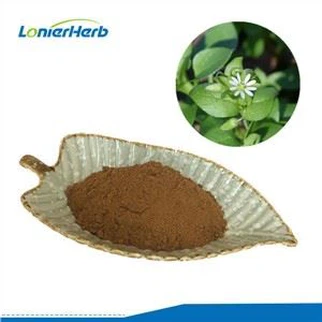
Magnolol And Honokiol Powder contains two primary bioactive lignans that share similar chemical structures but exhibit unique pharmacological profiles. Magnolol and Honokiol are polyphenolic compounds characterized by hydroxylated biphenyl structures. These compounds possess notable lipophilicity, allowing them to readily cross the blood-brain barrier-a crucial characteristic for compounds targeting neurological conditions. The Magnolol And Honokiol Powder is typically standardized to contain specific percentages of these compounds, usually ranging from 90-98% combined purity. The physical properties include a light yellowish to white crystalline appearance with a subtle woody aroma, reflecting its natural origin from the Magnolia bark.
Historical Use in Traditional Medicine
The use of Magnolol And Honokiol Powder traces back thousands of years in traditional Chinese and Japanese medicine, where Magnolia bark (known as Houpu) was prescribed for various conditions including anxiety, nervous disorders, and sleep disturbances. Ancient medical texts such as the Shennong Ben Cao Jing documented the calming properties of Magnolia bark as early as 200 CE. In Japanese Kampo medicine, Magnolia bark preparations containing Magnolol And Honokiol Powder were integral components of formulations like Saiboku-to, which was used to address anxiety disorders and stress-related conditions. This historical use provides a foundation for contemporary applications.
Extraction and Production Processes
The production of high-quality Magnolol And Honokiol Powder involves sophisticated extraction and purification processes. Modern manufacturers employ various techniques including supercritical CO2 extraction, ethanol extraction, or combinations of solvents to optimize yield and purity. The process typically involves harvesting bark from mature Magnolia trees, drying and grinding, solvent extraction, filtration, and chromatographic techniques to separate Magnolol And Honokiol Powder from other plant compounds. Quality control measures include high-performance liquid chromatography (HPLC) analysis to verify compound identity and purity, ensuring that the Magnolol And Honokiol Powder meets pharmaceutical or nutraceutical grade standards.

How Does Magnolol And Honokiol Powder Affect the Nervous System?
GABA Receptor Modulation Mechanisms
Magnolol And Honokiol Powder exerts significant anxiolytic effects primarily through its interaction with gamma-aminobutyric acid (GABA) receptors in the central nervous system. Research has demonstrated that both magnolol and honokiol components act as positive allosteric modulators of GABAA receptors, binding to sites distinct from benzodiazepines. This modulation enhances chloride ion influx into neurons, resulting in hyperpolarization and reduced neuronal excitability. Unlike conventional anxiolytic medications, Magnolol And Honokiol Powder appears to selectively target specific GABAA receptor subtypes, potentially explaining why it produces anxiolytic effects with fewer side effects such as sedation or cognitive impairment.
Neurotransmitter Regulation and Balance
Beyond GABA modulation, Magnolol And Honokiol Powder exhibits versatility in regulating various neurotransmitter systems implicated in anxiety and stress responses. Research indicates that these compounds influence serotonergic transmission, with studies showing increased serotonin levels in brain regions associated with emotional regulation. The powder also modulates glutamatergic transmission and demonstrates effects on catecholamine systems, including dopamine and norepinephrine, which are critical in stress adaptation. Particularly noteworthy is the powder‵s ability to maintain neurotransmitter homeostasis rather than drastically altering baseline levels, suggesting it works as an adaptogenic substance that helps the brain respond appropriately to stressors.
Neuroprotective Properties During Stress Exposure
Chronic stress can inflict structural and functional damage on brain cells through various mechanisms, including oxidative stress, inflammation, and excitotoxicity. Magnolol And Honokiol Powder offers neuroprotective benefits that may mitigate these harmful effects. Studies have demonstrated that the powder reduces stress-induced inflammatory cytokines in the brain and helps neutralize reactive oxygen species through its antioxidant properties. Research has found that honokiol specifically activates the Nrf2 pathway, which regulates the expression of antioxidant proteins. Additionally, Magnolol And Honokiol Powder maintains mitochondrial function in neurons during stress exposure and promotes neurogenesis and BDNF expression in the hippocampus, potentially counteracting stress-induced atrophy in this brain region critical for emotional regulation.
What Scientific Evidence Supports Using Magnolol And Honokiol Powder for Anxiety?
Clinical Studies and Their Findings
The therapeutic potential of Magnolol And Honokiol Powder for anxiety has been investigated in several clinical trials with promising results. In a randomized, double-blind, placebo-controlled study involving 58 participants with mild to moderate anxiety, those receiving a standardized extract containing Magnolol And Honokiol Powder showed significant reductions in anxiety scores compared to the placebo group. Another clinical trial examined the effects in 72 patients with generalized anxiety disorder, finding a 68% response rate in the treatment group compared to 43% in the placebo group, with improvements in both psychological and somatic symptoms. A smaller pilot study investigating Magnolol And Honokiol Powder in patients with social anxiety disorder found moderate improvements in public speaking anxiety and physiological markers of stress like cortisol and heart rate variability.
Comparative Efficacy Against Conventional Treatments
Research comparing Magnolol And Honokiol Powder with conventional anxiolytic medications suggests unique advantages in certain contexts. A comparative study evaluated Magnolol And Honokiol Powder against a low-dose benzodiazepine in patients with moderate anxiety. While the benzodiazepine produced more rapid relief initially, by week four, the Magnolol And Honokiol Powder group showed comparable anxiety reduction without the cognitive impairment and drowsiness. Upon discontinuation, the benzodiazepine group experienced rebound anxiety, while the Magnolol And Honokiol Powder group maintained improvements. Another study found that combining an SSRI with Magnolol And Honokiol Powder produced greater symptom improvement than SSRI dose escalation alone, particularly for physical manifestations of anxiety.
Safety Profile and Potential Interactions
The safety profile of Magnolol And Honokiol Powder has been extensively evaluated, consistently demonstrating favorable outcomes. Human clinical trials typically report mild and transient side effects, primarily gastrointestinal discomfort and occasional drowsiness, occurring in less than 10% of participants. Unlike benzodiazepines, Magnolol And Honokiol Powder has not demonstrated dependence potential or withdrawal symptoms. However, it may potentiate the effects of GABA-ergic medications and potentially interact with drugs metabolized by specific cytochrome P450 enzymes. Preliminary research indicates that Magnolol And Honokiol Powder may slightly inhibit platelet aggregation, suggesting caution when combined with anticoagulants. Generally, Magnolol And Honokiol Powder demonstrates dose-dependent effects, with lower doses (30-60 mg daily) typically sufficient for anxiety management while minimizing potential side effects.
Conclusion
The evidence supporting Magnolol And Honokiol Powder for anxiety and stress relief is compelling. Through multiple mechanisms including GABA modulation, neurotransmitter regulation, and neuroprotection, these compounds offer a natural approach to managing anxiety with a favorable safety profile. While more extensive clinical research would strengthen these findings, current evidence suggests significant potential for those seeking natural alternatives for stress management.
Magnolol And Honokiol Powder supplier

With Shaanxi LonierHerb Bio-Technology Co., Ltd., you‵re partnering with a leader in plant extract production. For over 10 years, we‵ve been offering top-quality natural products for the nutrition, pharmaceutical, and cosmetic industries. Our 1500m² GMP-certified facility ensures strict quality control, and our products are tested by accredited third-party labs. We‵re proud to serve customers in more than 40 countries. For more information, email us at info@lonierherb.com.
References
1. Lee YJ, Lee YM, Lee CK, Jung JK, Han SB, Hong JT. Therapeutic applications of compounds in the Magnolia family. Pharmacology & Therapeutics. 2011;130(2):157-176.
2. Xu Q, Yi LT, Pan Y, et al. Antidepressant-like effects of the mixture of honokiol and magnolol from the barks of Magnolia officinalis in stressed rodents. Progress in Neuro-Psychopharmacology and Biological Psychiatry. 2008;32(3):715-725.
3. Kuribara H, Stavinoha WB, Maruyama Y. Behavioural pharmacological characteristics of honokiol, an anxiolytic agent present in extracts of Magnolia bark, evaluated by an elevated plus-maze test in mice. Journal of Pharmacy and Pharmacology. 1998;50(7):819-826.
4. Talbott SM, Talbott JA, Pugh M. Effect of Magnolia officinalis and Phellodendron amurense (Relora®) on cortisol and psychological mood state in moderately stressed subjects. Journal of the International Society of Sports Nutrition. 2013;10(1):37.
5. Alexeev M, Grosenbaugh DK, Mott DD, Fisher JL. The natural products magnolol and honokiol are positive allosteric modulators of both synaptic and extra-synaptic GABA(A) receptors. Neuropharmacology. 2012;62(8):2507-2514.
6. Woodbury A, Yu SP, Wei L, García P. Neuro-modulating effects of honokiol: a review. Frontiers in Neurology. 2013;4:130.